The 2010 Jeep Wrangler is a popular choice for off-road enthusiasts and everyday drivers alike, known for its rugged capability and iconic design. When it comes to enhancing its performance and appearance, one of the most significant upgrades a Jeep owner can make is changing the wheels.
The wheel size of your Jeep Wrangler directly impacts its handling, ride comfort, off-road prowess, and overall look. For the 2010 model year, Jeep offered specific wheel sizes as standard, but the aftermarket offers a vast array of options for customization.
Understanding these options, their implications, and how to choose the right ones is crucial for any owner looking to get the most out of their vehicle.
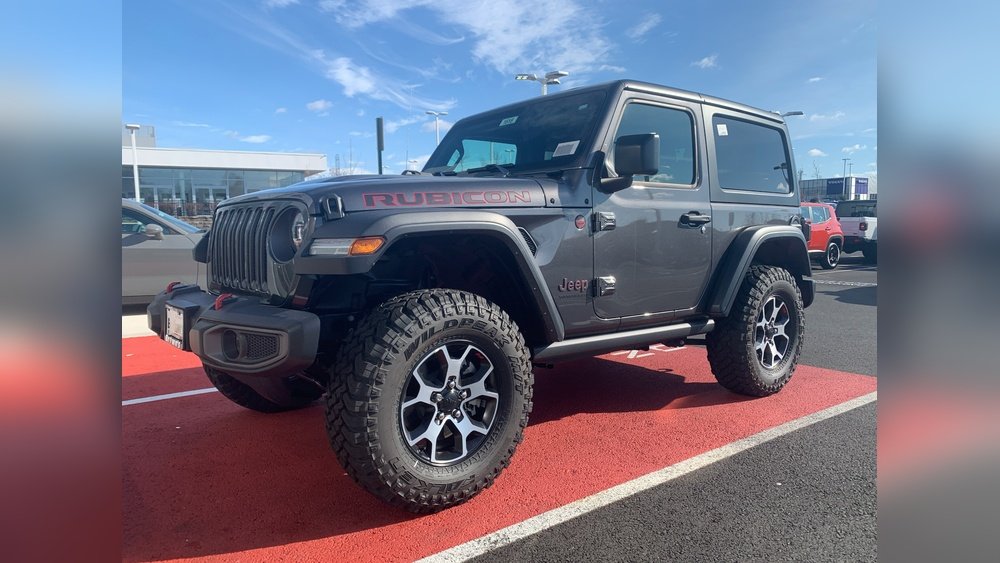
Choosing the correct wheel size isn't just about aesthetics; it’s about balancing form and function. A larger wheel might look aggressive, but it can affect speedometer accuracy, tire wear, and fuel economy if not properly accounted for.
Conversely, smaller wheels might offer a more comfortable ride but can limit tire choices for aggressive off-roading.
This guide will explore the various aspects of 2010 Jeep Wrangler wheel sizes, from the factory specifications to popular aftermarket choices, and what you need to consider before making a change. We’ll cover everything from bolt patterns and offsets to tire compatibility and the practical effects of different sizes.
Understanding Factory Wheel Specifications For The 2010 Jeep Wrangler
The 2010 Jeep Wrangler came with a few different factory wheel options, depending on the trim level and package. These factory specifications are the baseline from which most modifications begin.
Understanding these original specs is key to ensuring compatibility with any aftermarket changes you might consider.
Standard Wheel Sizes
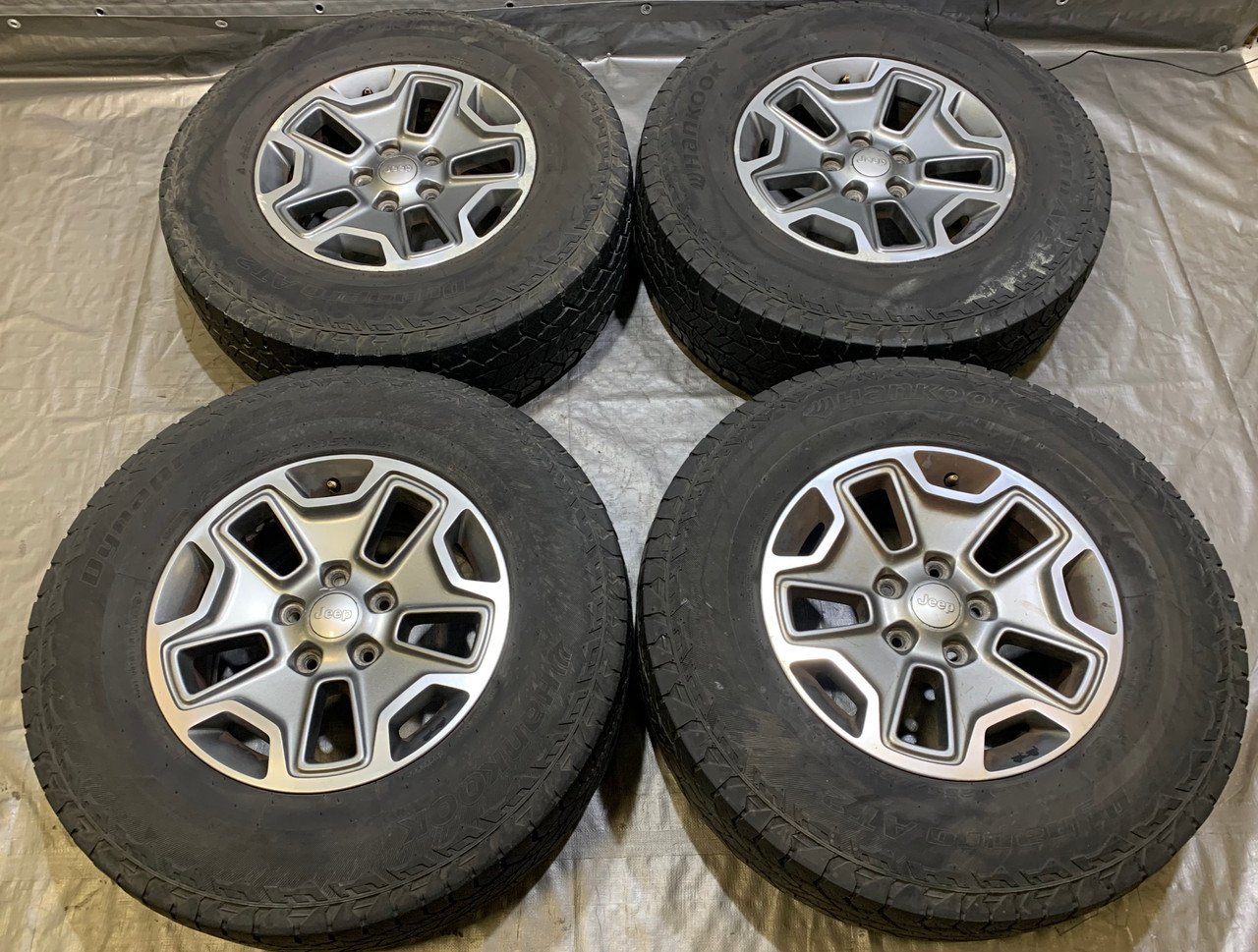
The most common factory wheel sizes for the 2010 Jeep Wrangler were 16-inch and 17-inch.
- 16-inch Wheels: Often found on base models or those focused more on utility, 16-inch wheels were typically paired with tires that offered a taller sidewall. This larger sidewall provides more cushioning for a smoother ride on rough terrain and can help absorb impacts better during off-road excursions. The common tire sizes for 16-inch wheels on a 2010 Wrangler included options like 225/75R16.
- 17-inch Wheels: These were more common on higher trim levels like the Sahara or Rubicon. 17-inch wheels generally came with tires that had a shorter sidewall, such as 245/75R17 or 255/75R17. While a shorter sidewall can mean a slightly firmer ride on pavement, it offers better responsiveness and stability during cornering. For off-roading, a shorter sidewall can be less prone to damage from rocks and other obstacles, and it allows for larger brake components if needed.
Bolt Pattern And Offset
Beyond the diameter, two critical factors determine wheel fitment: the bolt pattern and the offset.
- Bolt Pattern: The 2010 Jeep Wrangler uses a 5×5-inch (or 5x127mm) bolt pattern. This means there are five lug nuts arranged in a circle with a diameter of 5 inches. This specific bolt pattern is crucial for ensuring the wheel mounts securely to the vehicle’s hub. Using a wheel with an incorrect bolt pattern is dangerous and can lead to serious accidents. Fortunately, the 5×5 pattern is quite common, especially within the Jeep and some other Chrysler/Dodge/Ram vehicles, making aftermarket wheel selection relatively straightforward.
- Offset: Wheel offset refers to the distance from the mounting surface of the wheel (where it bolts to the hub) to the centerline of the wheel. For the 2010 Jeep Wrangler, the factory wheels typically had a positive offset, usually around +40mm to +44mm. A positive offset means the mounting surface is on the outside of the wheel’s centerline. This helps keep the wheels tucked in towards the vehicle’s body. When choosing aftermarket wheels, understanding offset is vital. A lower positive offset, zero offset, or even a negative offset will push the wheel further out from the hub, which can affect steering, suspension geometry, and fender clearance, especially when fitting larger tires.
Popular Aftermarket Wheel Sizes And Their Impact
While factory wheels serve their purpose, many 2010 Jeep Wrangler owners opt for aftermarket wheels to achieve a specific look or improve off-road performance. The aftermarket offers a wide range of sizes, materials, and designs.
Larger Diameter Wheels (18-inch, 20-inch, And Beyond)
It’s common to see 2010 Jeep Wranglers fitted with wheels larger than the factory 16-inch or 17-inch options.
- 18-inch Wheels: Stepping up to 18-inch wheels is a popular choice. This size allows for a slightly shorter tire sidewall compared to 17-inch wheels, offering a sportier feel on the road and sharper steering response. Common tire sizes for 18-inch wheels might be in the 265/65R18 or 275/65R18 range. This size offers a good balance between aggressive looks and practical tire availability for various conditions.
- 20-inch Wheels: For a more significant visual transformation, 20-inch wheels are also a popular option. When fitting 20-inch wheels, the tire sidewall becomes much shorter (e.g., 275/55R20 or similar). This setup dramatically changes the vehicle’s on-road appearance, giving it a more street-oriented, custom look. However, the very short sidewall offers less protection against impacts and can lead to a harsher ride. Off-road performance can also be compromised, as the tires are more susceptible to damage from sharp rocks or debris.
- Larger than 20-inch: While less common for practical off-roading, some owners might opt for 22-inch or even larger wheels. These are almost exclusively for aesthetic purposes and require very low-profile tires. Such setups severely limit off-road capability and can negatively impact ride quality and suspension longevity.
Smaller Diameter Wheels (less Common)
While most upgrades go larger, some might consider smaller wheels. However, for a 2010 Jeep Wrangler, going below 16 inches is generally not practical or advisable due to brake clearance and tire availability.
Most aftermarket off-road tires designed for Wranglers start at 15-inch or 16-inch diameters.
Impact Of Wheel Size On Performance And Ride
Changing your wheel size has several tangible effects:
- Ride Comfort: Larger wheels with shorter sidewalls tend to result in a firmer ride. The shorter sidewall has less air volume and less material to absorb road imperfections, meaning more of the shock is transferred to the cabin. Conversely, smaller wheels with taller sidewalls offer a softer, more cushioned ride.
- Handling and Responsiveness: Larger wheels and shorter sidewalls generally improve on-road handling. The tire is less likely to deform during cornering, leading to a more direct steering feel and reduced body roll. Taller sidewalls on smaller wheels can feel “squirmy” or less precise, especially at higher speeds.
- Off-Road Capability: For serious off-roading, smaller diameter wheels (like 15-inch or 16-inch) are often preferred. They allow for taller tires with more sidewall, which can conform better to uneven terrain, provide more grip, and offer better cushioning against impacts. Taller sidewalls are also less likely to be pinched or damaged by rocks compared to very short sidewalls. Larger wheels, while looking imposing, can limit tire choice for aggressive off-road use and make tires more vulnerable.
- Speedometer and Odometer Accuracy: When you change the overall diameter of your wheel and tire combination, your speedometer and odometer readings will become inaccurate. If you install a larger overall tire diameter (which often happens when upsizing wheels), your speedometer will read lower than your actual speed. Conversely, a smaller overall diameter will cause the speedometer to read higher. This is because the vehicle’s computer is calibrated for the original tire size. Professional recalibration or using a device to adjust the settings is often necessary.
- Fuel Economy: Larger, heavier wheels and tires can increase rotational mass and rolling resistance, potentially leading to a decrease in fuel economy. The change in gearing that can occur with significantly larger tires also affects fuel consumption.
Tire Size Considerations For Different Wheel Sizes
The wheel size is only half of the equation; the tire size is equally, if not more, important. The tire must be compatible with the wheel diameter, and the overall diameter of the tire/wheel combination needs to be considered for fitment and performance.
Matching Tire To Wheel Diameter
The most fundamental rule is that the tire's bead seat diameter must match the wheel's diameter. For example, a 17-inch tire is designed to mount on a 17-inch wheel.
Trying to fit a tire onto a wheel of the wrong diameter is impossible and dangerous.
Tire Width And Aspect Ratio
Beyond diameter, tire width and aspect ratio (the height of the sidewall as a percentage of the width) play crucial roles.
- Tire Width: Wider tires offer a larger contact patch with the road, which can improve traction and braking on dry surfaces. However, they can also increase rolling resistance and may be more prone to hydroplaning in wet conditions. For off-roading, a narrower tire with a taller sidewall might be preferred for better “crawling” ability and to reduce the risk of “tipping” on uneven terrain.
- Aspect Ratio: This is represented by the second number in a tire size (e.g., in 255/75R17, 75 is the aspect ratio). A higher aspect ratio (like 75) means a taller, more flexible sidewall. A lower aspect ratio (like 55) means a shorter, stiffer sidewall. As discussed, this significantly impacts ride comfort, handling, and off-road performance.
Calculating Overall Tire Diameter
A critical step when changing wheel and tire sizes is to calculate the overall diameter of the new combination. This ensures the tires will fit your Jeep Wrangler without rubbing against the fenders, suspension components, or body panels.
The formula for overall tire diameter is:
Overall Diameter = (Tire Width * Aspect Ratio) / 25.4 * 2 + Wheel Diameter
Let’s break down an example: For a 255/75R17 tire:
- Tire Width: 255 mm
- Aspect Ratio: 75 (meaning the sidewall height is 75% of the width)
- Wheel Diameter: 17 inches
- Convert width to inches: 255 mm / 25.4 mm/inch = 10.04 inches
- Calculate sidewall height: 10.04 inches 0.75 = 7.53 inches
- Total tire height (two sidewalls): 7.53 inches 2 = 15.06 inches
- Add wheel diameter: 15.06 inches + 17 inches = 32.06 inches (This is the approximate overall diameter)
A common upgrade for the 2010 Wrangler is moving to a 33-inch or 35-inch tire, which often requires adjustments like fender flares or even suspension lifts to prevent rubbing.
Common Tire Size Upgrades For The 2010 Wrangler
- 33-inch Tires: Often fitted on 17-inch or 18-inch wheels. Examples include 285/70R17 or 285/65R18. These usually fit with minor or no modifications, though fender flares might be needed.
- 35-inch Tires: These are a significant upgrade and typically require a lift kit (2-4 inches) and potentially fender modifications to fit properly, especially for off-road articulation. Common sizes are 315/70R17 or 325/65R18.
Factors To Consider When Choosing New Wheels
When you decide to upgrade your 2010 Jeep Wrangler’s wheels, several factors go beyond just the diameter.
Material And Construction
Wheels are made from different materials, affecting their weight, strength, and cost.
- Steel Wheels: These are the most affordable and durable option, especially for heavy off-roading. They are heavier than alloy wheels but are less prone to cracking or shattering from impacts. They can often be bent back into shape after severe stress.
- Alloy Wheels: Made from aluminum or magnesium alloys, these are lighter than steel wheels. This reduced weight can improve acceleration, braking, and fuel economy. Alloy wheels also offer a wider range of intricate designs and finishes. However, they can be more expensive and are more susceptible to cracking or breaking under extreme impact.
- Forged Wheels: These are the strongest and lightest (and most expensive) type of wheel. They are made by forging a single block of metal, creating a very dense and strong molecular structure. They are ideal for extreme off-roading or high-performance applications where durability and weight savings are paramount.
Wheel Finish And Style
The aesthetic appeal of new wheels is a major consideration for many owners. You can find wheels in various finishes, including:
- Chrome: Offers a highly reflective, mirror-like finish. Can be prone to chipping or peeling if not maintained.
- Polished Aluminum: A bright, reflective finish that can be buffed to a shine.
- Painted/Powder-Coated: Available in a vast array of colors, including black, grey, silver, and custom colors. Powder coating offers a durable finish.
- Machined Face: Often combined with a painted or clear-coated background, this finish has a machined metal look on the face of the spokes or rim.
The style of the wheel, whether it has many spokes, few thick spokes, a deep lip, or a beadlock-style appearance, will dramatically alter the Jeep’s overall look.
Load Rating
For a vehicle like the Jeep Wrangler, which is often used for towing or carrying heavy loads off-road, the load rating of a wheel is important. This rating indicates the maximum weight the wheel can safely support. Ensure any aftermarket wheels you choose have a load rating sufficient for your intended use. Steel wheels typically have very high load ratings, while some lightweight alloy wheels might be designed more for aesthetics than heavy-duty work.
Backspacing And Offset Revisited
As mentioned earlier, offset is crucial. For the 2010 Jeep Wrangler, understanding how offset affects fitment is key, especially when fitting larger tires.
- Positive Offset: Pushes the wheel inward. Factory Wranglers have positive offsets (e.g., +40mm to +44mm).
- Zero