When you think about the iconic Jeep Wrangler, images of rugged trails, open-air adventures, and serious off-roading often come to mind. This vehicle is built for more than just city streets; it’s designed to conquer challenging terrains.
And what’s one of the most crucial components that connects this beast to the earth it traverses? Its wheels.
Specifically, for those looking to enhance their Wrangler’s capability and style, Jeep Wrangler safari wheels are a popular choice.
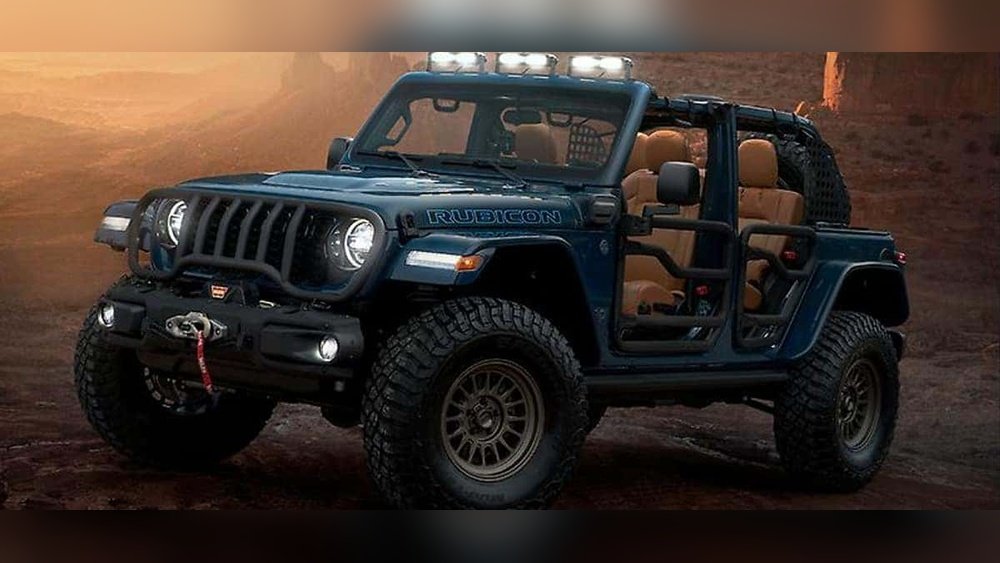
But what exactly are safari wheels, and why are they so well-suited for a vehicle like the Wrangler? It’s not just about looks, although they certainly add a distinctive flair. Safari wheels are often designed with specific features that cater to the demands of off-road exploration. This includes considerations for durability, load capacity, tire fitment, and even aesthetics that complement the rugged nature of the Jeep.
This article will guide you through the world of Jeep Wrangler safari wheels. We’ll explore what makes them unique, the various types available, key factors to consider before buying, and how they can transform your off-road experience.
Whether you're a seasoned Jeeper planning your next expedition or a newcomer looking to upgrade your ride, understanding these specialized wheels is key to making the right choice for your adventure.
Understanding Jeep Wrangler Safari Wheels
The term “safari wheels” for a Jeep Wrangler isn’t a formally defined category by manufacturers, but it has come to represent a style and type of wheel favored by off-road enthusiasts. These wheels are typically chosen for their robust construction and practical features that enhance a Jeep’s performance when venturing off the beaten path. They are often associated with a more aggressive stance and a readiness for challenging conditions.
What Makes A Wheel “safari-ready”?
Several characteristics define a wheel suitable for safari or serious off-roading:
- Durability and Strength: This is paramount. Safari wheels need to withstand impacts from rocks, potholes, and other obstacles encountered on trails. Materials like heavy-duty aluminum alloy are common, offering a good balance of strength and weight. Some enthusiasts even opt for steel wheels for their extreme durability, though they are significantly heavier. The load rating of a wheel is a critical specification; it indicates the maximum weight the wheel can safely support. For off-roading, a higher load rating is always preferable.
- Offset and Backspacing: These terms relate to how the wheel mounts to the hub. Offset refers to the wheel’s centerline relative to its mounting surface. Backspacing is the distance from the wheel’s mounting surface to the outer edge of the rim. Different offsets and backspacings can affect suspension clearance, steering geometry, and how much a tire sticks out from the fender. For off-roading, a lower offset or increased backspacing is often desired to provide more clearance for larger tires and suspension components, and to help prevent rubbing.
- Beadlock Capability: Some advanced safari wheels feature beadlock rings. These rings bolt onto the wheel’s outer edge and clamp the tire bead down, securing it to the rim. This is crucial for low-pressure tire operation. When airing down tires significantly for better traction on sand, mud, or rocks, the tire bead can sometimes detach from the rim, leading to a blowout. Beadlocks prevent this, allowing for much lower tire pressures and significantly improved off-road performance.
- Size and Tire Compatibility: Safari wheels come in various diameters, commonly 15-inch, 16-inch, 17-inch, and sometimes 18-inch. The choice of diameter often depends on the type of off-roading and the desired tire size. Smaller diameter wheels (like 15-inch) allow for more sidewall on the tire, which provides a smoother ride and better articulation over uneven terrain. Larger diameter wheels (like 17-inch or 18-inch) can accommodate larger brake systems and offer a more modern aesthetic, but they typically mean less tire sidewall.
- Aesthetics: While functionality is key, the look of safari wheels is also important to many Jeep owners. They often feature rugged, utilitarian designs, such as multi-spoke patterns, simulated beadlock rings, or a matte black, gunmetal, or polished finish that complements the Wrangler’s aggressive styling.
The Evolution Of Wrangler Wheels
Jeep Wranglers have seen many wheel designs over the decades. Early models often came with basic steel wheels, prioritizing function over form. As the Wrangler evolved, so did the wheel options. The JK and JL generations, in particular, have seen a massive aftermarket explosion, offering everything from lightweight racing wheels to ultra-durable beadlock-capable options. Safari wheels sit comfortably in the middle ground, offering a blend of the extreme capability needed for serious trails with the practicality and style that appeals to daily drivers and weekend warriors alike.
Types Of Safari Wheels For Your Jeep Wrangler
When you start looking for safari wheels, you’ll encounter a variety of styles and designs. While many are variations on a theme, understanding the core types can help you narrow down your choices. The primary distinctions often lie in their construction material, design features, and intended use.
1. Classic Off-road Alloys
These are the most common type of aftermarket wheels for Wranglers. Made from aluminum alloy, they offer a good compromise between strength, weight, and cost.
- Design: They often feature robust, multi-spoke designs or a classic “dish” style. Many mimic the look of traditional beadlock wheels with simulated beadlock rings, offering the aggressive aesthetic without the higher cost and complexity of true beadlocks.
- Performance: They are generally stronger than stock wheels and are designed to handle impacts. Their weight is usually less than steel wheels, which can slightly benefit fuel economy and handling.
- Fitment: Available in various sizes (15-inch to 18-inch) and offsets to accommodate larger tires and lift kits.
- Example: Wheels like the Rugged Ridge XHD or Pro Comp 69 Series Vintage exemplify this category, offering a blend of classic looks and off-road readiness.
2. Steel Wheels
For the ultimate in durability and simplicity, steel wheels remain a popular choice for extreme off-roading.
- Design: Typically feature a simple, functional design, often with a “d-window” or “rock crawler” look. They are usually painted black or a dark gray.
- Performance: Steel is incredibly strong and can often be bent or dented without failing catastrophically. This makes them ideal for rock crawling and environments where impacts are frequent and severe. However, they are significantly heavier than alloy wheels, which can impact on-road handling, braking, and fuel efficiency.
- Fitment: Commonly found in 15-inch and 16-inch diameters, perfect for maximizing tire sidewall.
- Example: The Pro Comp Xtreme Alloy Steel Wheel or US Wheel Steel Crawler are examples of robust steel options.
3. Beadlock And Beadlock-capable Wheels
These wheels are engineered for serious off-roaders who push their Jeeps to the limit, especially in low-traction environments like sand or mud.
- True Beadlocks: These wheels have a mechanical locking ring that physically clamps the tire bead to the wheel rim. This allows for extremely low tire pressures (sometimes as low as 5-10 psi) without the tire coming off the rim. This drastically increases the tire’s contact patch, providing superior traction and flotation.
- Pros: Unmatched performance in sand, mud, and rock crawling; prevents tire de-beading.
- Cons: More expensive; require precise installation; can be illegal for street use in some regions due to safety regulations; often require specific tire types.
- Beadlock-Capable Wheels: These wheels have the *design* features to accept a beadlock ring (often sold separately or as a kit), but they can also be run without the ring like a standard wheel. This offers flexibility.
- Pros: Can be run as a standard wheel for daily driving and then converted to beadlocks for off-road excursions.
- Cons: Still more expensive than non-beadlock wheels; installation of the beadlock ring requires care.
- Example: Method Race Wheels (like the 305 NV or 701 Trail Series) and Walker Evans Racing offer highly regarded beadlock and beadlock-capable options.
4. Simulated Beadlock Wheels
These wheels offer the aggressive look of beadlock wheels without the functional beadlock mechanism.
- Design: They feature a decorative ring around the outer edge of the wheel that mimics the appearance of a beadlock. This ring is usually bolted on and can often be customized in different colors or finishes.
- Performance: Functionally, they perform like standard alloy wheels. They offer no advantage in terms of tire security at low pressures.
- Pros: Significantly cheaper than true beadlocks; provide the desired aggressive aesthetic; easier installation and maintenance.
- Cons: Do not offer the performance benefits of true beadlocks.
- Example: Many popular alloy wheel brands offer simulated beadlock versions of their popular designs, such as the Fuel Off-Road D558 Anza or Moto Metal MO970.
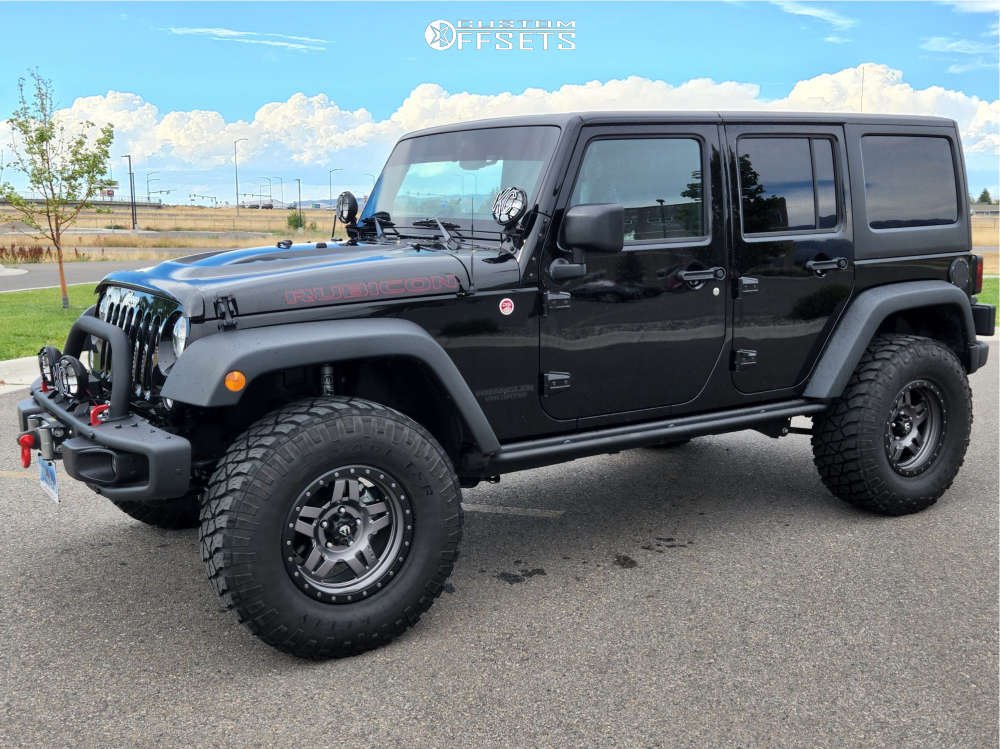
Key Factors When Choosing Safari Wheels
Selecting the right safari wheels for your Jeep Wrangler involves more than just picking a design you like. Several critical factors directly impact your vehicle's performance, safety, and your overall off-road experience.
Paying attention to these details will ensure you get wheels that are not only stylish but also functional and reliable.
1. Wheel Diameter And Width
The diameter of the wheel (e. g.
, 15", 17", 18") and its width (e. g.
, 8", 9") are fundamental choices that influence tire selection and vehicle dynamics.
- Diameter:
- 15-inch: Ideal for maximizing tire sidewall. More sidewall means better flexibility for crawling over obstacles, a smoother ride, and better traction at lower pressures. However, 15-inch wheels might not clear larger brake systems found on some newer Wranglers or aftermarket upgrades.
- 16-inch: Offers a good balance between sidewall and brake clearance.
- 17-inch: The most popular size for modern Wranglers. It offers good brake clearance for most setups and still allows for a decent amount of tire sidewall, especially with taller tires.
- 18-inch and larger: Generally preferred for vehicles that see more on-road use or for those running very large brake kits. They offer less tire sidewall, which can result in a firmer ride and less off-road articulation.
- Width: Wheel width dictates the range of tire sizes that can be safely mounted. A wider wheel generally supports a wider tire, which can improve stability and contact patch size. For example, an 8.5-inch wide wheel is common for 33-35 inch tires, while a 9-inch or 10-inch wide wheel might be used for wider 37-inch or larger tires. Always check the manufacturer’s recommended tire size range for the specific wheel width.
2. Bolt Pattern And Lug Nuts
Wranglers use a specific bolt pattern (the arrangement of lug nut holes) and lug nut size. Most modern Wranglers (JK and JL generations) use a 5×5 inch (5x127mm) bolt pattern. Older models might have different patterns.
- Ensuring Fitment: It is absolutely critical that the new wheels have the correct bolt pattern for your Jeep’s hubs. Mismatched bolt patterns will not allow the wheel to mount, and attempting to force them is extremely dangerous.
- Lug Nuts: You will also need the correct type and size of lug nuts. Many aftermarket wheels require tuner-style lug nuts (smaller diameter) or specific spline-drive lug nuts. Always confirm what type of lug nuts are recommended or required for your chosen wheels. Some wheels come with lug nuts, while others do not.
3. Offset And Backspacing
These two measurements are crucial for determining how the wheel sits relative to the fender and suspension components.
- Offset: Measured in millimeters (mm), offset describes the wheel’s centerline position relative to its mounting surface.
- Positive Offset: The mounting surface is closer to the outside of the wheel. Common on many stock vehicles.
- Zero Offset: The mounting surface is exactly in the center of the wheel.
- Negative Offset: The mounting surface is closer to the inside of the wheel. This is common for off-road wheels and pushes the wheel further out, which can help clear suspension components and allow for wider tires. A lower negative offset (e.g., -12mm, -24mm) is often preferred for Wranglers with lift kits and larger tires.
- Backspacing: Measured in inches, backspacing is the distance from the mounting surface to the back of the wheel (the part that faces inwards).
- A shorter backspacing (e.g., 4.5 inches) means the wheel sits further out from the hub, which is beneficial for clearing suspension parts and accommodating wider tires.
- A longer backspacing (e.g., 5.5 inches) means the wheel sits further in.
- Relationship: Offset and backspacing are related. For a given wheel diameter and width, a more negative offset will result in less backspacing. For Wranglers, especially those with modifications, you generally want a wheel with low backspacing (typically 4.5 inches or less) or a negative offset to ensure proper clearance.
4. Load Rating
This is a safety specification indicating the maximum weight a wheel can safely carry.
- Importance: Off-roading puts immense stress on wheels. Hitting rocks, landing jumps, or carrying heavy loads on uneven terrain requires wheels with a high load rating. Stock Wrangler wheels typically have a load rating around 2,000 lbs per wheel. Aftermarket safari wheels should ideally meet or exceed this, with many rated for 2,500 lbs or more.
- Checking Specs: Always check the manufacturer’s specifications for the load rating. Never compromise on this; a wheel failure off-road can be extremely dangerous.
5. Material And Construction
As discussed earlier, the material impacts durability, weight, and cost.
- Aluminum Alloy: Offers good strength-to-weight ratio, corrosion resistance, and a wide variety of designs. Most popular for aftermarket safari wheels.
- Steel: Extremely durable and repairable (can often be hammered back into shape), but very heavy. Best for extreme rock crawling where impacts are constant.
*