Enhancing Your Jeep Willys Wheeler: A Deep Dive Into Performance Suspension Upgrades
The Jeep Willys Wheeler, a name that evokes images of rugged trails, historical significance, and pure off-road capability, is a legend for a reason. These vehicles, whether classic restorations or modern interpretations, are built for adventure.
While their stock suspension systems are capable, many enthusiasts seek to push the boundaries of their Willys Wheeler's performance, comfort, and control. Upgrading the suspension is one of the most impactful ways to achieve this.
This article explores the world of Jeep Willys Wheeler performance suspension, detailing the components, benefits, and considerations for making the right choices for your rig.
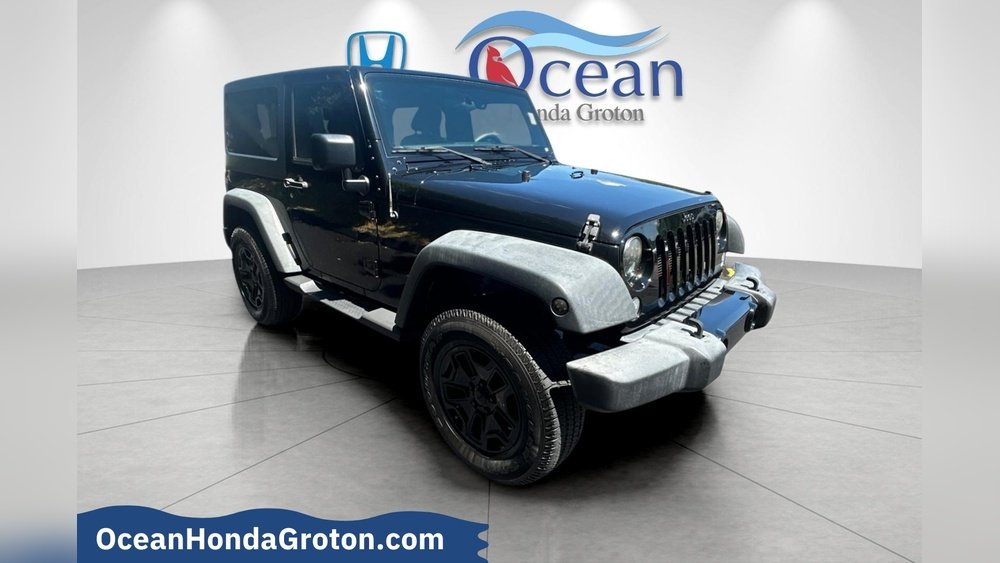
When you think about suspension, it’s more than just about absorbing bumps. It’s about how your vehicle connects with the terrain. A well-chosen suspension system can dramatically improve off-road articulation, allowing your tires to maintain contact with uneven surfaces for better traction. It can also enhance on-road comfort, reducing body roll and providing a smoother ride. For a vehicle like the Willys Wheeler, which balances its heritage with the demands of modern driving, a performance suspension upgrade is a significant investment that pays dividends in capability and enjoyment.
Understanding The Stock Willys Wheeler Suspension
Before diving into upgrades, it’s crucial to understand the original setup. Most classic Willys Wheeler models, like the CJ-2A, CJ-3A, and CJ-5, typically came with leaf spring suspension systems. These are robust and relatively simple, consisting of multiple layers of metal strips (leaves) that flex to absorb shocks.
The leaf springs are mounted to the frame and the axles. They provide both the spring function (absorbing impacts) and the locating function (keeping the axle in place relative to the chassis). While durable, leaf springs can be prone to sagging over time, especially with added weight from modifications or heavy use. They also tend to have limitations in terms of articulation compared to more modern designs, and can contribute to a harsher ride on rough terrain.
Why Upgrade Your Willys Wheeler Suspension?
The reasons for upgrading your Willys Wheeler’s suspension are varied and often interconnected:
- Improved Off-Road Capability: This is often the primary driver. Upgraded suspension components, such as long-arm kits or coilovers, can offer significantly more wheel travel and articulation. This means your tires can conform to obstacles better, maintaining better contact with the ground and improving traction on challenging trails.
- Enhanced On-Road Comfort: While Jeeps are known for their off-road prowess, many are also daily drivers or used for long road trips. Performance suspension can reduce body roll in corners, smooth out bumps and vibrations, and provide a more stable, comfortable ride on pavement.
- Increased Durability: Aftermarket suspension components are often built with stronger materials and more robust designs than stock parts. This makes them better equipped to handle the stresses of off-roading, heavy loads, and the general wear and tear of a vehicle pushed to its limits.
- Accommodating Larger Tires: If you plan to fit larger tires to your Willys Wheeler for increased ground clearance and better obstacle traversal, a suspension lift is often necessary. Performance suspension systems can provide this lift while also improving the overall handling and capability with the larger rubber.
- Better Damping and Control: Modern shock absorbers and dampers offer superior control over suspension movement. They can be tuned to specific driving conditions, providing a more responsive feel and preventing excessive bouncing or jarring.
Key Suspension Upgrade Components
When you decide to upgrade your Willys Wheeler’s suspension, you’ll encounter several key components. Understanding what each does is vital for making informed decisions.
Leaf Springs
While the stock setup uses leaf springs, many aftermarket options exist.
- Upgraded Leaf Springs: These can offer a slightly taller lift, increased load capacity, or improved ride quality compared to worn-out stock springs. They are a good option for a moderate upgrade without completely changing the suspension architecture.
- Spring-Over-Axle (SOA) Conversion: This is a popular modification where the leaf springs are moved from beneath the axle to above it. This provides a significant lift and increased articulation, but often requires additional modifications to correct driveshaft angles and steering geometry.
Shocks And Struts
Shocks (or dampers) are crucial for controlling the spring’s oscillation.
- Performance Shocks: Aftermarket shocks offer much better damping than stock units. They can be tuned for specific applications, such as heavy-duty off-road shocks designed for extreme articulation and impact absorption, or on-road performance shocks that prioritize a smooth and controlled ride. Many offer adjustable damping, allowing you to fine-tune the suspension’s feel.
- Coilovers: These combine a shock absorber with a coil spring in a single unit. They offer excellent tunability, allowing for precise adjustment of ride height and spring preload. High-end coilovers provide superior performance, especially for aggressive off-roading, by offering extensive travel and sophisticated damping.
Control Arms
Control arms connect the axle to the frame and dictate the axle’s position and movement.
- Stock Control Arms: These are generally sufficient for mild upgrades but can become a limiting factor for articulation and durability under extreme stress.
- Adjustable Control Arms: For significant suspension modifications, especially with lifted vehicles, adjustable control arms are essential. They allow for precise alignment adjustments, correcting caster and camber angles that can be thrown off by a lift.
- Long-Arm Kits: These kits replace the short stock control arms with much longer ones. This dramatically improves suspension geometry and allows for greater articulation and smoother suspension travel, especially at higher lift heights. They are a more complex and expensive upgrade but offer superior off-road performance.
Sway Bars
Sway bars (or anti-roll bars) connect the frame to the axles on opposite sides, reducing body roll during cornering.
- Disconnecting Sway Bars: For maximum off-road articulation, many enthusiasts disconnect their sway bars. However, this significantly increases body roll on the road, making it less safe for daily driving.
- Quick-Disconnect Sway Bars: These allow you to easily disconnect and reconnect the sway bar for off-road use, offering a good compromise.
- Aftermarket Sway Bars: Upgraded sway bars can offer improved on-road stability without overly restricting off-road articulation. Some high-performance systems incorporate active sway bars that can be electronically controlled.
Other Important Components
- U-bolts: These U-shaped bolts secure the leaf springs to the axles. Upgraded, heavy-duty U-bolts are recommended, especially when adding lift or carrying heavy loads.
- Bump Stops: These prevent the suspension from bottoming out. Upgraded bump stops, especially air bump stops, can provide a more controlled and comfortable stop, absorbing impacts before they transfer harshly to the chassis.
- Track Bars (Panhard Rods): These locate the axle side-to-side. When lifting a vehicle, the track bar angle changes, potentially causing the axle to shift. Adjustable track bars or relocation brackets are often necessary to recenter the axle.
- Steering Components: Increased tire size and suspension articulation can put extra stress on steering components. Upgraded tie rods, drag links, and steering stabilizers are often necessary for improved durability and control.
Suspension Upgrade Paths For Your Willys Wheeler
There isn’t a one-size-fits-all approach to upgrading your Willys Wheeler’s suspension. The best path depends on your intended use, budget, and desired outcome.
The Budget-friendly Refresh
If your Willys Wheeler’s suspension feels tired but you’re not looking for extreme off-road performance, a refresh might be ideal.
- Replace Worn Leaf Springs: If your current springs are sagging, replacing them with new, quality leaf springs can restore ride height and improve comfort.
- Upgrade Shocks: Installing a set of good quality, heavy-duty shocks designed for your Willys model can make a noticeable difference in ride control and reduce jarring.
- Inspect and Replace Bushings: Worn rubber bushings in the spring eyes and shackle points can cause sloppy handling. Replacing these with new ones will tighten up the feel.
This approach offers improved comfort and responsiveness without a massive overhaul. It’s also a great starting point before considering more extensive modifications.
The Moderate Off-road Enhancement
For those who want to tackle more challenging trails while maintaining reasonable on-road manners, a moderate enhancement is a good choice.
- Spring-Over-Axle (SOA) Conversion: This is a very popular and cost-effective way to gain significant lift and articulation. It involves moving the leaf springs from under the axle to over it.
- Add an Arch to Springs: If you’re not going full SOA, adding an extra arch to your existing springs or installing taller aftermarket springs can provide a lift of 2-4 inches.
- High-Quality Shocks: Pair your new spring setup with performance shocks that are valved appropriately for the increased travel and intended use.
- Extended Shackles: These can be used with existing springs to gain a small amount of lift and improve articulation, but can also negatively affect handling if overused.
- Steering Stabilizer: A steering stabilizer helps to absorb steering shocks and reduce steering wheel kickback, especially with larger tires.
This path offers a noticeable increase in off-road capability, allowing for more aggressive trail riding.
The Extreme Off-road Machine
For the dedicated off-roader who wants maximum articulation, travel, and durability for serious trail abuse, a more comprehensive system is required.
- Long-Arm Suspension Kit: These kits replace the stock control arms with longer, stronger units, dramatically improving suspension geometry and allowing for vast amounts of wheel travel. They are often designed to work with coilovers or large remote-reservoir shocks.
- Coilover Suspension: Replacing leaf springs with coilovers offers the ultimate in adjustability and performance. You can precisely set ride height and tune damping for specific terrain.
- High-End Shocks/Coilovers: Invest in top-tier shocks or coilovers with adjustable compression and rebound damping, and potentially air bump stops for controlling full suspension compression.
- Advanced Axle Upgrades: This might include C-gussets, lockers, and stronger axle shafts to handle the increased stress from larger tires and aggressive articulation.
- Custom Fabrication: At this level, custom fabrication might be necessary to optimize suspension geometry, driveshaft angles, and component placement.
This is the most expensive and complex route, demanding significant research and often professional installation.
Considerations Before You Buy
Making the right suspension choice involves more than just picking the biggest lift kit. Here are crucial factors to consider:
Intended Use
Be honest about how you’ll use your Willys Wheeler.
- Daily Driver with Occasional Trails: Focus on on-road comfort, durability, and moderate lift to clear slightly larger tires. Avoid overly stiff setups.
- Weekend Warrior (Moderate Trails): Balance off-road articulation with acceptable on-road manners. A SOA with good shocks or a mild long-arm kit could be suitable.
- Serious Off-Roading/Rock Crawling: Prioritize maximum articulation, durability, and travel. Long-arm kits, coilovers, and robust components are key.
Budget
Suspension upgrades can range from a few hundred dollars for basic shocks to several thousand for complete long-arm or coilover systems. Factor in the cost of installation if you’re not doing it yourself, as well as any necessary supporting modifications (e.
g. , driveshafts, brake lines, steering).
Ride Height And Tire Size
Your desired ride height will dictate the type of lift system you need. Remember that lift height directly impacts tire size capability. A 2-inch lift might clear 31-inch tires, while a 4-inch lift could accommodate 33-inch tires. Always consider fender clearance and potential rubbing.
Drivetrain And Geometry
Lifting a vehicle significantly changes drivetrain angles (especially for the transfer case and differentials) and suspension geometry.
- Driveshaft Angles: A lift can cause the U-joints to operate at extreme angles, leading to premature wear or even failure. You may need transfer case drop kits, slip yokes, or even custom driveshafts.
- Steering Geometry: Lifting can affect steering. Caster angle is crucial for on-road stability; a lift often reduces it. Adjustable control arms or caster correction brackets may be needed.
- Track Bar Alignment: On vehicles with track bars, lifting requires adjusting or replacing them to keep the axle centered under the vehicle.
Installation
Some suspension upgrades are relatively straightforward, while others require specialized tools and knowledge. If you’re not experienced with vehicle mechanics, consider professional installation.
Incorrect installation can lead to poor performance, safety issues, and damage to your vehicle.
Popular Willys Wheeler Suspension Brands And Kits
While specific kits can vary greatly by Willys model (e. g.
, CJ-2A vs. CJ-7), several reputable brands offer suspension components and kits tailored for Jeep vehicles, many of which can be adapted or are directly applicable to Willys-based builds.
- Rubicon Express: Known for robust suspension systems, offering a range of leaf spring lifts and long-arm kits for various Jeep models.
- Old Man Emu (OME): Famous for its suspension components that provide a balanced approach to ride quality and off-road capability. Their systems are often praised for their comfort.
- Skyjacker: Offers a wide array of lift kits, shocks, and suspension components, catering to various levels of off-road use.
- Clayton Off Road: Specializes in high-end, long-arm kits and suspension systems designed for extreme off-roading.
- TeraFlex: A very popular brand for Jeep upgrades, offering comprehensive suspension systems, including lift kits and flexy components.
When researching, always verify compatibility with your specific Willys Wheeler year and model. Many manufacturers offer universal components that can be adapted, but model-specific kits are generally easier to install and provide optimal geometry.
Pro Tip: Don’t Forget The Supporting Mods
Upgrading your suspension is rarely a standalone project. As you increase lift and articulation, other components will be stressed. Be prepared to budget for:
- Extended brake lines: Stock lines will likely be too short after a lift.
- Extended shock mounts: To properly accommodate longer shocks.
- Steering upgrades: Tie rod, drag link, and steering stabilizer.
- D



















