The story of the Jeep Willys in a crate is a fascinating chapter in military and automotive history. During World War II, the Willys MB Jeep became an icon of rugged reliability and simple engineering. What makes the “Jeep in a crate” story stand out is the way these vehicles were shipped and delivered to the front lines—sometimes in wooden crates, disassembled, ready for quick assembly under tough conditions. This article explores the reality behind the legend, what “Jeep in a crate” truly means, and why it still captures the imagination of collectors and history lovers today.
What Was The Jeep Willys In A Crate?
The Jeep Willys MB was developed quickly during World War II to meet the U.S. Army’s need for a light, all-terrain vehicle. Willys-Overland and Ford produced nearly 650,000 units between 1941 and 1945.
When people speak of a “Jeep in a crate,” they often imagine a complete, new Jeep arriving at the battlefield inside a wooden box, ready to be uncrated and driven away. The reality was a bit different but just as impressive.
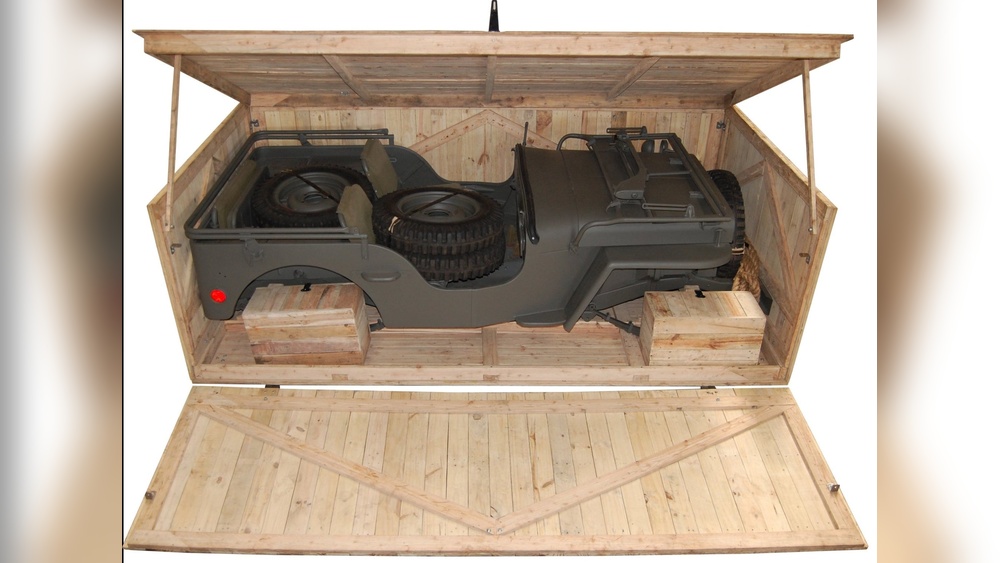
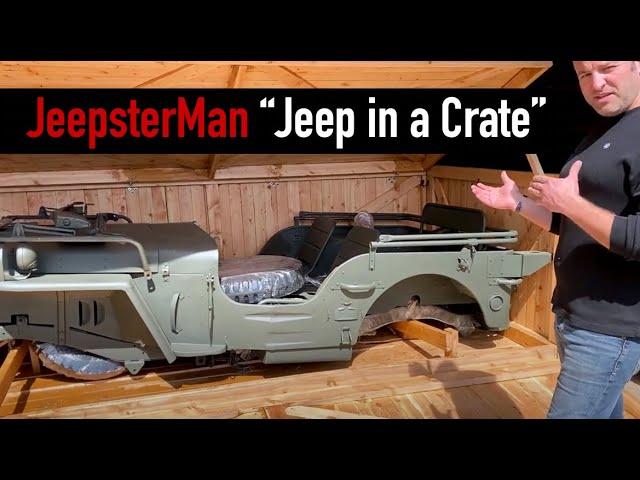
Some Jeeps were partially disassembled and packed in crates to save space on ships and planes. They were not fully assembled vehicles but came in several main sections that could be put together quickly, usually within a few hours.
How Were Jeeps Shipped And Assembled?
Shipping logistics during the war were a huge challenge. The military needed to move as many vehicles as possible in the smallest space. Crating Jeeps allowed for more to be transported at once.
| Shipping Method | Number of Jeeps per Ship | Assembly Time (Approx.) |
|---|---|---|
| Fully Assembled | Around 300 | None |
| Crated (Knocked-Down) | Up to 500 | 2-4 hours |
Crated Jeeps typically had the wheels, windshield, and some accessories removed. The main body, chassis, and engine stayed together. Soldiers used simple tools to assemble a Jeep, often in the field.
Assembly Steps
- Unpack the crate and organize parts.
- Attach the wheels and tires.
- Install the windshield and seats.
- Connect wiring and controls.
- Fill with fuel and fluids.
- Test the engine and brakes.
With practice, a small team could build a Jeep in less than four hours—even under rough conditions.
Why Did The “jeep In A Crate” Become Legendary?
The idea of a tough, reliable vehicle arriving in a box and being ready to drive in hours captured the imagination of many. After the war, surplus Jeeps were sold to civilians, sometimes still in their original crates.
However, it’s a myth that you could order a brand-new Jeep Willys in a crate from the factory after the war. Most post-war “crated Jeeps” were surplus military vehicles, not factory-fresh models. Still, the legend grew, helped by stories and magazine ads from the 1940s and 1950s.
Collecting And Restoring Crated Jeeps Today
Finding a true “Jeep Willys in a crate” is extremely rare. Most surviving examples are either restored or replicas built for museums and shows.
| Condition | Approximate Value (2024) | Availability |
|---|---|---|
| Original Crated Jeep | $80,000+ | Very Rare |
| Restored Jeep | $18,000–$35,000 | Common |
| Replica Crate Display | $5,000–$10,000 | Available |
Collectors value authenticity. Original crates, packing materials, and military paperwork add to a Jeep’s worth. Some museums and private collectors keep Jeeps in crates as historical artifacts, never assembled, to show how they arrived at war zones.
Key Features Of The Willys Mb Jeep
The Willys MB Jeep was designed for durability and ease of repair. Here are its standout features:
- Engine: 2.2L “Go Devil” four-cylinder, 60 horsepower
- Weight: Around 2,450 pounds
- Top speed: 65 mph
- 4×4 drive: Excellent off-road capability
- Simple design: Easy to fix with basic tools
These features made the Jeep perfect for military use. Its small size and light weight meant it could fit in a crate and be carried by plane or ship.
Common Myths And Surprising Facts
Many believe that every Jeep was shipped in a crate, but most were delivered fully assembled. The crated method was used mainly when shipping space was very limited.
Another myth is that Jeeps in crates were available for cheap after the war. In reality, most were sold through government surplus auctions, and few kept their crates.
A surprising fact: Some Jeeps were even dropped from planes by parachute, though these were usually special models with extra reinforcement.

Why The Jeep Willys In A Crate Still Matters
The Jeep Willys in a crate represents more than just clever packaging. It shows how the military adapted to solve problems and deliver what soldiers needed, where they needed it. The image of a Jeep being assembled from a box has become a symbol of American ingenuity and resourcefulness.
For collectors and history fans, owning a crated Jeep is like owning a time capsule from the 1940s. Even today, the Jeep’s design influences off-road vehicles worldwide.
Frequently Asked Questions
How Many Jeep Willys Were Shipped In Crates During World War Ii?
It’s estimated that less than 10% of all wartime Jeeps were shipped in crates. The exact number is unknown, but crating was reserved for situations where shipping space was tight or for overseas delivery.
Can You Still Buy A Jeep Willys In A Crate Today?
It’s extremely rare. Most “Jeep in a crate” offers today are either replicas or restored Jeeps packed in reproduction crates. Authentic, untouched crated Jeeps are prized by collectors and rarely come up for sale.
What Tools Were Needed To Assemble A Crated Jeep?
Assembly could be done with basic hand tools like wrenches, screwdrivers, and a hammer. The military supplied toolkits with each crate, making field assembly possible even in remote areas.
Were Crated Jeeps Used By Other Countries?
Yes, Allied forces such as the British Army and the Soviet Union received crated Jeeps through the Lend-Lease program. These vehicles helped supply and transport soldiers across many different fronts.
Where Can I See A Real Jeep Willys In A Crate?
Some military museums and private collections display original or replica crated Jeeps. The National WWII Museum in New Orleans, for example, features detailed exhibits on wartime vehicles. For more information, visit the Willys MB Wikipedia page.
The legacy of the Jeep Willys in a crate remains a testament to smart engineering and the spirit of solving tough problems with simple solutions. Whether you’re a collector, a history buff, or just curious, the story behind these crated Jeeps continues to inspire.