The Jeep wheel well storage box is a clever solution for off-road enthusiasts and everyday Jeep owners alike. Jeeps, known for their rugged capability and open-air freedom, often lack ample storage space.
This is especially true for essential gear, tools, or recovery equipment that you might need when venturing off the beaten path. The wheel well, that often-empty space behind the rear wheels, presents a unique opportunity to add functional storage without sacrificing precious cargo room inside the cabin.
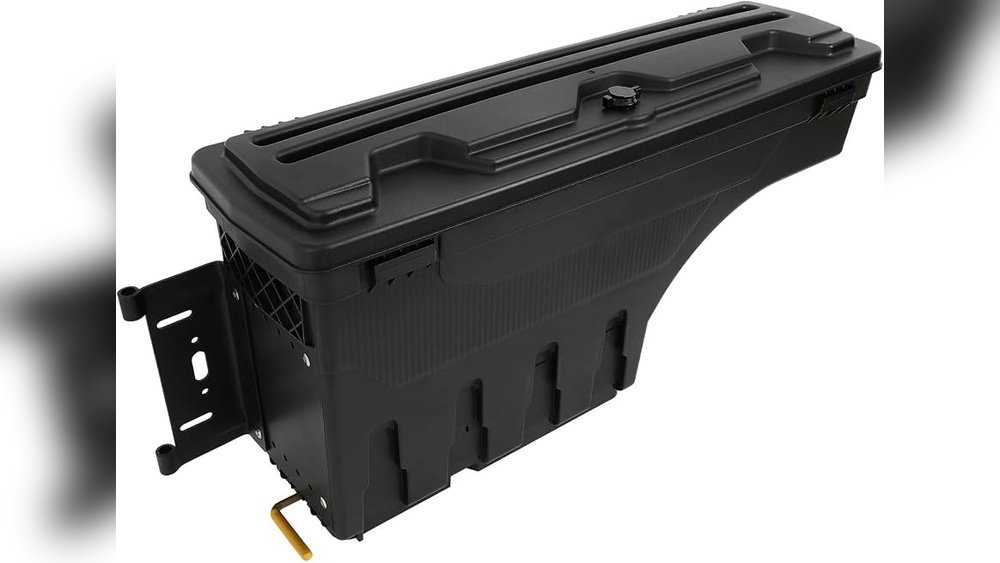
These specialized boxes are designed to fit snugly into this often-overlooked area, providing a secure, weather-resistant place to keep your items.
For many Jeep owners, the desire to customize and enhance their vehicle’s utility is a driving force. Whether you’re planning a long overland trip, heading out for a weekend of serious off-roading, or simply want a more organized way to carry your essentials, a wheel well storage box can be a valuable addition.
They offer a way to keep your vehicle tidy, protect your gear from the elements and theft, and ensure that critical items are always within reach. This article will explore the benefits, types, installation considerations, and popular options for Jeep wheel well storage boxes, helping you understand how they can upgrade your Jeep experience.
Maximizing Your Jeep’s Storage Potential
Jeeps are iconic for their go-anywhere attitude, but their design often prioritizes ruggedness and open-air driving over expansive storage. This can be a challenge for owners who need to carry more than just a grocery run’s worth of items. Traditional cargo solutions like roof racks or cargo carriers can be expensive, affect fuel economy, and may not be ideal for storing items that need to be kept secure and out of sight. This is where the Jeep wheel well storage box shines.
The Unused Space In Your Wheel Wells
The space behind the rear wheels of a Jeep, often referred to as the wheel well or fender well, is typically an open cavity. While it houses the tire and suspension components, there’s often a significant amount of unused volume.
Manufacturers have started to recognize this, and aftermarket companies have developed products specifically to fill this void with practical storage solutions. These boxes are engineered to follow the contours of the wheel well, ensuring a snug fit that maximizes the available space.
Benefits Of Wheel Well Storage Boxes
There are several compelling reasons why Jeep owners opt for wheel well storage:
- Increased Storage Capacity: This is the primary benefit. You gain a dedicated space for tools, recovery gear, first-aid kits, or even emergency supplies without taking up valuable interior cargo room.
- Secure and Protected Gear: The boxes are typically made from durable materials like aluminum or heavy-duty plastic, offering protection against impacts, weather, and theft. Many are lockable, providing an extra layer of security.
- Improved Organization: Instead of having items rolling around in the cargo area or trunk, a wheel well box keeps things organized and easily accessible. This means less time searching for what you need.
- Out of Sight, Out of Mind: Storing gear in the wheel wells keeps it hidden from view, deterring potential thieves and maintaining a cleaner aesthetic for your Jeep’s interior.
- Easy Access: While tucked away, these boxes are usually designed for relatively easy access, especially for items you might need during an off-road excursion.
- Versatility: They can be used for a wide range of items, from everyday essentials to specialized off-road recovery equipment.
Who Needs A Wheel Well Storage Box?
While any Jeep owner can benefit from extra storage, certain groups find these boxes particularly useful:
- Overlanders: Those who embark on extended trips often need to carry a significant amount of gear, including recovery tools, camping equipment, and spare parts.
- Off-Road Enthusiasts: Serious off-roaders frequently carry items like winches, traction boards, shovels, and high-lift jacks, which can be bulky and heavy.
- Daily Drivers Needing Organization: Even for daily commutes, a wheel well box can be a great place to store emergency kits, jumper cables, or a toolkit, keeping the cabin clutter-free.
- Jeep Owners with Limited Cargo Space: If you frequently use your Jeep for activities that require gear (e.g., photography, fishing, camping), you’ll appreciate any extra storage you can get.
Types Of Jeep Wheel Well Storage Boxes
When looking for a wheel well storage solution, you’ll find a few main types, each with its own advantages. The material, design, and mounting method are key differentiators.
Material Matters: Aluminum Vs. Plastic
The most common materials for wheel well storage boxes are aluminum and high-density plastic.
- Aluminum Boxes:
- Pros: Extremely durable, lightweight for their strength, resistant to rust and corrosion, often have a rugged, industrial look that complements the Jeep aesthetic. They can also be powder-coated for added protection and custom color options.
- Cons: Can be more expensive than plastic options, may be prone to denting if subjected to severe impacts.
- Plastic Boxes:
- Pros: Generally more affordable, lightweight, resistant to rust and corrosion, can be molded into complex shapes for a precise fit. Often made from UV-resistant materials to prevent degradation.
- Cons: May not be as durable as aluminum against sharp impacts, can become brittle in extreme cold temperatures over time, some lower-quality plastics can fade or crack.
Design Variations: Single Vs. Dual, Hinged Vs. Removable
Beyond material, the design of the box itself plays a crucial role in its functionality.
- Single vs. Dual Boxes: Most Jeeps have two rear wheel wells. You can choose to install a storage box in one or both. Installing in both offers maximum storage but can be more costly. Some systems are designed as a pair that complements each other.
- Hinged Lids: Many boxes feature hinged lids, allowing for easy access by simply lifting the lid. These are convenient for frequently accessed items. Ensure the hinges are robust and weather-resistant.
- Removable or Drawer-Style: Some designs might offer removable bins or drawer-style access, which can be useful for organizing smaller items or for easier loading and unloading.
- Integrated Systems: A few manufacturers offer integrated systems that might combine wheel well storage with other features, like water tanks or spare tire carriers.
Mounting And Installation
The way a Jeep wheel well storage box attaches to your vehicle is critical for security and stability. Most systems bolt directly to the Jeep’s body or frame, often utilizing existing mounting points to minimize the need for drilling.
- Drilling Required: Some installations might necessitate drilling new holes. If this is the case, ensure you have the right tools and take precautions to prevent rust, such as using a rust inhibitor and sealing the drilled holes.
- No-Drill Options: Many manufacturers strive to create “no-drill” solutions, which are highly desirable for preserving the vehicle’s integrity and simplifying the installation process. These often use specialized brackets and clamps.
- Fitment: It’s crucial to buy a box specifically designed for your Jeep model and year. Wheel wells can vary slightly between generations (e.g., JK vs. JL) and even trim levels. A proper fit ensures the box is secure and doesn’t rattle or interfere with suspension or tire clearance.
Popular Jeep Models And Their Wheel Well Storage Solutions
Different Jeep models have distinct characteristics, and the storage solutions available often reflect this. The most popular models for aftermarket modifications, including wheel well storage, are the Jeep Wrangler (JK and JL generations) and the Jeep Gladiator.
Jeep Wrangler (jk: 2007-2018)
The JK Wrangler is a very popular platform for customization. Owners often look for ways to maximize storage for off-road adventures.
- Common Features: Many JK wheel well boxes are designed to fit snugly behind the rear tires, often utilizing the space above the inner fender liner. They are typically made from aluminum or durable plastic.
- Installation: Most bolt-on kits are available, with some requiring minimal drilling. Designs often include hinged lids for easy access.
- Capacity: Expect storage capacities ranging from 1 to 3 cubic feet per side, depending on the specific box design and how much of the wheel well it occupies.
Jeep Wrangler (jl: 2018-present)
The JL Wrangler brought updated styling and technology, and aftermarket support quickly followed.
- Design Considerations: JL wheel wells might have slightly different shapes or internal structures compared to the JK. Storage boxes are specifically engineered to accommodate these differences. Some JL boxes are designed to work around the factory subwoofer if equipped.
- Materials and Security: High-quality aluminum and UV-resistant plastics are common. Many feature locking mechanisms to secure contents.
- Integration: Some JL storage solutions are designed to integrate with other aftermarket accessories, such as rear bumpers or tire carriers.
Jeep Gladiator (jt: 2020-present)
As a pickup truck based on the Wrangler platform, the Gladiator offers more inherent cargo space in its bed. However, wheel well storage can still be beneficial for specific items.
- Rear Wheel Wells: Similar to the Wrangler, the Gladiator has rear wheel wells that can be utilized. The boxes are designed to fit the contours of these wells.
- Specific Needs: Gladiator owners might use these boxes for tools, recovery gear, or items they want to keep dry and secure, especially if the truck bed is open or covered by a tonneau cover that doesn’t offer internal organization.
- Compatibility: Ensure the box is specifically listed for the Gladiator, as the bed structure and rear quarter panels differ from the Wrangler.
Other Jeep Models
While Wranglers and Gladiators are the primary focus for this type of accessory, some manufacturers might offer solutions for other Jeep models like the Cherokee (XJ, ZJ, WJ, WK, WK2) or Grand Cherokee. However, the availability is significantly less widespread.
These might be more universal-fit solutions or custom-fabricated options.
Key Features To Consider When Buying
Choosing the right Jeep wheel well storage box involves looking beyond just the model compatibility. Several key features will determine its suitability for your needs.
Durability And Weather Resistance
- Material Quality: As discussed, aluminum and high-grade plastics are preferred. Look for details like powder coating on aluminum for corrosion resistance and UV stabilization for plastics.
- Sealing: A well-designed box will have a gasket or seal around the lid to prevent water, dust, and mud from entering. This is crucial for protecting sensitive items like electronics or tools.
- Construction: Check for sturdy construction, reinforced corners, and robust hinges and latches. For aluminum boxes, ensure the welds are clean and strong.
Capacity And Usability
- Volume: Consider how much you need to store. Measure the space in your wheel well if possible, or check the manufacturer’s stated internal dimensions and volume. Don’t overestimate; a box that’s too large might not fit or could compromise tire clearance.
- Ease of Access: How easy is it to open and close the lid? Can you access the contents easily, even with gloves on? Some lids are designed with ergonomic handles or latches.
- Locking Mechanism: If security is a major concern, look for boxes with integrated locks or sturdy hasp designs that can accommodate a padlock.
Installation And Fitment
- Ease of Installation: Are you comfortable with DIY installation? Does it require specialized tools? A no-drill installation is often preferred for simplicity and to maintain your Jeep’s condition.
- Tire Clearance: This is paramount. The box must not interfere with the tire’s rotation, especially when the suspension compresses or flexes off-road. Check the manufacturer’s specifications regarding tire size compatibility.
- Ground Clearance: While mounted within the wheel well, ensure the box doesn’t significantly reduce your ground clearance, especially if it protrudes lower than the stock components.
Aesthetics
While functionality is key, many Jeep owners also care about how accessories look.
- Finish: Aluminum boxes often come in raw, black powder-coated, or brushed finishes. Plastic boxes are typically black but may have textured surfaces. Choose a finish that complements your Jeep’s overall style.
- Integration: Does the box look like an integrated part of the Jeep, or does it appear as an add-on? Some designs are more streamlined than others.
Installation Guide: A General Overview
Installing a Jeep wheel well storage box is typically a manageable DIY project for those with basic mechanical skills and tools. However, always refer to the specific instructions provided by the manufacturer for your chosen box.
Tools You Might Need
- Socket wrench set (metric and standard sizes)
- Screwdrivers (Phillips and flathead)
- Drill and drill bits (if drilling is required)
- Measuring tape
- Safety glasses
- Gloves
- Rivet gun (if your kit uses rivets)
- Rust inhibitor spray (if drilling)
- Silicone sealant (if drilling)
Step-by-step Installation Process (general)
- Preparation:
- Park your Jeep on a level surface and engage the parking brake.
- Remove the rear wheels to gain full access to the wheel wells. This is highly recommended for most installations to ensure proper fitment and ease of access.
- Clean the wheel well area thoroughly. Remove any dirt, mud, or debris.
- Test Fit the Box:
- Carefully place the storage box into the wheel well to check its fit. Ensure it sits flush against the body panels and doesn’t interfere with any suspension components or wiring.
- If your kit includes mounting brackets, temporarily attach them according to the instructions.
- Marking and Drilling (If Necessary):
- If the installation requires drilling, use the box or brackets as a template to mark the hole locations. Double-check measurements and alignment.
- Pro Tip: Before drilling, place a piece of painter’s tape over the area to prevent the drill bit from wandering and to minimize paint chipping.
- Drill the holes using the appropriate size drill bit.
- Warning: After drilling, immediately clean the hole and apply a rust inhibitor spray followed by a bead of silicone sealant around the edge of the hole to prevent corrosion.
- Mounting the Box:
- Align the box with the pre-drilled holes or mounting points.
- Secure the box using the provided hardware (bolts, nuts, washers, rivets). Tighten all fasteners securely but avoid over-tightening, which could strip threads or damage the box or vehicle body.
- If your kit uses rivets, use a rivet gun to install them firmly.
- Final Checks:
- Reinstall the rear wheels.
- Lower the Jeep off the jack stands.
*