Understanding Jeep Wheel Joint Angles: A Deep Dive
When you look at a Jeep, especially one built for off-roading, you might notice how its wheels can move quite a bit. This movement is crucial for tackling tough terrain.
A key part of this articulation is the wheel joint, specifically the constant velocity (CV) joint in modern Jeeps. The angle at which this joint operates is called the Jeep variable angle for wheel joint.
Understanding this angle is vital for anyone who wants to maintain their Jeep, improve its off-road performance, or simply appreciate the engineering behind these capable vehicles.
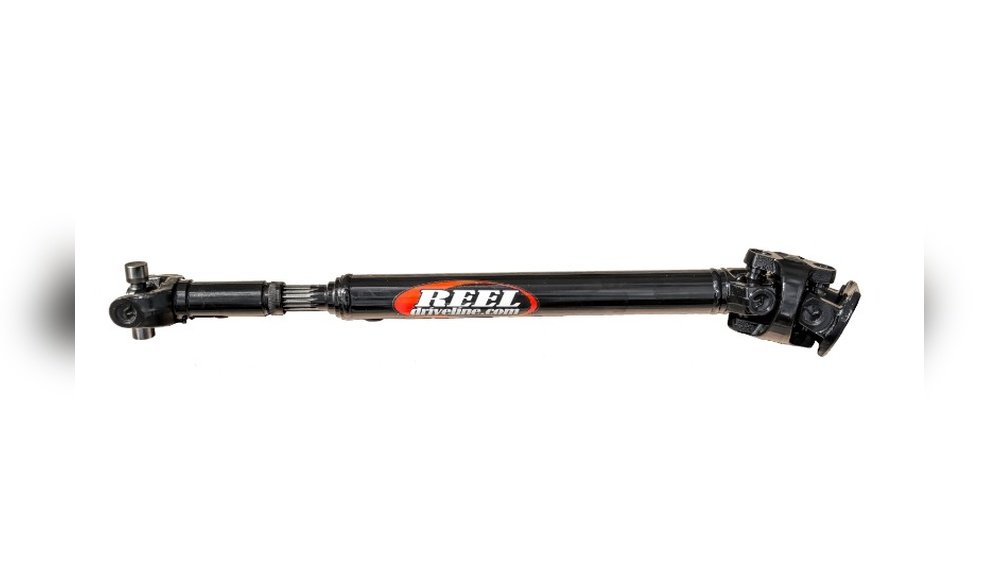
The CV joint allows the driveshaft to transmit power to the wheels even when the wheels are turned and at different heights. This is essential for maintaining traction on uneven ground. The angle the CV joint has to work at changes constantly as the steering wheel is turned and the suspension moves up and down. This variable angle is a carefully designed aspect of Jeep’s drivetrain. Too much angle can lead to premature wear and failure, while too little might limit the vehicle’s off-road capability. This article will explore what this variable angle means, why it’s important, how it’s affected by modifications, and what you can do to manage it.
The Anatomy Of The Jeep Wheel Joint
To understand the variable angle, we first need to understand the component that experiences it: the CV joint. Most modern Jeeps use CV joints on their front axles, and some also on their rear axles, especially those with independent suspension. These joints are designed to transmit rotational power from the transmission and transfer case to the wheels at a constant speed, regardless of the angle between the driveshaft and the axle shaft. This is a significant improvement over older universal (U-joint) systems, which could cause speed fluctuations and vibrations at extreme angles.
What Is A Constant Velocity (cv) Joint?
A CV joint is a mechanical component that allows a rotating shaft to transmit power through a variable angle, without significant fluctuation in speed. Think of it like a universal joint, but much more sophisticated and capable of handling higher angles smoothly. The most common types found in Jeeps are the Rzeppa-type (or ball-type) CV joint and the Tripod-type CV joint.
- Rzeppa-type CV joints: These are typically found at the outer ends of the axle shafts, connecting to the wheel hub. They consist of an inner race with grooves, an outer housing, and several ball bearings that fit into the grooves. The balls allow the joint to flex and transmit power smoothly.
- Tripod-type CV joints: These are often found on the inner ends of the axle shafts, connecting to the differential. They use a three-legged spider (tripod) that slides within a housing, allowing for plunge (axial movement) and angular articulation.
The primary function of these joints is to allow the driveshaft to turn the wheels even when they are steered left or right and when the suspension is articulated. This is particularly important for four-wheel-drive (4WD) systems, where power needs to be delivered to the front wheels even when they are turned.
The Role Of The Driveshaft And Axle Shafts
The driveshaft (or prop shaft) is the shaft that connects the transmission/transfer case to the differential. In a 4WD Jeep, there are typically two driveshafts: one for the rear axle and one for the front axle. The axle shafts (or half-shafts) are the components that connect the differential to the wheel hubs.
The CV joints are located at the connection points between the driveshaft and the differential, and between the differential and the axle shafts, and finally at the outer ends of the axle shafts where they connect to the wheel hubs. The variable angle we are discussing primarily refers to the angle at the outer CV joints, which experience the most extreme angles due to steering and suspension travel.

Understanding The Variable Angle
The variable angle of a Jeep’s wheel joint refers to the dynamic change in the operating angle of the CV joint as the vehicle steers and its suspension moves. This angle is measured between the driveshaft (or axle shaft) and the differential (or wheel hub). When the wheels are pointed straight and the suspension is level, the angle is minimal. However, as you turn the steering wheel or drive over uneven terrain, the suspension articulates, and the angle of the CV joint increases.
Why Is This Angle Important?
The CV joint is designed to operate efficiently within a certain range of angles.
- Smooth Power Delivery: At small angles, the CV joint transmits power at a constant velocity. This ensures smooth acceleration and predictable handling.
- Off-Road Capability: Higher angles allow the wheels to maintain traction by conforming to the terrain. This is fundamental to a Jeep’s off-road prowess.
- Durability: Every mechanical component has limitations. CV joints are engineered to handle a specific maximum operating angle. Exceeding this limit can cause excessive stress, heat, and premature wear on the joint components.
When a Jeep’s suspension is lifted or modified, the driveshafts become shorter relative to the axle shafts, or the axle shafts have to operate at a steeper angle to reach the wheels. This directly impacts the CV joint angle.
Factors Influencing The Variable Angle
Several factors contribute to the variable angle experienced by Jeep’s wheel joints:
- Steering Input: When you turn the steering wheel, the front wheels pivot. This forces the outer CV joints to operate at a significant angle relative to the axle shaft. The further you turn, the greater the angle.
- Suspension Articulation: As the Jeep drives over obstacles, one wheel might travel up while another travels down. This articulation causes the axle shafts to change their angle relative to the differential.
- Ride Height (Lift Kits): Installing a suspension lift kit raises the vehicle’s body and frame higher off the ground. This can significantly increase the operating angle of the CV joints, especially at the outer ends of the axle shafts. Without proper adjustments, this increased angle can lead to premature wear or even failure of the CV joints.
- Tire Size: Larger tires, often installed by off-road enthusiasts, can require higher gear ratios or may cause the suspension to articulate differently, indirectly affecting CV joint angles.
- Drivetrain Components: The length and design of the driveshafts, axle shafts, and the geometry of the suspension system all play a role in determining the acceptable range of angles.
Consequences Of Excessive Cv Joint Angles
Operating CV joints at angles beyond their designed limits can lead to a variety of problems, ranging from minor annoyances to catastrophic failures. Understanding these consequences is crucial for Jeep owners, especially those who have modified their vehicles.
Premature Wear And Failure
The most common issue arising from excessive CV joint angles is premature wear. The internal components of the CV joint, the balls, races, and cage, are subjected to higher stresses and friction when operating at extreme angles. This increased wear can lead to:
- Reduced Lifespan: The CV joint will wear out much faster than it would under normal operating conditions.
- Vibration: As the joint wears, it can develop play, leading to vibrations felt throughout the vehicle, especially during acceleration or when turning.
- Clicking or Popping Noises: A worn CV joint often produces a distinct clicking or popping sound, particularly when turning. This is a tell-tale sign that the joint is nearing the end of its life.
- Joint Failure: In severe cases, the joint can break apart completely. This can cause the axle shaft to stop driving the wheel, leaving the vehicle immobile. A catastrophic failure can also damage surrounding components like the differential or steering knuckles.
Increased Heat Generation
Higher operating angles mean more friction within the CV joint. This friction generates excess heat. Excessive heat can degrade the lubricating grease inside the CV boot, reducing its effectiveness and accelerating wear. In extreme cases, the heat can even warp or damage the metal components of the joint.
Reduced Drivetrain Efficiency
While CV joints are designed for constant velocity, operating them at very high angles can introduce slight inefficiencies. This means a small amount of power might be lost through increased friction and stress, though this is usually a less significant concern compared to wear and failure.

Managing Variable Angles With Modifications
Modifying a Jeep, particularly with a suspension lift, is a popular way to increase ground clearance and off-road capability. However, these modifications directly impact the CV joint angles. Successfully managing these angles is key to a reliable, modified Jeep.
Suspension Lifts And Their Impact
When you install a suspension lift kit, the axle is dropped further away from the frame. This means the axle shafts (connected to the wheels) and the driveshafts (connected to the transfer case) must operate at steeper angles to reach their respective connection points.
- Example: Imagine a straight line from the transfer case to the wheel hub. When you lift the body, this line becomes much steeper. If the CV joints are not designed to accommodate this steepness, they will be stressed.
Many lift kits come with components designed to help mitigate these angle issues, such as longer driveshafts or transfer case drop kits. However, the effectiveness of these solutions varies depending on the lift height and the specific Jeep model.
Common Modifications And Solutions
- CV Boots: The rubber boots protecting the CV joints are critical. They keep dirt and water out and the grease in. At extreme angles, these boots can stretch, tear, or become punctured, leading to rapid joint failure. Sometimes, heavy-duty aftermarket CV boots are available that are more resistant to tearing at higher angles.
- Extended Differentials and Axle Shafts: For significant lifts, standard CV joints may not be sufficient. Some aftermarket solutions involve extended differential housings or stronger, longer axle shafts that are designed to operate at higher angles. These are often referred to as “long-field shaft” or “high-angle” axle kits.
- Slip Yokes and Driveshaft Modifications: On some Jeep models, the driveshaft has a slip yoke that allows it to change length as the suspension moves. Lifting the vehicle can cause the slip yoke to bottom out or operate at an extreme angle. Solutions include:
- Transfer Case Drop Kits: These lower the transfer case slightly, reducing the angle of the driveshaft.
- Slip Yoke Eliminator (SYE) Kits: These kits replace the factory slip yoke with a fixed U-joint connection, often requiring a new, shorter driveshaft. This can help correct driveshaft angles.
- Custom Driveshafts: For very tall lifts or specific setups, custom-built driveshafts with optimized U-joint angles might be necessary.
- Re-gearing: While not directly related to angles, installing larger tires often necessitates re-gearing the differentials. This ensures the engine has enough torque to turn the larger tires, which can indirectly help reduce strain on the drivetrain, including the CV joints.
Pro Tip: When choosing a lift kit, pay close attention to the manufacturer’s recommendations regarding CV joint angles and any necessary supporting modifications. A kit that promises extreme lift without addressing drivetrain angles is often a recipe for future problems.
Diagnosing Cv Joint Issues
Recognizing the signs of CV joint problems early can save you from more significant damage and costly repairs. Regular inspection and listening to your Jeep are key.
Signs Of Worn Cv Joints
- Clicking Noise When Turning: This is the most classic symptom of a worn outer CV joint. The sound usually becomes more pronounced when turning sharply, especially at lower speeds.
- Vibration During Acceleration: A worn inner CV joint or a driveshaft issue can cause vibrations that are felt when accelerating, particularly when the vehicle is in 4WD.
- Grease Leaks: Inspect the rubber CV boots for any signs of damage, cracks, or grease leaks. If you see grease splattered around the joint area, the boot is likely torn, and the joint is exposed to contamination.
- Popping Sounds: Similar to clicking, a distinct popping sound can indicate a severely worn joint or a problem with the joint’s ability to articulate.
- Uneven Tire Wear: While less common, severe drivetrain issues can sometimes contribute to uneven tire wear.
Inspection Tips
- Visual Inspection: Regularly check the CV boots for tears, cracks, or signs of grease leakage. Look for any damage to the joint itself.
- Listen Carefully: Pay attention to any unusual noises your Jeep makes, especially when turning or accelerating.
- Check for Play: With the vehicle safely supported, you might be able to gently rock the wheel and axle assembly to feel for excessive play in the CV joints. However, this often requires experience to interpret correctly.

Maintaining Your Jeep’s Drivetrain For Longevity
Proper maintenance is the best defense against premature wear of CV joints and other drivetrain components. Even if you haven’t modified your Jeep, regular care can extend the life of these parts.
Regular Maintenance Schedule
- Lubrication: Ensure the CV joints are properly lubricated. The grease inside the boots is crucial. While you can’t typically access the grease directly without disassembling the joint, ensuring the boots are intact prevents contamination and loss of this vital lubricant.
- Boot Inspection: As mentioned, frequent inspection of the CV boots is paramount. If a boot is damaged, it should be replaced immediately to prevent dirt and water from entering the joint.
- Driveshaft Maintenance: Check driveshaft U-joints for wear and ensure they are properly greased if they are greasable type. Inspect the driveshafts themselves for any signs of damage or imbalance.
- Fluid Checks: Regularly check and change the differential and transfer case fluid. Contaminated or low fluid levels can accelerate wear on all drivetrain components.
Driving Habits
- Avoid Extreme Throttle on Full Lock: When your wheels are turned to their maximum angle (full lock), avoid aggressive acceleration. This is when the CV joints are under the most stress. Smooth inputs are always better.
- Mindful Off-Roading: While Jeeps are built for off-road, driving over extremely rough terrain at high speeds can put immense stress on the drivetrain. Approach obstacles cautiously and use appropriate gearing.
- Proper 4WD Engagement: Understand when and how to use your 4WD system. Engaging 4WD on high-traction surfaces like dry pavement can bind the drivetrain and cause damage.
When To Seek Professional Help
If you hear clicking noises, feel vibrations, or notice any grease leaks from your CV boots, it’s time to consult a qualified mechanic. They can properly diagnose the issue and recommend the necessary repairs, whether it’s replacing a CV boot, a CV axle, or addressing more complex drivetrain modifications.
Advanced Concepts: Cv Angle Measurement And Correction
For serious off-roaders and Jeep builders, understanding and measuring CV joint angles can be crucial for optimizing performance and durability.



















