For many off-road enthusiasts, the word “Jeep” brings up images of rugged terrain, adventurous trails, and vehicles built to conquer the outdoors. But what does it truly mean when a Jeep is labeled “Trail Rated”?
This badge is more than just a marketing tool—it stands for a set of standards, tests, and real-world capability that not every SUV can claim.
Whether you’re a first-time Jeep buyer or simply curious about what sets these vehicles apart, understanding the Trail Rated badge can help you make smarter choices and appreciate the engineering behind the adventure.
What Does “trail Rated” Mean?
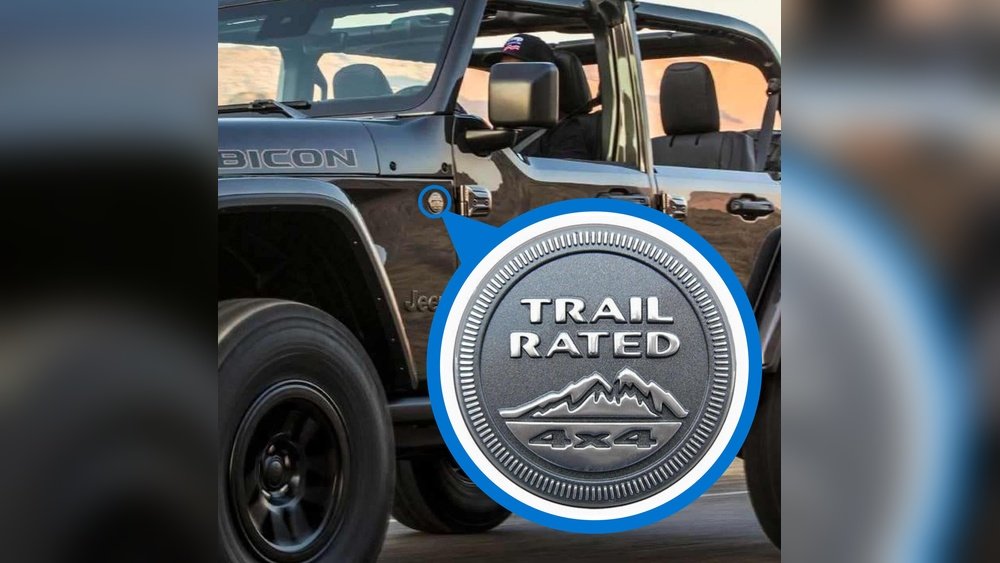
A Trail Rated Jeep has passed a series of tough tests to prove it can handle serious off-road challenges. Jeep created this system to make it clear which of their vehicles can perform well in demanding conditions. The Trail Rated badge, usually found on the front fenders, is a sign of off-road excellence. It’s not just about powerful engines or aggressive styling—it’s about real performance in the wild.
The Five Key Trail Rated Categories
To earn the Trail Rated badge, a Jeep must excel in five main areas. These categories are carefully chosen to reflect the most important aspects of off-road driving.
1. Traction
Traction is all about how well the Jeep keeps moving, even when the ground is slippery or uneven. Trail Rated Jeeps use advanced systems like 4×4 drivetrains, locking differentials, and traction control. This helps them climb rocks, drive through mud, or power through snow without getting stuck. For example, the Jeep Wrangler Rubicon features Rock-Trac 4×4, giving it impressive grip on tough surfaces.
2. Water Fording
Not every SUV can cross streams or deep puddles without damage. Trail Rated Jeeps are tested for water fording—the ability to drive through water. This means special features like sealed electrical connections, higher air intakes, and careful body design. Some models can safely cross water up to 30 inches deep. But remember: water depth can vary, and moving water is always risky.
3. Maneuverability
Maneuverability is the Jeep’s ability to move around obstacles like rocks, trees, and tight turns. Trail Rated models have a tight turning radius, precise steering, and good wheelbase design. This helps drivers make quick adjustments on narrow trails or crowded paths. The Jeep Renegade Trailhawk, for example, is smaller than the Wrangler but still earns the badge thanks to its nimble handling.
4. Articulation
Articulation means that the wheels stay on the ground, even when one or two are climbing over large obstacles. Good articulation keeps traction high and prevents getting stuck. Trail Rated Jeeps have strong suspension systems that allow each wheel to move up or down as needed. This makes a big difference when driving on rocks or uneven dirt.
5. Ground Clearance
Ground clearance is the distance between the lowest part of the vehicle and the ground. More clearance means you can drive over rocks, logs, or ruts without damaging the underbody. Trail Rated Jeeps offer higher ride heights, skid plates, and strong axles to protect the vehicle on rough terrain. For example, the Wrangler Rubicon boasts over 10 inches of ground clearance.
How The Trail Rated Testing Works
Jeep doesn’t just rely on computer simulations or quick checks. The Trail Rated system involves both lab tests and real-world off-road trials. Vehicles are put through their paces at places like the Rubicon Trail in California—one of the toughest off-road routes in the US.
Engineers look at:
- Angle of approach, breakover, and departure: Can the Jeep climb up, roll over, and come down from obstacles without scraping?
- Traction on different surfaces: Mud, rocks, sand, and snow.
- Water depth: Can it cross streams or flooded paths?
- Steering and control: How well does it handle sudden changes or tight spaces?
- Durability: Does the vehicle’s body and suspension hold up under stress?
These tests are adjusted for each Jeep model, since the Wrangler is not the same size or shape as the Grand Cherokee. This means each Trail Rated Jeep is tuned for its own style of adventure.
Trail Rated Models: A Quick Overview
Not every Jeep gets the Trail Rated badge. Only certain trims and configurations are put through the full test. Here’s a look at some popular Trail Rated models:
| Model | Trail Rated Trim | Ground Clearance (inches) | Water Fording (inches) |
|---|---|---|---|
| Wrangler | Rubicon | 10.8 | 30 |
| Grand Cherokee | Trailhawk | 10.8 | 24 |
| Cherokee | Trailhawk | 8.7 | 20 |
| Renegade | Trailhawk | 8.7 | 19 |
| Compass | Trailhawk | 8.5 | 19 |
It’s important to note that lower trims (like the Jeep Compass Sport) may not be Trail Rated, even though they share the same body. Always check for the badge and the official specs.

What Makes Trail Rated Jeeps Different?
Many SUVs claim to be off-road ready, but Jeep’s Trail Rated badge is based on actual performance. There are a few key differences:
- Dedicated off-road features: Trail Rated models often include features not found in base versions, like all-terrain tires, skid plates, tow hooks, and advanced traction systems.
- Proven track record: The badge means the vehicle was tested in real-world conditions, not just on a computer or test track.
- Resale value: Trail Rated Jeeps often hold their value better, since buyers trust their capability.
Interestingly, some buyers think all Jeeps are Trail Rated, but that’s not true. Only certain trims, with the right equipment, earn the badge.
Comparing Trail Rated Vs. Non-trail Rated Jeeps
If you’re considering a Jeep, it’s smart to compare what you get with and without the Trail Rated badge. Here’s a simple comparison:
| Feature | Trail Rated Jeep | Non-Trail Rated Jeep |
|---|---|---|
| 4×4 System | Advanced (e.g., Rock-Trac, Selec-Terrain) | Standard or optional basic 4×4 |
| Skid Plates | Included or available | Rarely included |
| Water Fording | Tested and rated | Not tested for deep water |
| Ground Clearance | Higher | Standard height |
| Off-Road Tires | All-terrain or mud-terrain | Road-focused tires |
| Resale Value | Often higher | Standard |
If you plan to stick to city driving, a non-Trail Rated model may be enough. But for rough roads, adventure, or resale value, the Trail Rated badge is a smart choice.
Why The Trail Rated Badge Matters
The Trail Rated badge is a mark of confidence. It tells you the vehicle was tested in harsh conditions, not just built to look tough. For beginners, this means less guesswork: you know the Jeep can handle what the manufacturer claims. For experienced off-roaders, it’s a sign of quality engineering.
One non-obvious insight: insurance rates may be lower for Trail Rated Jeeps, since they’re designed to survive tough conditions and may have fewer claims for underbody damage. Also, many off-road parks require a vehicle to meet certain standards—Trail Rated Jeeps often qualify automatically.
How To Identify A Trail Rated Jeep
Look for the Trail Rated badge—a round metal emblem, usually on the front fender near the driver’s door. It should say “Trail Rated” and show a mountain in the center. But don’t stop there; check the window sticker or specs to see if the model includes off-road features like locking differentials, tow hooks, and all-terrain tires.
Real-world Examples: Trail Rated In Action
Let’s look at how Trail Rated Jeeps perform in actual use:
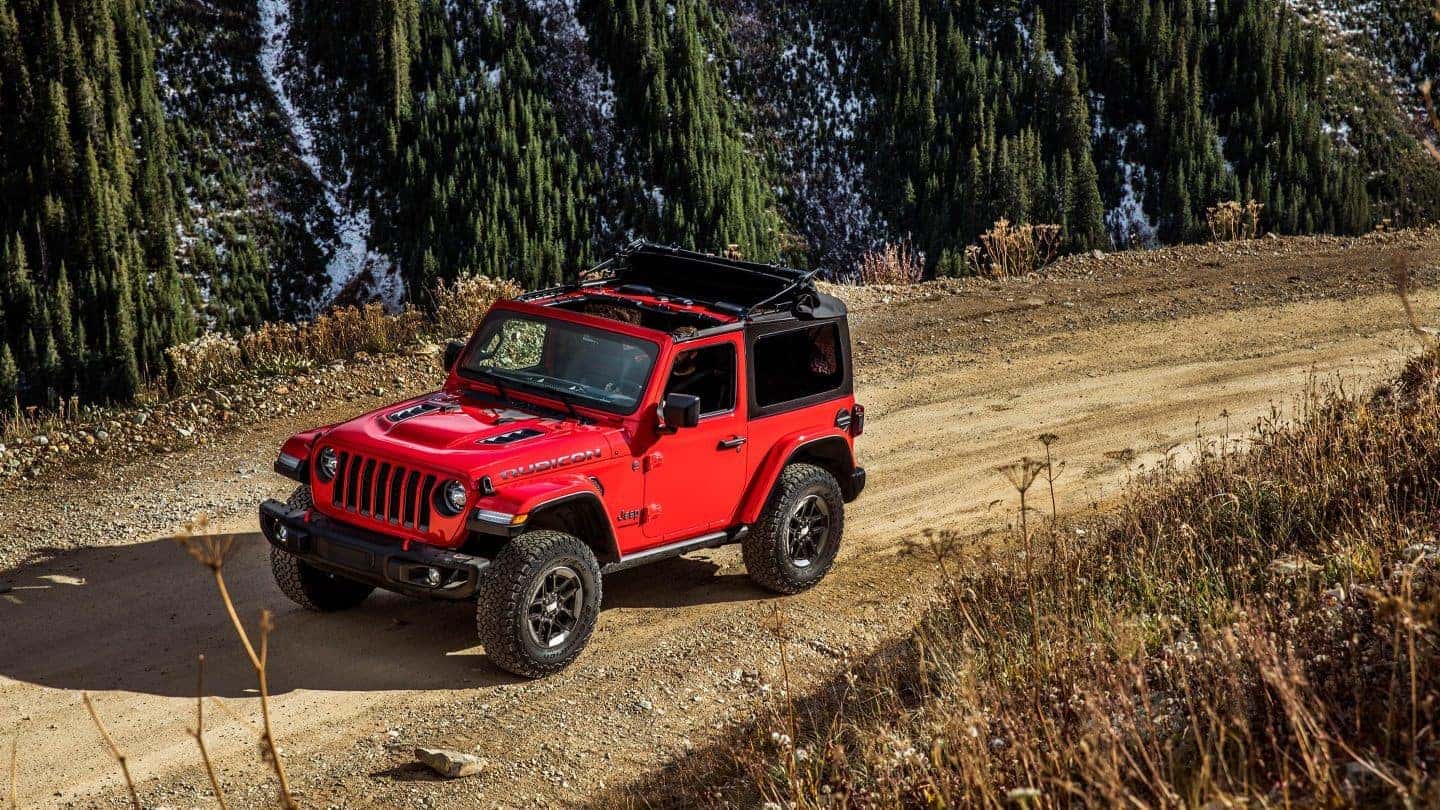
- Rubicon Trail (California): The Wrangler Rubicon is named after this legendary route and is one of the few factory SUVs that can complete the trail without major modifications.
- Moab, Utah: Home to some of the world’s toughest rocks. Trail Rated Jeeps are popular here for their articulation and traction.
- Winter storms: Owners in snowy states often choose Trail Rated models for their ability to keep moving when roads are icy or deep with snow.
Interestingly, some drivers report that Trail Rated Jeeps handle “everyday” hazards—like high curbs, deep potholes, or steep driveways—better than regular SUVs.
Common Mistakes When Choosing A Trail Rated Jeep
Many buyers make these errors:
- Assuming all Jeeps are Trail Rated: Only certain trims and packages qualify.
- Ignoring tire type: Even Trail Rated Jeeps need the right tires for the terrain.
- Forgetting about approach and departure angles: Bigger wheels or aftermarket bumpers can change these and reduce off-road ability.
- Skipping maintenance: Off-road driving is tough on suspension and underbody parts—regular checks are important.
- Not checking the owner’s manual: Each model has specific water fording and ground clearance limits.
A little research and careful inspection go a long way in getting the most from your Trail Rated Jeep.

The Evolution Of Trail Rated: Past, Present, And Future
The Trail Rated system started in 2004, when Jeep wanted a clear way to show which models were truly off-road ready. Over time, the tests have grown more advanced, with new technology like Selec-Terrain and air suspension improving performance.
Today, even smaller models like the Renegade and Compass can earn the badge, thanks to smart engineering and lighter materials. Looking ahead, Jeep is exploring electric and hybrid Trail Rated vehicles, aiming for off-road ability with lower emissions. The 4xe plug-in hybrid Wrangler, for example, is Trail Rated and can drive on electric power alone for short distances.
How Trail Rated Compares To Other Off-road Badges
Some brands have their own off-road badges, like Toyota’s TRD Pro or Land Rover’s Terrain Response. However, Jeep’s Trail Rated system is unique for its focus on real-world testing and for covering a wide range of vehicle sizes.
Here’s a quick comparison:
| Brand | Badge | Testing Focus | Available Models |
|---|---|---|---|
| Jeep | Trail Rated | Traction, Water, Maneuverability, Articulation, Clearance | Wrangler, Grand Cherokee, Cherokee, Renegade, Compass |
| Toyota | TRD Pro | Suspension, Tires, Skid Plates | 4Runner, Tacoma, Tundra |
| Land Rover | Terrain Response | Selectable Drive Modes | Discovery, Defender |
Each system has strengths, but Trail Rated is especially trusted among American off-roaders for its thorough approach and long history.
Frequently Asked Questions
<!– wp:rank-math/faq-block {"questions":[{"id":"faq-question-ae8804d6a65e","title":"What Is The Trail Rated Badge?","content":"The Trail Rated badge is a sign that a Jeep has passed tough tests for off-road performance. It covers traction, water fording, maneuverability, articulation, and ground clearance. Only certain Jeep models and trims earn this badge.
“,”visible”:true},{“id”:”faq-question-6bcb079327ce”,”title”:”Which Jeep Models Are Trail Rated?”,”content”:”Popular Trail Rated models include the Wrangler Rubicon, Grand Cherokee Trailhawk, Cherokee Trailhawk, Renegade Trailhawk, and Compass Trailhawk. Always check for the badge and review the specs before buying.
“,”visible”:true},{“id”:”faq-question-d9a39ddc75ab”,”title”:”Can I Make My Non-trail Rated Jeep Trail Rated?”,”content”:”While you can add some off-road parts, only Jeeps tested and certified by the factory can carry the official Trail Rated badge. Aftermarket upgrades may help, but they don’t guarantee the same performance.
“,”visible”:true},{“id”:”faq-question-58aab8e9d9b7″,”title”:”Does The Trail Rated Badge Affect Resale Value?”,”content”:”Yes, Trail Rated Jeeps often hold their value better. Buyers trust the badge for real off-road ability, and these models are in higher demand among adventure seekers.
“,”visible”:true},{“id”:”faq-question-386ac6e06193″,”title”:”Where Can I Learn More About Jeep’s Trail Rated System?”,”content”:”For more details, visit the official Jeep Trail Rated page. It offers videos, specs, and more about each model.
The Trail Rated badge is more than a logo—it’s a promise of performance, adventure, and durability. Whether you’re heading off the beaten path or just want a vehicle that’s ready for anything, a Trail Rated Jeep can give you confidence, value, and a lot of fun along the way.
“,”visible”:true}]} –>What Is The Trail Rated Badge?
The Trail Rated badge is a sign that a Jeep has passed tough tests for off-road performance. It covers traction, water fording, maneuverability, articulation, and ground clearance. Only certain Jeep models and trims earn this badge.
Which Jeep Models Are Trail Rated?
Popular Trail Rated models include the Wrangler Rubicon, Grand Cherokee Trailhawk, Cherokee Trailhawk, Renegade Trailhawk, and Compass Trailhawk. Always check for the badge and review the specs before buying.
Can I Make My Non-trail Rated Jeep Trail Rated?
While you can add some off-road parts, only Jeeps tested and certified by the factory can carry the official Trail Rated badge. Aftermarket upgrades may help, but they don’t guarantee the same performance.
Does The Trail Rated Badge Affect Resale Value?
Yes, Trail Rated Jeeps often hold their value better. Buyers trust the badge for real off-road ability, and these models are in higher demand among adventure seekers.
Where Can I Learn More About Jeep’s Trail Rated System?
For more details, visit the official Jeep Trail Rated page. It offers videos, specs, and more about each model.
The Trail Rated badge is more than a logo—it’s a promise of performance, adventure, and durability. Whether you’re heading off the beaten path or just want a vehicle that’s ready for anything, a Trail Rated Jeep can give you confidence, value, and a lot of fun along the way.