Replacing Your Jeep Tj Steering Wheel: A Comprehensive Guide
The steering wheel is your direct connection to your Jeep TJ. Over time, wear and tear can make it less comfortable, less grippy, and sometimes even unsafe.
Whether your original wheel is cracked, faded, or you're simply looking for an upgrade to enhance your driving experience and interior aesthetics, replacing the steering wheel on a Jeep TJ is a manageable DIY project.
This guide will walk you through the process step-by-step, covering everything from understanding why you might need a new wheel to the tools required and the actual replacement procedure.
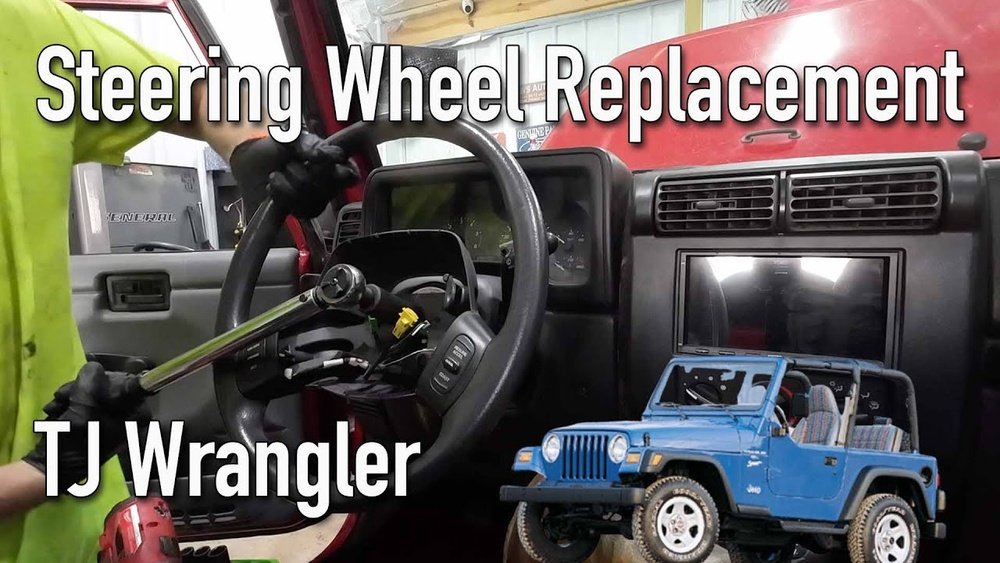
Jeep TJs, produced from 1997 to 2006, are known for their ruggedness and off-road capability. The steering wheel, a crucial component for control, can suffer from sun damage, leading to cracking and peeling.
A worn steering wheel can also become slippery, reducing your grip, especially in wet conditions or during demanding off-road maneuvers.
Beyond functionality, a new steering wheel can dramatically improve the look and feel of your TJ’s interior, giving it a fresh, more modern appearance.
This project requires some mechanical aptitude and the right tools. Safety is paramount, especially when working with the airbag system if your TJ is equipped with one.
Always disconnect the battery before starting any work on the steering wheel. This guide aims to provide clear, actionable advice for a successful replacement, ensuring you can confidently get your Jeep back on the road or trail with a new, reliable steering wheel.
Why Replace Your Jeep Tj Steering Wheel?
Several reasons might prompt you to consider a Jeep TJ steering wheel replacement. Understanding these reasons can help you decide if it’s time for an upgrade.
Wear And Tear
The most common reason for replacement is simply age and use. Over years of exposure to sunlight, heat, and constant contact with hands, the original steering wheel material can degrade. This degradation often manifests as:
- Cracking and Peeling: The outer layer of the steering wheel, often made of urethane or leather, can crack, split, and peel away. This not only looks bad but can leave sharp edges that are uncomfortable to touch.
- Fading and Discoloration: Prolonged UV exposure can cause the steering wheel to fade significantly, losing its original color and often becoming chalky.
- Loss of Grip: The textured surface of the original wheel can wear smooth over time, making it slippery. This is particularly concerning for off-road driving where a firm grip is essential for control.
- Worn Horn Pad: The horn pad area can become indented or worn from frequent use, making it less responsive or aesthetically displeasing.
Comfort And Ergonomics
While the factory steering wheel was designed for general use, it might not suit everyone’s preferences. Upgrading can offer improved comfort and ergonomics:
- Thicker or Thinner Grips: Aftermarket wheels come in various diameters and thicknesses. You might prefer a thicker grip for a more substantial feel or a thinner one if you have smaller hands.
- Material Options: Beyond the standard materials, you can find wheels made from perforated leather, suede, or even stylish wood grain finishes. These can offer a more premium feel and better grip.
- Contoured Designs: Some aftermarket wheels feature ergonomic contours that are designed to fit your hands more naturally, reducing fatigue on long drives.
Aesthetic Upgrades
The steering wheel is a focal point of your Jeep’s interior. Replacing it can be a significant interior styling upgrade:
- Modern Look: A new steering wheel can instantly modernize the interior of an older Jeep TJ.
- Customization: You can choose a steering wheel that matches your interior theme, whether it’s rugged and off-road focused or more refined and street-oriented.
- Color Matching: Many aftermarket options are available in different colors, allowing you to coordinate with your seats, dashboard, or exterior paint.
Functionality And Features
Some replacements offer added functionality:
- Aftermarket Steering Wheel Controls: While less common for TJs compared to modern vehicles, some custom setups might integrate audio or other controls.
- Quick Release Hubs: For serious off-roaders or those who want to remove their steering wheel for security, a quick-release hub can be a useful addition, though this is a more involved modification.
Tools And Materials Needed For Replacement
Before you begin the Jeep TJ steering wheel removal and installation, gather all the necessary tools and materials. Having everything ready will make the process smoother and prevent interruptions.
Essential Tools
- Socket Set: You’ll need various metric and possibly SAE sockets. Key sizes often include 10mm, 13mm, 15mm, and 5/8 inch.
- Ratchet Wrench: For easily turning sockets.
- Torque Wrench: Crucial for tightening the steering wheel nut to the correct specification. This prevents the wheel from becoming loose and ensures safety.
- Screwdrivers: Both Phillips and flathead screwdrivers will be needed for various trim pieces and potentially airbag module screws.
- Pry Tool Set (Plastic): These are essential for safely removing trim panels without scratching or damaging them.
- Steering Wheel Puller: This is a critical tool. While some steering wheels might slide off with a bit of wiggling, most are press-fit onto the steering column splines and require a puller. Attempting to force it off without one can damage the steering column or the wheel itself.
- Allen Wrenches (Hex Keys): Often needed for airbag module retaining screws.
- Wire Strippers/Crimpers (Optional): If you’re installing a steering wheel with aftermarket wiring for features like cruise control or audio buttons, you might need these.
- Adjustable Wrench: For various nuts and bolts.
Materials And Replacement Parts
- New Steering Wheel: Ensure it’s compatible with your Jeep TJ model year. Some aftermarket wheels come with a specific hub adapter.
- Steering Wheel Hub Adapter (If needed): Not all aftermarket wheels bolt directly to the TJ column. A hub adapter bridges the gap between the steering column splines and the steering wheel bolt pattern. It’s vital to get the correct one for your TJ.
- Horn Button/Horn Ring: This is often part of the new steering wheel or a separate component that attaches to it.
- Steering Wheel Nut: Sometimes the original nut can be reused, but it’s good practice to have a new one on hand, especially if the old one is damaged or if the torque specification requires a new nut.
- Wiring Harness (If applicable): For steering wheels with integrated electronics.
- Anti-seize Lubricant: For threads, to make future removal easier.
- Shop Rags and Cleaner: For cleaning the area before and after installation.
Safety Gear
- Safety Glasses: Protect your eyes from debris.
- Gloves: Protect your hands and improve grip.
- Anti-static Wrist Strap (Recommended if working with airbags): To prevent static discharge that could accidentally deploy the airbag.
Pro Tip: Before you buy a new steering wheel, research its compatibility with your specific TJ model year. Also, check if it requires a separate hub adapter, as this is a common requirement for aftermarket wheels and needs to be purchased along with the wheel itself.
Step-by-step Steering Wheel Replacement Guide
Replacing your Jeep TJ steering wheel involves several careful steps. Rushing through any part of this process can lead to damage or safety issues.
1. Disconnect The Battery
This is the absolute first and most important step. To prevent accidental airbag deployment and electrical shorts, disconnect the negative (-) battery terminal. Use a wrench to loosen the nut on the negative terminal clamp, then carefully lift the clamp off the battery post and secure it away from the post so it cannot accidentally reconnect. Wait at least 10-15 minutes for any residual power in the airbag system to dissipate.
2. Remove The Steering Wheel Trim And Airbag Module (if Equipped)
- Locate Access Holes: On the back of the steering wheel, you’ll find small access holes or slots. These are designed to allow you to release the airbag module.
- Release Airbag Module: Insert a flathead screwdriver or a suitable Allen wrench into these holes. You’ll need to push or pry specific clips to release the airbag module from the steering wheel. There are usually two or three release points. Be gentle; these clips can be delicate.
- Carefully Lift Airbag Module: Once the clips are released, the airbag module will slightly lift away from the steering wheel. Do not pull it out completely. Gently disconnect the wiring harness connectors going to the airbag module. These connectors usually have a small locking tab that needs to be pressed or lifted. Once disconnected, carefully place the airbag module face-up in a safe location, away from your work area. Never place it face down, as this can cause the airbag to deploy upwards unexpectedly.
3. Remove The Steering Wheel Center Cap And Horn Components
With the airbag module removed, you'll see the central nut holding the steering wheel onto the steering column. If your TJ has a separate horn ring or button assembly, you may need to remove that now.
This often involves unscrewing a central piece or releasing clips.
4. Loosen And Remove The Steering Wheel Nut
You'll see a large nut (typically 15mm or 5/8 inch) securing the steering wheel to the steering column splines. Before loosening it completely, it's a good idea to thread it back on a few turns.
This will act as a stopper when you pull the steering wheel, preventing it from damaging the steering column threads or the turn signal canceling cam.
5. Use The Steering Wheel Puller
Now it’s time for the steering wheel puller. This tool typically has a frame that rests against the steering wheel and bolts that thread into the two threaded holes on the steering wheel hub (usually 7/16-inch fine thread for Jeeps).
- Attach the Puller: Screw the puller’s bolts into the designated holes on the steering wheel hub.
- Engage the Puller Bolt: Place the center bolt of the puller against the center of the steering column shaft (where the steering wheel nut was).
- Tighten the Puller Bolt: Slowly and steadily tighten the center bolt of the puller. As you tighten it, the puller will exert pressure, forcing the steering wheel off the steering column splines. You might hear a pop or a groan as it releases.
- Remove the Nut: Once the wheel is loose, remove the steering wheel nut completely. The steering wheel should now be free to be lifted off the column.
Important: If the wheel doesn’t budge, double-check that the nut is loosened sufficiently and that the puller is properly seated. Avoid excessive force, which could damage components.
6. Install The New Steering Wheel
- Clean the Column Splines: Before installing the new wheel, clean the splines on the steering column shaft with a rag and some degreaser. Ensure there’s no debris or old grease.
- Position the New Wheel: Carefully slide the new steering wheel onto the column splines. Ensure it’s oriented correctly. Many wheels have a specific clocking or indexing mark to ensure they are installed straight. If you’re unsure, temporarily place the old wheel back on to note its position or check the instructions for your new wheel.
- Install the Steering Wheel Nut: Thread the steering wheel nut onto the column shaft.
- Tighten the Nut (Initial): Tighten the nut snugly by hand or with a wrench.
- Center the Wheel: Ensure the steering wheel is perfectly straight. You can do this by visually aligning it or by placing the turn signal lever in its neutral position.
- Torque the Nut: This is a critical safety step. Use a torque wrench to tighten the steering wheel nut to the manufacturer’s specified torque. For a Jeep TJ, this is typically around 40-50 ft-lbs (foot-pounds). Consult your new steering wheel’s manual or a reliable Jeep TJ service manual for the exact specification. Overtightening can damage the column, while undertightening can lead to a loose steering wheel, which is extremely dangerous.
7. Reinstall The Airbag Module And Trim
- Reconnect Wiring: Carefully reconnect the wiring harness connectors to the airbag module. Ensure they click securely into place.
- Position Airbag Module: Align the airbag module with the steering wheel and gently press it into place until it snaps securely. You should feel or hear it click into position.
- Test Horn: Before reconnecting the battery, it’s a good time to test the horn. Gently press the horn button/pad. If it works, you’re on the right track.
8. Reconnect The Battery
Once the steering wheel and airbag module are securely installed, reconnect the negative (-) battery terminal. Tighten the clamp onto the battery post.
9. Final Checks
- Start the Engine: Start your Jeep TJ.
- Check Airbag Light: The airbag warning light should illuminate for a few seconds and then turn off. If it stays on, there might be an issue with the airbag module connection or the module itself. Consult a professional if this happens.
- Check Steering Wheel Straightness: Ensure the steering wheel is centered when driving straight. If it’s off, you may need to remove it and re-index it on the splines.
- Check Turn Signals: Test the turn signals to ensure the canceling mechanism works correctly.
- Test Drive: Take a short, careful test drive in a safe area to ensure the steering feels normal, the wheel is secure, and the horn works.
Warning: If you are uncomfortable with any part of this process, especially involving the airbag system, it is highly recommended to seek professional assistance from a qualified mechanic.
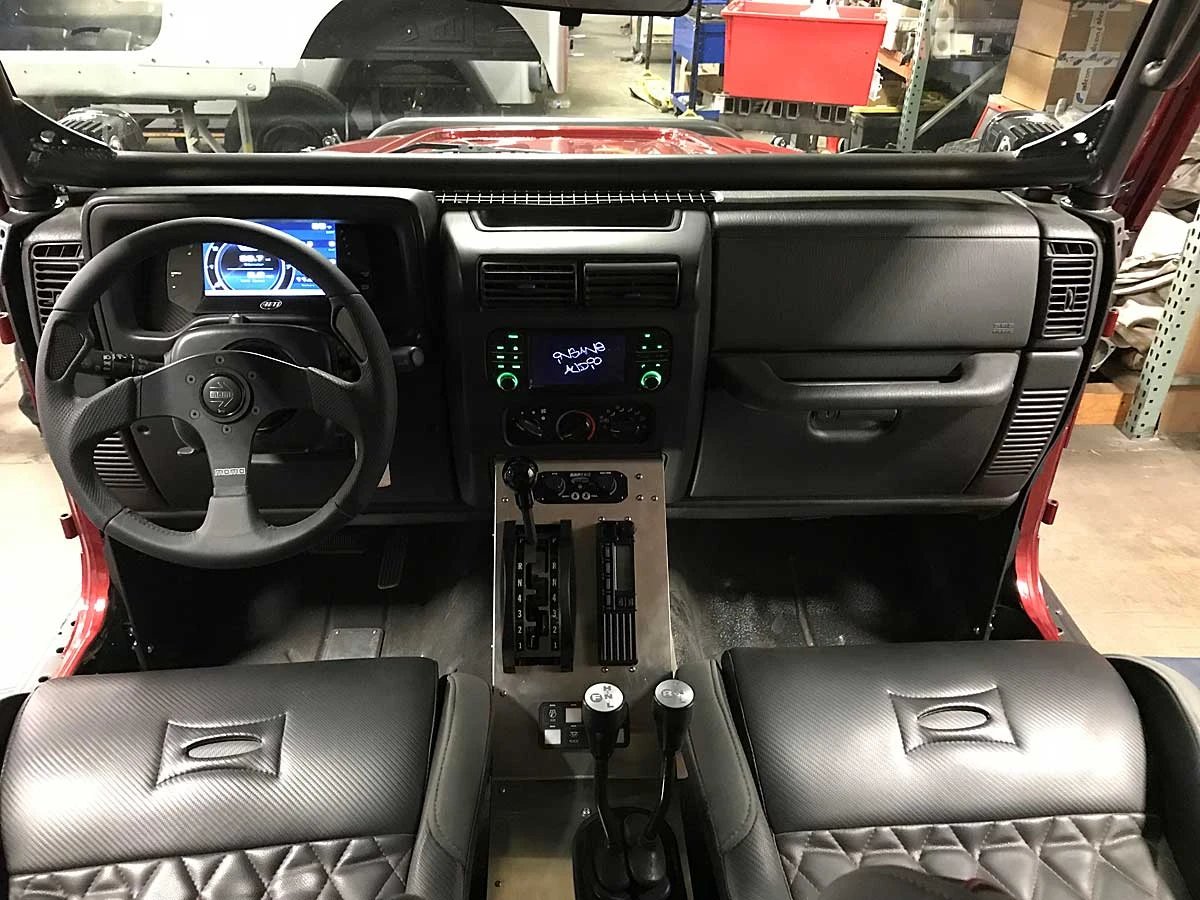
Choosing The Right Aftermarket Steering Wheel
Selecting a new steering wheel involves more than just picking a design you like. Several factors contribute to making the right choice for your Jeep TJ.
Material Matters
The material of your steering wheel directly impacts grip, comfort, and durability. Common options include:
- Leather: A popular choice offering a good balance of grip and comfort. It can be smooth or perforated. Perforated leather provides better breathability and a more secure grip, especially in warm weather. Over time, leather can wear, but high-quality leather can last for many years.
- Urethane: Often used in factory wheels, urethane is durable and resistant to UV damage. However, it can sometimes feel a bit hard and less luxurious than leather.
- Suede/Alcantara: These materials offer an excellent, race-inspired grip. They are soft to the touch but can be more prone to wear and require more



















