Enhancing Your Jeep Tj: The Removable Steering Wheel Advantage
The Jeep TJ Wrangler, a beloved icon for off-road enthusiasts, offers a unique blend of rugged capability and open-air freedom. For many owners, the desire to personalize and enhance their vehicle goes beyond just adding bigger tires or advanced suspension.
One modification that strikes a balance between practicality and a touch of flair is the removable steering wheel. This seemingly simple upgrade can offer surprising benefits, from improved security and easier access to a more customized driving experience.
But what exactly is a removable steering wheel, why might you consider one for your TJ, and what are the key factors to consider before making the switch?
This guide will explore the world of TJ removable steering wheels, covering their advantages, installation, types, and important considerations to help you decide if this mod is right for your build.
The appeal of a removable steering wheel on a Jeep TJ often stems from a combination of factors. For some, it’s about added security. In areas where vehicle theft is a concern, removing the steering wheel can be a highly effective deterrent, making the Jeep significantly harder to drive away. For others, it’s about convenience and accessibility. The ability to quickly remove the wheel can make getting in and out of a tightly configured Jeep easier, especially for drivers who might have larger builds or have installed aftermarket seats that reduce interior space. Beyond these practicalities, a removable steering wheel can also be a stylistic choice, offering a chance to introduce a different look and feel to the driver’s cockpit, often with aftermarket wheels that feature different materials, diameters, or spoke designs.
This modification isn’t just for show; it can genuinely improve the usability and security of your Jeep TJ. We’ll break down the different aspects of this modification, so you can make an informed decision.
Why Choose A Removable Steering Wheel For Your Jeep Tj?
The decision to install a removable steering wheel on your Jeep TJ is more than just a cosmetic one. It offers a range of practical benefits that can enhance your ownership experience. Let’s explore these advantages in detail.
Enhanced Security
One of the most compelling reasons for choosing a removable steering wheel is increased vehicle security. A standard steering wheel is permanently attached, making a Jeep an attractive target for thieves. With a removable wheel, you can simply detach it when you leave your vehicle unattended, especially in high-risk areas. This acts as a potent anti-theft device, as a thief would need not only to break into the vehicle but also to have the correct tools and knowledge to remove the steering column or bypass the quick-release mechanism. While no anti-theft system is foolproof, a removable steering wheel adds a significant layer of difficulty for potential car thieves, often deterring them before they even attempt a break-in. This is particularly valuable for Jeep owners who frequently park their vehicles in public lots or remote locations.
Improved Accessibility And Egress
Jeep TJs, especially those heavily modified for off-roading, can sometimes have a snug interior. Aftermarket seats, roll cages, and other additions can make it a tighter squeeze to get in and out of the driver’s seat. A removable steering wheel can dramatically improve accessibility and egress. With a quick-release system, you can remove the wheel in seconds, creating a much larger opening to slide into or out of the driver’s seat. This is a huge benefit for drivers who find it physically challenging to maneuver into their Jeep, or for those who simply appreciate the ease of entry and exit. It can also be helpful for maintenance tasks that require more room to work around the steering column.
Customization And Ergonomics
Beyond security and accessibility, removable steering wheels offer a fantastic opportunity for customization. Aftermarket steering wheels come in a vast array of styles, materials, and sizes. You can choose a wheel that better suits your aesthetic preferences or offers improved ergonomics. Perhaps you prefer a smaller diameter wheel for a sportier feel, or a thicker grip for more comfort during long drives. Materials like leather, suede, or even billet aluminum can change the tactile experience of driving. The quick-release hub itself can also add a performance-oriented look to your interior. This allows you to tailor the driving interface to your specific needs and tastes, making your TJ feel more like your own.
Easier Maintenance And Component Access
In some instances, removing the steering wheel can provide easier access to components located behind it or within the steering column. While not the primary reason for most TJ owners, it can be a helpful factor during certain maintenance or upgrade procedures. For example, accessing wiring harnesses, the ignition switch, or even performing certain dashboard repairs might be slightly simplified with the steering wheel out of the way. This is a secondary benefit, but one that can be appreciated by DIY mechanics.

Types Of Removable Steering Wheel Systems For Jeep Tjs
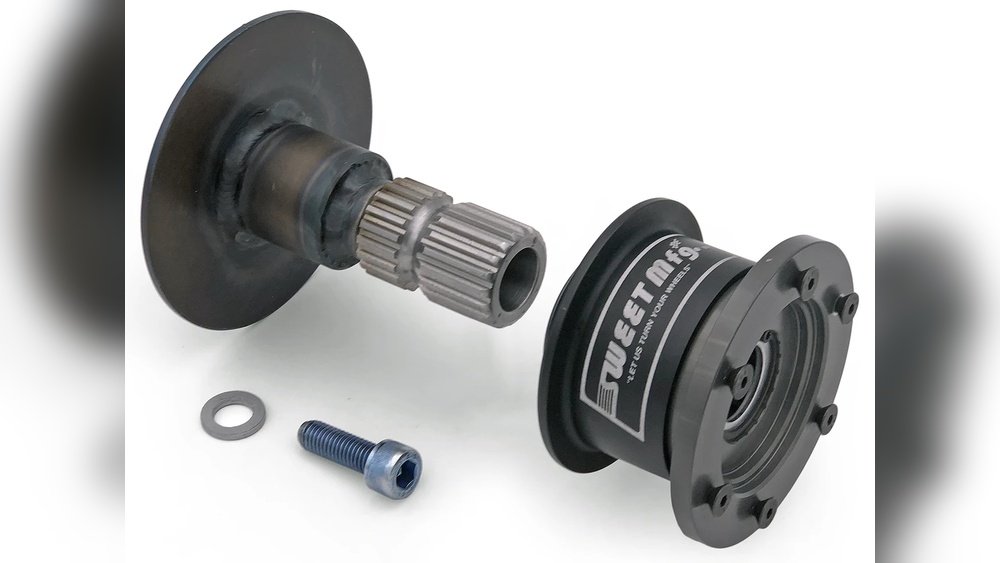
When you decide to go with a removable steering wheel for your Jeep TJ, you’ll encounter different types of systems. Understanding these will help you choose the one that best fits your needs and budget. The core components are typically a steering wheel and a steering wheel adapter hub. The quick-release mechanism is usually integrated into the hub or between the hub and the wheel.
Standard Quick-release Hubs
These are the most common type. A splined hub adapter bolts to your Jeep’s steering column. This hub has a specific mechanism that allows a compatible steering wheel to attach securely, often with a simple push or twist. The quick-release mechanism is typically a spring-loaded collar or a set of locking pins.
- Mechanism: Usually involves a splined shaft on the hub that engages with a matching splined receiver on the steering wheel. A locking collar or pins ensure the wheel stays attached during driving.
- Materials: Commonly made from aluminum or steel for durability.
- Brands: Popular brands include Grant, NRG Innovations, MOMO, and Sparco, among others.
- Considerations: Ensure the hub is compatible with your specific TJ model year and any existing steering column modifications.
Billet Aluminum Quick-release Mechanisms
These are often high-end options, prized for their strength, precision, and aesthetic appeal. Billet aluminum is machined from a solid block of aluminum, resulting in a very strong and lightweight component. These mechanisms often feature a more robust locking system and a sleeker look.
- Mechanism: Similar splined engagement but with tighter tolerances and often a more positive locking action, sometimes using ball bearings or advanced pin designs.
- Materials: High-grade billet aluminum.
- Brands: Many high-performance aftermarket steering wheel companies offer billet quick-release options.
- Considerations: Typically more expensive than standard steel or cast aluminum hubs.
Collapsible Steering Columns
While not strictly a “removable steering wheel” in the same sense, some aftermarket steering columns are designed to collapse in an impact, offering an added layer of safety. These often incorporate a quick-release mechanism as part of their design.
- Mechanism: Designed to absorb energy by collapsing or deforming under impact, reducing the risk of steering column intrusion into the driver’s compartment.
- Materials: Often a combination of steel and specialized energy-absorbing components.
- Brands: Companies specializing in safety and racing components.
- Considerations: These are a more significant modification, often more expensive, and may have specific installation requirements. They are primarily for safety-conscious builders.
Steering Wheel Designs To Consider
When choosing a removable steering wheel, you’ll also need to consider the wheel itself:
- Diameter: Standard TJ wheels are around 15 inches. Smaller wheels (13-14 inches) can offer a sportier feel and quicker steering response, while larger wheels (16+ inches) can provide more leverage and comfort for some drivers.
- Grip Material: Options include leather (comfortable, good grip), suede/Alcantara (excellent grip, especially with gloves, but can wear faster), and polyurethane (durable, easy to clean).
- Dish: Some wheels have a “dish,” meaning they sit closer to the driver. Flat wheels sit further away. This affects your driving position.
- Spoke Design: 2-spoke, 3-spoke, and 4-spoke designs are common, affecting visibility of the gauge cluster.
A common setup for a Jeep TJ would involve purchasing a steering wheel adapter hub designed for your TJ’s specific steering column spline count, a quick-release mechanism (often integrated into the hub or a separate component that bolts between the hub and wheel), and finally, your chosen steering wheel.
Installation Process: A Step-by-step Overview
Installing a removable steering wheel on your Jeep TJ is a project that many DIY enthusiasts can tackle. However, it requires careful attention to detail, especially concerning safety features like the airbag system (if your TJ has one) and the clock spring.
Disclaimer: This guide provides general information. Always refer to the specific instructions provided by the manufacturer of your steering wheel, hub, and quick-release mechanism. If you are uncomfortable with any part of this process, it is highly recommended to seek professional installation. Working on steering and airbag systems can be dangerous if not done correctly.
Tools And Materials You’ll Need:
- Steering wheel puller (essential for removing the factory wheel)
- Socket set (metric and possibly SAE)
- Ratchet and extensions
- Torque wrench
- Screwdrivers (Phillips and flathead)
- Pliers
- Wire cutters/strippers (if any wiring modifications are needed)
- Shop towels or rags
- Safety glasses
- Gloves
- Your new steering wheel, quick-release hub, and any necessary hardware.
Step-by-step Installation Guide:
- Disconnect the Battery: This is the most critical safety step. Before touching anything related to the steering wheel or airbag, disconnect the negative terminal of your Jeep’s battery. Wait at least 15-30 minutes to allow any residual power in the airbag system to dissipate. Failure to do this can result in accidental airbag deployment, which can cause serious injury.
- Remove the Factory Steering Wheel:
- Locate the bolts or access holes on the back or sides of your steering wheel. These are usually for the airbag module.
- Carefully remove the airbag module. It will likely be held in place by clips or bolts. Gently pry or unbolt it and set it aside, face up, away from any potential hazards. Do not disconnect the airbag wiring harness yet, as this can sometimes trigger a fault code.
- Once the airbag is out of the way, you’ll see a large central nut holding the steering wheel to the steering column.
- Use a socket wrench to remove this nut. Do not remove it completely yet, leave it threaded on a few turns. This prevents the steering wheel from flying off unexpectedly when you use the puller.
- Attach the steering wheel puller to the steering wheel, usually by screwing bolts into the threaded holes on the wheel’s hub.
- Slowly and evenly tighten the center bolt of the puller. This will apply pressure and force the steering wheel off the splined shaft.
- Once the wheel is loose, remove the center nut completely.
- Gently remove the steering wheel. Be mindful of the clock spring (a coiled ribbon cable that connects the steering wheel controls and airbag to the rest of the vehicle). Do not let the clock spring spin freely; it can be damaged. If it rotates, gently try to bring it back to its original position.
- Remove the Factory Hub/Clock Spring Assembly (if necessary):
- Your TJ’s steering column will have a factory hub and clock spring assembly. Depending on your aftermarket hub, you may need to remove this entirely or just the outer steering wheel.
- Follow the instructions for your specific aftermarket hub. Some hubs are designed to mount directly over the existing clock spring, while others require its removal.
- If removing the clock spring, be extremely careful not to damage the ribbon cable. Note its orientation before removal.
- Install the Aftermarket Hub Adapter:
- Slide the new hub adapter onto the steering column splines. Ensure it is oriented correctly.
- Tighten the hub onto the column using the provided hardware. Some hubs use a large nut, while others use smaller bolts.
- Crucially, torque this nut or bolts to the manufacturer’s specifications. An improperly tightened hub can be extremely dangerous.
- Install the Quick-Release Mechanism:
- If your quick-release is a separate piece, attach it to the hub adapter according to the manufacturer’s instructions. This often involves bolting it on with specific hardware.
- Ensure the quick-release mechanism is oriented correctly so that the steering wheel will mount properly and any horn buttons or other functions will align.
- Mount the New Steering Wheel:
- Align the steering wheel with the splines on the quick-release mechanism.
- Gently push the steering wheel onto the mechanism.
- Follow the manufacturer’s instructions for locking the wheel into place. This might involve a push, a twist, or engaging a locking pin.
- Install any horn buttons or center caps.
- Reconnect and Test:
- Before reconnecting the battery, ensure all wiring is tidy and secured. If you had to disconnect the clock spring, ensure it’s correctly reinstalled and hasn’t spun.
- Reconnect the negative battery terminal.
- Turn the ignition key to the “ON” position (without starting the engine). Check if any warning lights related to the airbag or steering system illuminate and then turn off as expected. If an airbag light stays on, there might be an issue with the clock spring or airbag wiring.
- Start the engine. Check if the horn works (if applicable).
- With the engine running, carefully test the quick-release mechanism by gently trying to turn the steering wheel. It should feel securely locked.
- Turn the steering wheel lock-to-lock to ensure there are no binding issues and that the clock spring is functioning correctly.
- If everything checks out, you can take your TJ for a short, slow test drive in a safe area.
Important Considerations During Installation:
- Clock Spring: This component is vital for your airbag and horn. Handle it with extreme care. If it gets damaged, you’ll need to replace it. Some quick-release systems are designed to work with the factory clock spring, while others may require modifications or replacement.
- Airbag System: If your TJ has an airbag, always disconnect the battery and wait. If you are unsure about working with airbags, consult a professional. Airbag warning lights can be persistent and require specialized tools to clear if triggered incorrectly.
- Horn Wiring: Most aftermarket steering wheels require you to wire up the horn. This usually involves connecting wires from the horn button to the quick-release