The Jeep TJ Wrangler is an iconic vehicle, known for its rugged capability and off-road prowess. However, like any vehicle, it can develop its own set of quirks and issues over time.
One of the most common and often frustrating problems Jeep TJ owners face is rear wheel bearing noise. This noise can range from a subtle hum to a loud grinding, and it's a clear indicator that something isn't right with your rear axle.
Ignoring it can lead to more serious damage and costly repairs.
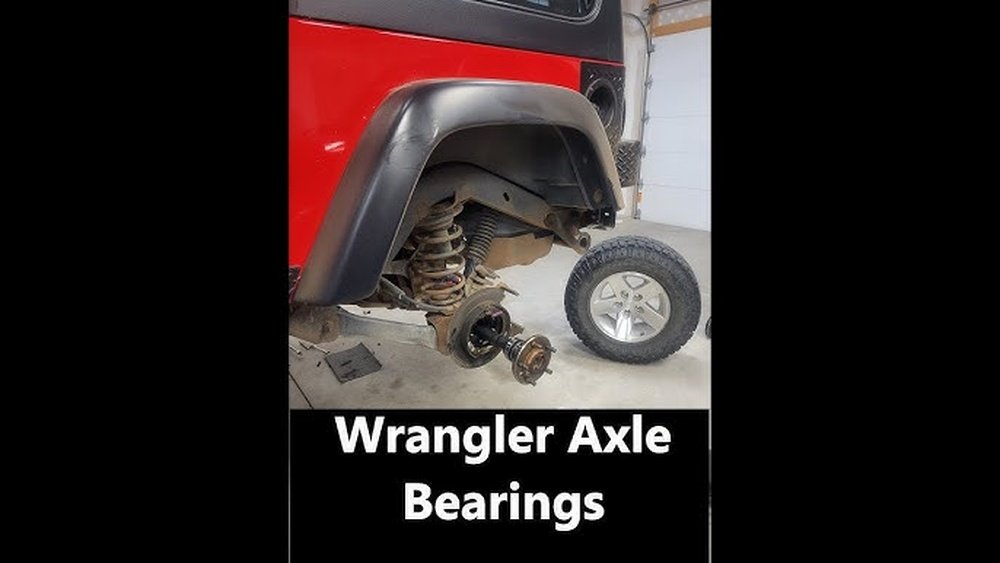
Understanding the source of this noise is crucial for any TJ owner. It's not just about the annoyance; it's about maintaining the safety and performance of your Jeep.
This guide will explore the various causes of rear wheel bearing noise in a Jeep TJ, how to diagnose them, and what steps you can take to fix the problem.
We’ll cover everything from identifying the specific type of noise to understanding the components involved and the repair process itself. Whether you’re a seasoned mechanic or a DIY novice, this information will help you get your TJ back to its quiet, reliable self.
Understanding The Rear Wheel Bearing System In A Jeep Tj
The rear axle of a Jeep TJ is a critical component, housing the differential and drive shafts that send power to the rear wheels. At each rear wheel, a wheel bearing assembly allows the wheel to rotate smoothly while supporting the weight of the vehicle. In a TJ, the rear axle is typically a Dana 35 or Dana 44, depending on the model and options. These axles use a full-floating design, meaning the axle shaft itself doesn’t carry the vehicle’s weight; that job falls to the wheel bearing.
The wheel bearing is a precision-engineered part, usually consisting of two tapered roller bearings (an inner and an outer) and a seal. These bearings are packed with grease to ensure lubrication and prevent contaminants from entering. They are mounted on the axle housing and held in place by a spindle or axle tube. The axle shaft then slides through the center of the bearing and connects to the wheel hub.
When a wheel bearing starts to fail, the closely tolerance surfaces within the bearing begin to wear down. This wear creates excessive play or looseness in the wheel hub. This looseness is what typically manifests as noise, vibrations, or even a wobbly wheel.
Components Involved
- Wheel Bearing: The core component that allows the wheel to spin freely. TJs typically have two bearings per rear wheel.
- Wheel Seal: A rubber or felt seal that keeps grease in and dirt out of the bearing assembly. A damaged seal is a common precursor to bearing failure.
- Axle Shaft: The shaft that transmits power from the differential to the wheel hub. While the bearing is the primary noise source, a damaged axle shaft can sometimes contribute.
- Axle Housing: The main structure of the rear axle that holds the differential and supports the bearings.
- Spindle/Axle Tube: The part of the housing that the wheel bearing rides on. Wear here can also cause issues.
- Hub: The part that attaches to the axle shaft and the wheel.
Common Causes Of Rear Wheel Bearing Noise In A Jeep Tj
Several factors can lead to a noisy rear wheel bearing in your Jeep TJ. Understanding these causes will help you pinpoint the issue and take the correct action.
1. Worn-out Wheel Bearings
This is the most common reason for noise. Over time, miles of driving, especially under heavy loads or off-road conditions, cause the internal rollers and races of the bearing to wear down. The grease can also break down or become contaminated with water and dirt, reducing its lubricating properties. As the bearing wears, it develops play, allowing the wheel to move slightly out of its intended position. This movement causes the metal components within the bearing to grind or hum against each other.
2. Contaminated Or Degraded Grease
The grease inside the wheel bearing is essential for its longevity. If the wheel seal fails or is damaged, water, mud, or other debris can enter the bearing. This contamination mixes with the grease, turning it into an abrasive paste that rapidly destroys the bearing surfaces. Similarly, extreme heat can cause the grease to break down, losing its lubricating effectiveness.
3. Damaged Wheel Seals
As mentioned, the wheel seal is a critical barrier. If the seal is cracked, torn, or hardened due to age and heat, it will no longer effectively keep contaminants out or grease in.
This leads to accelerated wear on the wheel bearing.
Sometimes, the seal can be damaged by improper installation or by a rough surface on the axle shaft or housing it seals against.
4. Improper Installation Or Assembly
If the rear wheel bearings were recently replaced, an improper installation can cause premature failure. This could include:
- Over-tightening or under-tightening the axle nut.
- Damaging the bearing races during installation.
- Not properly cleaning the spindle or axle housing before installation.
- Using the wrong type or amount of grease.
5. Axle Shaft Issues
While less common, problems with the axle shaft itself can sometimes contribute to noise. If the shaft is bent, worn down where the bearing rides, or if the splines are damaged, it can cause uneven wear on the bearing or create its own noise.
6. Spindle Or Axle Housing Wear
The surface of the axle housing or spindle where the bearing rides must be smooth and free of damage. If this surface is pitted, grooved, or worn down, the bearing will not seat correctly, leading to premature failure and noise.
This can happen due to prolonged bearing failure or corrosion.

Diagnosing Rear Wheel Bearing Noise
Pinpointing the source of a noise can be tricky, as other components can produce similar sounds. However, there are specific tests you can perform to identify a bad rear wheel bearing on your Jeep TJ.
1. Listening For The Noise
Pay close attention to when the noise occurs. Does it happen at certain speeds? Does it change when you turn?
- Speed-Dependent Noise: Wheel bearing noise often becomes more pronounced as speed increases. You might hear a hum, growl, or whine that gets louder and faster with your vehicle’s speed.
- Turning Changes: A classic sign of a failing wheel bearing is a change in noise when turning.
- Turning Right: If the noise gets louder when turning right, the left rear wheel bearing is likely the culprit. This is because turning right puts more load on the left side of the vehicle.
- Turning Left: Conversely, if the noise gets louder when turning left, the right rear wheel bearing is probably failing, as it’s now under more load.
- Straight Driving: The noise might be constant when driving straight, but it will change pitch or volume when you turn.
2. The “wiggle Test” (jacked Up)
This is a crucial diagnostic step. You’ll need to safely lift the rear of your Jeep TJ using a jack and support it with jack stands.
- Lift the Vehicle: Ensure the rear axle is off the ground.
- Grip the Tire: Firmly grasp the tire at the top and bottom.
- Wiggle: Try to rock the tire in and out. You should feel for any play or looseness. If you can feel or hear any knocking or clunking as you wiggle, this is a strong indication of a worn wheel bearing or loose axle.
- Repeat for the Other Side: Perform the same test on the opposite rear wheel.
- Check for Play: Compare the amount of play between the two sides. A noticeable difference, or significant play on one side, points to a problem on that side.
3. Spinning The Wheel
While the wheel is off the ground, spin it by hand.
- Listen for Grinding: Try to listen for any grinding, rumbling, or clicking sounds as the wheel rotates.
- Feel for Roughness: Sometimes, you can feel a rough sensation or resistance as you spin the wheel, indicating internal bearing damage.
4. Differentiating From Other Noises
It’s important to rule out other potential sources of noise:
- Differential Noise: A worn differential will usually make noise that changes more drastically with acceleration and deceleration, and it might sound more like a clunk or whine from the center of the axle.
- Brake Issues: A dragging brake pad or a warped rotor can cause scraping or grinding noises, but these often change more directly with brake application.
- Exhaust Leaks: Some exhaust leaks can sound like a ticking or hissing noise, but they are typically not speed-dependent in the same way as bearing noise.
- Tire Noise: Uneven tire wear can cause humming or droning sounds, but these usually don’t change significantly with turning.
Pro Tip: If you’re unsure, try removing the wheel and brake drum/rotor assembly. This allows you to get a better feel for the axle shaft and bearing area. You can also try rotating the axle shaft itself by hand (if the differential is open and you can turn one wheel). Any roughness or binding felt here, or any significant play in the axle shaft within the housing, strongly suggests a bearing issue.
The Repair Process: Replacing A Jeep Tj Rear Wheel Bearing
Replacing a rear wheel bearing on a Jeep TJ is a moderately difficult task that requires specific tools and a good understanding of the process. If you’re not comfortable with this level of repair, it’s best to take it to a qualified mechanic.
Tools And Parts Needed
- New Wheel Bearing Kit: This should include the bearings (inner and outer), seals, and sometimes a new nut and washer. Ensure it’s the correct kit for your TJ’s rear axle (Dana 35 or Dana 44).
- Axle Nut Socket: A large socket (often 1-1/2 inch or similar) to remove the axle nut.
- Torque Wrench: Essential for correctly tightening the axle nut.
- Breaker Bar: For loosening stubborn nuts.
- Pry Bars: For removing seals and separating components.
- Hammer and Punch: For driving out old bearings and seals.
- Bearing Packer (Optional but Recommended): To properly pack the new bearings with grease.
- Grease: High-quality wheel bearing grease.
- Brake Cleaner: For cleaning parts.
- Jack and Jack Stands: For safely lifting the vehicle.
- Wheel Chocks: To prevent the vehicle from rolling.
- Gloves and Safety Glasses: For personal protection.
- Axle Seal Puller (Optional): Can make seal removal easier.
- Bearing Race Driver Set (Optional but Recommended): For installing new bearing races if they are separate from the bearing assembly.
Step-by-step Replacement Guide
- Prepare the Vehicle: Park the Jeep on a level surface, engage the parking brake, and chock the front wheels. Loosen the lug nuts on the rear wheels slightly.
- Lift and Support: Jack up the rear of the Jeep and securely place jack stands under the axle housing. Remove the rear wheels.
- Remove Brake Assembly: Carefully remove the brake caliper and rotor. For drum brakes, remove the drum. You may need to disconnect the brake line if it obstructs access, but try to avoid this if possible.
- Remove Axle Shaft: Locate the bolts holding the axle shaft retaining plate (usually 4-6 bolts) on the back of the axle housing. Remove these bolts. You might need to gently tap the end of the axle shaft with a hammer to break it free. Carefully slide the axle shaft out of the housing. Be prepared for a small amount of gear oil to leak out.
- Remove Axle Nut and Washer: You will now see the large axle nut. Use a breaker bar and the correct socket to remove it. Note any washers or spacers behind it.
- Remove Old Bearing and Seal: The wheel bearing is typically pressed onto the axle shaft. Sometimes, you can use a heavy-duty gear puller to remove the bearing. Alternatively, you might need to cut the old bearing off with a Dremel tool or an angle grinder, being extremely careful not to damage the axle shaft itself. Once the bearing is off, use a pry bar or seal puller to remove the old wheel seal from the end of the axle shaft.
- Clean and Inspect: Thoroughly clean the axle shaft, especially the surface where the new bearing and seal will sit. Inspect the shaft for any nicks, burrs, or wear marks. Also, clean the inside of the axle housing and the spindle area.
- Install New Seal: Lightly grease the new seal and carefully tap it into place on the end of the axle shaft using a socket or a seal driver. Ensure it’s seated evenly.
- Install New Bearing: Pack the new wheel bearing generously with grease. You can use a bearing packer tool or do it by hand, ensuring all the gaps between the rollers and cage are filled. Slide the greased bearing onto the axle shaft.
- Reinstall Axle Shaft: Carefully slide the axle shaft back into the axle housing. Ensure the splines engage correctly.
- Install New Nut and Washer: Reinstall any original washers or spacers, then thread on the new axle nut.
- Torque the Axle Nut: This is a critical step. The axle nut needs to be tightened to a specific torque, then backed off slightly, and then tightened again to a final torque. The exact procedure and torque values vary slightly between Dana 35 and Dana 44 axles, and sometimes even within models. Consult your Jeep TJ service manual for the precise torque specifications. Generally, it involves tightening to a high torque (e.g., 150-200 ft-lbs), then loosening, and finally tightening to a much lower torque (e.g., 40-60 ft-lbs) while rotating the shaft to seat the bearings, then potentially re-tightening to a specific final torque that aligns a washer hole with a slot in the nut for a cotter pin, or simply tightening to a specific preload. Incorrect tightening can quickly ruin a new bearing.
- Reinstall Brakes: Reassemble the brake caliper, rotor, and drum.
- Reinstall Wheel: Mount the tire and wheel, and tighten the lug nuts.
- Lower Vehicle: Remove the jack stands and lower the Jeep.
- Final Torque: Torque the lug nuts to specification.
- Test Drive: Take the Jeep for a short test drive, listening for any remaining noise. Drive at various speeds and turn gently to confirm the noise is gone.
Warning: The axle nut torque specification is crucial. Over-tightening will crush the new bearings immediately. Under-tightening will result in excessive