The Jeep TJ steering wheel is a vital connection between you and your vehicle. It’s how you tell your Jeep where to go.
But what happens when that connection feels loose, wobbly, or uncertain? A loose steering wheel on a Jeep TJ can be more than just annoying; it can be a serious safety concern.
It makes controlling your Jeep more difficult, especially on rough terrain or at higher speeds.
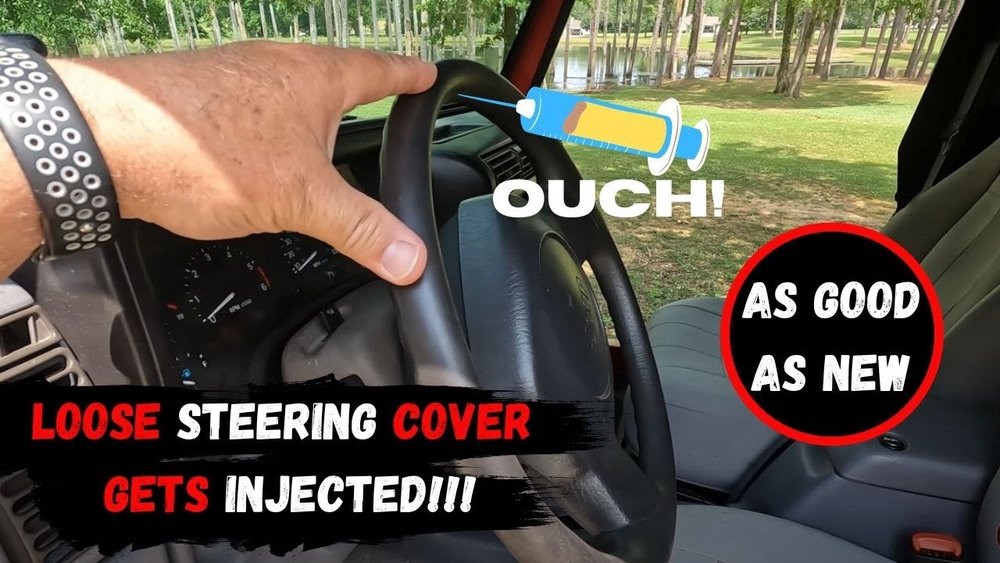
Many Jeep TJ owners experience this issue at some point. The TJ, known for its off-road prowess and classic design, has a steering system that can develop play over time.
This play, often felt as a dead zone in the center of the steering wheel’s travel before the wheels actually respond, can be caused by several worn components.
Identifying the source of the looseness is the first step to fixing it and restoring confident control. This guide will walk you through the common causes of a loose steering wheel in a Jeep TJ and how to address them.
Understanding Jeep Tj Steering System Basics
Before diving into problems, it’s helpful to understand how the TJ’s steering system works. The Jeep TJ uses a reciprocating ball steering system, which is common in many older trucks and SUVs. It’s different from modern rack and pinion systems found in most cars today.
Here’s a simplified breakdown:
- Steering Wheel: You turn the steering wheel.
- Steering Column: This connects the steering wheel to the steering box.
- Steering Box (or Gearbox): This is the heart of the system. It converts the rotational motion of the steering wheel into the side-to-side motion needed to turn the wheels. Inside, a sector shaft moves back and forth.
- Pitman Arm: This arm is attached to the sector shaft of the steering box. As the sector shaft turns, the Pitman arm moves.
- Drag Link: This connects the Pitman arm to the steering knuckle on one side of the Jeep. It translates the Pitman arm’s movement into a push/pull action.
- Tie Rod Assembly: This connects the steering knuckles on both sides of the Jeep. It ensures that both front wheels turn together at the same angle. The drag link connects to one of the tie rod ends.
- Steering Knuckles: These are part of the suspension and allow the wheels to pivot.
When you turn the steering wheel, this entire chain of components moves. Any wear or looseness in any part of this chain can lead to a loose steering wheel feeling.
Common Causes Of A Loose Steering Wheel In A Jeep Tj
A loose steering wheel on a Jeep TJ is rarely caused by just one thing. More often, it’s a combination of worn parts contributing to the overall play. Let’s look at the most frequent culprits.
1. Worn Steering Box
The steering box is a complex mechanical component that takes a lot of stress, especially in an off-road vehicle like the TJ. Over time, the internal gears and seals can wear out. This wear can create play between the sector shaft and the worm gear inside the box.
Symptoms of a worn steering box:
- Excessive play in the center: You can turn the steering wheel several inches before the wheels start to move.
- Clunking noise: You might hear a clunk when turning the wheel back and forth.
- Leaking fluid: Worn seals can lead to power steering fluid leaks.
- Difficulty holding straight: The Jeep may wander or feel unstable.
Diagnosis: With the engine running and the front wheels off the ground (for safety and easier movement), have a helper gently rock the steering wheel back and forth. Observe the input shaft of the steering box. If there’s significant movement at the shaft before the Pitman arm starts to move, the steering box is likely worn internally.
Fix: Replacing a steering box is a significant job. It involves disconnecting steering linkages, draining fluid, unbolting the old box, installing the new one, and then bleeding the power steering system. It’s often best left to experienced mechanics unless you’re comfortable with advanced automotive repairs.
2. Loose Or Worn Steering Box Mounting Bolts
The steering box is bolted to the Jeep’s frame. If these mounting bolts become loose, the entire steering box can shift slightly when you turn the wheel. This movement translates directly into looseness at the steering wheel.
Symptoms:
- A noticeable clunk or shift when first turning the wheel.
- The steering wheel feels loose even if the internal components of the box are okay.
Diagnosis: With the engine off, locate the steering box and its mounting bolts. Check if they are tight. Sometimes, the frame itself can crack around the mounting holes due to stress, which requires more extensive repair.
Fix: Tighten the mounting bolts to the manufacturer’s specified torque. If the frame is cracked, it needs professional welding and repair.
3. Worn Pitman Arm Or Sector Shaft Spline
The Pitman arm connects to the sector shaft of the steering box via splines. If either the splines on the Pitman arm or the sector shaft become worn, or if the nut holding the Pitman arm on is loose, it can cause play.
Symptoms:
- Clunking sound from the steering box area.
- Loose steering, especially when initiating a turn.
Diagnosis: With the engine running and the front wheels off the ground, have a helper gently rock the steering wheel. Watch the connection between the Pitman arm and the steering box sector shaft. Look for any movement between the splines or if the Pitman arm itself is loose on the shaft. You can also try to physically wiggle the Pitman arm.
Fix: First, ensure the Pitman arm nut is tightened to the correct torque. If the splines are worn, the Pitman arm and potentially the sector shaft will need replacement. Replacing a Pitman arm can be difficult because it’s usually pressed onto the shaft and can be seized. A Pitman arm puller tool is often necessary.
4. Worn Tie Rod Ends
The tie rod ends are ball-and-socket joints that connect the tie rod to the steering knuckles. They allow the wheels to turn independently while remaining connected by the tie rod. These are wear items, especially on a Jeep that sees off-road use.
Symptoms:
- Wandering steering.
- Uneven tire wear.
- Clunking noises when turning or going over bumps.
- Loose steering wheel feel, often accompanied by a vibration.
Diagnosis: With the engine off, have a helper rock the steering wheel back and forth while you watch the tie rod ends. Look for any looseness or excessive play in the ball joints. You can also try to physically grab the tie rod and shake it side-to-side and up-and-down. There should be very little to no play.
Fix: Tie rod ends are relatively inexpensive and can be replaced by a DIYer with basic tools. You’ll need to disconnect the old ends, install the new ones, and then get a front-end alignment done immediately afterward.
5. Worn Drag Link And Ends
Similar to the tie rod ends, the drag link assembly connects the Pitman arm to the steering knuckle. It also has ball joints (ends) that can wear out.
Symptoms:
- Similar to worn tie rod ends: Wandering, clunking, loose steering.
- The looseness might be more pronounced when turning in one direction versus the other, depending on which end is worn.
Diagnosis: With the engine running and front wheels off the ground, have a helper rock the steering wheel. Watch the drag link ends where they connect to the Pitman arm and the steering knuckle. Check for play in the ball joints.
Fix: Like tie rod ends, drag link ends can be replaced individually, or the entire drag link assembly can be swapped out. An alignment is crucial after replacement.
6. Loose Steering Column Components
Inside the Jeep, the steering column connects the steering wheel to the steering box. There are several components here that can develop play.
- Steering Shaft Bearing: The shaft that goes down the column can wear its bearing, causing looseness.
- Intermediate Shaft: In some TJs, there’s an intermediate shaft with a U-joint that can wear out.
- Steering Wheel Nut: The nut holding the steering wheel to the steering shaft can loosen.
Symptoms:
- Looseness felt directly at the steering wheel, often more noticeable at the top or bottom.
- Clicking or clunking sounds from the dash area.
Diagnosis: With the engine off, try to wiggle the steering wheel directly. If you can feel significant play that doesn’t seem to translate down to the steering box, investigate the column. Look for loose bolts or excessive play in the intermediate shaft U-joints.
Fix: Tightening the steering wheel nut is simple. Replacing bearings or intermediate shafts requires disassembling parts of the steering column, which can be complex.
7. Worn Ball Joints
While not directly part of the steering linkage, ball joints are critical for steering geometry and stability. If the ball joints on the steering knuckles are worn, they can allow the knuckle to move slightly, which can manifest as looseness in the steering wheel.
Symptoms:
- Clicking or popping noises when turning or going over bumps.
- Wandering steering.
- Uneven tire wear.
- A general feeling of instability.
Diagnosis: With the front wheels off the ground, place a pry bar under the tire and try to lift it. Have a helper watch the ball joints for any vertical movement. Also, try to rock the tire side-to-side at the top and bottom; any play here indicates worn ball joints.
Fix: Ball joints are a safety-critical component. Replacement is a significant job that requires specialized tools and is best done by a professional if you’re not experienced. An alignment is necessary after replacement.
8. Worn Wheel Bearings
Loose wheel bearings can also contribute to a feeling of looseness in the steering. If the bearing is excessively worn, it allows the wheel hub to move slightly, which can be felt through the steering.
Symptoms:
- Grinding or humming noise that increases with speed.
- Wobbling of the wheel.
- Looseness when shaking the wheel side-to-side.
Diagnosis: With the front wheels off the ground, grab the tire at the 12 o’clock and 6 o’clock positions and try to rock it in and out. Any play indicates worn wheel bearings.
Fix: Replacing wheel bearings is a moderately difficult job that requires specific tools. An alignment is recommended after replacement.
9. Tire Pressure And Alignment Issues
Sometimes, the problem isn’t worn parts but rather how the Jeep is set up.
- Low Tire Pressure: Underinflated tires can feel squirmy and make the steering feel vague and loose.
- Incorrect Alignment: If your wheel alignment is off, especially the toe setting, it can cause the Jeep to wander and feel like the steering is loose.
Diagnosis: Check your tire pressures and ensure they are at the recommended levels. A professional alignment shop can check your alignment settings.
Fix: Inflate tires to the correct pressure. Have your alignment checked and adjusted by a professional shop.
Step-by-step Diagnosis Guide For A Loose Steering Wheel
When you notice a loose steering wheel on your Jeep TJ, don’t panic. Follow a systematic approach to pinpoint the problem.
Safety First: Always ensure your Jeep is safely supported with jack stands before getting underneath it. Never rely solely on a jack.
Step 1: Initial Inspection (Engine Off)
- Check Tire Pressure: Make sure all tires are properly inflated.
- Visual Inspection: Look for any obvious signs of damage, leaks, or loose components under the Jeep.
- Steering Wheel Play: With the engine off, sit in the driver’s seat and gently rock the steering wheel back and forth. Note how much play there is before you feel any resistance or movement in the front wheels. Listen for any clunks or unusual noises.
Step 2: Component Check (Engine Running, Front Wheels Off the Ground)
Ensure the Jeep is securely supported on jack stands with the front wheels in the air. The engine should be running for the power steering system to be active and for you to check for movement in components.
- Steering Box: Have a helper slowly rock the steering wheel back and forth.
- Observe the Pitman arm where it connects to the steering box. Does it move immediately, or is there a delay?
- Observe the input shaft of the steering box. If the shaft turns but the Pitman arm doesn’t move much, the steering box is likely worn internally.
- Check the steering box mounting bolts to ensure they are tight and the frame isn’t damaged.
- Pitman Arm: Check for looseness of the Pitman arm on the sector shaft. Try to wiggle the arm itself. Ensure the retaining nut is tight.
- Drag Link:
- Inspect the drag link ends where they connect to the Pitman arm and the steering knuckle. Have your helper rock the wheel and look for any up-and-down or side-to-side play in these ball joints.
- Try to physically move the drag link. It should be snug.
- Tie Rod Ends:
- Inspect both tie rod ends where they connect to the steering knuckles.
- Have your helper rock the steering wheel and look for play in these ball joints.
- Try to physically grab the tie rod and shake it side-to-side. There should be minimal to no play.
- Ball Joints:
- With the wheels on the ground, have a helper rock the steering wheel back and forth. Watch the ball joints on the steering knuckles.
- With the wheels off the ground, place a pry bar under the tire and lift. Watch the upper and lower ball joints for any vertical play.
- Wheel Bearings:
- With the wheels off the ground, grab the tire at the 12 and 6 o’clock positions and try to rock it in and out. Any play here indicates worn wheel bearings.
Step 3: Steering Column Check (Engine Off)
- Steering Wheel Play: Wiggle the steering wheel directly. If you feel significant play here that doesn’t seem to reach the steering box, the issue might be within the column.
- Intermediate Shaft: Locate the intermediate steering shaft (often under the driver’s side dash or firewall). Check its U-joints for



















