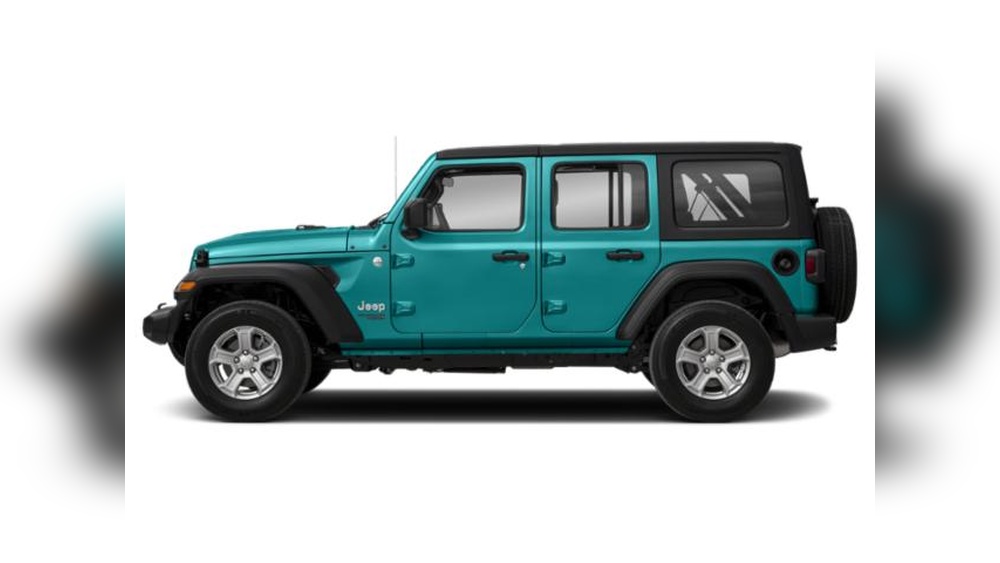
The Jeep TJ Wrangler is a beloved vehicle for off-road enthusiasts and everyday drivers alike. Known for its rugged capability and classic design, the TJ generation (1997-2006) holds a special place in many hearts.
When it comes to maintaining or upgrading the drivetrain, understanding the Jeep TJ flywheel torque spec is crucial for ensuring proper installation and long-term reliability. The flywheel, a heavy disc that connects the engine to the clutch, plays a vital role in smooth power transfer.
Incorrect torque specifications can lead to slipping clutches, damaged components, or even catastrophic failure. This guide will break down the essential torque specifications for TJ flywheels, offer insights into the process, and highlight common pitfalls to avoid.
Understanding The Flywheel’s Role In A Jeep Tj
Before diving into torque specs, it’s important to grasp what the flywheel does in your Jeep TJ. This metal disc is bolted to the engine’s crankshaft. Its primary functions are to:
- Store rotational energy: The mass of the flywheel smooths out the power pulses from the engine, providing a more consistent rotation to the transmission. This is why engines with lighter flywheels (like many performance engines) can rev up and down faster but might feel less smooth at low RPMs.
- Provide a surface for the clutch: The clutch disc presses against the flywheel. The friction between these surfaces is what allows you to engage and disengage power from the engine to the transmission.
- House the starter ring gear: The starter motor engages with the teeth on the flywheel’s outer edge to crank the engine and get it started.
In a Jeep TJ, whether manual or automatic transmission, the flywheel (or flexplate in automatics) is a critical link. For manual transmissions, the flywheel is the direct interface for the clutch assembly. For automatic transmissions, it’s a flexplate, a lighter, thinner metal plate that connects the torque converter to the crankshaft. While the torque specs differ, the principle of secure attachment remains the same. This article primarily focuses on manual transmission TJ flywheels, as they are more commonly serviced and have distinct torque requirements.
Jeep Tj Flywheel Torque Specifications
Accurate torque specifications are not just guidelines; they are engineering requirements designed to ensure that the flywheel is securely fastened to the crankshaft without over-stressing the bolts or the crankshaft itself. Over-tightening can strip threads or even crack the flywheel or crankshaft. Under-tightening can lead to the flywheel coming loose, causing severe damage and a dangerous driving situation.
For the Jeep TJ Wrangler with its common manual transmissions (like the AX-15, NV3550, or NV241 transfer case), the flywheel-to-crankshaft bolts are critical.
Standard Torque Specifications For Jeep Tj Flywheel Bolts
The general torque specification for the flywheel-to-crankshaft bolts on most Jeep TJ models is 52 ft-lbs (foot-pounds).
- Bolt Size: These are typically high-strength bolts, often M10 or similar, designed for significant clamping force.
- Material: The flywheel itself is usually made of cast iron, while some aftermarket performance flywheels might be steel or aluminum. The crankshaft is forged steel.
- Threadlocker: It is highly recommended, and often specified by Jeep, to use a threadlocker on these bolts. A medium-strength blue threadlocker (like Loctite 242 or equivalent) is commonly used. This prevents the bolts from loosening due to vibration, which is common in off-road vehicles.
Torque Sequence And Pattern
Simply torquing each bolt to the specified value isn’t enough. A specific tightening sequence must be followed to ensure the flywheel seats evenly against the crankshaft flange. This prevents distortion or stress on the flywheel or crankshaft.
The standard procedure for tightening flywheel bolts is a star pattern or criss-cross pattern.
- Start with the first bolt and tighten it to about half the final torque specification (e.g., 25 ft-lbs).
- Move to the bolt directly opposite it and tighten it to the same value.
- Continue this pattern, moving across the flywheel, tightening pairs of opposite bolts.
- Once all bolts are snugged down in the star pattern, go around again and tighten them to the final torque specification of 52 ft-lbs, again following the star pattern.
- A final check of all bolts at the full torque specification is a good practice to ensure nothing has shifted.
Flywheel Bolt Replacement
It is a good practice, and often recommended by manufacturers, to replace flywheel bolts whenever the flywheel is removed. These bolts are subjected to high clamping forces and cyclical stresses. Reusing them increases the risk of failure. If you are replacing them, ensure you use high-quality, OEM-spec bolts or equivalent aftermarket parts designed for this application.

Factors Affecting Torque Specifications
While 52 ft-lbs is the common figure, several factors can influence this or require special attention:
Flywheel Type (oem Vs. Aftermarket)
- OEM Flywheels: These are designed to meet the original factory specifications. The torque spec of 52 ft-lbs generally applies directly.
- Aftermarket Flywheels: Performance flywheels, especially those made from different materials like steel or aluminum, might come with slightly different recommendations from the manufacturer. Always check the documentation that comes with your aftermarket flywheel. Some might require specific torque values or different types of fasteners.
Crankshaft Material And Design
The Jeep TJ crankshaft is robust, but the interface with the flywheel is critical. The crankshaft flange where the flywheel bolts on must be clean and free of damage. Any nicks, burrs, or contamination can prevent the flywheel from seating properly, even if torqued correctly.
Bolt Condition And Lubrication
- Clean Threads: Ensure the threads on both the crankshaft and the bolts are clean. Any debris can lead to inaccurate torque readings.
- Threadlocker: As mentioned, threadlocker is crucial. Applying it correctly ensures the bolts stay put.
- Lubrication: Do NOT lubricate the threads of the flywheel bolts unless specifically instructed by the manufacturer. Applying anti-seize or oil to threads when a torque spec is given for dry threads will result in over-torquing the bolt, potentially stretching or breaking it, or damaging the threads. The 52 ft-lbs spec is typically for dry threads with threadlocker applied.
The Importance Of A Torque Wrench
Using a reliable torque wrench is non-negotiable when working on critical components like the flywheel.
Types Of Torque Wrenches
- Click-Type: The most common type for DIY mechanics. You set the desired torque, and the wrench “clicks” audibly and tactilely when that torque is reached.
- Beam-Type: A simpler, often more affordable option. A needle on a calibrated beam indicates the torque being applied.
- Digital Torque Wrenches: Offer high precision and often have audible and visual alerts.
Calibration And Accuracy
Ensure your torque wrench is calibrated regularly (typically annually or after significant drops). An inaccurate torque wrench can lead to the problems mentioned earlier, under- or over-tightening. For critical fasteners like flywheel bolts, using a wrench accurate to within +/- 4% is recommended.

Step-by-step Guide To Installing A Jeep Tj Flywheel
Here’s a general overview of the process. Always refer to a service manual specific to your Jeep TJ model year for the most accurate and detailed instructions.
Preparation Is Key
- Disconnect Battery: Always start by disconnecting the negative battery terminal to prevent accidental electrical shorts.
- Remove Transmission: This is the most labor-intensive part. You’ll need to drain transmission fluid, remove driveshafts, shifter linkages, clutch hydraulics, exhaust components, and transmission mounts before carefully lowering the transmission.
- Access Flywheel: Once the transmission is out, the flywheel will be visible, bolted to the back of the engine’s crankshaft.
- Remove Old Flywheel (if applicable):
- Prevent Crankshaft Rotation: You need to stop the crankshaft from turning while loosening the flywheel bolts. You can use a flywheel locking tool or a large screwdriver wedged against a flywheel tooth (if it’s a dual-mass flywheel) or a designated slot. For single-mass flywheels, you might need to wedge a bar between the flywheel and the engine block.
- Loosen Bolts: Loosen the flywheel bolts gradually in a criss-cross pattern. Work in stages, loosening each bolt a little at a time.
- Remove Bolts and Flywheel: Once all bolts are loose, remove them completely and carefully lift the old flywheel off the crankshaft. Note its orientation.
Installing The New Flywheel
- Clean Mating Surfaces: This is critically important. Use brake cleaner or an equivalent solvent to thoroughly clean the crankshaft flange and the mating surface of the new flywheel. Ensure they are completely free of oil, grease, or debris. Any contamination can affect seating and torque.
- Inspect New Flywheel: Check the new flywheel for any damage or defects. Ensure the starter ring gear teeth are in good condition.
- Position New Flywheel: Carefully place the new flywheel onto the crankshaft flange. Ensure it is oriented correctly. There might be dowel pins or specific bolt hole alignments.
- Install New Bolts: Use new, high-quality flywheel bolts. Apply a small amount of blue threadlocker (e.g., Loctite 242) to the threads of each bolt.
- Initial Tightening:
- Install all bolts and snug them down by hand.
- Use your torque wrench and a star pattern to bring all bolts up to about half the final torque specification (approx. 25 ft-lbs). Ensure the flywheel is seating evenly.
- Final Torquing:
- Following the star pattern, torque each bolt to the final specification of 52 ft-lbs.
- Go around one last time to confirm all bolts are at the correct torque.
Reassembly
- Install Clutch Components: If you are replacing the clutch simultaneously, now is the time to install the clutch disc, pressure plate, and release bearing according to the clutch manufacturer’s instructions. Ensure the clutch disc is oriented correctly (often marked with “flywheel side”).
- Reinstall Transmission: Carefully guide the transmission back into place, ensuring the input shaft engages smoothly with the clutch disc and pilot bearing. Do not force it.
- Reconnect Everything: Reinstall all components removed during disassembly: driveshafts, linkages, hydraulics, mounts, exhaust, etc.
- Fill Fluids: Refill the transmission with the correct type and amount of fluid.
- Reconnect Battery: Reconnect the negative battery terminal.
- Test Clutch and Shifting: Before driving, test the clutch pedal feel and try shifting through the gears while stationary.
Common Mistakes And Pitfalls
When working on the flywheel, several mistakes are common:
- Reusing Old Bolts: This is a significant risk. Always use new flywheel bolts.
- Improper Cleaning: Oily or dirty mating surfaces are a recipe for disaster. Spend time ensuring everything is spotless.
- Incorrect Torque: Guessing torque values or using an uncalibrated wrench can lead to damage. Invest in a good torque wrench.
- Forgetting Threadlocker: The vibrations in a Jeep, especially one used off-road, can loosen bolts without threadlocker.
- Forcing Transmission Installation: If the transmission doesn’t slide in easily, the input shaft is likely misaligned with the clutch disc or pilot bearing. Forcing it can damage the clutch or transmission.
- Ignoring Flywheel Condition: If the old flywheel is heavily scored, cracked, or warped, it *must* be replaced. A worn flywheel can cause clutch chatter, poor engagement, and premature clutch wear.
Flywheel Vs. Flexplate In Automatic Transmissions
While this guide focuses on manual transmission flywheels, it’s worth noting the difference for automatic transmission TJ Wranglers. Automatic transmissions use a flexplate instead of a heavy flywheel.
- Flexplate: A thin, flexible metal disc with bolt holes on one side to connect to the crankshaft and a ring gear for the starter on the other. The torque converter bolts to the flexplate.
- Torque Specification: Flexplate bolts are typically smaller and have a lower torque specification. For many Jeep applications, including some TJ automatics, the flexplate bolts might torque to around 27 ft-lbs.
- Threadlocker: Threadlocker is also often recommended for flexplate bolts.
- Importance: Just like flywheel bolts, flexplate bolts must be torqued correctly to prevent the torque converter from detaching or causing damage.
A common Jeep TJ automatic transmission is the 32RH or 32/30. For these, the flexplate-to-crankshaft bolts are often specified at 27 ft-lbs with blue threadlocker. Always verify the exact specification for your specific year and transmission.
Performance Considerations
For Jeep TJ owners looking to enhance performance, there are aftermarket flywheel options.
- Lightweight Flywheels: These reduce rotational mass, allowing the engine to rev up and down more quickly. This can improve throttle response and acceleration, especially in a vehicle that sees a lot of stop-and-go driving or performance-oriented off-roading. However, they can make low-speed crawling more challenging and may lead to a rougher idle.
- Dual-Mass Flywheels: Some later model TJs might have come with dual-mass flywheels from the factory, which offer smoother engagement and vibration damping. Aftermarket replacements can be either single-mass (lighter, more direct feel) or dual-mass (smoother, more like stock).
- Material: Steel is common for OEM and performance replacement flywheels. Aluminum flywheels are lighter but may wear faster and require a steel insert for the clutch surface.
When choosing an aftermarket flywheel, always consult the manufacturer’s installation instructions regarding torque specifications, bolt types, and any special procedures. The 52 ft-lbs spec is a good general guideline for many single-mass iron or steel flywheels, but confirmation is always best.

Tools You’ll Need
To properly install a Jeep TJ flywheel, you’ll need a specific set of tools:
- Socket Set: SAE sizes, including deep sockets.
- Torque Wrench: Essential for accurate tightening (calibrated).
- Ratchet and Breaker Bar: For loosening stubborn bolts.
- Flywheel Locking Tool: Or a suitable substitute to prevent crankshaft rotation.
- Screwdrivers: Flathead and Phillips.
- Pry Bars: For separating