The Jeep TJ Wrangler is a legend among off-road enthusiasts. Its solid axles and robust build make it a fantastic platform for modification.
For those looking to significantly improve their Jeep's off-road performance, handling, and ride comfort, upgrading the rear suspension is a common and highly effective step. Among the most popular and beneficial upgrades is the Jeep TJ 4-link rear suspension kit.
This system replaces the original, less sophisticated, leaf spring setup with a modern, multi-link design.
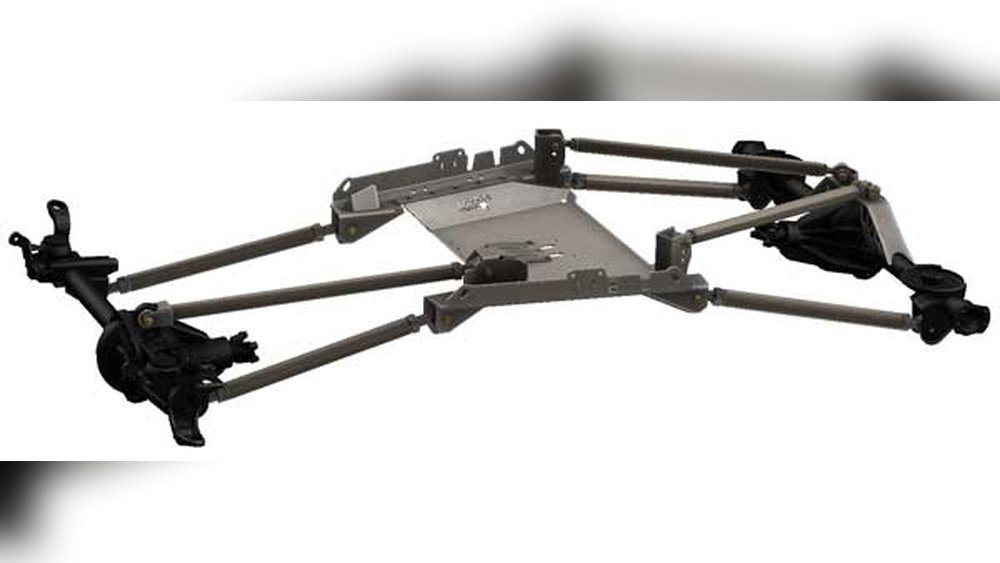
Why is this upgrade so popular? Leaf springs, while simple and durable, have inherent limitations. They can bind under articulation, leading to poor wheel travel and unpredictable handling. They also tend to provide a harsher ride, especially on rough terrain. A 4-link suspension system, on the other hand, offers superior control over axle movement. It allows for greater articulation, smoother travel over obstacles, and a more comfortable ride on and off the road. This article will explore the ins and outs of a Jeep TJ 4-link rear suspension kit, covering what it is, how it works, its benefits, the components involved, and what to consider when choosing and installing one.
Understanding The 4-link Suspension Concept
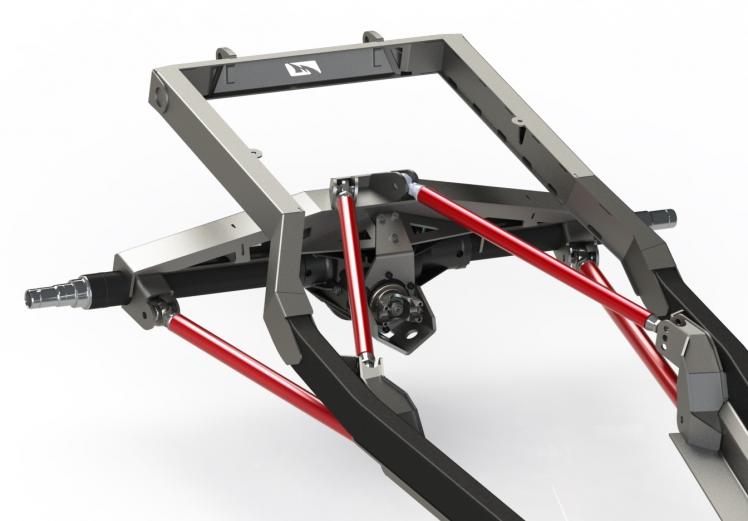
Before diving into specific kits for the Jeep TJ, it's important to understand the fundamental principles of a four-link suspension. This setup uses four control arms (links) to locate the rear axle.
Two links are typically mounted above the axle, and two are mounted below.
These links connect the axle housing to the Jeep’s frame.
The primary function of these links is to control the axle’s movement in multiple directions. They prevent fore-and-aft movement (preventing the axle from steering itself under braking or acceleration) and control lateral movement (keeping the axle centered under the vehicle). The angle and length of these links are crucial for determining the suspension’s geometry, including anti-squat, roll center, and pinion angle.
How It Differs From Leaf Springs
Leaf springs, by their nature, serve two main purposes: they locate the axle and provide the spring rate. This dual role means they have inherent compromises. When a leaf spring compresses or extends, its arch changes, which can affect pinion angle and side-to-side positioning. They also tend to have a stiffer ride because the spring itself is the primary damper, and they can bind when trying to articulate independently.
A 4-link system separates these functions. Coil springs (or sometimes air springs) provide the spring rate, while the four links precisely control axle location and movement.
This separation allows for much finer tuning of suspension characteristics. The links can be engineered to provide specific anti-squat percentages, which helps prevent the rear end from lifting excessively during acceleration, improving traction.
They also allow the axle to articulate much more freely, keeping tires in contact with the ground over uneven terrain.
Key Components Of A Tj 4-link Kit
A typical Jeep TJ 4-link rear suspension kit includes a variety of parts designed to replace the factory leaf springs and shock mounts. While specific designs can vary between manufacturers, most kits will contain the following core components:
Control Arms (links)
These are the heart of the 4-link system. They are usually made from strong steel tubing, often with high-quality heim joints (rod ends) or bushings at each end for connecting to the axle and frame. The length, angle, and mounting points of these arms are meticulously designed to achieve optimal suspension geometry.
- Upper Control Arms: Typically shorter than the lower arms, these help control the axle’s rotation and fore-and-aft movement.
- Lower Control Arms: These are usually longer and provide the primary support and location for the axle.
Many kits offer adjustable control arms. This adjustability is vital for fine-tuning pinion angle, wheelbase, and even caster if applicable. It allows for precise setup after installation and accommodates variations in axle position or lift height.
Frame Brackets And Axle Brackets
These brackets are essential for mounting the control arms to the Jeep’s frame and the axle housing. They are usually fabricated from thick steel and are designed to bolt or weld onto the vehicle.
- Frame Brackets: These attach to the Jeep’s unibody frame rails. They provide the pivot points for the upper and lower control arms. Some kits may require minor modifications to the frame for proper fitment.
- Axle Brackets: These are welded or bolted directly to the rear axle housing. They provide the attachment points for the control arms on the axle side. Welding is often preferred for maximum strength and rigidity.
Coil Springs And Mounts
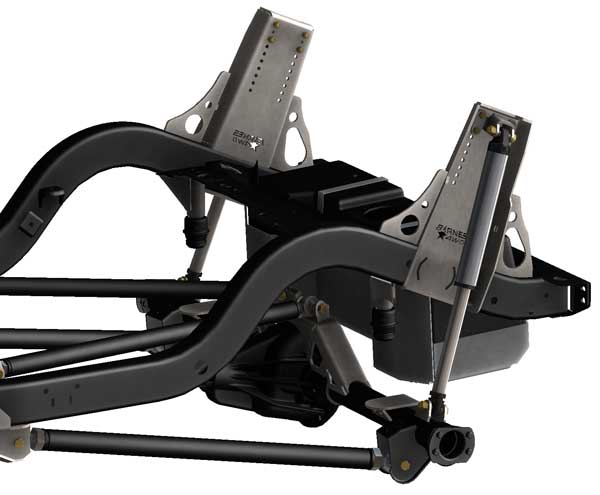
Since the 4-link system separates the spring function from the locating function, you’ll need separate coil springs. Most kits are designed to work with common aftermarket coil springs, allowing you to choose a spring rate appropriate for your Jeep’s weight and intended use. The kit will include new shock mounts and potentially new spring perches or mounts to position the coil springs correctly.
Sway Bar Links (optional But Recommended)
While not strictly part of the 4-link arms, many kits include or recommend quick-disconnect sway bar links. These allow you to disconnect the sway bar for increased articulation off-road, and easily reconnect it for improved on-road stability and reduced body roll.
Shock Absorbers
The 4-link system will require new shock absorber mounting locations. The kit will provide brackets for mounting shocks, and you will need to select shocks appropriate for your lift height and desired performance.
Longer travel shocks are often used with 4-link systems to take advantage of the increased articulation.
Benefits Of A 4-link Rear Suspension
Upgrading to a 4-link rear suspension offers a significant improvement in various aspects of your Jeep TJ’s performance.
Improved Articulation And Flex
One of the most significant advantages is the dramatic increase in articulation. The independent control arms allow the axle to move up and down much more freely without binding. This means your Jeep’s tires can stay planted on uneven terrain, providing better traction and stability. You’ll notice your Jeep can crawl over obstacles with greater ease.
Enhanced On-road Ride Comfort
Surprisingly, a well-designed 4-link system can also improve the ride quality on the road. By properly controlling axle movement and using appropriate coil springs, the harshness often associated with leaf springs is reduced. The suspension can absorb bumps and imperfections more effectively, leading to a smoother and more comfortable ride for daily driving or long road trips.
Better Handling And Stability
The precise location of the axle provided by the four links leads to predictable handling. The suspension is less likely to wander or feel “loose” on the highway. Anti-squat geometry can be tuned to reduce the tendency of the rear end to squat under acceleration, improving stability and control, especially when towing or carrying heavy loads.
Optimized Pinion Angle
During suspension travel, leaf springs can cause the pinion angle to change significantly. A 4-link system, especially with adjustable arms, allows for the pinion angle to be set and maintained more consistently. This reduces stress on the driveshaft and universal joints, prolonging their life and reducing the risk of vibration or failure.
Increased Durability And Strength
When built with high-quality materials like thick-walled steel tubing and robust joints, a 4-link system is generally more durable and stronger than a leaf spring setup, especially for heavy-duty off-road use. The components are designed to withstand the stresses of aggressive driving.
Types Of 4-link Configurations
While the basic principle is the same, there are a few common configurations for 4-link rear suspensions, often referred to by their geometry.
Triangulated 4-link
This is perhaps the most common and straightforward 4-link setup. The two upper control arms meet at a single point on the frame bracket (or a Y-shaped bracket), and the two lower arms also meet at a single point on their respective frame bracket.
This forms two triangles, with the axle housing as the base.
- Pros: Relatively simple to design and install, provides good lateral location.
- Cons: Can sometimes be prone to “bind” if the triangulation angle is too steep or if the joints aren’t designed for extreme angles. Pinion angle can change more with compression/droop compared to a parallel setup.
Parallel 4-link
In this configuration, the upper and lower control arms are mounted parallel to each other on both the frame and axle sides. This requires a wider mounting width on the frame and axle.
- Pros: Offers excellent control over pinion angle throughout suspension travel. Can provide very smooth suspension action.
- Cons: Requires more fabrication and space for mounting brackets. Can be more complex to set up correctly.
High-mount Vs. Low-mount
This refers to the vertical position of the links on the axle. High-mount systems position the links higher on the axle housing, which can offer better ground clearance for the links themselves.
Low-mount systems position them lower, which can sometimes help achieve a lower center of gravity for the vehicle.
The choice often depends on the specific kit design and intended application.
Choosing The Right 4-link Kit For Your Jeep Tj
With several manufacturers offering 4-link kits for the Jeep TJ, selecting the right one requires careful consideration of your needs and budget.
1. Intended Use
- Hardcore Off-Roading: If you plan on extreme rock crawling or tackling challenging trails, you’ll need a kit with heavy-duty construction, high-quality joints (like Johnny Joints or similar), and potentially adjustable arms for fine-tuning. Look for kits designed for maximum articulation.
- Overlanding/Expedition: For long-distance travel, comfort and durability are key. A kit that offers a balanced ride between on-road and off-road, with robust components that require minimal maintenance, would be ideal.
- Daily Driver with Occasional Off-Roading: If your Jeep is primarily a daily driver that sees occasional trail use, a kit that prioritizes on-road comfort and predictable handling will be more suitable. You might opt for a simpler, less extreme setup.
2. Material Quality And Construction
Examine the materials used. Thick-walled DOM (Drawn Over Mandrel) tubing is generally preferred for control arms due to its strength and resistance to bending. The quality of the heim joints or bushings is also critical for durability and smooth operation. Ensure brackets are made from substantial steel and are well-gusseted if they are weld-on components.
3. Adjustability
Adjustable control arms offer a significant advantage. They allow you to dial in pinion angle, wheelbase, and even fine-tune suspension geometry after installation. This is invaluable for optimizing performance and correcting any alignment issues. For most serious upgrades, adjustable arms are highly recommended.
4. Ease Of Installation
Consider your mechanical skill level and available tools. Some kits are designed for bolt-on installation with minimal modification, while others require welding for optimal strength and fitment. Kits that come with detailed instructions and all necessary hardware will make the process smoother.
5. Brand Reputation And Support
Research different brands. Look for manufacturers with a good reputation in the Jeep aftermarket for quality and customer support. Reading reviews from other Jeep TJ owners who have installed these kits can provide valuable insights.
6. Price
4-link kits can range significantly in price, from a few hundred dollars for basic weld-in components to over a thousand dollars for premium, fully adjustable kits. Determine your budget and find a kit that offers the best value and features for your money.
Installation Considerations And Tips
Installing a 4-link rear suspension is a significant undertaking that requires mechanical aptitude and the right tools. It’s often recommended to have a qualified professional perform the installation if you’re not experienced with suspension work.
Preparation Is Key
- Gather Tools: You’ll need a comprehensive set of tools, including wrenches, sockets, a torque wrench, a grinder, a welder (if required), measuring tools, and potentially a floor jack and jack stands rated for your vehicle’s weight.
- Cleanliness: Ensure the frame and axle surfaces where brackets will be mounted are clean and free of rust or debris for proper adhesion (for bolt-on) or welding.
- Measure Twice, Cut Once: If welding is required, precise measurement and marking are crucial for correct bracket placement. Errors here can lead to poor suspension geometry and alignment issues.
Welding Vs. Bolt-on
- Weld-On Brackets: Generally offer superior strength and rigidity. However, they require welding skills and equipment. If you’re not a skilled welder, it’s best to have a professional do this part. Improper welds can fail.
- Bolt-On Brackets: Easier for DIY installation, but may require drilling holes in the frame. Ensure all bolts are properly torqued and consider using thread-locking compound for critical fasteners.
Setting Up The Geometry
- Pinion Angle: This is critical. Using a degree finder, set the pinion angle of the differential to match the angle of the transfer case output shaft as closely as possible. Adjustable control arms make this much easier.
- Wheelbase: Ensure the wheelbase is set consistently on both sides. Most kits will have a target wheelbase, but slight adjustments might be needed.
- Axle Centering: The control arms should also center the axle under the Jeep. If the axle is not centered, it can cause tire rub and affect handling.
Shock And Spring Installation
- Shock Length: Select shocks that are appropriate for your lift height and the intended travel of the 4-link system. Too-short shocks will limit articulation, while too-long shocks can cause damage.
- Spring Rate: Choose coil springs that match the weight of your Jeep, including any aftermarket accessories like bumpers, winches, or cargo. Too-soft springs will sag, while too-stiff springs will provide a harsh ride.
Pro Tip:
When installing weld-on brackets, it’s often helpful to temporarily bolt the control arms into the brackets first. This allows you to use the arms to help position and align the brackets on the axle or frame before welding. Always ensure the axle is properly supported and aligned before tack welding.

Common Mistakes To Avoid
Even with a well-designed kit, installation errors can lead to performance issues or premature component failure.
- Incorrect Pinion Angle: This is a very common mistake. An incorrect pinion angle puts immense stress on the U-joints and can cause vibration. Always double-check and set this accurately.
- Loose Fasteners: Forgetting to torque bolts to spec, or not using thread locker where appropriate, can lead to components loosening over time.
- Binding Joints: If the control arms are installed at extreme angles or if the joints are not designed for the range of motion, they can bind, leading to a harsh ride and potentially damaging the joints or brackets.



















