Getting Your Jeep Ready For Adventure: Jeep Suspension Kit Installation In Naperville, Il
Your Jeep is more than just a vehicle; it’s a ticket to adventure. Whether you dream of conquering rugged trails, exploring off the beaten path, or simply want your Jeep to look more imposing, upgrading its suspension is a popular and effective way to achieve these goals.
A Jeep suspension kit can improve ground clearance, enhance off-road capability, and give your Jeep a more aggressive stance. If you’re in Naperville, Illinois, and considering this upgrade, understanding the installation process, the benefits, and where to find reliable service is crucial.
This guide will walk you through everything you need to know about Jeep suspension kit installation in Naperville, IL, helping you make informed decisions and get your Jeep ready for its next adventure.
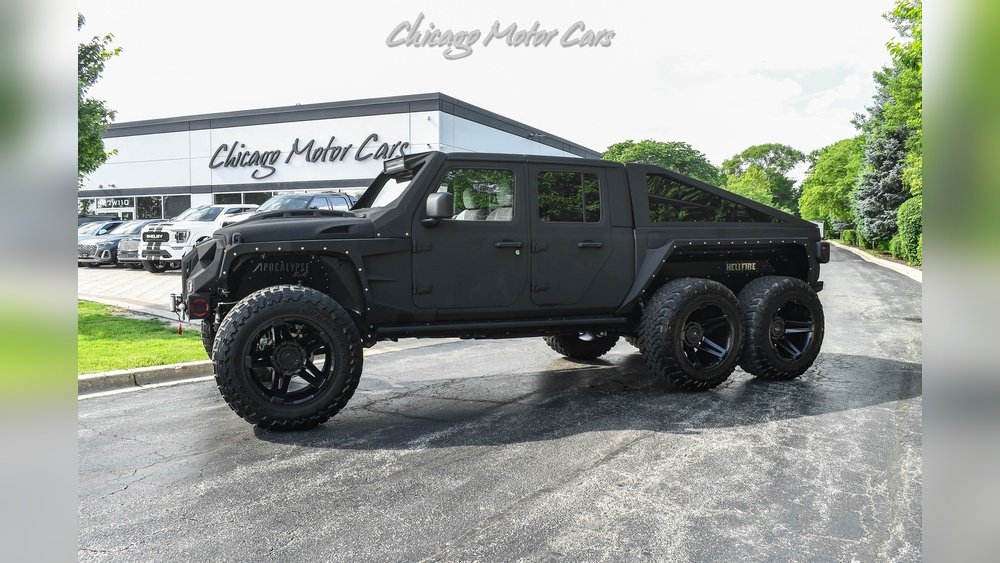
Why Upgrade Your Jeep’s Suspension?
Before diving into the installation details, it’s important to understand why many Jeep owners opt for suspension upgrades. The factory suspension is designed for a balance of on-road comfort and basic off-road performance.
However, for those who push their Jeeps further, this can be limiting.
- Increased Ground Clearance: This is often the primary reason for a suspension lift. Higher ground clearance means your Jeep can clear larger obstacles like rocks, logs, and uneven terrain without damaging the undercarriage. This is essential for serious off-roading.
- Improved Off-Road Performance: A suspension kit can provide longer travel, allowing your wheels to stay in contact with the ground over rough surfaces. This improves traction and control, making your Jeep more capable on challenging trails.
- Accommodating Larger Tires: Most Jeep owners want to fit larger, more aggressive tires. A suspension lift is usually required to make room for these tires, preventing rubbing against the fenders and suspension components. Larger tires further enhance off-road capability and aesthetics.
- Enhanced Aesthetics: Let’s face it, a lifted Jeep looks impressive. The aggressive stance and the ability to fit larger tires give your Jeep a commanding presence on and off the road.
- Better Ride Quality (Sometimes): While some suspension lifts can lead to a stiffer ride, many modern kits are designed to improve ride quality, especially off-road. They can absorb impacts better and provide a more comfortable experience over bumps and rough terrain.
Types Of Jeep Suspension Kits
There are several types of suspension kits available for Jeeps, each offering different benefits and installation complexities. Understanding these options will help you choose the right kit for your needs and budget.
1. Spacer Lifts
These are the simplest and most affordable suspension modifications. Spacer lifts add spacers, usually made of polyurethane or steel, above the existing coil springs or to the top of the strut assembly.
- Pros: Inexpensive, easy to install, minimal impact on ride quality, often allows for slightly larger tires.
- Cons: Limited lift height (typically 1-3 inches), doesn’t improve off-road articulation, can sometimes affect suspension geometry if not installed correctly.
- Best for: Owners looking for a mild lift for aesthetic purposes or to fit slightly larger tires without a major overhaul.
2. Body Lifts
A body lift raises the Jeep’s body off the frame, using spacers that are installed between the frame rails and the body mounts. This provides clearance for larger tires without altering the suspension geometry.
- Pros: Affordable, easy to install, allows for significant tire size increases, doesn’t change the suspension’s ride characteristics.
- Cons: Does not increase ground clearance under the frame or axles, can sometimes create gaps between the body and fenders, may require adjustments to steering column and shifter linkages.
- Best for: Owners primarily focused on fitting the largest possible tires for maximum visual impact.
3. Economy/budget Suspension Lifts
These kits typically include a combination of spacers, new shocks, and sometimes longer sway bar links. They offer a moderate lift (2-4 inches) at a reasonable price point.
- Pros: More affordable than complete suspension systems, offer a noticeable lift and improved off-road stance, often include necessary components like shocks.
- Cons: May not offer the same level of articulation or durability as higher-end kits, ride quality can be a compromise.
- Best for: Budget-conscious enthusiasts looking for a good balance of lift, tire clearance, and improved off-road appearance.
4. Performance Suspension Lifts (coilover Systems, Long Arm Kits)
These are the most advanced and expensive options. They involve replacing the entire stock suspension system with high-performance components designed for maximum off-road capability.
- Coilover Systems: These integrate the spring and shock absorber into a single unit. They offer adjustable damping and ride height, providing excellent performance and tuning capabilities.
- Long Arm Kits: These replace the short factory control arms with much longer ones. This dramatically improves suspension articulation and geometry, allowing the Jeep to flex more effectively over obstacles.
- Pros: Superior off-road performance, improved articulation, better handling on rough terrain, often adjustable for specific needs.
- Cons: Most expensive option, complex installation, may require modifications to the frame and other components, can sometimes result in a harsher on-road ride if not properly tuned.
- Best for: Serious off-roaders who demand the highest level of performance and are willing to invest in a premium system.
What To Consider When Choosing A Suspension Kit
Selecting the right suspension kit involves more than just picking a lift height. Here are key factors to consider:
- Intended Use: Will your Jeep be a daily driver with occasional light trail use, or a dedicated rock crawler? Your answer dictates the type and complexity of the kit you need.
- Lift Height: How much lift do you want? Remember that more lift often means more complex installation and potential compromises in on-road handling. A common sweet spot for many Jeep owners is 2.5 to 4 inches.
- Tire Size: What size tires do you plan to run? Ensure the lift kit you choose will provide adequate clearance for your desired tire size. It’s often recommended to go slightly larger than you think you’ll need to avoid rubbing.
- Budget: Suspension kits range from a few hundred dollars to several thousand. Factor in the cost of installation if you’re not doing it yourself.
- Components Included: Does the kit include everything you need? Some kits only include basic components, while others come with shocks, sway bar links, brake lines, and more.
- Ride Quality: Consider how the kit will affect your Jeep’s on-road ride. Some kits are designed to maintain or even improve ride comfort, while others prioritize off-road performance at the expense of on-road manners.
- Brand Reputation and Reviews: Research different brands and read reviews from other Jeep owners. Look for kits with a proven track record for durability and performance.
The Jeep Suspension Kit Installation Process In Naperville
Installing a Jeep suspension kit can range from a relatively straightforward DIY project to a complex job requiring specialized tools and expertise. For many in Naperville, IL, professional installation is the preferred route to ensure the job is done correctly and safely.
Diy Vs. Professional Installation
DIY Installation:
If you have a good understanding of automotive mechanics, the right tools (including a lift or jack stands, torque wrench, socket set, etc. ), and the patience, you can tackle a DIY installation.
Spacer lifts and basic budget kits are often manageable for experienced DIYers.
However, even simpler kits can present challenges, like dealing with rusty bolts or difficult-to-reach components.
Professional Installation:
For most Jeep owners, especially those opting for more complex kits, professional installation is recommended. A reputable shop in Naperville will have:
- Experienced Technicians: Mechanics who specialize in Jeeps and suspension work understand the intricacies of your vehicle.
- Proper Tools and Equipment: They have lifts, specialized tools, and diagnostic equipment to ensure the job is done efficiently and accurately.
- Knowledge of Alignment: After suspension work, a proper wheel alignment is crucial. Professional shops have the equipment to perform this critical step.
- Warranty: Many shops offer a warranty on their labor, giving you peace of mind.
Key Steps In A Typical Suspension Kit Installation (h2 Level Detail)
While the exact steps vary depending on the type of kit and the Jeep model, a general overview of the installation process for a common 2-4 inch lift kit (like those often installed in Naperville) includes the following:
- Preparation and Safety:
- Park the Jeep on a level surface.
- Disconnect the battery.
- Safely lift the Jeep using a lift or jack stands, ensuring it’s stable.
- Remove the wheels.
- Disassembling the Stock Suspension:
- Disconnect sway bar links from the sway bar and axle.
- Unbolt and remove the shocks/struts.
- Support the axle with jack stands.
- Remove the coil springs (this can involve compressing them if they are under tension).
- Disconnect brake lines from the chassis or axle to allow for more suspension droop. Be careful not to stretch or damage them.
- Installing New Components:
- Install Lift Components: This might involve installing spacers on top of the coil bucket, replacing the coil springs with longer ones, or installing new control arms depending on the kit.
- Install New Shocks/Struts: Mount the new shocks or struts, ensuring they are the correct length for the lifted suspension.
- Relocate Brake Lines: If the kit requires it, reposition or replace brake lines to accommodate the increased suspension travel. This is a critical safety step.
- Install Extended Sway Bar Links: If your kit includes these, attach them to the sway bar and the axle. Some kits may require sway bar relocation brackets or quick disconnects for more extreme off-roading.
- Install Track Bar (if applicable): For lifts over 2.5 inches, the track bar angle changes, which can cause the Jeep to pull to one side. Many kits include a new, longer track bar or a track bar relocation bracket to correct this.
- Reassembly:
- Reinstall coil springs (ensure they are seated correctly).
- Reconnect the axle to the suspension components.
- Reconnect the sway bar links.
- Reconnect brake lines.
- Reinstall the wheels and torque the lug nuts to specification.
- Lowering the Vehicle and Final Checks:
- Carefully lower the Jeep.
- Torque all suspension and wheel fasteners to the manufacturer’s specifications.
- Check for any binding or interference with suspension movement.
- Reconnect the battery.
- Wheel Alignment:
- This is a crucial step after any suspension modification. A professional alignment ensures your steering wheel is centered, your tires wear evenly, and your Jeep drives straight.
Finding A Reputable Jeep Suspension Installer In Naperville, Il
Choosing the right shop is as important as choosing the right kit. In Naperville and the surrounding areas, several types of businesses can perform suspension installations:
- Dedicated 4×4 Shops: These specialize in off-road vehicles and Jeep modifications. They often have the most expertise and carry a wide range of suspension kits.
- General Auto Repair Shops with Off-Road Experience: Some established auto repair shops have technicians with experience working on Jeeps and suspension systems.
- Dealerships: While dealerships can perform installations, they may be more limited in the types of aftermarket kits they offer and can sometimes be more expensive.
Pro Tip: When looking for a shop, ask for recommendations from local Jeep clubs or online forums. Check reviews on Google, Yelp, and other platforms. Don’t hesitate to visit the shop, see their facilities, and talk to the technicians about your project.
Questions To Ask Potential Installers
- What brands of suspension kits do you recommend for my Jeep model and intended use?
- What is the estimated cost for parts and labor?
- How long will the installation take?
- Do you perform a wheel alignment after installation? Is it included in the price?
- What kind of warranty do you offer on parts and labor?
- Can you show me examples of Jeeps you’ve worked on?
Common Pitfalls And How To Avoid Them
Even with professional installation, there are common issues that can arise. Being aware of them can help you and your installer avoid problems.
Alignment Issues
As mentioned, proper alignment is critical. An improper alignment after lifting can lead to:
- Uneven Tire Wear: Tires can wear out quickly on the edges or the center.
- Poor Handling: The Jeep might pull to one side, wander on the highway, or feel unstable.
- Steering Wheel Off-Center: The steering wheel won’t be straight when the Jeep is driving in a straight line.
Avoidance: Always ensure a shop performs a thorough alignment after suspension work. Ask for the alignment printout showing the before and after readings.
Driveshaft Angle Problems
When you lift a Jeep, the pinion angle of the front and rear driveshafts changes. If the lift is too high, or if the suspension geometry isn’t corrected, the driveshaft can operate at an extreme angle. This can lead to:
- Vibrations: Especially noticeable at certain speeds.
- Premature Wear: Increased stress on U-joints and the driveshaft itself.
- “Death Wobble”: In severe cases, this can manifest as violent shaking of the steering wheel and front end.
Avoidance: For lifts over 3 inches, consider additional components like adjustable control arms, a drop pitman arm, or a slip yoke eliminator (SYE) kit to correct driveshaft angles. Discuss this with your installer.
Sway Bar Issues
The sway bar (or anti-roll bar) is crucial for on-road stability. Lifting a Jeep can disconnect the sway bar links.
- On-Road Instability: Without the sway bar connected, the Jeep will lean significantly in turns, feeling less stable.
- Incorrect Reconnection: If the sway bar is reconnected at an angle that binds, it can negatively affect suspension travel and ride quality.
Avoidance: Ensure your installer properly reconnects or extends the sway bar links. For serious off-roading, consider quick-disconnect sway bar links that allow you to easily remove them for increased articulation on the trail.
Brake Line Restrictions
Brake lines are designed for a specific range of motion. Lifting the suspension stretches these lines.
- Brake Binding: If brake lines are too short, they can restrict suspension travel, leading to brakes dragging or premature wear.
- Line Failure: In extreme cases, a stretched brake line can snap, leading to a loss of braking ability.
Avoidance: Always use



















