Understanding Jeep Steering Wheel Column Parts: Your Guide To A Functional Cockpit
The steering column in your Jeep is more than just a place to mount the steering wheel. It's a complex assembly housing critical components that allow you to control your vehicle's direction, activate signals, and even manage safety features.
For any Jeep owner, understanding the parts within this assembly is key to diagnosing issues, performing maintenance, and ensuring a safe driving experience.
Whether you’re a seasoned off-roader or a daily driver, a well-functioning steering column is essential for confident control.
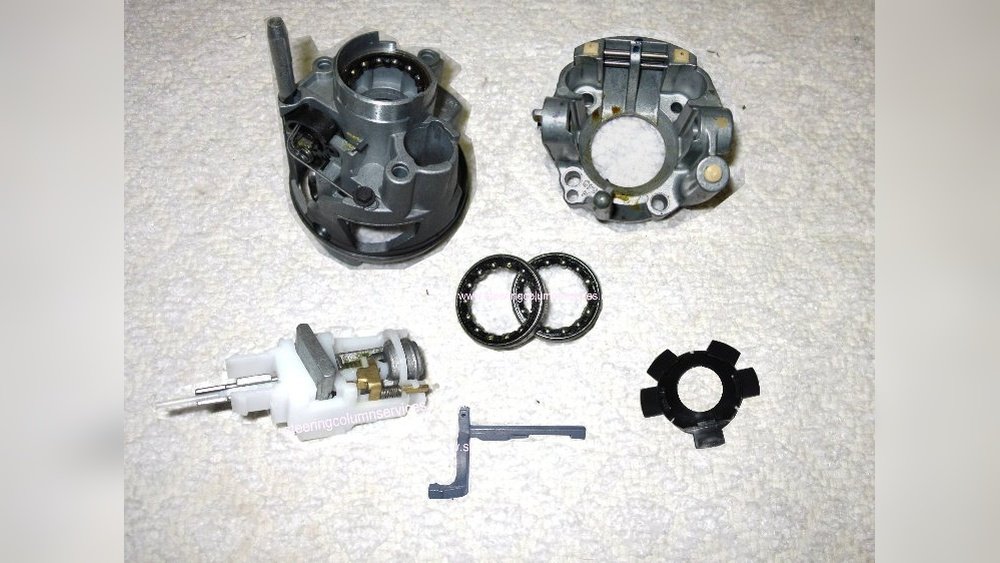
A common misconception is that the steering column is a single, simple unit. In reality, it's a sophisticated system that combines mechanical, electrical, and safety elements.
From the ignition switch that starts your engine to the turn signal lever that communicates your intentions to other drivers, each part plays a vital role.
Issues within the steering column can range from minor annoyances, like a loose turn signal switch, to serious safety concerns, such as a malfunctioning airbag system or a steering wheel that feels loose. Regular inspection and understanding of these parts can prevent minor problems from becoming major headaches.
This guide will break down the various components of a Jeep steering wheel column, explaining their function, common issues, and what to look for. We’ll cover everything from the outer shroud to the inner workings that make your Jeep turn and signal.
By the end, you’ll have a clearer picture of what’s happening behind your steering wheel and how to keep it in top condition.
The Outer Shell: Shrouds And Covers
The most visible part of the steering column, after the steering wheel itself, is the steering column shroud. This is typically a plastic casing that encases the internal components. Its primary function is to protect the delicate wiring and mechanisms from dust, debris, and accidental damage. It also provides a clean, finished look to the interior.
Materials And Construction
Steering column shrouds are usually made from durable ABS plastic or similar polymers. They are often split into two halves, an upper and a lower section, that bolt or clip together around the column.
The design can vary significantly between Jeep models and generations.
Older models might have simpler, more robust shrouds, while newer models may incorporate more complex designs to accommodate advanced features like steering wheel-mounted controls and integrated lighting.
Common Issues And Repairs
The most common issues with shrouds are cosmetic, such as cracks or broken mounting tabs. These can occur from impacts, improper installation, or simply age and UV exposure.
While generally not a safety concern, a damaged shroud can allow more dust and debris into the column, potentially affecting the internal components over time.
Replacing a shroud is usually a straightforward DIY task, often involving removing a few screws and carefully prying the halves apart.
The Heart Of Control: Steering Wheel And Hub
The steering wheel is your primary interface with the steering system. It’s designed for grip, comfort, and often houses additional controls like horn buttons, airbag modules, and media controls. The steering wheel hub is the component that connects the steering wheel to the steering shaft. It contains the splines that mate with the steering shaft and the bolts that secure the wheel in place.
Airbag Integration
Modern Jeep steering wheels almost universally include an airbag module. This is a critical safety device designed to deploy in a collision, protecting the driver. The airbag module is connected to the vehicle’s safety system via a clock spring (also known as an airbag spiral cable or coil cable), which allows electrical signals to pass from the steering column to the rotating steering wheel without the wires getting tangled.
Common Problems
- Loose Steering Wheel: If the steering wheel feels loose or wobbly, the hub bolts may need tightening. This is a critical safety issue and should be addressed immediately.
- Horn Not Working: This can be due to a faulty horn button, a broken wire, or a problem with the clock spring.
- Airbag Light On: An illuminated airbag light often indicates a fault within the airbag system, frequently related to the clock spring or a loose connection. This requires professional diagnosis.
Steering Wheel Hub Components
The steering wheel hub itself is robust but can wear over time. The splines can become damaged if the wheel is removed and reinstalled incorrectly.
Most importantly, the hub houses the mounting points for the steering wheel and often the airbag module.
The Signal Sender: Turn Signal And Wiper Stalks
Mounted on the steering column, usually to the left and right of the steering wheel, are the stalks or levers that control essential functions like turn signals, headlights, and windshield wipers. These are operated by pushing or rotating the stalks.
Turn Signal Lever
This lever typically has multiple positions:
- Up: Right turn signal.
- Down: Left turn signal.
- Self-Canceling: Most systems are designed to automatically cancel the signal after a turn, though this can sometimes fail.
- Forward/Backward: Some designs use these positions to activate high beams or flash high beams.
Wiper/washer Control Lever
This stalk usually controls:
- Intermittent Wipers: Different speed settings.
- Low Speed Wipers: Continuous operation at a slower pace.
- High Speed Wipers: Continuous operation at a faster pace.
- Washer Fluid: Pushing the stalk forward often activates the windshield washers.
Headlight Controls
On many Jeep models, the headlight switch is integrated into one of the stalks. This can include:
- Off: All lights off.
- Parking Lights: Only front and rear parking lights illuminate.
- Headlights On: Low beam headlights.
- High Beams: Activated by pushing the stalk forward or a separate button.
Common Malfunctions
- Turn Signals Not Working: This can be caused by a faulty flasher relay, a blown fuse, or a problem with the turn signal switch within the stalk assembly.
- Self-Canceling Failure: The mechanism that cancels the turn signal can wear out or break.
- Wipers Inoperable: Issues can stem from the wiper motor, switch, linkage, or fuses.
- Headlights Not Functioning: Similar to turn signals, this could be a fuse, relay, switch, or bulb issue.
The Ignition System: Key Cylinder And Ignition Switch
The ignition switch is the gateway to your Jeep’s electrical system and engine. It’s typically located behind the steering wheel, accessible via the key cylinder. Turning the key or pushing the start button cycles through different electrical states.
Ignition Switch Positions
Common ignition switch positions include:
- LOCK/OFF: The steering wheel is locked (if equipped), and all electrical accessories are off.
- ACC (Accessory): Allows operation of accessories like the radio and power windows without the engine running.
- ON/RUN: Powers the engine’s control systems, fuel pump, and dashboard lights.
- START: Engages the starter motor to crank the engine.
Key Cylinder
The key cylinder is where you insert the ignition key. It contains tumblers that align with the specific shape of your key. When the correct key is inserted and turned, it actuates the ignition switch.
Common Problems
- Key Won’t Turn: This can be due to a worn key, a jammed lock cylinder, or debris in the lock. Sometimes, the steering wheel being turned tightly against the lock pin can cause this.
- Ignition Switch Failure: If the Jeep won’t start, or accessories don’t work when the key is in the ON position, the ignition switch itself might have failed. This is a common point of failure.
- Steering Wheel Lock Issues: If the steering wheel doesn’t lock when the key is in the LOCK position, or if it stays locked when trying to start, the lock mechanism within the cylinder or column can be faulty.
A malfunctioning ignition switch can leave you stranded. Diagnosing it often involves checking for power at various points in the fuse box and electrical system.
The Crucial Link: Clock Spring (airbag Spiral Cable)
The clock spring, also known as the airbag spiral cable or coil cable, is a vital but often overlooked component. It’s a circular, spring-loaded plastic housing containing a ribbon cable that connects the airbag module, horn, and steering wheel controls to the vehicle’s wiring harness.
Functionality
As the steering wheel turns, the clock spring allows the ribbon cable to rotate without breaking or twisting. It’s designed to withstand a specific number of rotations (typically 2-3 turns in each direction) before it reaches its limit.
Why It’s Important
- Airbag Deployment: The clock spring is critical for the airbag system. If it fails, the airbag may not deploy in an accident, or the airbag warning light will illuminate on the dashboard.
- Horn and Controls: It also carries the electrical signals for the horn and any steering wheel-mounted buttons (cruise control, audio controls).
Signs Of Failure
- Airbag Warning Light: This is the most common indicator.
- Horn Not Working: If the horn suddenly stops functioning, the clock spring is a prime suspect.
- Steering Wheel Controls Malfunctioning: Cruise control or audio buttons may become unresponsive.
- Ticking or Clicking Sound: Sometimes, a failing clock spring can make a noise when the steering wheel is turned.
Replacing a clock spring is a job that requires extreme care, especially due to the airbag system. It’s often recommended to have this done by a professional mechanic.
Steering Column Bearing And Bushings
Within the steering column, there are bearings and bushings that support the steering shaft and allow it to rotate smoothly. These components reduce friction and wear.
Types Of Bearings/bushings
- Upper Bearing: Usually located near the top of the column, often integrated with the clock spring assembly.
- Lower Bearing: Found further down the column, closer to the firewall or steering rack connection.
- Bushings: Made of plastic or rubber, these can be used in various points to dampen vibration and provide support.
Common Wear Signs
- Stiff Steering: If the steering feels unusually heavy or stiff, worn bearings or bushings could be the cause.
- Clunking Noises: A worn lower bearing can sometimes produce a clunking sound when turning the wheel, especially over bumps.
- Excessive Play: If there’s noticeable play or looseness in the steering wheel that isn’t related to the steering gear itself, the column bearings might be worn.
Addressing worn bearings or bushings often involves disassembling a significant portion of the steering column, making it a more involved repair.
Intermediate Shaft And U-joints
Connecting the bottom of the steering column to the steering gear (rack and pinion or steering box) is the intermediate shaft. This shaft often incorporates one or more universal joints (U-joints).
Purpose Of The Intermediate Shaft
The intermediate shaft allows for the slight misalignment that can exist between the steering column and the steering gear. Its telescoping design also allows for collapsible steering column functionality, a crucial safety feature designed to absorb impact energy in a frontal collision by collapsing and preventing the column from impinging on the driver.
Role Of U-joints
The U-joints at either end of the intermediate shaft allow the shaft to transmit rotational force even when it’s at an angle. This is essential because the angle between the column and the steering gear can change slightly as the suspension moves.
Potential Issues
- Stiff Steering or Binding: Worn or seized U-joints can make steering difficult and cause a binding sensation.
- Clunking Noises: Loose or worn U-joints can create clunking sounds, particularly when turning the wheel or going over bumps.
- Worn Splines: The splines that connect the shaft to the column and steering gear can wear down, leading to looseness.
Inspecting the intermediate shaft and its U-joints for play, binding, or damage is part of a comprehensive steering system check.
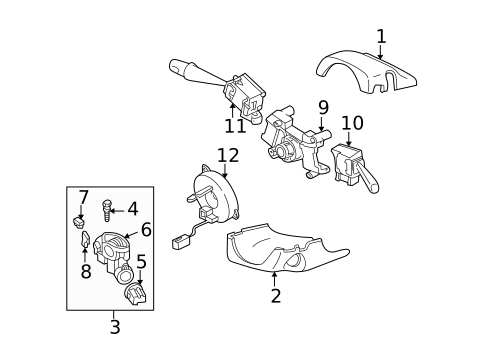
Steering Column Lock Mechanism
Many Jeep models, especially those with traditional key ignition systems, feature a steering wheel lock mechanism. This is a security feature designed to prevent the vehicle from being driven away without a key.
How It Works
When the ignition key is removed, a pin or bolt extends from the ignition lock cylinder into a corresponding slot in the steering shaft or a locking plate within the column. This physically prevents the steering wheel from turning.
When the correct key is inserted and turned, the pin retracts, allowing the steering wheel to rotate freely.
Problems And Symptoms
- Steering Wheel Won’t Unlock: The most common issue is the steering wheel remaining locked even with the key inserted. This can happen if the steering wheel is turned tightly against the lock pin, or if the lock mechanism itself is damaged or worn. Gently wiggling the steering wheel while turning the key can sometimes free it.
- Steering Wheel Won’t Lock: Conversely, if the steering wheel can be turned freely even with the key removed, the locking mechanism has failed. This is a security vulnerability.
- Key Stuck: Sometimes, the lock mechanism can bind, making it difficult or impossible to remove the key.
Repairing or replacing the steering column lock mechanism often involves replacing the entire ignition lock cylinder and sometimes parts of the column assembly.
Tilt Steering Mechanism
Many Jeep steering columns are equipped with a tilt steering mechanism. This allows the driver to adjust the angle of the steering wheel for optimal comfort and driving position.
How It Works
The tilt mechanism typically consists of a pivot point and a locking lever or button. When the lever is disengaged, the steering wheel can be moved up or down.
When the lever is locked, it holds the steering wheel securely in the desired position.
Common Failures
- Loose Tilt Lock: The lever or mechanism that locks the tilt position may become loose or worn, causing the steering wheel to gradually drop or move while driving. This is a significant safety hazard.
- Stiff or Stuck Tilt: The pivot points can become corroded or worn, making it difficult to adjust the tilt angle.
- Broken Components: Internal parts of the tilt mechanism can break due to wear or stress.
If your tilt steering is not holding its position, it’s crucial to get it repaired promptly to prevent unexpected movement of the steering wheel.
Steering Column Covers And Trim
Beyond the main shroud, there are often smaller trim pieces and covers that conceal the steering column, particularly around the dashboard and instrument cluster. These are primarily for aesthetics but contribute to the overall finished look of the interior.
Purpose
These pieces fill gaps, hide wiring, and provide a seamless transition from the steering column to other dashboard components.
Maintenance
Trim pieces are usually made of plastic and can become loose, cracked, or discolored over time. They are typically held in place by clips or small screws and are generally easy to replace if damaged.



















