When you drive a Jeep, your wheels are more than just a way to move. They impact how your vehicle looks, performs, and survives rough terrain.
Choosing between steel wheels and alloy wheels is a big decision for many Jeep owners. Both options have unique strengths, weaknesses, and costs.
Let’s look at how they compare, so you can pick the right set for your Jeep.
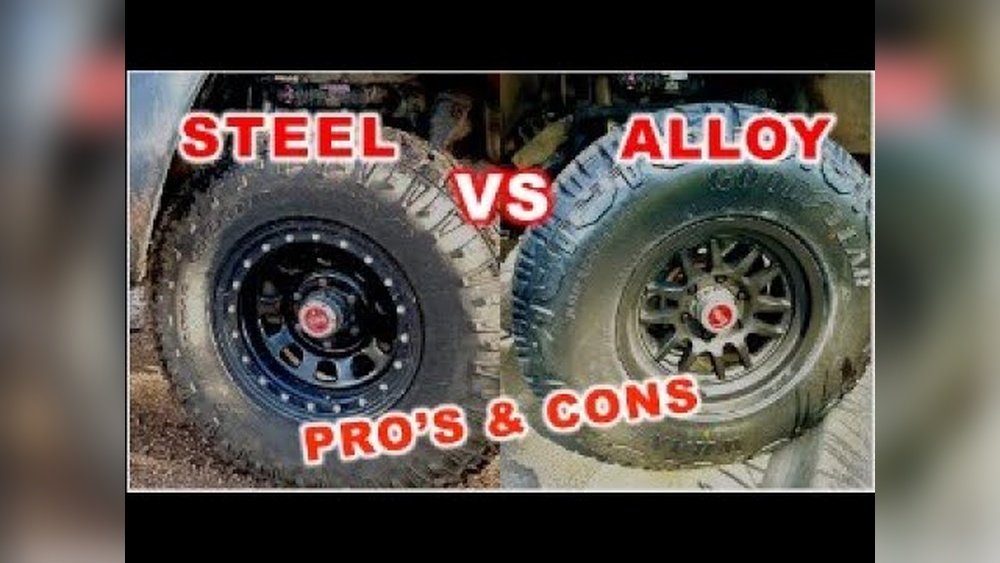
Jeep Steel Wheels: Reliable And Rugged
Steel wheels have been used on vehicles for decades. Many Jeep drivers still prefer them, especially for off-roading.
Durability And Strength
Steel wheels are made from pressed and welded steel. This makes them strong and resistant to damage from rocks, curbs, or potholes. If you hit something hard, steel wheels usually bend rather than crack. You can often fix a bent steel wheel with a hammer, making repairs cheap and simple.
Weight And Performance
Steel wheels are heavier than alloy wheels. The extra weight can make your Jeep feel less agile and increase fuel consumption.
For off-roading, this weight helps keep tires grounded, but on highways, it can reduce acceleration and handling.
Cost And Availability
Steel wheels are usually cheaper than alloy wheels. You can find them in most sizes and styles, but designs are often basic. Many Jeep owners buy steel wheels as winter wheels or for rugged off-road use.
Common Mistakes
Some people think steel wheels are “indestructible. ” While they are tough, they can rust easily if the paint or coating wears off.
Always check for rust and keep them clean to extend their lifespan.
Jeep Alloy Wheels: Stylish And Lightweight
Alloy wheels are made from aluminum or magnesium alloys. They offer a modern look and improved performance, but come at a higher price.
Appearance And Customization
Alloy wheels stand out. They are available in many shapes, sizes, and finishes.
If you want your Jeep to look unique or sporty, alloy wheels are the way to go. Polished, painted, or machined finishes stay bright and resist corrosion better than steel.
Weight Advantages
Alloy wheels are lighter than steel. This reduces the unsprung weight of your Jeep, leading to better handling, faster acceleration, and improved fuel efficiency. On rough roads, lighter wheels mean less stress on suspension parts.
Performance Benefits
Alloy wheels allow better heat dissipation. This helps your brakes stay cooler, especially during tough driving or when towing. Some Jeep drivers notice improved ride quality with alloys, especially on paved roads.
Drawbacks And Risks
Alloy wheels are more likely to crack than bend when hit hard. Repairs are often impossible, and replacing them can be expensive.
For extreme off-roading, alloy wheels might not survive sharp impacts as well as steel.
Comparing Steel And Alloy: What Matters Most
To make your choice easier, here are some key differences between steel and alloy wheels for Jeeps.
| Feature | Steel Wheels | Alloy Wheels |
|---|---|---|
| Weight | Heavy (20–30 lbs each) | Light (15–25 lbs each) |
| Repairability | Bendable, easy to fix | Cracks, hard to repair |
| Cost | $60–$120 per wheel | $150–$350 per wheel |
| Rust/Corrosion | Prone to rust | Resists corrosion |
| Design Options | Limited | Wide range |
Real-world Example
Imagine you drive a Jeep Wrangler on muddy trails. You hit a rock, and your steel wheel bends. With a few tools, you fix it and keep going. Now, picture the same situation with alloy wheels. The wheel cracks, and you need a replacement—which could cost three times more and take days to find.
Off-roading Vs. Daily Driving
Jeep owners often use their vehicles in different ways. Let’s see how steel and alloy wheels perform in these situations.
| Driving Scenario | Steel Wheels | Alloy Wheels |
|---|---|---|
| Off-Roading | Preferred for toughness | Risk of cracking |
| City Driving | Heavy, less agile | Light, more responsive |
| Winter Conditions | Good, can rust | Resists salt damage |
| Highway | Lower fuel efficiency | Better fuel efficiency |
What Should You Choose?
Here are three questions to help you decide:
- How will you use your Jeep? If you go off-road often, steel wheels are safer and easier to repair.
- Do you care about style? Alloy wheels offer more designs and a modern look.
- What’s your budget? Steel wheels cost less upfront, but alloys may save money on fuel and repairs over time.
Non-obvious Insights
- Steel wheels can be better for beadlocks. If you plan to air down your tires for rock crawling, steel works well with beadlock systems.
- Alloy wheels help with brake cooling. If you tow heavy loads or drive steep roads, alloys keep brakes cooler and safer.
Buyer Mistakes To Avoid
- Don’t buy alloy wheels just for looks if you plan heavy off-roading.
- Don’t ignore rust on steel wheels—it spreads fast.
- Avoid mismatched wheel sizes or offsets. Always check fitment for your Jeep.
Data: Popular Jeep Wheel Choices
A quick look at what Jeep drivers prefer:
| Jeep Model | Steel Wheels (%) | Alloy Wheels (%) |
|---|---|---|
| Wrangler | 40 | 60 |
| Cherokee | 25 | 75 |
| Gladiator | 50 | 50 |
You can see many Jeep owners choose alloy wheels, but steel wheels remain popular for tougher jobs.
Frequently Asked Questions
<!– wp:rank-math/faq-block {"questions":[{"id":"faq-question-479c12610b12","title":"Are Steel Wheels Better For Off-roading?","content":"Steel wheels are often better for off-roading because they can handle impacts and are easier to repair if bent. However, they are heavier and can rust.
“,”visible”:true},{“id”:”faq-question-953b853380b4″,”title”:”Will Alloy Wheels Improve My Jeep’s Fuel Economy?”,”content”:”Alloy wheels are lighter, which can improve fuel economy slightly. The difference is usually 1–2 miles per gallon, depending on your driving style.
“,”visible”:true},{“id”:”faq-question-7525912196a5″,”title”:”Can I Use Alloy Wheels In Winter?”,”content”:”Yes, alloy wheels resist corrosion from salt and water better than steel. They are a good choice for winter, but avoid hitting curbs or deep potholes.
“,”visible”:true},{“id”:”faq-question-51f95e557f31″,”title”:”Are Steel Wheels Always Cheaper?”,”content”:”Steel wheels are usually less expensive, but prices can vary. Some specialty steel wheels cost more than basic alloy wheels. Always compare prices and features.
“,”visible”:true},{“id”:”faq-question-897aa823433c”,”title”:”Should I Worry About Wheel Size When Switching?”,”content”:”Yes, always check wheel size, offset, and bolt pattern before buying. Incorrect fitment can cause safety issues or damage your Jeep.
Choosing between Jeep steel wheels vs alloy is about understanding your needs and priorities. There’s no one “best” choice—just the one that fits your Jeep and your adventures. For more details about wheel materials and performance, check out this Wikipedia article. Your Jeep deserves wheels that match your journey—whether that’s rugged trails or smooth highways.
“,”visible”:true}]} –>Are Steel Wheels Better For Off-roading?
Steel wheels are often better for off-roading because they can handle impacts and are easier to repair if bent. However, they are heavier and can rust.
Will Alloy Wheels Improve My Jeep's Fuel Economy?
Alloy wheels are lighter, which can improve fuel economy slightly. The difference is usually 1–2 miles per gallon, depending on your driving style.
Can I Use Alloy Wheels In Winter?
Yes, alloy wheels resist corrosion from salt and water better than steel. They are a good choice for winter, but avoid hitting curbs or deep potholes.
Are Steel Wheels Always Cheaper?
Steel wheels are usually less expensive, but prices can vary. Some specialty steel wheels cost more than basic alloy wheels. Always compare prices and features.
Should I Worry About Wheel Size When Switching?
Yes, always check wheel size, offset, and bolt pattern before buying. Incorrect fitment can cause safety issues or damage your Jeep.
Choosing between Jeep steel wheels vs alloy is about understanding your needs and priorities. There’s no one “best” choice—just the one that fits your Jeep and your adventures. For more details about wheel materials and performance, check out this Wikipedia article. Your Jeep deserves wheels that match your journey—whether that’s rugged trails or smooth highways.