The Bold Transformation: Painting Jeep Steel Wheels Black
Jeep owners often seek ways to customize their vehicles, giving them a unique look that stands out from the crowd. Among the many modifications available, painting steel wheels black is a popular choice.
It offers a rugged, aggressive aesthetic that complements the Jeep's adventurous spirit.
This transformation isn’t just about looks; it can also protect your wheels from the elements and minor damage. Whether you’re aiming for a stealthy, all-black build or simply want to refresh worn-out wheels, painting them black is a practical and impactful upgrade.
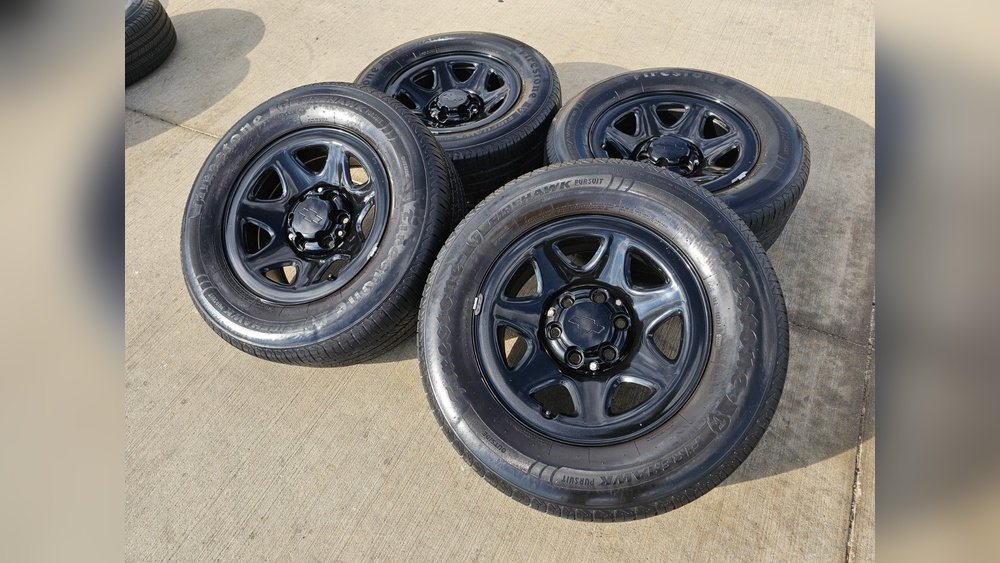
This guide will walk you through the process, from understanding why black wheels are so appealing to the best methods for achieving a durable, professional finish. We'll cover different paint types, preparation steps, application techniques, and crucial maintenance tips.
By the end, you'll have a clear understanding of how to achieve stunning black Jeep steel wheels that enhance your vehicle's presence on and off the road.
Why Choose Black For Your Jeep Steel Wheels?
The allure of black wheels on a Jeep is multifaceted. It's a choice that speaks to both style and a sense of purpose.
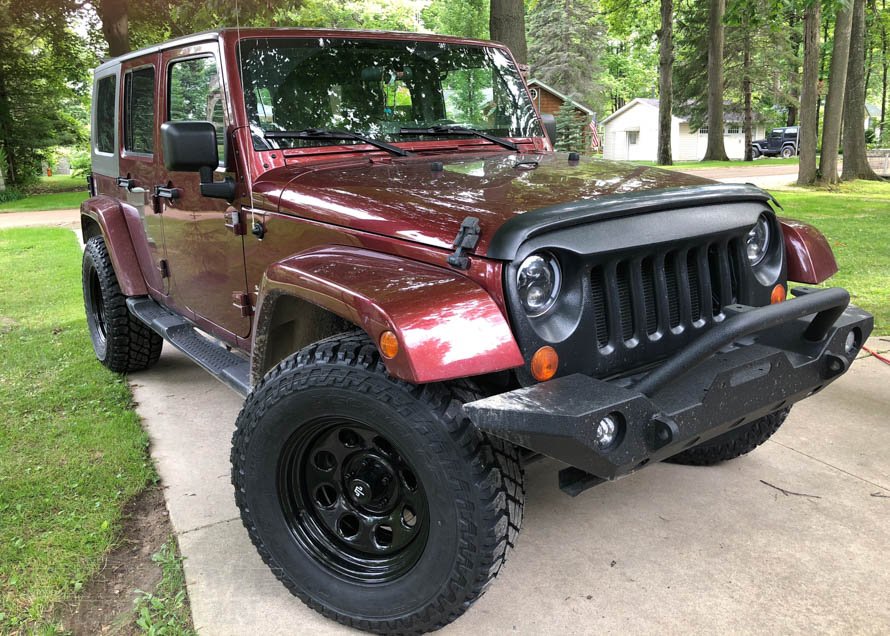
Black offers a versatile canvas that pairs well with almost any Jeep color, from classic white and forest green to bold reds and metallic grays.
It can make standard steel wheels look more premium, mimicking the appearance of aftermarket alloy wheels at a fraction of the cost.
The Aesthetic Appeal
Black is a color that inherently conveys power, sophistication, and a touch of menace. On a Jeep, it translates to a more aggressive stance and a readiness for adventure.
It can make the wheels appear larger and more dominant, especially when paired with larger tires.
For those building a "murdered out" look, an all-black vehicle aesthetic, black wheels are an essential component. They create a seamless visual flow, making the vehicle look cohesive and imposing.
Even on a stock Jeep, black wheels can elevate its appearance, giving it a more finished and customized look.
Practical Benefits
Beyond pure aesthetics, painting steel wheels black offers practical advantages. Steel wheels are known for their durability and affordability, making them a great base for modification. A fresh coat of paint acts as a protective barrier. It shields the metal from rust and corrosion, especially important for Jeeps that frequently encounter mud, water, salt, and other harsh elements. A good paint job can also help hide minor scratches and scuffs that might have accumulated over time, making older wheels look brand new.
Cost-effectiveness
Compared to purchasing a new set of black alloy wheels, painting existing steel wheels is significantly more budget-friendly. High-quality aftermarket wheels can cost hundreds, if not thousands, of dollars.
For a fraction of that price, you can achieve a similar visual impact with a DIY paint job or professional service.
This makes it an accessible modification for many Jeep owners looking to enhance their vehicle’s appearance without breaking the bank.
Types Of Paint For Jeep Steel Wheels
Choosing the right paint is critical for a durable and attractive finish. Steel wheels are subjected to harsh conditions, heat from braking, road debris, and constant exposure to the elements.
Therefore, the paint needs to be tough and resilient.
Spray Paint (enamel/lacquer)
This is the most common and accessible option for DIYers. Enamel spray paints are known for their durability and resistance to chipping. They dry to a hard, glossy finish. Lacquer spray paints dry faster and are often easier to apply, but they can be less durable than enamels. For wheels, look for paints specifically designed for automotive use or high-heat applications, as they are formulated to withstand the temperatures generated by brakes. Many brands offer matte, satin, or gloss black finishes in spray can form.
Wheel Paint Kits
These kits are specifically formulated for automotive wheels. They often come with a primer, color coat, and clear coat, providing a more robust and professional-looking finish than standard spray paint. Wheel paint kits are typically more expensive but offer superior adhesion, chip resistance, and a finish that closely resembles factory-painted wheels. They are available in various finishes, including matte, satin, and gloss black.
Powder Coating
For the most durable and long-lasting finish, powder coating is the professional standard. This process involves applying a dry powder electrostatically to the wheel, which is then cured under heat. The result is an incredibly tough, chip-resistant, and smooth finish that is far more durable than any spray paint. While it’s the most expensive option and requires professional equipment, powder coating offers unparalleled longevity and a factory-quality look. For Jeep owners who plan on extreme off-roading or want the absolute best protection, powder coating is the ultimate choice.
Specialty Paints (e.g., High-heat Engine Paint)
Some enthusiasts opt for high-heat engine paints because they are designed to withstand extreme temperatures. While they can offer good durability, they might not provide the flexibility needed for wheel coatings, potentially leading to cracking. It’s generally best to stick with paints specifically formulated for automotive wheels or those designed for exterior metal applications that can handle UV exposure and impact.
The Preparation Process: The Key To A Lasting Finish
No matter how high-quality your paint is, a poor preparation job will lead to peeling, chipping, and an unsatisfactory finish. This is arguably the most important step in painting your Jeep’s steel wheels.
Cleaning The Wheels Thoroughly
Start by removing the wheels from the Jeep. This allows for easier access and a more thorough job. Use a strong degreaser and a stiff brush to remove all dirt, grime, brake dust, and old wax or sealant. Rinse the wheels thoroughly with water. For stubborn brake dust, a dedicated wheel cleaner might be necessary. Ensure all cleaning agents are completely rinsed off, as residue can interfere with paint adhesion.
Removing Rust And Old Paint
If your steel wheels have rust spots or peeling old paint, these must be addressed. Use sandpaper (starting with a coarser grit like 80-120 and moving to finer grits like 220-320) or a wire brush to remove all traces of rust and loose paint. For larger areas of rust, a wire wheel attachment on a drill or grinder can speed up the process. The goal is to get down to clean, bare metal or a smooth, well-adhered base coat.
Sanding For Adhesion
Even if the wheels are in good condition, a light sanding is crucial for proper paint adhesion. Use fine-grit sandpaper (around 300-400 grit) to scuff the entire surface of the wheel. This creates a slightly rough texture that allows the primer and paint to grip the metal effectively. After sanding, wipe down the wheels with a tack cloth or a lint-free rag dampened with mineral spirits or denatured alcohol to remove all dust and contaminants.
Masking
Protect any areas you don’t want to paint. This includes the valve stems, lug nut holes, and the wheel hub mounting surface. Use automotive masking tape and paper for this. Ensure the tape is applied smoothly and securely to prevent paint from bleeding underneath. If you are not painting the center caps or lug nuts, these should also be masked off.
Priming
A primer is essential for steel wheels, especially if you’ve sanded down to bare metal. It provides a uniform surface, enhances paint adhesion, and helps prevent future rust. Choose a high-quality automotive primer or a direct-to-metal (DTM) primer. Apply 2-3 thin, even coats, allowing adequate drying time between each coat as recommended by the product manufacturer. Lightly sand with very fine-grit sandpaper (600 grit or higher) after the primer has fully cured, then wipe clean again.
Painting Techniques For A Professional Look
With the wheels perfectly prepped and primed, it’s time for the main event: applying the black paint. The key to a smooth, durable finish is applying multiple thin coats rather than one thick coat.
Applying Spray Paint
If using spray cans, hold the can about 8-12 inches away from the surface. Use a smooth, sweeping motion, overlapping each pass by about 50%. Avoid stopping and starting on the wheel surface, as this can lead to drips and uneven coverage.
- First Coat: Apply a light, even coat to tack the surface and ensure coverage.
- Subsequent Coats: Apply 2-3 more thin coats, allowing about 10-15 minutes of drying time between each. The paint should look wet but not runny.
- Final Coat: Apply a final coat for full coverage and desired sheen.
Pro Tip: For a more uniform finish and to avoid drips, you can rotate the wheel as you spray or use a spray can trigger handle that provides a more consistent spray pattern.
Using A Wheel Paint Kit
Wheel paint kits often come with specific instructions. Generally, they involve applying the color coats similarly to spray paint, but often require a specific drying time before applying a clear coat.
- Color Coats: Apply 2-3 thin coats of the black paint, following the manufacturer’s recommended flash-off times between coats.
- Clear Coat: Once the final color coat has flashed off sufficiently (usually 15-30 minutes), apply 2-3 thin coats of the clear coat. The clear coat adds gloss, depth, and crucial protection against scratches and UV damage.
Applying Powder Coating
This method is best left to professionals. The process involves:
- Media Blasting: The wheels are sandblasted to remove all contaminants and create a perfect surface profile.
- Powder Application: A specialized powder is electrostatically applied to the wheel.
- Curing: The wheel is then baked in an oven at a specific temperature, melting the powder into a smooth, durable, and uniform coating.
The result is a finish that is significantly more robust than any spray-applied paint.
Choosing The Right Black Finish
Black isn’t just one color; it comes in various sheens that dramatically affect the final look of your Jeep’s wheels.
Matte Black
Matte black offers a non-reflective, stealthy, and modern appearance. It hides brake dust and minor imperfections better than gloss finishes. It can give a very aggressive and utilitarian look, fitting perfectly with the Jeep’s rugged image. However, matte finishes can be slightly harder to clean, as dirt can sometimes embed in the pores.
Satin Black
Satin black strikes a balance between matte and gloss. It has a slight sheen, offering a bit more depth and making it slightly easier to clean than matte black. It provides a sophisticated yet still aggressive look that is very popular among Jeep enthusiasts.
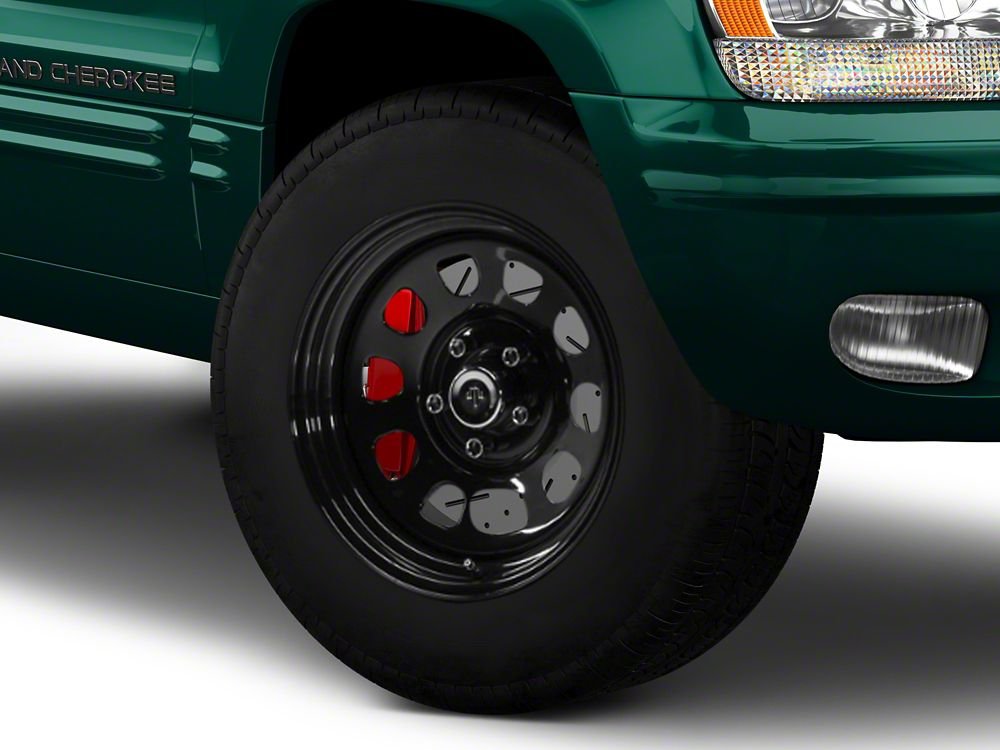
Gloss Black
Gloss black provides a deep, reflective shine that can make your wheels look like mirrors. This finish is eye-catching and can make steel wheels appear more premium. It’s also the easiest to clean, as dirt and grime tend to wipe off more readily. However, gloss finishes can highlight imperfections more readily and may show scratches or swirl marks more prominently over time.
Drying And Curing Times
Patience is a virtue when painting wheels. Rushing the drying and curing process is a common mistake that leads to premature failure of the paint job.
Drying Vs. Curing
Drying refers to the time it takes for the surface of the paint to become touch-dry. This is typically a matter of minutes to a few hours. Curing, however, is the process where the paint hardens completely and reaches its maximum durability. This can take anywhere from 24 hours to several weeks, depending on the type of paint and environmental conditions (temperature, humidity).
Handling And Reassembly
Even after the paint is touch-dry, it's still soft and vulnerable. Avoid handling the wheels or putting them back on the vehicle until they have had at least 24 hours to dry.
For maximum durability, it's best to let them cure for at least 7 days before subjecting them to harsh driving conditions.
When reinstalling the wheels, use a torque wrench to tighten the lug nuts to the manufacturer’s specifications. Overtightening can damage the studs or the wheel, while undertightening can lead to the wheel coming loose.
Maintenance For Long-lasting Black Wheels
Once your Jeep’s steel wheels are painted black, proper maintenance will ensure they stay looking great for years to come.
Regular Cleaning
Wash your wheels regularly with a mild soap and water. Use a soft brush or microfiber mitt to gently remove dirt and brake dust. Avoid abrasive cleaners or harsh chemicals, especially on matte finishes, as they can dull the sheen or damage the paint. Rinse thoroughly and dry with a clean microfiber towel.
Protecting The Finish
For gloss and satin finishes, applying a wheel sealant or a quality car wax after the paint has fully cured can add an extra layer of protection. This helps repel dirt, brake dust, and water, making future cleaning easier and protecting against minor scratches. For matte finishes, specific matte protectants are available that won’t add shine.
Touch-ups
Even with the best preparation, minor chips or scratches can occur, especially if you engage in off-roading. Keep a small amount of your chosen black paint on hand for touch-ups.
Clean the damaged area thoroughly, lightly sand if necessary, and apply a small amount of paint with a fine brush.

Common Mistakes To Avoid
Painting wheels can seem straightforward, but several common pitfalls can ruin the finish.
Inadequate Preparation
As mentioned, this is the biggest mistake. Skipping steps like sanding, degreasing, or rust removal will lead to paint failure.
Applying Paint In Poor Conditions
Painting in direct sunlight, high humidity, extreme cold, or windy conditions can lead to a poor finish. The paint may dry too quickly, run, or attract dust and debris.
Aim for moderate temperatures (60-80°F or 15-27°C) with low humidity.
Applying Coats Too Thickly
Thick coats take longer to dry, are more prone to runs and drips, and may not adhere as well as thin, even coats. Always opt for multiple thin layers.
Not Allowing Enough Drying/curing Time
Reassembling wheels too soon or subjecting them to hard use before the paint is fully cured will almost certainly result in chipping and peeling.
Using The Wrong Type Of Paint
Standard house paint or non-automotive spray paints are not designed to withstand the heat, impact, and environmental exposure that wheels endure.
Alternative: Professional Black Wheel Options
If the DIY route seems daunting or you desire a factory-perfect finish, consider these professional options:
Buying New Black Wheels
The most straightforward way to get black wheels is to purchase them new. Many manufacturers offer steel and alloy wheels in various black finishes.
This guarantees a professional, durable finish from the start.
Professional Powder Coating
As discussed, this is the gold standard for durability. You can have your existing steel wheels professionally stripped, prepped, and powder coated in your choice of black.
This offers a finish that is far superior to any rattle can



















