A Jeep spare wheel cover is more than just an accessory; it's a shield for your tire and a statement of your Jeep's personality. Whether you own a classic Wrangler, a rugged Cherokee, or a versatile Compass, protecting your spare tire is crucial.
It keeps the tire safe from the elements, prevents UV damage, and maintains its readiness for emergencies. Beyond protection, these covers are a canvas for customization, allowing you to express your style, show off your brand loyalty, or even add a touch of humor.
When you think about a Jeep, you often picture it traversing rough terrain, climbing mountains, or cruising along scenic byways. The spare tire is a vital part of that adventure-readiness.
But exposed to constant sunlight, rain, mud, and road salt, this essential component can degrade over time.
A spare tire cover acts as a durable barrier, preserving the integrity of the rubber and ensuring it’s in good condition when you need it most. This article will explore everything you need to know about Jeep spare wheel covers, from their benefits and materials to how to choose the right one and keep it looking great.
Why You Need A Jeep Spare Wheel Cover
Your Jeep's spare tire is a critical safety component. It's designed to get you out of a bind, but only if it's in good working order.
Leaving it exposed to the elements can lead to premature wear and tear, making it less reliable when an emergency strikes.
Protection Against The Elements
The most significant benefit of a spare wheel cover is protection. UV rays from the sun are a major enemy of rubber. Prolonged exposure can cause the tire to dry out, crack, and lose its flexibility. Rain and moisture can lead to rust on the wheel rim, especially if it’s a steel wheel. Road salt, common in winter climates, is highly corrosive and can quickly damage both the tire and the rim. A good quality cover acts as a barrier, keeping these damaging elements away from your spare tire.
Preserving Tire Integrity
A spare tire that sits unused for long periods can still degrade. The rubber compounds can break down, and the tire can lose its shape.
This is particularly true if the tire is exposed to extreme temperatures or direct sunlight.
By covering the spare, you help maintain a more consistent temperature and shield the rubber from harmful UV radiation. This ensures that when you need to use your spare, it performs as it should, providing a safe and reliable ride to the nearest repair shop.
Enhancing Aesthetics And Customization
Beyond its practical function, a spare wheel cover is a fantastic way to personalize your Jeep. Jeeps are known for their individuality, and owners love to make them stand out. Covers come in a vast array of designs, colors, and materials. You can opt for a rugged, camouflage look to match your off-road adventures, a sleek black cover for a sophisticated appearance, or even a custom cover with your favorite sports team’s logo or a funny slogan. It’s a relatively inexpensive way to add a unique touch to your vehicle’s exterior.
Preventing Theft
While not its primary purpose, a spare wheel cover can offer a minor deterrent against tire theft. If your spare is a popular or expensive model, a cover can make it slightly less appealing or harder to quickly remove without drawing attention. This is especially true for covers that require tools to remove or have locking mechanisms.
Types Of Jeep Spare Wheel Covers
Jeep spare wheel covers are available in various materials and designs, each offering different levels of protection and aesthetic appeal. Understanding these options will help you choose the best cover for your needs.
Vinyl Covers
Vinyl covers are one of the most popular choices due to their affordability and versatility. They are typically made from durable, weather-resistant vinyl.
- Pros: Lightweight, easy to clean, available in a wide range of colors and designs, relatively inexpensive. Many feature soft, felt-like backing to protect the tire and wheel finish.
- Cons: Can become brittle and crack in extreme cold over time, may fade in direct sunlight if not UV-treated, less durable than heavier materials.
- Best for: Casual use, mild climates, those looking for a cost-effective and customizable option.
Plastic/abs Covers
These covers are made from hard plastic, often ABS (Acrylonitrile Butadiene Styrene), the same material used in many automotive parts. They offer a more rigid and substantial form of protection.
- Pros: Excellent protection against impacts and the elements, durable, can be painted to match your Jeep’s color, provides a smooth, finished look.
- Cons: More expensive than vinyl, can be scratched or cracked if hit hard, installation might be slightly more involved, may not fit all aftermarket wheels perfectly.
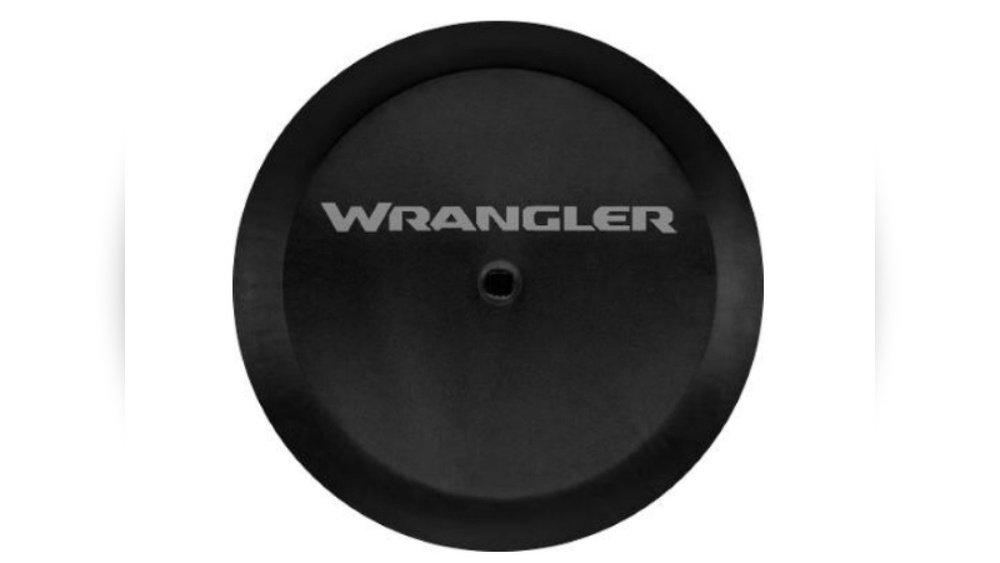
- Best for: Off-roading, areas with harsh weather conditions, owners who want a factory-like appearance.
Tire Tread Covers
Some covers are designed to mimic the look of a tire tread, offering a rugged aesthetic. These are often made from heavy-duty vinyl or rubberized materials.
- Pros: Aggressive, off-road look, good protection, often made from durable materials.
- Cons: Can be heavier, design might not appeal to everyone, cleaning might require more effort.
- Best for: Jeep owners who prioritize a rugged, utilitarian appearance.
Fabric/nylon Covers
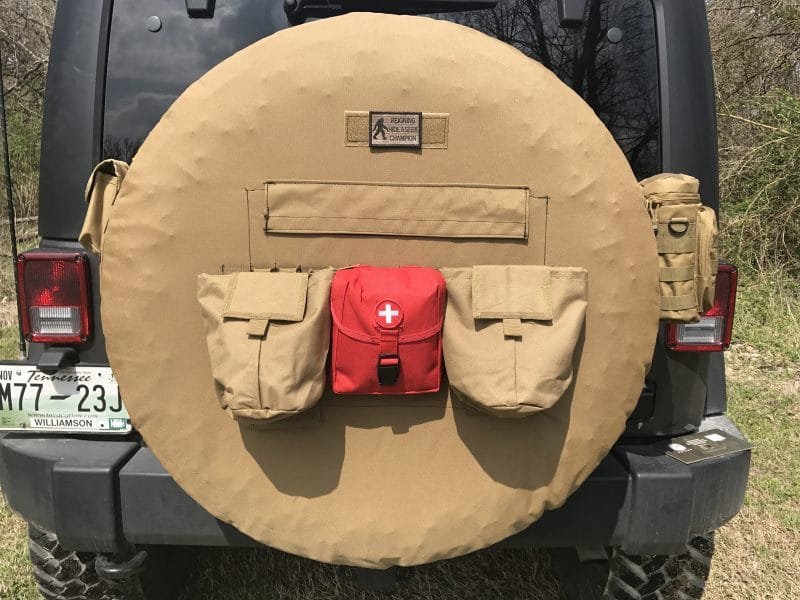
Made from durable fabrics like heavy-duty nylon or canvas, these covers offer a good balance of protection and flexibility.
- Pros: Breathable (can help prevent moisture buildup), durable, resistant to tearing, often UV-resistant.
- Cons: Can be more expensive than basic vinyl, may not offer the same level of impact protection as hard plastic.
- Best for: All-around protection, moderate climates, owners seeking a balance of durability and breathability.
Custom And Graphic Covers
This category includes covers with specific designs, logos, or custom artwork. They can be made from various materials like vinyl, fabric, or even painted metal.
- Pros: Highly personalized, allows for unique self-expression.
- Cons: Can be significantly more expensive, quality varies greatly depending on the manufacturer.
- Best for: Owners who want a truly unique look and are willing to invest in custom design.
Choosing The Right Jeep Spare Wheel Cover
Selecting the perfect spare wheel cover involves considering several factors, from the size of your tire to your personal style and budget.
Tire Size And Fitment
This is the most crucial factor. Spare wheel covers are designed to fit specific tire dimensions. You need to know the tire size of your spare. This information is usually found on the sidewall of the tire itself and follows a format like P255/75R17. The cover’s manufacturer will list the tire sizes it is compatible with. Ensure the cover you choose explicitly states compatibility with your spare tire’s diameter and width. An improperly fitting cover can flap in the wind, be difficult to install, or even fall off.
Material Quality And Durability
Consider the materials used and how they will hold up to your local climate and driving conditions.
- UV Resistance: If you live in a sunny area, look for covers with good UV protection to prevent fading and cracking.
- Water Resistance: For areas with frequent rain or snow, a water-resistant cover is essential to protect the wheel from rust and moisture.
- Cold Weather Performance: If you experience freezing temperatures, ensure the material won’t become brittle and crack easily. Hard plastic covers might be more susceptible to cracking in extreme cold than flexible vinyl or fabric.
Ease Of Installation And Maintenance
Most spare wheel covers are designed for easy installation, often just slipping over the tire and securing with an elastic hem or buckles. Some hard plastic covers might require a bit more effort, potentially involving screws or clamps.
Maintenance is also a consideration. Vinyl and plastic covers are generally easy to wipe clean with soap and water. Fabric covers might require more specific cleaning instructions, depending on the material. Consider how much effort you’re willing to put into keeping the cover looking its best.
Style And Aesthetics
Your Jeep is an extension of your personality. The spare wheel cover is a prime spot for customization.
- Color: Match your Jeep’s paint color, choose a contrasting shade, or go for a classic black or silver.
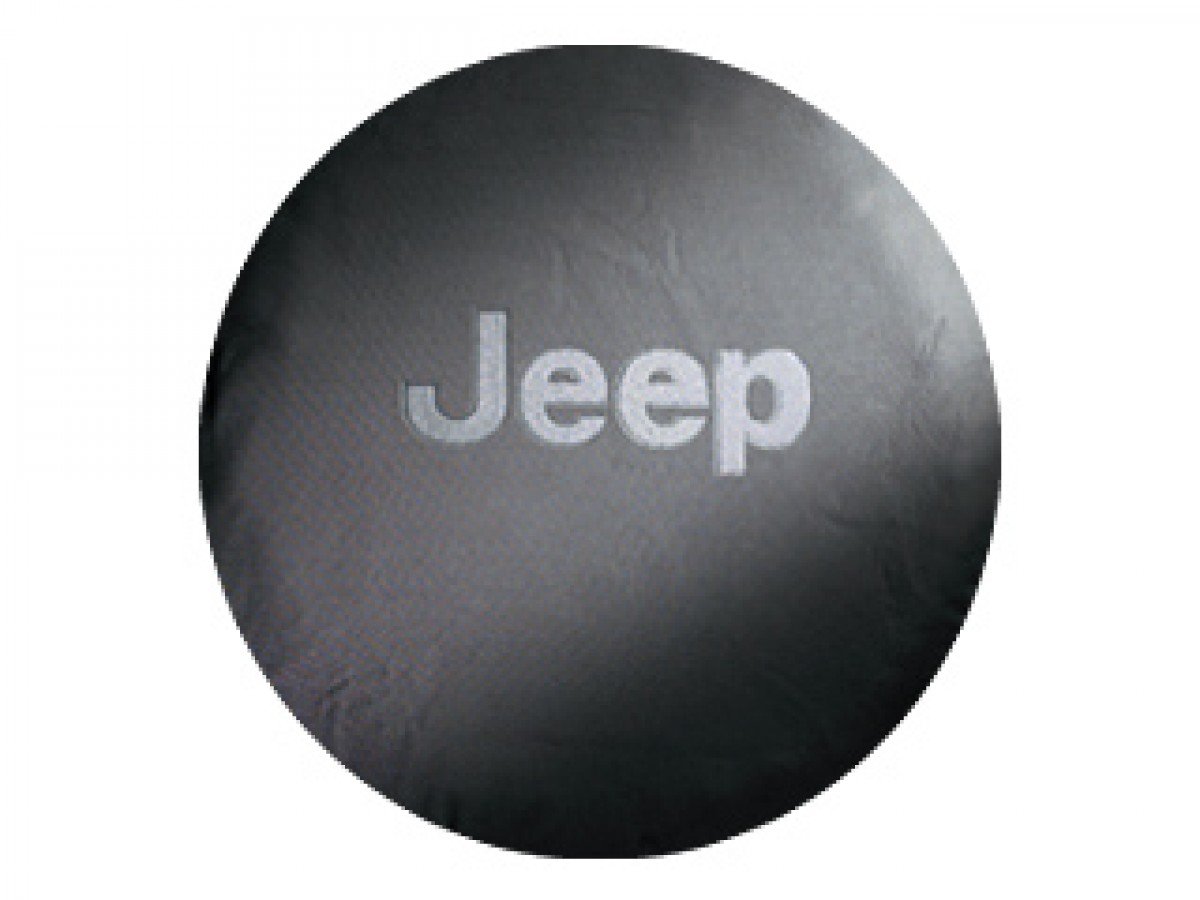
- Design: Do you prefer a plain cover, a branded logo (like Mopar, Jeep, or an aftermarket brand), a graphic print, or something humorous?
- Finish: Hard plastic covers offer a smooth, uniform finish, while vinyl and fabric covers can have different textures.
Budget
Spare wheel covers range significantly in price.
- Basic vinyl covers can be found for $20-$50.
- Higher quality vinyl or fabric covers might cost $50-$100.
- Hard plastic or custom-painted covers can range from $100 to $300 or more.
Determine how much you’re willing to spend and then look for the best option within that range, prioritizing fit and material quality.
Additional Features
Some covers come with extra features that might be beneficial:
- Locking mechanisms: For added security against theft.
- Backup camera housing: If your Jeep has a factory backup camera integrated into the spare tire mount, ensure the cover accommodates it.
- Soft inner lining: To protect the wheel’s finish from scratches.
Popular Jeep Models And Specific Cover Considerations
Different Jeep models have varying spare tire locations and sizes, which can influence cover choice.
Jeep Wrangler (jk, Jl)
The Jeep Wrangler is perhaps the most iconic Jeep, and its spare tire is almost always mounted externally on the tailgate. This exposed position makes it highly susceptible to the elements.
- Size: Wrangler spares are typically large, often 33-inch, 35-inch, or even larger for modified vehicles. Ensure the cover matches these substantial dimensions.
- Camera Integration: JL Wranglers (2018+) often have a backup camera mounted in the center of the spare wheel. Many aftermarket covers are designed to accommodate this, sometimes with a specific cutout or a redesigned mounting bracket. For JK models (2007-2017), camera integration is less common unless added aftermarket.
- Offset Wheels: If you run aftermarket wheels with a different offset, the spare tire might sit further out or in, potentially affecting how a cover fits.
Jeep Grand Cherokee
The Grand Cherokee typically carries its spare tire *underneath* the vehicle, accessible from the rear. While this offers better protection from direct sunlight and casual damage, the underside location exposes it to road grime, salt, and moisture.
- Underbody Spare: Covers for underbody spares are less common and often focus on protecting the tire from road debris and corrosion rather than UV damage. They might be simpler, more utilitarian covers.
- Fitment: Ensure any cover designed for an underbody spare doesn’t interfere with the lowering mechanism.
Jeep Cherokee (kl)
Similar to the Grand Cherokee, the Cherokee KL (2014-2026) often has its spare tire mounted underneath, accessed from the rear.
- Protection Needs: The primary concern here is protection from road spray, salt, and dirt. A durable, water-resistant cover is key.
- Availability: Finding specific covers for underbody spares might require more searching than for externally mounted spares.
Jeep Compass & Renegade
These smaller SUVs may have either underbody or externally mounted spares, depending on the model year and configuration.
- Compact Size: Their spare tires are often smaller than those on Wranglers or Grand Cherokees. Always verify the specific tire size (e.g., 215/60R17) and ensure the cover is designed for it.
- Versatility: Covers for these models are often more generic, focusing on basic protection and a clean look.
Pro Tip: Before purchasing, double-check the compatibility not just with your Jeep model but also with your specific tire size and any aftermarket modifications you might have (like larger tires or different wheels).
Maintaining Your Jeep Spare Wheel Cover
A spare wheel cover, like any automotive accessory, benefits from proper care to ensure longevity and maintain its appearance. Regular maintenance can prevent premature wear and keep it looking sharp.
Cleaning Your Cover
The cleaning method depends on the material of your cover.
- Vinyl and Plastic: These are generally the easiest to clean. Use a soft cloth or sponge with mild soap and water. For stubborn dirt or grime, a gentle degreaser can be used, but always test it on an inconspicuous area first. Rinse thoroughly and allow to air dry completely. Avoid abrasive cleaners or harsh chemicals, as they can damage the finish or material.
- Fabric/Nylon: Follow the manufacturer’s specific cleaning instructions. Often, a gentle soap solution and a soft brush work well. For tougher stains, specialized fabric cleaners might be needed. Ensure the fabric dries completely before reinstalling to prevent mildew.
- Hard Plastic: A simple wash with car soap and water is usually sufficient. A plastic polish can help restore shine if the surface becomes dull.
Protecting Against Uv Damage
Even with UV-resistant materials, prolonged, intense sun exposure can take a toll.
- Waxes and Protectants: Applying a UV protectant spray or a quality automotive wax specifically designed for vinyl or plastic can add an extra layer of defense against sun damage. Reapply periodically, especially after washing.
- Parking: Whenever possible, park in shaded areas or a garage to minimize direct sun exposure.
Inspecting For Damage
Periodically inspect the cover for any signs of wear and tear.
- Cracks and Tears: Check for any cracks, especially along seams or edges, which can worsen over time.
- Fading: Note any significant fading, which might indicate the material’s UV resistance is diminishing.
- Loose Fittings: Ensure elastic hems are still snug and buckles or fasteners are secure.
Winter Care
In areas with snow and ice, road salt is a major concern.
- Frequent Rinsing: Rinse the cover regularly during winter months to remove salt and grime buildup, which can be corrosive.
- Check for Ice Damage: Ensure ice doesn’t get trapped in seams or under the cover, which could potentially tear the material when you drive.
Common Issues And Troubleshooting
Even with the best intentions, you might encounter a few common problems with your Jeep spare wheel cover.
Cover Doesn’t Fit Properly
- Problem: The cover is too tight, too loose, or doesn’t cover the entire tire.
- Solution: Double-check that you ordered the correct size for your tire dimensions. If you have aftermarket wheels or tires, confirm compatibility. Sometimes, a cover might need a little stretching (if vinyl/fabric) or adjustment (if hard plastic) to fit perfectly. If it’s fundamentally the wrong size, you’ll need to exchange it



















