If you own a Jeep or plan to upgrade its wheels, understanding the Jeep rim lug pattern is crucial. The lug pattern, also called the bolt pattern, determines which wheels fit your Jeep safely.
Many Jeep owners get confused by numbers like “5×127” or “6×139. 7,” but knowing what these mean can save you from costly mistakes.
This guide breaks down everything you need to know about Jeep rim lug patterns, why they matter, and how to avoid common pitfalls when choosing new rims.
What Is A Jeep Rim Lug Pattern?
The lug pattern is the arrangement of the bolts that hold the wheel to your Jeep’s hub. It’s written as two numbers, like “5×114.3.” The first number shows how many lug holes (or bolts) are on the rim. The second is the diameter, in millimeters, of the circle that passes through the center of each lug hole.
For example, a “5×127” pattern means:
- 5 lug holes
- The holes form a circle that is 127 mm across
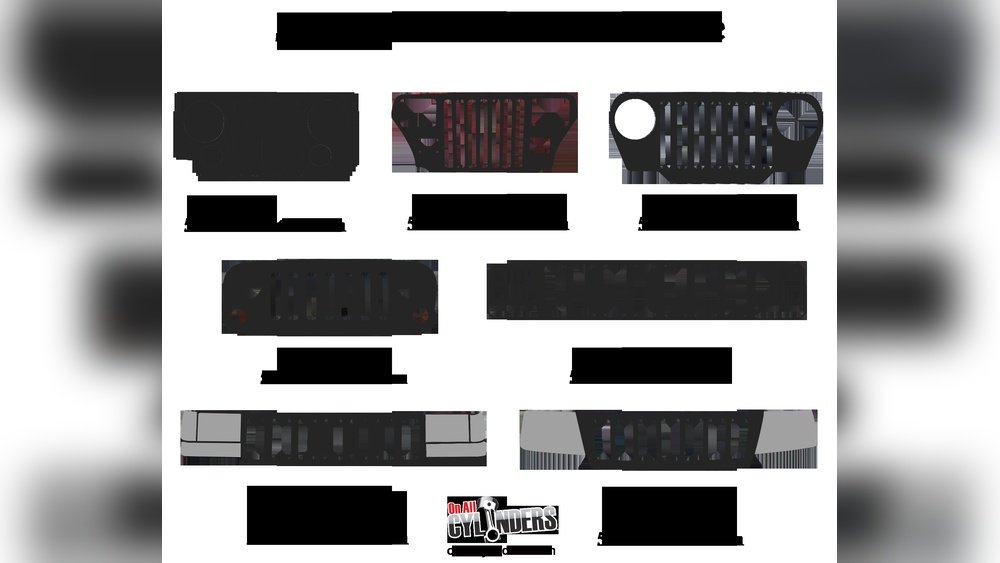
Jeep rim lug patterns are not all the same. Older models, Wranglers, Cherokees, and Gladiators may each use a different pattern.
Choosing the wrong pattern means the wheels won’t fit or could be unsafe to drive.
Common Jeep Lug Patterns By Model
Jeep models have used several lug patterns over the years. Here are the most common ones:
| Jeep Model | Year Range | Lug Pattern |
|---|---|---|
| Wrangler YJ | 1987–1995 | 5×114.3 mm (5×4.5″) |
| Wrangler TJ | 1997–2006 | 5×114.3 mm (5×4.5″) |
| Wrangler JK/JL | 2007–Present | 5×127 mm (5×5″) |
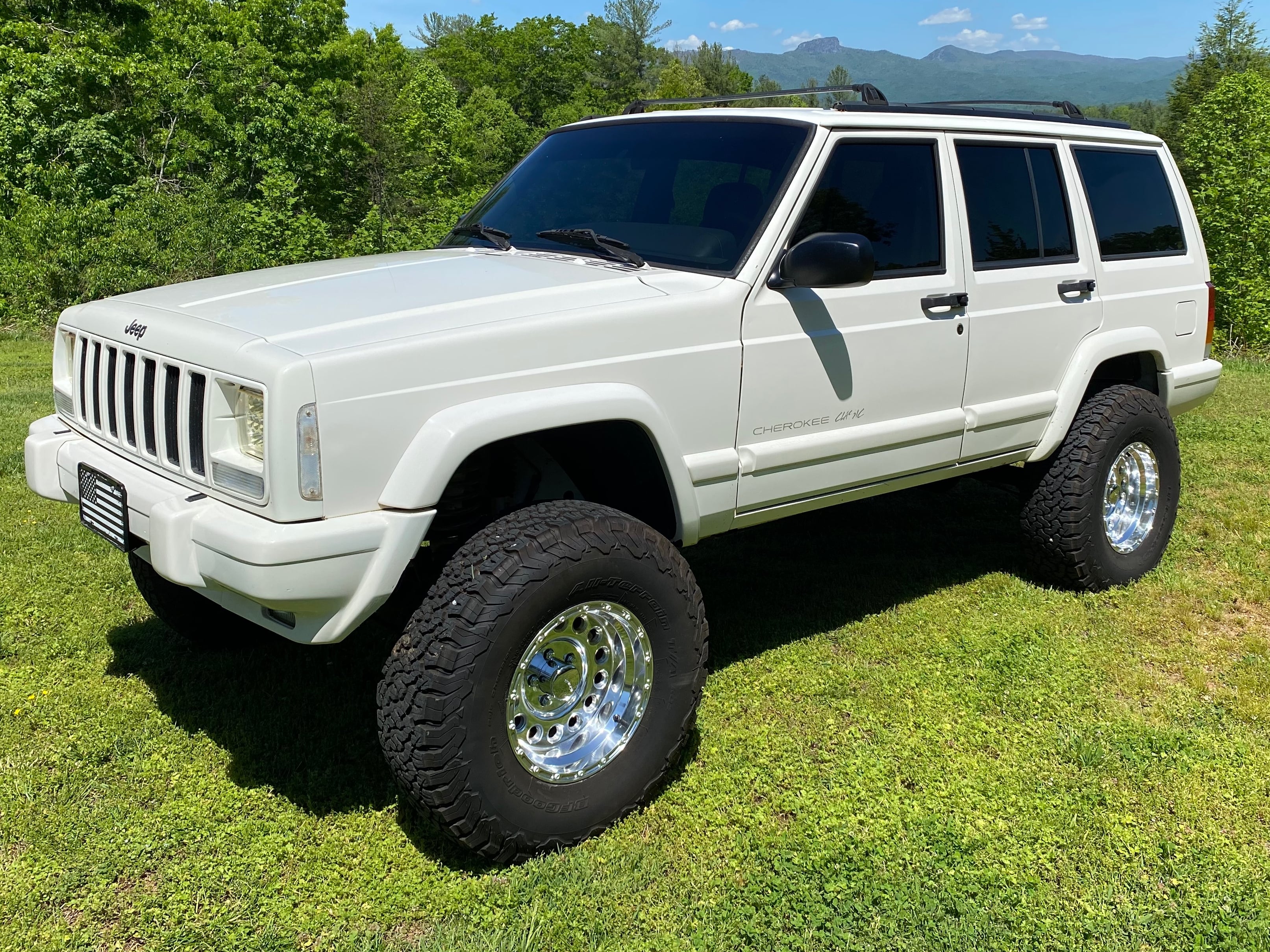
| Cherokee XJ | 1984–2001 | 5×114.3 mm (5×4.5″) |
| Grand Cherokee (WK2) | 2011–2026 | 5×127 mm (5×5″) |
| Gladiator JT | 2020–Present | 5×127 mm (5×5″) |
Non-obvious insight: Even similar models, like Wrangler TJ and JK, use different lug patterns. Always double-check your model and year.
Why The Lug Pattern Matters
The lug pattern affects both safety and wheel performance. If you use wheels with the wrong pattern:
- The bolts may not line up, making installation impossible.
- Even if you force the fit, the wheel can wobble or break loose.
- It can damage the hub, suspension, or brake parts.
Some people try using adapters or spacers. While these can sometimes work, they add stress to the wheel and may lead to safety risks. It’s always better to use wheels that match your Jeep’s original pattern.
How To Measure A Jeep Lug Pattern
If you’re not sure about your Jeep’s lug pattern, you can measure it yourself.
- Count the lug holes: Most Jeeps have 5, but some have 6 or 8.
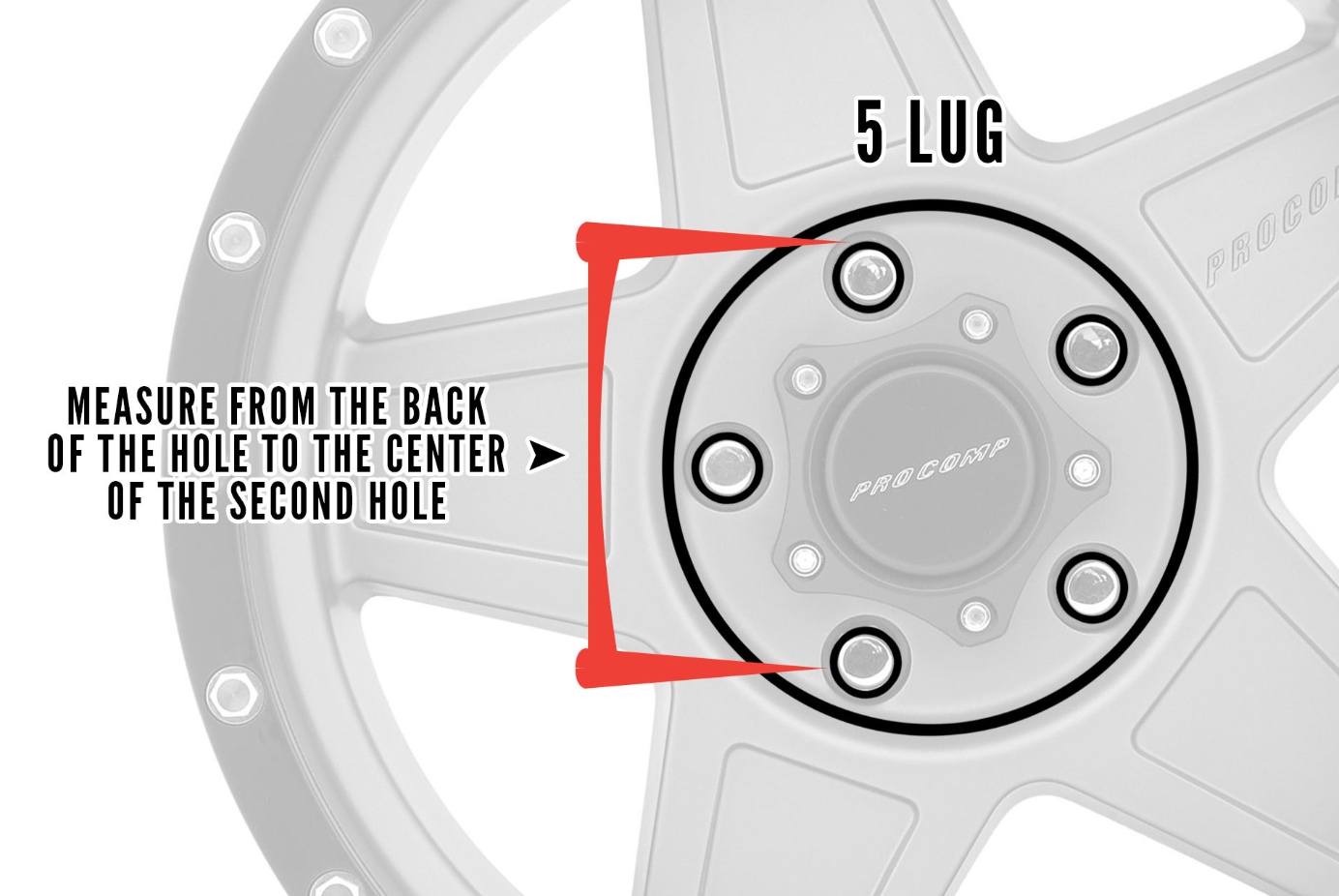
- Measure the circle diameter: For even-numbered lugs, measure from the center of one lug to the center of the lug straight across. For odd-numbered lugs (like 5), measure from the center of one lug to the far edge of the second lug, skipping one.
Here’s a quick guide for 5-lug patterns:
| Lug Count | How to Measure |
|---|---|
| 4 or 6 | Center of one lug to center of lug directly opposite |
| 5 | Center of one lug to the far edge of the second lug (skip one) |
Practical tip: Always measure in millimeters for accuracy. US models sometimes use inches, so check both.
Other Key Factors When Choosing Jeep Rims
Besides the lug pattern, other details matter when picking new wheels:
- Center bore: The hole in the center of the rim must fit the hub exactly. Too large or small causes vibration.
- Offset: This is the distance from the rim’s mounting surface to the wheel’s center line. The wrong offset affects handling and tire wear.
- Bolt size and thread pitch: Not all 5-lug wheels use the same bolt thickness or thread type. Double-check before buying.
- Wheel size (diameter and width): Make sure the new rim fits your Jeep’s tires and wheel wells.
Non-obvious insight: Aftermarket wheels may advertise “universal fit,” but these rarely fit without extra adapters or hardware. Always verify compatibility for your specific Jeep model.
Jeep Rim Lug Pattern And Wheel Upgrades
Upgrading your Jeep’s wheels is popular for off-roading and style. Here’s how lug patterns impact upgrades:
- Aftermarket wheels: Many are designed for common patterns like 5×127 mm. Still, always check the specs.
- Wheel spacers/adapters: These can let you fit wheels with different patterns, but they must be high quality and installed correctly.
- Resale value: Using the wrong pattern or poor-quality adapters can reduce your Jeep’s value and even void warranties.
- Tire shops: Most will refuse to install wheels with the wrong pattern, to avoid liability.
Example: A Jeep Wrangler JK owner tried to use old TJ wheels. The 5×114.3 pattern did not fit the JK’s 5×127 hubs, leading to wasted time and money.

Jeep Lug Pattern Mistakes To Avoid
Many Jeep owners make the following mistakes:
- Assuming all Jeeps use the same pattern: This is not true, even within the same model family.
- Trusting “universal” wheels: These almost always require adapters.
- Ignoring offset and center bore: Lug pattern is only one part of the fitment puzzle.
To avoid problems, always check:
- Your Jeep’s year, model, and trim.
- The exact pattern and size specs.
- Advice from trusted sources, like the official Jeep site.
What Is The Most Common Jeep Rim Lug Pattern?
The most common pattern for modern Jeeps (Wrangler JK, JL, Gladiator, and Grand Cherokee WK2) is 5×127 mm (5×5″). Older Wranglers and Cherokees often use 5×114.3 mm (5×4.5″).
Can I Use Wheels From Another Jeep On My Model?
Only if the lug pattern, center bore, and offset match. For example, Wrangler JK wheels won’t fit a TJ without adapters due to different patterns.
Are Wheel Adapters Safe To Use?
High-quality adapters, installed by professionals, can be safe. However, they add stress to the hub and should only be used if absolutely necessary.
How Do I Find My Jeep’s Lug Pattern?
Check your owner’s manual or look online for your model and year. You can also measure the pattern yourself using a ruler or tape measure.
Do Aftermarket Rims Fit All Jeeps?
No. Aftermarket rims must match your Jeep’s lug pattern, center bore, bolt size, and offset. Always double-check specifications before buying.
Getting your Jeep rim lug pattern right means more than just matching bolt holes. It’s about safety, performance, and getting the most from your Jeep—whether you’re on city streets or rugged trails. When in doubt, consult your manual, measure carefully, and buy from trusted sources. That way, you’ll enjoy both the look and the ride of your upgraded wheels, worry-free.