The Jeep Renegade is a popular subcompact SUV known for its unique design and off-road abilities. But like any modern vehicle, it relies heavily on complex electrical systems.
Whether you’re a DIY enthusiast, a mechanic, or just a curious owner, understanding the wiring diagram for the Jeep Renegade can save you time, money, and frustration. This guide explains what a wiring diagram is, why it matters, and how to use one for repairs or upgrades.
By the end, you’ll know how to approach electrical problems in your Renegade with more confidence—even if you’re not an expert.
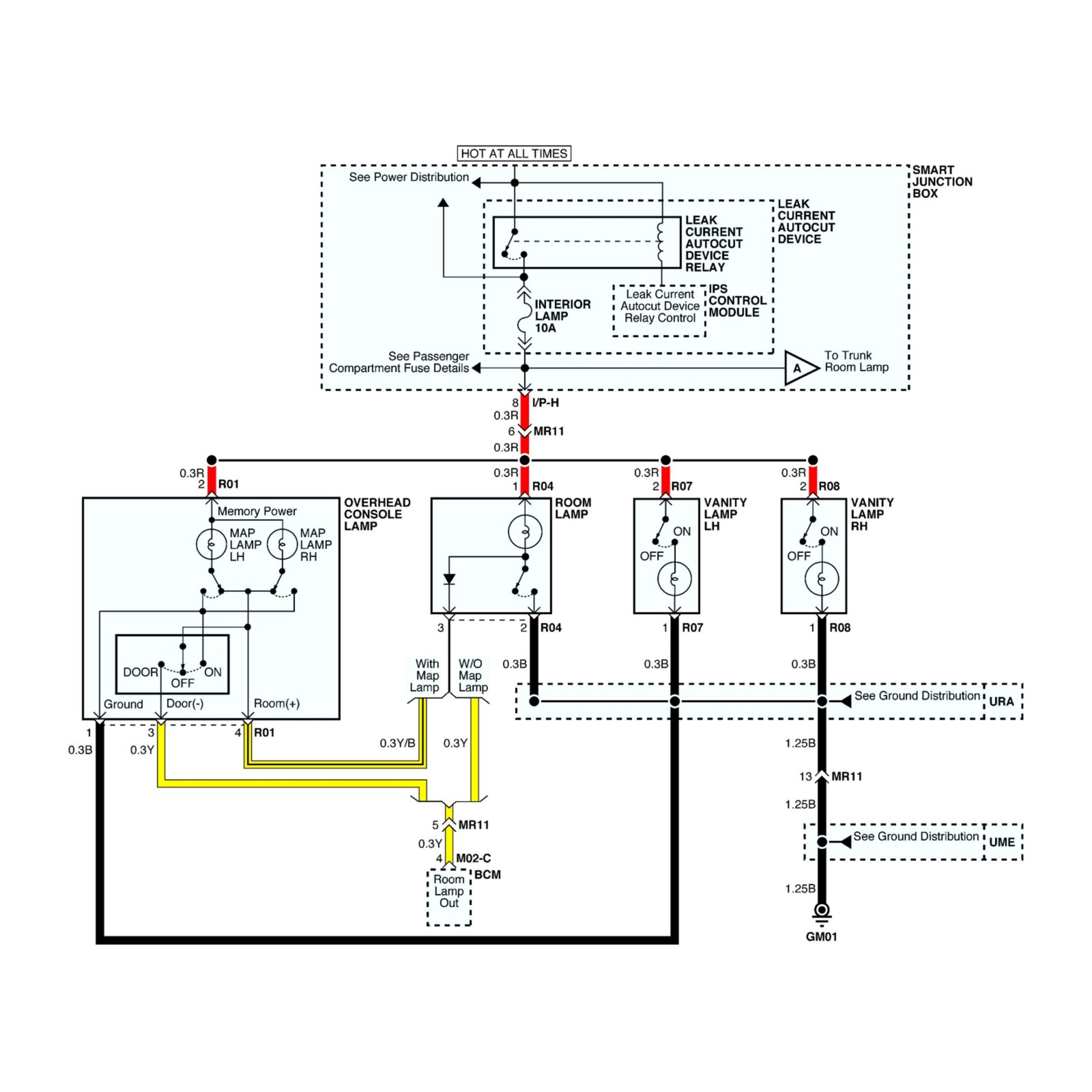
What Is A Wiring Diagram?
A wiring diagram is a visual representation of a vehicle’s electrical system. It uses lines and symbols to show how components like lights, sensors, relays, and switches connect. For the Jeep Renegade, wiring diagrams cover everything from the starter circuit to the infotainment system. They don’t just show what wire goes where—they explain how electricity flows and which parts work together.
Wiring diagrams are different from schematics or circuit diagrams. Schematics show the logic behind circuits, while wiring diagrams focus on physical connections. This makes wiring diagrams especially useful for troubleshooting real-world problems.
Why The Jeep Renegade Wiring Diagram Matters
Modern vehicles like the Renegade use advanced electronics for safety, comfort, and performance. Even simple issues—like a window that won’t roll down—could be caused by a faulty switch, broken wire, or blown fuse. A wiring diagram helps you:
- Locate components quickly
- Trace wires and find breaks or shorts
- Understand color codes and connector types
- Plan upgrades (like adding fog lights or a dash cam)
Without a diagram, fixing electrical issues is mostly guesswork. With one, you can approach problems logically and avoid expensive mistakes.

Key Features Of Jeep Renegade Wiring Diagrams
Most Jeep Renegade wiring diagrams share common features:
- Color codes: Wires are color-coded (e.g., BK for black, WT for white, RD for red) to match what you see in the vehicle.
- Component symbols: Each part (like a relay or switch) has a unique symbol. A legend explains these.
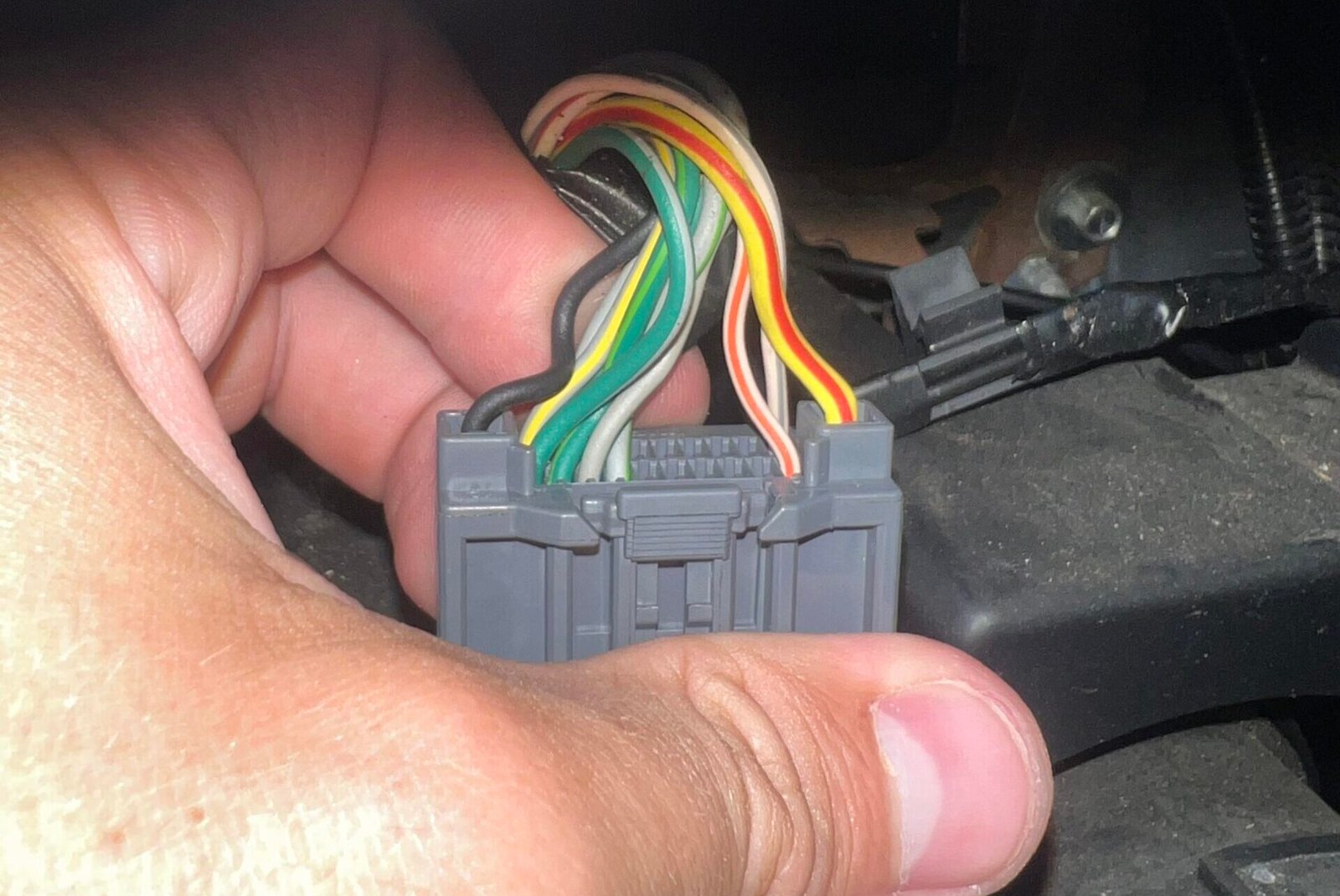
- Connector views: Diagrams often include images of connectors, showing pin locations and numbers.
- Ground and power points: Key locations where circuits connect to the battery or vehicle body.
Here’s a simplified example:
| Symbol | Meaning | Common Location |
|---|---|---|
| ⏚ | Ground | Chassis/body |
| ⏻ | Switch | Dash/doors |
| ⚡ | Power Source | Battery/fuse box |
| 🞄 | Connector Pin | Wiring harness |
Most diagrams also show wire gauges and fuse ratings, which are critical for safe repairs.
Types Of Jeep Renegade Wiring Diagrams
The Jeep Renegade has many circuits, so there are different diagrams for different systems. Some common types include:
- Engine management: Shows sensors, ECU, ignition, and fuel system wiring.
- Lighting: Headlights, tail lights, turn signals, interior lamps.
- Climate control: Blower motor, controls, sensors.
- Infotainment and accessories: Radio, speakers, USB ports.
- Power windows and locks: Switches, motors, relays.
- Safety systems: Airbags, ABS, traction control.
Each diagram zeroes in on a specific function to avoid overwhelming you with information.

How To Read A Jeep Renegade Wiring Diagram
Reading a wiring diagram can seem complicated, but with practice, anyone can learn. Here’s a step-by-step approach:
1. Identify The System
Start by knowing which system you’re troubleshooting. For example, if your power windows stop working, find the power window wiring diagram.
2. Locate The Main Components
Look for the main parts involved in the circuit: switches, fuses, relays, motors, and grounds. These are usually labeled and easy to spot.
3. Trace The Circuit Path
Follow the wires from power source to end component. Notice any connectors or splices. Pay attention to the wire colors—they help you match the diagram to your car’s wiring.
4. Check For Fuses And Relays
Most electrical issues are caused by a blown fuse or faulty relay. The diagram will show where these are and which ones protect the circuit.
5. Understand Symbols
Refer to the diagram’s legend for any unfamiliar symbols. Jeep diagrams use standard automotive symbols, but there are always a few unique ones.
Example: Power Window Circuit
Here’s a basic table comparing two Renegade power window circuits:
| Component | Driver Window | Rear Window |
|---|---|---|
| Switch Location | Driver door | Rear door |
| Number of Wires | 6 | 4 |
| Fuse Rating | 30A | 20A |
| Common Issue | Broken switch | Damaged wire |
Notice how the fuse rating and number of wires differ. Always check the right diagram for your window.
Where To Find Jeep Renegade Wiring Diagrams
Wiring diagrams are found in several places, but not all sources are equally reliable. Here are your main options:
- Jeep Service Manual: The official service manual has the most accurate diagrams. These can be bought online or sometimes found in PDF form.
- Aftermarket repair guides: Brands like Haynes and Chilton offer books with wiring diagrams, though they may be less detailed.
- Online forums and communities: Sites like JeepRenegadeForum.com often share diagrams for specific model years.
- Automotive databases: Services like AllData or Mitchell1 (usually paid) give access to professional-level diagrams.
For most owners, the official Jeep manual or a trusted online source is best. Always check you have the diagram for the correct model year and engine type.
Common Wiring Problems In The Jeep Renegade
Even with good engineering, Renegades can have electrical issues. Some of the most frequent problems include:
- Broken door harness wires: Repeated opening and closing can break wires in the door jamb.
- Corroded connectors: Moisture can cause rust, especially in older models or wet climates.
- Blown fuses: Overloaded circuits or shorted wires can blow fuses, cutting power to windows, lights, or accessories.
- Loose grounds: A poor connection to the chassis can cause strange electrical behavior.
- Software glitches: Sometimes, the issue isn’t a wire but a computer module that needs resetting.
If you notice flickering lights, random warning messages, or accessories that work sometimes but not always, suspect a wiring or connection issue.
Step-by-step: Tracing A Faulty Circuit
Let’s walk through a practical example: your Renegade’s right rear tail light is out.
- Check the bulb: Replace if it’s burned out.
- Check the fuse: Use the diagram to find the right fuse. Replace if blown.
- Test for power: With a test light or multimeter, check for voltage at the tail light socket.
- Inspect the connector: Look for corrosion or loose pins.
- Trace the wire back: Use the diagram to follow the wire from the light to the fuse box. Look for damage or breaks.
- Check the ground: Make sure the ground connection is clean and tight.
If all else fails, the problem could be in a control module or deeper in the harness. But most issues are simple and can be found with patience and a good wiring diagram.
Tips For Using Wiring Diagrams Effectively
- Print out the relevant pages so you can mark them up.
- Use colored pencils or markers to trace circuits.
- Double-check wire colors; sometimes they fade or get dirty in the car.
- Label wires with tape if you disconnect multiple at once.
- Work methodically; don’t jump around or skip steps.
A common mistake is to replace parts without checking the wiring first. This can waste money and time. Always verify wires and connectors before buying new switches or motors.
Upgrades And Customizations
Many Renegade owners like to add accessories—like off-road lights, dash cams, or upgraded stereos. A wiring diagram helps you:
- Find safe power sources (avoid overloading circuits)
- Route new wires without interfering with airbag or safety systems
- Identify the best grounding points
- Integrate with factory switches for a clean look
Never splice into critical circuits (like airbags or engine controls) unless you know exactly what you’re doing. When in doubt, ask a professional.
Here’s a quick comparison of safe vs. risky upgrade wiring points:
| Upgrade Type | Safe Wiring Point | Risky Wiring Point |
|---|---|---|
| Fog lights | Accessory fuse box | Airbag wiring |
| Dash cam | Cigarette lighter circuit | Instrument cluster wiring |
| Aftermarket stereo | Radio harness | Body control module |
Always use proper fuses and relays for any new accessory.
Advanced: Can Bus And Modern Jeep Wiring
The Renegade uses a CAN bus system—a network that lets electronic modules talk to each other. This system reduces wiring complexity but means that many signals are digital, not simple on/off wires. For example, the window switch sends a command to a computer, which then powers the window motor.
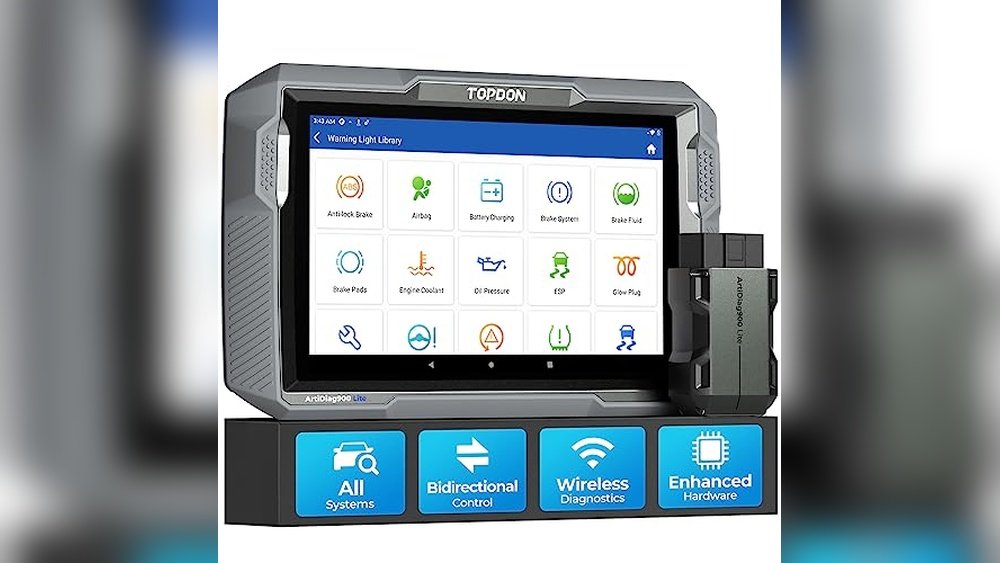
If you plan to modify or troubleshoot advanced systems, you’ll need wiring diagrams that show the CAN bus as well as traditional wiring. Faults here often require a scan tool to read error codes.
A non-obvious insight: Sometimes, a wiring problem can set off unrelated warning lights, because modules share wiring or data paths. If you see multiple errors at once, check shared power or grounds first.
Safety Reminders
- Disconnect the battery before working on any wiring.
- Never bypass fuses; always use the correct rating.
- Be careful with airbags; accidental deployment can cause injury.
- Use insulated tools and wear gloves when needed.
- Test circuits after repairs to confirm the problem is fixed.
Even experienced mechanics double-check wiring before making changes.
Further Resources
For more information, the official Mopar Owner Site offers manuals and guides for Jeep vehicles. Always reference the correct manual for your model year.
Frequently Asked Questions
How Do I Find The Correct Wiring Diagram For My Jeep Renegade Model Year?
The best source is the official Jeep service manual or a trusted automotive database. Always match the diagram to your exact model year and engine type, as wiring can change even between similar years.
Why Do Wire Colors In My Renegade Not Match The Diagram?
Sometimes wire colors fade or get dirty, or Jeep may change color codes between production runs. If unsure, trace wires by position and connector pin number, not just color.
Can I Fix Electrical Problems Myself With A Wiring Diagram?
Yes—many issues like blown fuses, loose connectors, or broken wires can be fixed with basic tools and a good diagram. For complex issues or safety systems, consider getting professional help.
What Tools Do I Need To Use A Wiring Diagram Effectively?
Basic tools include a multimeter, test light, wire strippers, and good lighting. A set of small picks and terminal release tools is also helpful for working with connectors.
Are Aftermarket Wiring Diagrams Reliable?
Some, like Haynes or Chilton, are useful, but may lack detail for advanced systems. Always prefer the official Jeep manual if possible, especially for airbags, engine management, and CAN bus systems.
Wiring diagrams are a powerful tool for owners and mechanics alike. With practice, you can solve many common Jeep Renegade electrical problems and make safe, reliable upgrades. Always work carefully, double-check your diagram, and don’t hesitate to ask for help if you’re stuck.