The dashboard of your Jeep Renegade may look simple, but the warning lights it shows are anything but basic. These small symbols can signal minor alerts or serious problems.
Knowing what each light means can help you avoid costly repairs and keep you safe on the road. Whether you’re a new owner or have driven a Renegade for years, understanding these warning lights is essential.
This guide will walk you through each main warning light, what it means, and what you should do if you see one. You’ll also get tips, real examples, and answers to common questions, so you can drive with confidence.
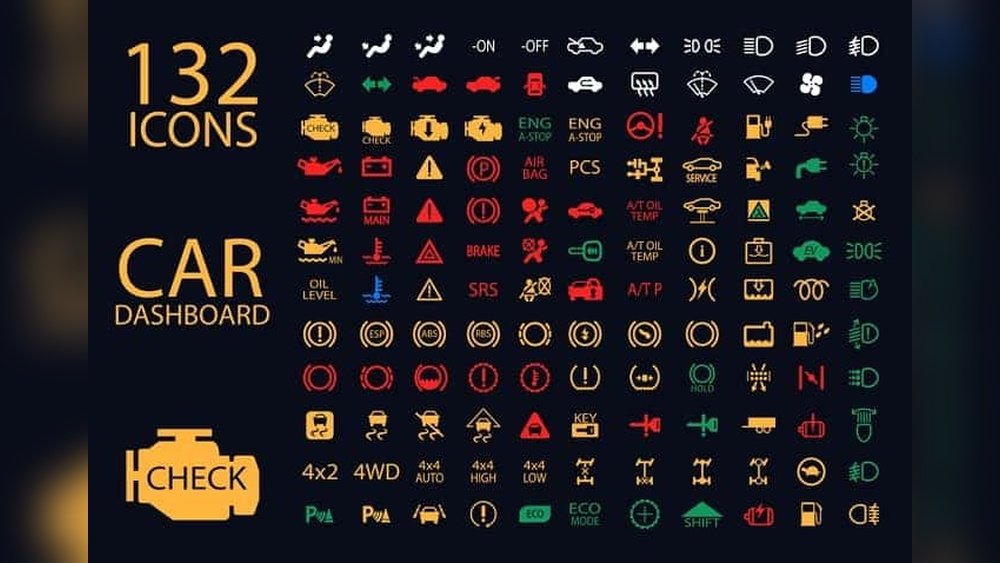
Why Dashboard Warning Lights Matter
Dashboard warning lights are not just decorations. They are the car’s way of talking to you.
Some lights are reminders, while others warn of real danger. Ignoring a warning can turn a small problem into a big one.
For example, driving with low oil pressure can destroy your engine in minutes.
On the other hand, not fastening your seatbelt only triggers a reminder chime.
Many drivers get confused because the Jeep Renegade uses both universal and brand-specific symbols. Some are familiar, like the oil can or seatbelt icon. Others, like the red lightning bolt, can be hard to understand at first. Quick action can save you money and stress.
The Main Jeep Renegade Warning Lights Explained
Below are the most common warning lights you’ll see on a Jeep Renegade dashboard. We’ll explain their meaning, what you should do, and any extra tips to help you react the right way.
Engine Warning Light (check Engine)
This symbol looks like an engine outline, usually yellow or orange. It’s one of the most important lights.
- What it means: There’s a problem with the engine or emissions system.
- What to do: If it’s solid, check for obvious issues (loose gas cap, low oil). If flashing, stop driving as soon as possible. A flashing light means a serious issue, like a misfire, which can damage your engine.
Non-obvious insight: A loose or faulty gas cap is a common cause, but ignoring the light for weeks can mask bigger problems.
Oil Pressure Warning Light
Shaped like an old oil can, this light is always red.
- What it means: Low oil pressure, which can destroy your engine fast.
- What to do: Pull over and turn off the engine. Check oil level and look for leaks. Do not drive until fixed.
Tip: Even if oil level seems fine, the oil pump or filter may be failing.
Battery/charging System Warning Light
This icon looks like a car battery.
- What it means: Problem with the charging system or battery.
- What to do: Turn off any extra electrical devices (A/C, radio). Drive to a service center. If the car loses power, stop and get help.
Insight: Cold weather can trigger this light, but repeated appearances often mean your battery or alternator is nearing failure.
Brake System Warning Light
This circle with an exclamation mark or “BRAKE” text is always red.
- What it means: Parking brake is on, brake fluid is low, or there’s a brake system problem.
- What to do: Make sure the parking brake is released. If the light stays on, check brake fluid. If fluid is fine, have the brakes checked immediately.
Important: Never ignore this light, especially if you notice a soft brake pedal or poor braking.
Abs Warning Light
The letters “ABS” in a circle, usually yellow or amber.
- What it means: There’s a problem with the anti-lock brake system.
- What to do: Regular brakes will still work, but ABS will not. Drive carefully and have the system checked soon.
Example: ABS failure can cause longer stops on wet or icy roads.
Tire Pressure Monitoring System (tpms) Warning
This symbol looks like a flat tire with an exclamation mark.
- What it means: One or more tires are under-inflated.
- What to do: Check and adjust tire pressures. If the light flashes, the system itself may be faulty.
Insight: Sudden drops in outside temperature can trigger this light without a real problem.
Airbag Warning Light
A person with a circle (airbag) in front of them, usually red or yellow.
- What it means: Airbag or seatbelt system has a fault.
- What to do: Airbags may not deploy in a crash. Schedule service as soon as possible.
Coolant Temperature Warning Light
A thermometer in waves, always red.
- What it means: Engine is overheating.
- What to do: Stop the vehicle, turn off the engine, and let it cool down. Check coolant level only when cool.
Tip: Running the heater at full blast can help reduce engine heat temporarily.
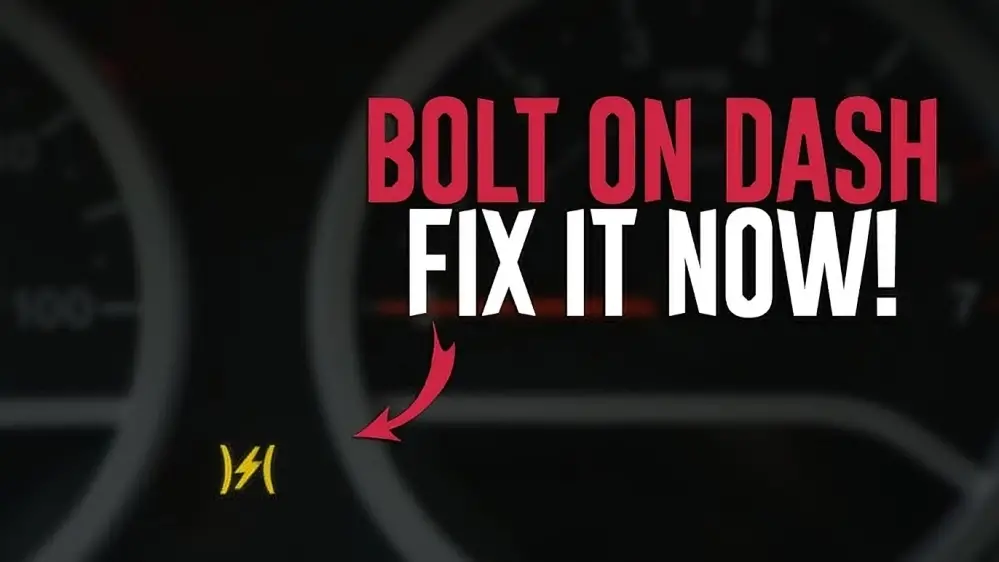
Electronic Throttle Control (etc) Warning Light
A red lightning bolt in parentheses.
- What it means: Problem with the electronic throttle.
- What to do: You may notice poor acceleration or “limp mode.” Pull over safely and restart the car. If the light stays on, get service soon.
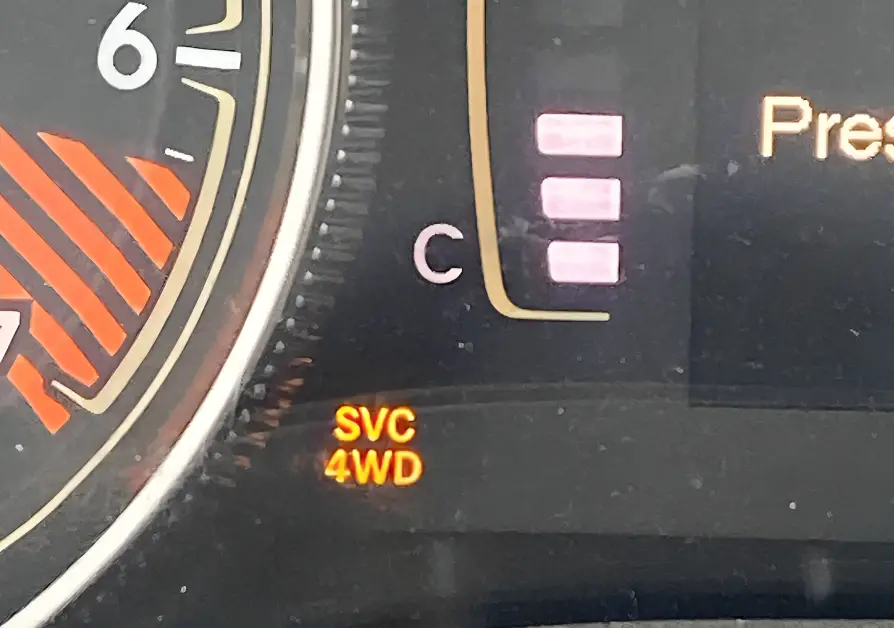
Service 4wd Warning Light
Text or symbol showing “4WD” or a car on uneven ground.
- What it means: The four-wheel drive system needs attention.
- What to do: 4WD may not work. Drive carefully, especially in bad conditions.
Electronic Stability Control (esc) Warning Light
A car with squiggly lines under it.
- What it means: ESC is off or malfunctioning.
- What to do: You may lose traction control. Drive gently and have it checked.
Seat Belt Reminder Light
A person with a seatbelt icon, usually red.
- What it means: A seatbelt is not fastened.
- What to do: Buckle up! The light will usually turn off.
Fuel Level Warning Light
A yellow gas pump icon.
- What it means: Low fuel.
- What to do: Fill up soon. Running out can damage the fuel pump.
Door Ajar Warning Light
A car with open doors.
- What it means: One or more doors are open.
- What to do: Close all doors fully before driving.
Quick Reference: Jeep Renegade Dashboard Lights
For a fast overview, here’s a summary of the main warning lights and their meanings:
| Warning Light | Color | Meaning | Action Needed |
|---|---|---|---|
| Engine (Check Engine) | Yellow/Orange | Engine/Emissions Problem | Check ASAP, Stop if Flashing |
| Oil Pressure | Red | Low Oil Pressure | Stop Immediately |
| Battery/Charging | Red | Battery/Charging Fault | Service Soon |
| Brake System | Red | Brake Issue/Parking Brake | Check Fluid/Service |
| ABS | Yellow/Amber | ABS System Fault | Drive with Caution |
| TPMS | Yellow | Low Tire Pressure | Check Tires |
Color Codes And What They Mean
The color of a warning light tells you how urgent it is:
| Color | Type of Alert | Example Lights |
|---|---|---|
| Red | Serious, Stop Now | Oil Pressure, Brake, Coolant Temp |
| Yellow/Orange | Caution, Service Soon | Check Engine, ABS, TPMS |
| Green/Blue | Info, System Active | Cruise Control, High Beams |
Key insight: Not all lights mean a problem. Some, like cruise control or high beam indicators, simply show when a feature is active.

What To Do When A Warning Light Appears
Seeing a new symbol on your dash can be stressful. Here’s how to react:
- Stay calm – Most issues let you drive to a safe place.
- Check the color – Red means stop soon, yellow/orange means caution.
- Look for other symptoms – Listen for noises, feel for changes in the way your car drives.
- Consult your owner’s manual – Each Renegade model year may have slight differences.
- Get help if unsure – A mechanic can scan for error codes and explain the cause.
Don’t ignore warning lights hoping they’ll go away. Many problems get worse and more expensive over time.
Common Mistakes Drivers Make
Even experienced drivers make mistakes with dashboard lights. Here are some to avoid:
- Ignoring flashing lights – Especially the check engine light. This often means a serious engine problem.
- Driving with red lights on – Red means stop, not “drive a little farther.”
- Using online forums as your only guide – They can help, but always double-check with the manual or a professional.
- Resetting the system without fixing the problem – Some scan tools can turn off the light, but the fault is still there.
- Assuming all lights mean the same thing on every car – Jeep Renegade has some unique symbols.
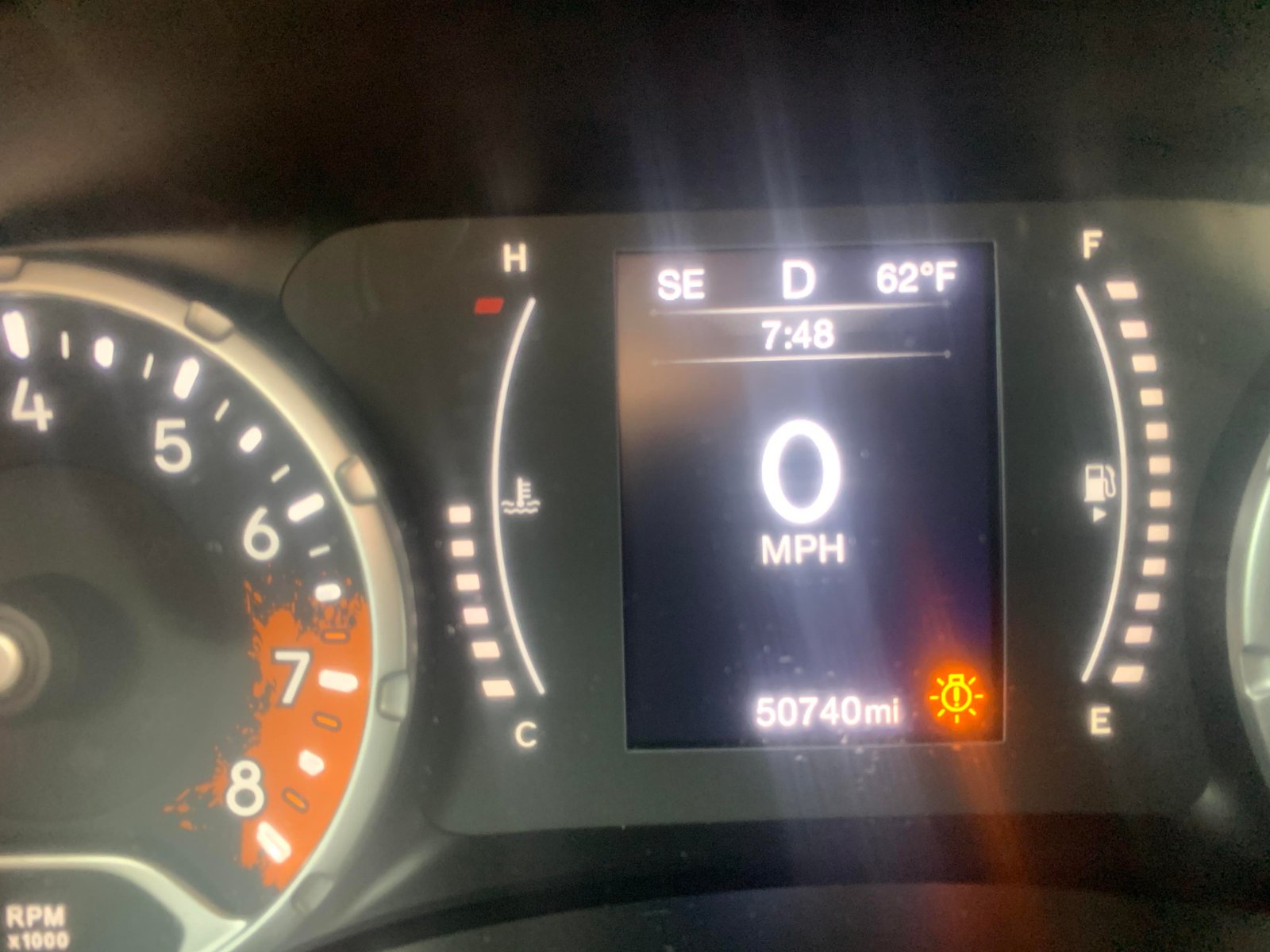
How To Reset Jeep Renegade Warning Lights
Sometimes, fixing the problem does not turn off the warning light right away. Here’s what you can try:
- Drive for a few cycles – Some systems need a few starts and stops to reset.
- Disconnect the battery – Removing the negative cable for 10 minutes can reset many systems. Be careful, as this can erase radio presets and settings.
- Use an OBD-II scanner – Many auto parts stores offer free scans and resets.
Important: If the problem is not fixed, the light will come back. Always fix the root cause first.
Real Examples From Jeep Renegade Owners
Many Renegade owners share stories about warning lights that helped them avoid big problems.
- One driver saw the oil pressure light and stopped right away. A quick check revealed a massive oil leak. Stopping saved the engine.
- Another driver ignored the check engine light for months, thinking it was just a gas cap. When the car started running rough, it turned out to be a failing ignition coil—an easy fix if caught early.
- A third driver noticed the TPMS light after a cold snap. Tire pressure was only a little low, but topping up the air prevented uneven tire wear.
Insight: Sometimes, multiple lights appear together. This can mean a bigger problem, like a failing alternator affecting many systems.
How Jeep Renegade Warning Lights Compare To Other Suvs
The Jeep Renegade shares many warning lights with other modern SUVs, but a few are different. Here’s a quick comparison:
| Warning Light | Jeep Renegade | Honda HR-V | Ford EcoSport |
|---|---|---|---|
| Electronic Throttle Control (ETC) | Yes (Lightning Bolt) | No | No |
| Service 4WD | Yes | No | Yes |
| TPMS | Yes | Yes | Yes |
| ABS | Yes | Yes | Yes |
Tip: If you switch from another SUV to a Renegade, spend time learning the unique warning lights.