The Jeep Renegade is a popular compact SUV, known for its rugged styling and off-road capabilities. For many owners, a crucial aspect of vehicle preparedness is the spare tire.
However, the Renegade, like many modern vehicles, often comes equipped with a space saver spare wheel, also known as a temporary spare or donut spare. This isn't a full-size tire, and understanding its limitations, proper use, and maintenance is essential for any driver.
This article will explore everything you need to know about the Jeep Renegade space saver spare wheel, ensuring you're prepared for unexpected situations on the road.
Understanding The Space Saver Spare Wheel
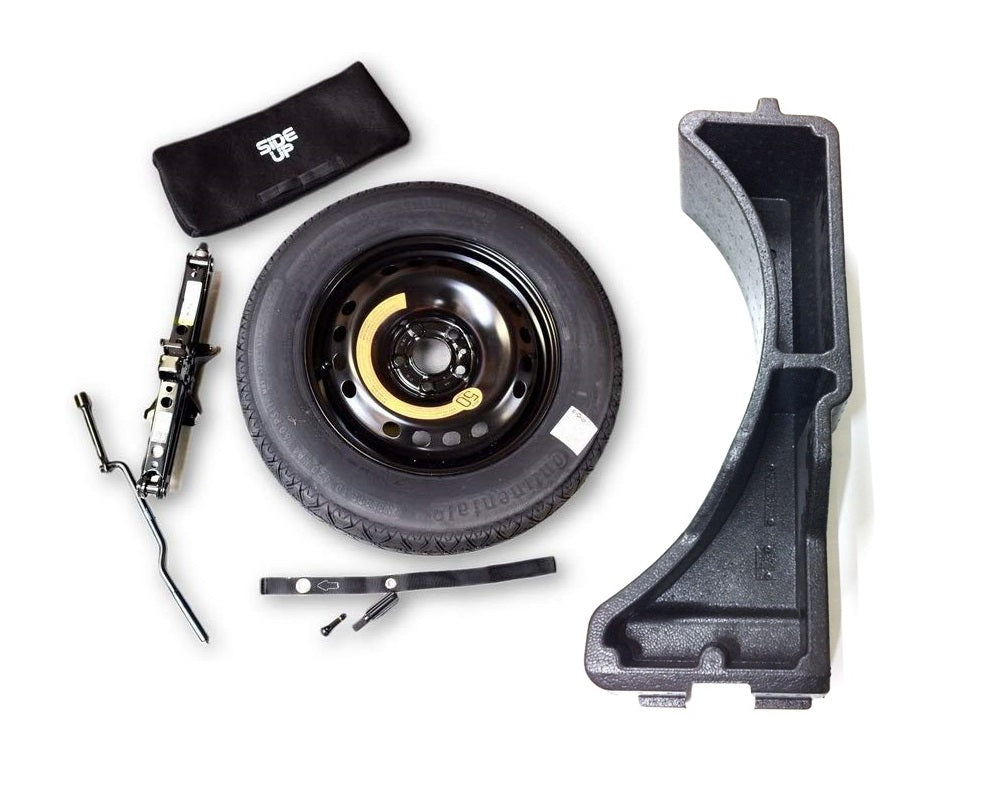
A space saver spare wheel is designed to be a temporary solution when a regular tire is damaged. It’s significantly smaller and lighter than a standard tire, both in diameter and width. This compact design allows it to fit into a smaller storage space within the vehicle, which is why manufacturers opt for them to save room and reduce overall weight. For the Jeep Renegade, this means the spare tire is typically located under the cargo floor, freeing up valuable space for luggage or gear.
The primary advantage of a space saver is its size and weight. It takes up less room and is easier to handle than a full-size spare. However, this comes with significant trade-offs. The reduced size means it has a smaller contact patch with the road, affecting handling and braking. The tire itself is also constructed differently, often with a higher air pressure requirement and a lower speed and mileage rating. This is why it’s crucial to understand that this is not a permanent replacement for your regular tire.
Why Jeeps Use Space Savers
Many manufacturers, including Jeep for the Renegade, choose space saver spares for several reasons. The most prominent is fuel efficiency. A lighter spare tire contributes to a lower overall vehicle weight, which can slightly improve fuel economy. More importantly, the smaller size allows for a more compact vehicle design, maximizing interior cargo space. In a vehicle like the Renegade, which aims to be practical for everyday use and occasional adventures, maximizing interior volume is a key selling point.
Another factor is cost. Space saver spare wheels are generally less expensive to manufacture than full-size tires. While this might seem like a minor consideration for the consumer, it’s a significant factor for automakers when producing vehicles in large volumes. The trade-off for this cost saving is the temporary nature of the spare, meaning owners will eventually need to purchase a replacement for their damaged full-size tire.
Physical Characteristics And Differences
When you look at a Jeep Renegade space saver spare wheel, the differences from your regular tires are immediately apparent. They are typically much narrower, and their overall diameter is often smaller. This difference in diameter can affect the vehicle’s speedometer and odometer readings, making them less accurate. The tread pattern is also usually simpler, designed for basic functionality rather than performance or longevity.
The sidewall of a space saver spare will clearly state its limitations. You'll find maximum speed ratings, usually around 50 mph (80 km/h), and a limited mileage recommendation, often around 50-70 miles (80-110 km).
The required tire pressure is also significantly higher than that of a standard tire, often reaching 60 psi.
This is because the smaller, lighter construction requires more pressure to support the vehicle’s weight.
Using Your Space Saver Spare Effectively
If you find yourself with a flat tire, the process of using your space saver spare requires careful attention to detail. It's not as simple as just swapping out the wheels.
Understanding the correct procedure and limitations will help you get to a repair shop safely and prevent further damage.
The Changing Process
- Find a Safe Location: As soon as you realize you have a flat, pull over to a safe, level spot away from traffic. Engage your hazard lights.
- Gather Your Tools: Locate your spare tire, jack, and lug wrench. These are usually found under the cargo floor in the Renegade. Consult your owner’s manual if you’re unsure.
- Loosen Lug Nuts: Before jacking up the vehicle, use the lug wrench to loosen the lug nuts on the flat tire. Turn them counter-clockwise. Loosen them only about a half to a full turn; do not remove them yet.
- Position the Jack: Place the jack under the designated jacking point near the flat tire. Your owner’s manual will show you the correct locations. Ensure the jack is stable.
- Raise the Vehicle: Operate the jack to lift the vehicle until the flat tire is completely off the ground.
- Remove Lug Nuts and Flat Tire: Fully unscrew the lug nuts and set them aside in a safe place. Then, carefully remove the flat tire and lay it flat on the ground.
- Mount the Space Saver: Place the space saver spare tire onto the wheel studs.
- Install Lug Nuts: Screw the lug nuts back on by hand until they are snug.
- Lower the Vehicle: Slowly lower the vehicle using the jack until the spare tire is firmly on the ground.
- Tighten Lug Nuts: Use the lug wrench to tighten the lug nuts securely. Tighten them in a star pattern to ensure even pressure.
- Final Lowering and Tightening: Lower the vehicle completely and remove the jack. Give the lug nuts a final, firm tightening in the star pattern.
Important Precautions And Limitations
The most critical aspect of using a space saver spare is adhering to its limitations. These tires are not designed for long distances or high speeds.
- Speed Limit: Never exceed 50 mph (80 km/h). Driving faster can lead to loss of control, tire failure, or damage to your vehicle’s drivetrain.
- Distance Limit: Avoid driving more than 50-70 miles (80-110 km). The tire’s construction is not meant for sustained use, and prolonged driving can cause it to overheat or fail.
- Driving Conditions: Avoid rough roads, potholes, and harsh braking or acceleration. The smaller tire is more susceptible to damage.
- Handling Changes: You will notice significant changes in your vehicle’s handling. Steering may feel lighter, and braking distances will be longer. Drive cautiously and be prepared for these differences.
- Tire Pressure: Regularly check the tire pressure. It should be maintained at the high level indicated on the sidewall (often 60 psi). A low-pressure space saver is even more dangerous.
What To Do After Installing The Spare
Once the space saver spare is on your Renegade, your immediate goal should be to get to a tire shop or mechanic. Do not treat this as a long-term solution.
- Drive Directly to a Repair Shop: Your priority is to have your damaged tire repaired or replaced as soon as possible.
- Inform Mechanics: Let the repair shop know you have a space saver spare installed. They will need to address the original tire issue.
- Check Your Owner’s Manual: Always refer to your Jeep Renegade owner’s manual for specific instructions regarding jacking points, lug nut torque specifications, and spare tire information.

Maintenance And Care Of Your Space Saver
Even though it’s a temporary tire, proper maintenance of your space saver spare is vital. A neglected spare can be as useless as a flat tire when you need it most.
Regular Inspection
The space saver spare should be inspected periodically, ideally every few months, and certainly before any long road trip.
- Tire Pressure: This is the most critical check. Ensure it’s inflated to the manufacturer’s recommended pressure (found on the tire’s sidewall). Even temporary spares can lose air over time.
- Visual Inspection: Look for any signs of damage, such as cracks, bulges, cuts, or embedded objects. Even minor damage can compromise its integrity.
- Tread Depth: While not as critical as pressure, ensure there is sufficient tread for basic traction.
Storage Considerations
When the spare is not in use, it needs to be stored correctly.
- Secure Fit: Make sure it’s properly secured in its designated spot. A loose spare can become a projectile in an accident.
- Clean and Dry: Keep the area around the spare clean and dry to prevent corrosion or damage to the tire.
- Avoid Chemicals: Keep the spare away from oil, gasoline, and other chemicals that can degrade the rubber.
When To Replace Your Space Saver
Space saver spares have a limited lifespan, even if they haven’t been used.
- Age: Tires degrade over time due to exposure to the elements and the rubber compounds aging. Most manufacturers recommend replacing tires, including spares, after 6-10 years, regardless of tread wear. Check the tire’s DOT code for its manufacturing date.
- Damage: Any visible damage, as mentioned earlier, means the tire should be replaced immediately.
- After Use: If you have used the space saver spare, it’s often recommended to replace it, especially if you drove it near its speed or distance limits. The stresses of being used can weaken the tire.
Comparing Space Savers To Full-size Spares
The decision to use a space saver spare in vehicles like the Jeep Renegade is a compromise. Understanding how it stacks up against a full-size spare highlights these trade-offs.
Advantages Of Space Savers
- Space Efficiency: This is the primary benefit. They allow for a smaller storage compartment, increasing overall cargo volume in the vehicle.
- Weight Savings: Lighter weight contributes to slightly better fuel economy and easier handling for the driver during installation.
- Cost: Generally less expensive for manufacturers to produce and purchase as a replacement.
Disadvantages Of Space Savers
- Temporary Use Only: They are not a substitute for a regular tire and must be replaced quickly.
- Reduced Performance: Compromised handling, braking, and stability.
- Speed and Distance Limits: Strict limitations on how fast and how far you can drive.
- Inaccurate Speedometer/Odometer: Can lead to incorrect speed readings and mileage tracking.
- Potential for Damage: More susceptible to damage from road hazards due to their smaller size and construction.
When A Full-size Spare Might Be Better
For drivers who frequently venture into remote areas or off-road, a full-size spare offers significant advantages.
- Unrestricted Driving: No speed or distance limitations (other than those of the tire itself).
- Consistent Performance: Maintains the vehicle’s original handling and braking characteristics.
- Durability: More robust and better able to withstand challenging conditions.
- Peace of Mind: Offers greater confidence when traveling far from service centers.
However, a full-size spare requires more storage space, which might not be feasible in smaller vehicles like the Renegade without compromising cabin or cargo room. Some vehicles might offer a full-size spare as an optional upgrade, or it might fit only if the vehicle is equipped with a specific tire size.
Common Issues And Troubleshooting
While space saver spares are generally reliable for their intended temporary purpose, some common issues can arise.
Tire Pressure Loss
The most frequent problem is losing air pressure. This can happen due to slow leaks, valve stem issues, or simply natural air loss over time.
- Solution: Regular checks are key. If you find low pressure, inflate it immediately. If it continues to lose air rapidly, the tire may have a puncture or a faulty valve stem and needs professional inspection.
Difficulty Removing Or Installing
Sometimes, the spare tire or the jack can be difficult to access or operate, especially if the vehicle is dirty or has been exposed to harsh weather.
- Solution: Keep the spare tire well and the tools clean. Familiarize yourself with the process in a stress-free environment before you actually need it. If the lug nuts are seized, a breaker bar might be needed, but use caution not to damage the studs.
Vehicle Not Behaving Correctly
After installing the spare, some drivers report unusual noises, vibrations, or handling issues beyond what’s expected.
- Solution: Ensure the spare is correctly seated on the wheel studs and that the lug nuts are torqued properly. Double-check that you haven’t exceeded the speed limit. If problems persist, it might indicate an issue with the vehicle’s drivetrain or suspension, or a faulty spare tire. It’s best to have the vehicle inspected.
The Dilemma Of A Damaged Space Saver
What if your space saver spare itself gets damaged while in use?
- Solution: This is a critical situation. If the space saver is damaged and you are far from a repair shop, you may need to call for roadside assistance. Driving on a damaged temporary spare is extremely dangerous. Do not attempt to drive if the tire is visibly compromised or if it’s causing significant handling problems.
The Future Of Spare Tires
The trend towards eliminating spare tires altogether, or relying solely on space savers and run-flat tires, continues in the automotive industry. This is driven by the constant push for lighter vehicles, better fuel economy, and more interior space.
Run-flat Tires
Run-flat tires are designed to allow a vehicle to be driven for a limited distance at reduced speed even after losing all air pressure. They have reinforced sidewalls that can support the vehicle’s weight without air.
- Pros: Eliminates the need for a spare tire and jack, offering convenience and immediate mobility.
- Cons: More expensive, can provide a harsher ride, are heavier than standard tires, and often cannot be repaired after a puncture, requiring replacement.
Tire Sealant And Inflation Kits
Many vehicles now come with a tire repair kit consisting of a sealant and an air compressor instead of a spare.
- How they work: The sealant is injected into the tire through the valve stem, plugging small punctures. The compressor then inflates the tire.
- Pros: Very compact, lightweight, and can fix minor punctures quickly.
- Cons: Only effective for small punctures in the tread area. Sidewall damage or larger holes cannot be repaired. The sealant can sometimes damage the tire pressure monitoring system (TPMS) sensor, and the tire may still need professional inspection or replacement.
For the Jeep Renegade, while some models might offer different configurations, the space saver remains a common feature. Understanding its role and limitations is key to safe driving.
Frequently Asked Questions
What Is The Maximum Speed I Can Drive On My Jeep Renegade Space Saver Spare?
You should not exceed 50 mph (80 km/h) when driving on your Jeep Renegade’s space saver spare wheel. This speed limit is crucial for safety, as the temporary spare is not designed for higher speeds and can become unstable, leading to a loss of control or tire failure. Always check the tire’s sidewall for the exact speed rating.