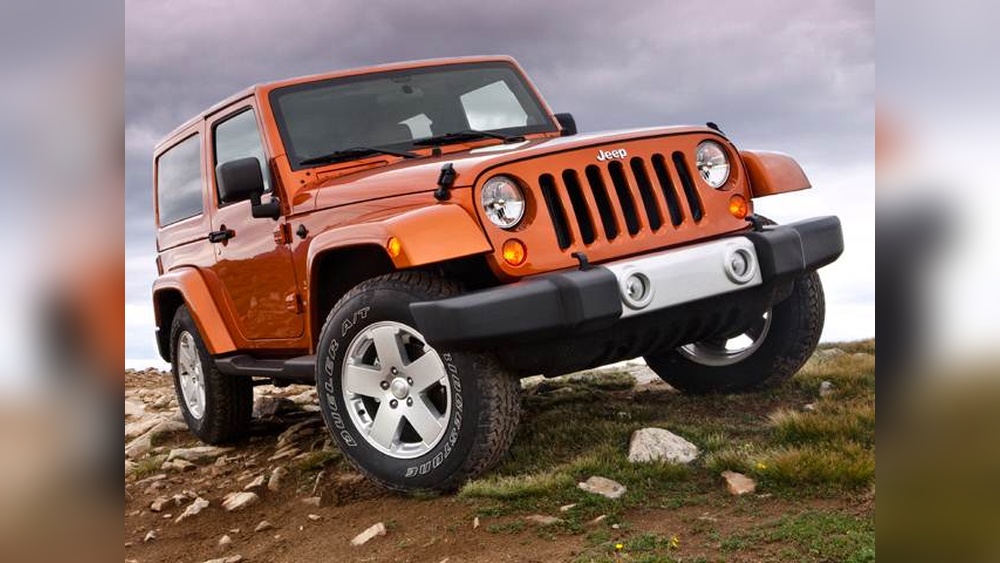
A Jeep radiator leak can quickly turn a fun off-road adventure into a stressful situation. Your Jeep’s radiator keeps the engine cool, preventing overheating and damage.
But leaks are common, especially for vehicles that tackle rough terrain or have high mileage. Ignoring a radiator leak can lead to engine failure, expensive repairs, or even leave you stranded.
Knowing how to spot, diagnose, and fix a radiator leak is a key skill for any Jeep owner.
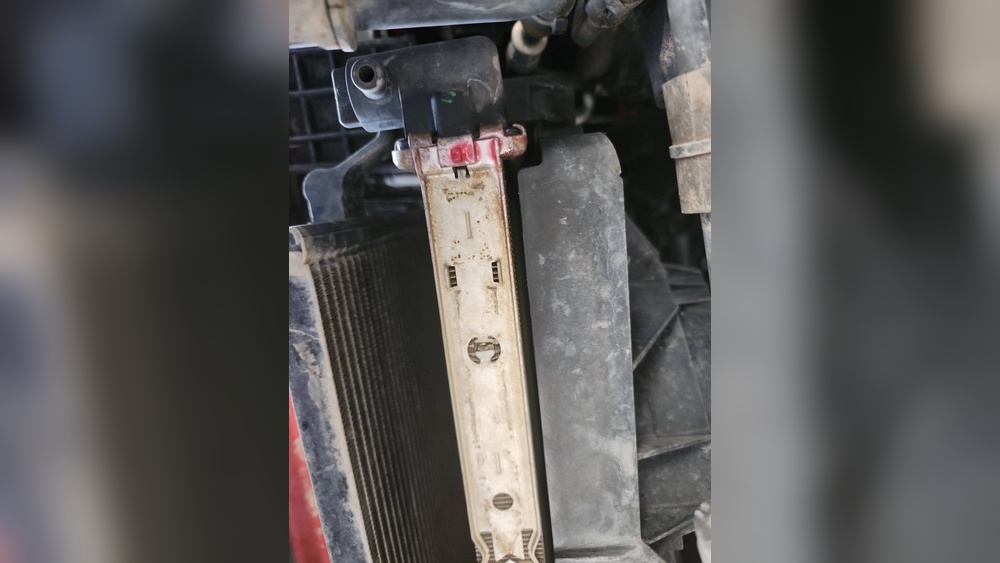
Common Signs Of A Jeep Radiator Leak
Identifying a leak early can save you money and trouble. Here are the most reliable signs:
- Coolant puddles: Look for bright green, orange, or pink fluid under your Jeep after parking. This is usually coolant.
- Rising temperature gauge: If the temperature needle climbs above normal, it could mean coolant is low from a leak.
- Sweet smell: Coolant has a sugary, sweet odor. Smelling it near the engine bay can indicate a leak.
- Steam from the hood: Steam often means coolant is dripping onto hot engine parts.
- Low coolant warning: Many Jeeps have dashboard warnings if coolant drops too low.
A small leak can quickly become bigger. Even minor drips shouldn’t be ignored.
Causes Of Radiator Leaks In Jeeps
Understanding why radiators leak helps you prevent future problems. Here are the main causes:
- Corrosion: Over time, metal parts in the radiator rust, causing pinholes or cracks.
- Impact damage: Rocks or debris can hit the radiator, especially when off-roading.
- Worn hoses or clamps: Old hoses can split, and loose clamps let coolant escape.
- Faulty radiator cap: A bad cap won’t hold pressure, leading to leaks.
- Cracked plastic tanks: Many radiators have plastic ends that can crack with age or heat cycles.
Most leaks start small. Regular checks help catch problems before they grow.
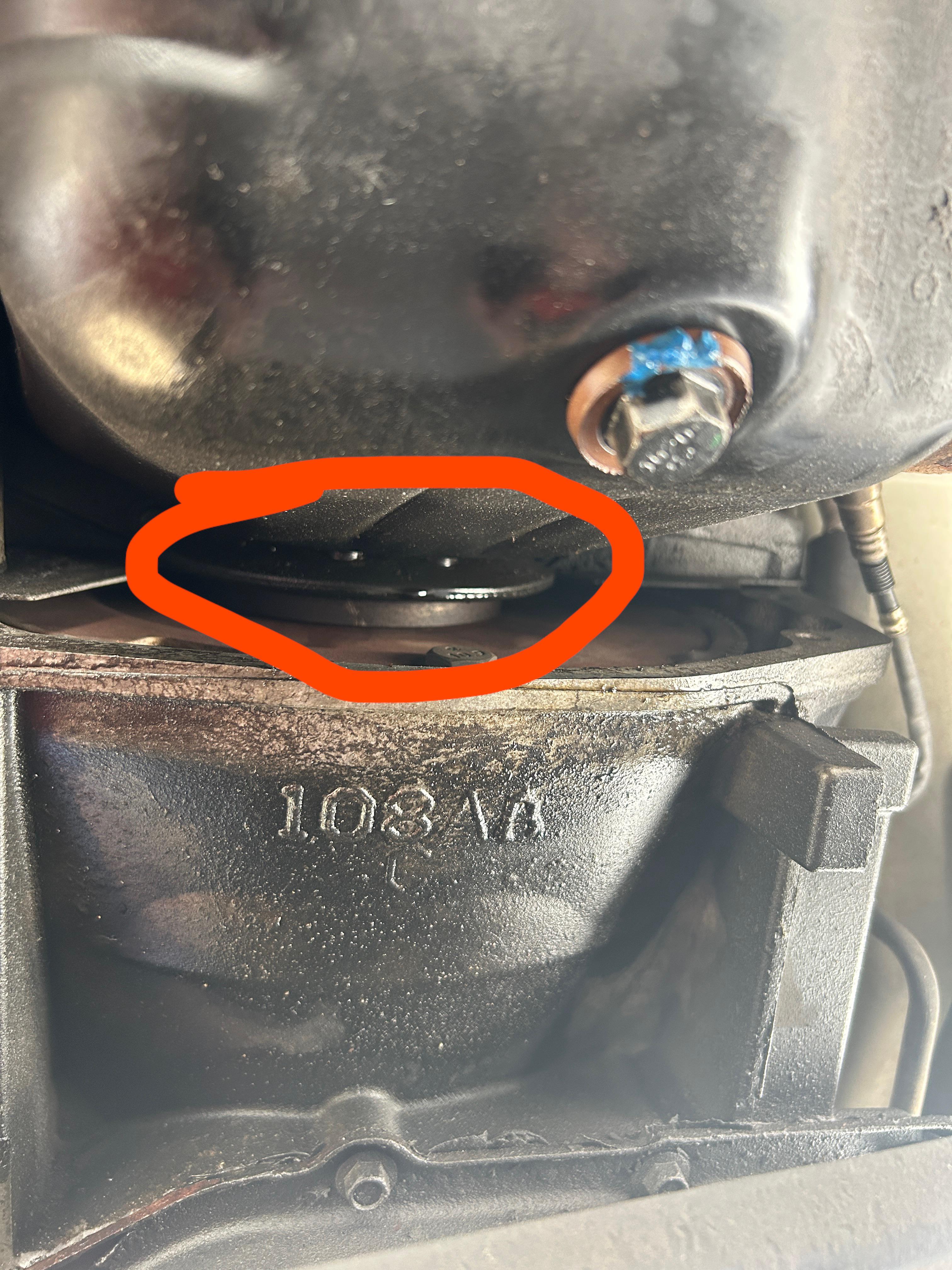
How To Diagnose A Jeep Radiator Leak
You don’t always need a mechanic to find the source. These steps help you diagnose the problem:
- Visual inspection: Check the radiator, hoses, and connections for wet spots or colored residue.
- Pressure test: This test uses a hand pump to pressurize the cooling system. Watch for fluid leaks.
- Check the radiator cap: Inspect the rubber seal and springs for damage.
- Look for bubbles: With the engine running, bubbles in the coolant can mean an internal leak.
Here’s a comparison of common leak locations and what they usually mean:
| Location | Typical Cause | Repair Difficulty |
|---|---|---|
| Radiator core | Corrosion, impact | Moderate to High |
| Hoses | Wear, age | Low |
| Radiator cap | Seal failure | Very Low |
| Plastic tanks | Heat cracks | Moderate |
A pressure tester is often available for rent at auto parts stores.
Temporary And Permanent Fixes
When you find a leak, you must decide between a quick fix and a long-term repair.
Temporary Fixes
- Radiator sealant: Pour-in sealants can plug small leaks in the core. This is only a short-term solution.
- Duct tape or epoxy: For hoses or small cracks, tape or a two-part epoxy can hold for a few days.
- Bypass the heater core: If the leak is in the heater core, you can temporarily bypass it using a hose connector.
Permanent Solutions
- Replace damaged hoses: Always use hoses rated for coolant.
- Install a new radiator: If the core or plastic tanks are leaking, replacement is best.
- Replace the radiator cap: Cheap and often overlooked, a new cap can solve pressure problems.
- Professional repair: For large cracks or internal damage, a radiator specialist can re-core or weld the unit.
Here’s a quick guide to the cost and lifespan of repair options:
| Fix | Average Cost | Expected Lifespan |
|---|---|---|
| Sealant | $10–$20 | Days to Weeks |
| New Hose | $30–$70 | Years |
| New Radiator | $300–$700 | 5+ Years |
| Radiator Cap | $5–$15 | Years |
Temporary fixes are only for emergencies. Always aim for a permanent repair as soon as possible.
Preventing Future Radiator Leaks
You can reduce the risk of leaks with some simple habits:
- Flush coolant every 2–3 years: Old coolant becomes acidic and eats away at metal.
- Inspect hoses and clamps every oil change: Replace at the first sign of wear.
- Clean radiator fins: Mud and debris reduce cooling and can trap moisture.
- Check for stray voltage: Electrical problems can cause “electrolysis,” which corrodes radiators from the inside.
A non-obvious tip: always use the correct coolant type. Mixing brands or types can cause chemical reactions that damage your radiator.
When To Call A Mechanic
Some radiator leaks are easy to fix, but others need expert help. Call a professional if:
- The leak is hard to find or in a tough location (like behind the AC condenser).
- The engine overheats even after topping off coolant.
- There’s white smoke from the exhaust (a possible head gasket problem).
- You see oil mixed in the coolant.
A skilled mechanic can pressure test, dye-test, or use a borescope to find hidden leaks.

What Coolant Should I Use In My Jeep?
Always use the coolant type recommended in your owner’s manual. Most newer Jeeps need HOAT (Hybrid Organic Acid Technology) or OAT (Organic Acid Technology) coolant. Mixing the wrong types can cause corrosion or sludge.
How Long Can I Drive With A Radiator Leak?
It’s risky to drive with any coolant leak. Even a slow leak can suddenly get worse.
Overheating just once can warp your engine head. If you must drive, keep trips very short and monitor the temperature gauge closely.
Are Radiator Leaks Covered By Jeep’s Warranty?
Most Jeep warranties cover manufacturing defects, but not wear or damage from off-roading. Extended warranties may cover some radiator repairs. Always check your warranty’s fine print.
Can A Leaking Radiator Cause Other Engine Problems?
Yes. Low coolant from a radiator leak can cause overheating, warped cylinder heads, or blown head gaskets. These repairs can cost several thousand dollars.
Where Can I Find More Information About Jeep Cooling Systems?
A good resource is the Radiator (Engine Cooling) Wikipedia page, which explains how radiators work and what can go wrong.
A Jeep radiator leak is never something to ignore. With early detection and smart repair choices, you can keep your Jeep running strong for many more adventures.
Regular checks and using the right parts make all the difference. Stay alert, and your Jeep’s cooling system will stay reliable.