Jeep owners often look for ways to improve engine cooling and add a rugged look to their vehicles. Two popular options are the Jeep Power Dome Hood and aftermarket hood vents. Both aim to manage under-hood temperatures and enhance appearance, but they differ in design, function, and cost. If you’re unsure which solution fits your Jeep, let’s break down the facts so you can make a confident choice.
What Is A Jeep Power Dome Hood?
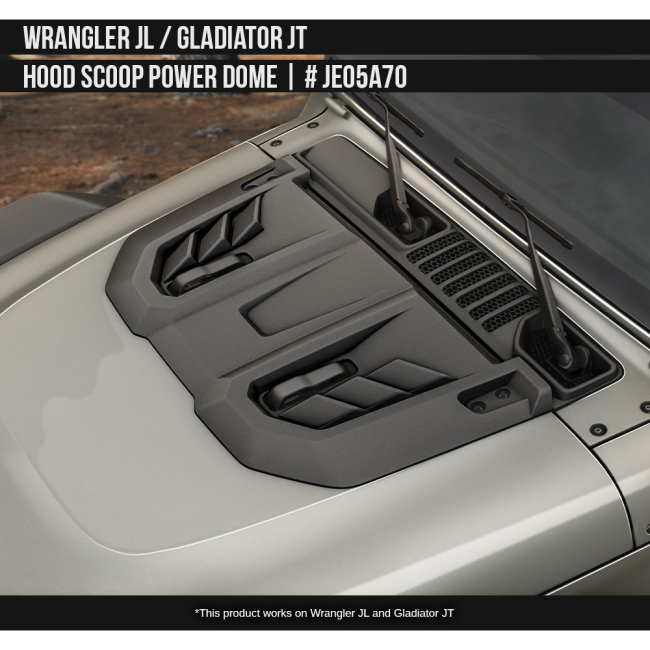
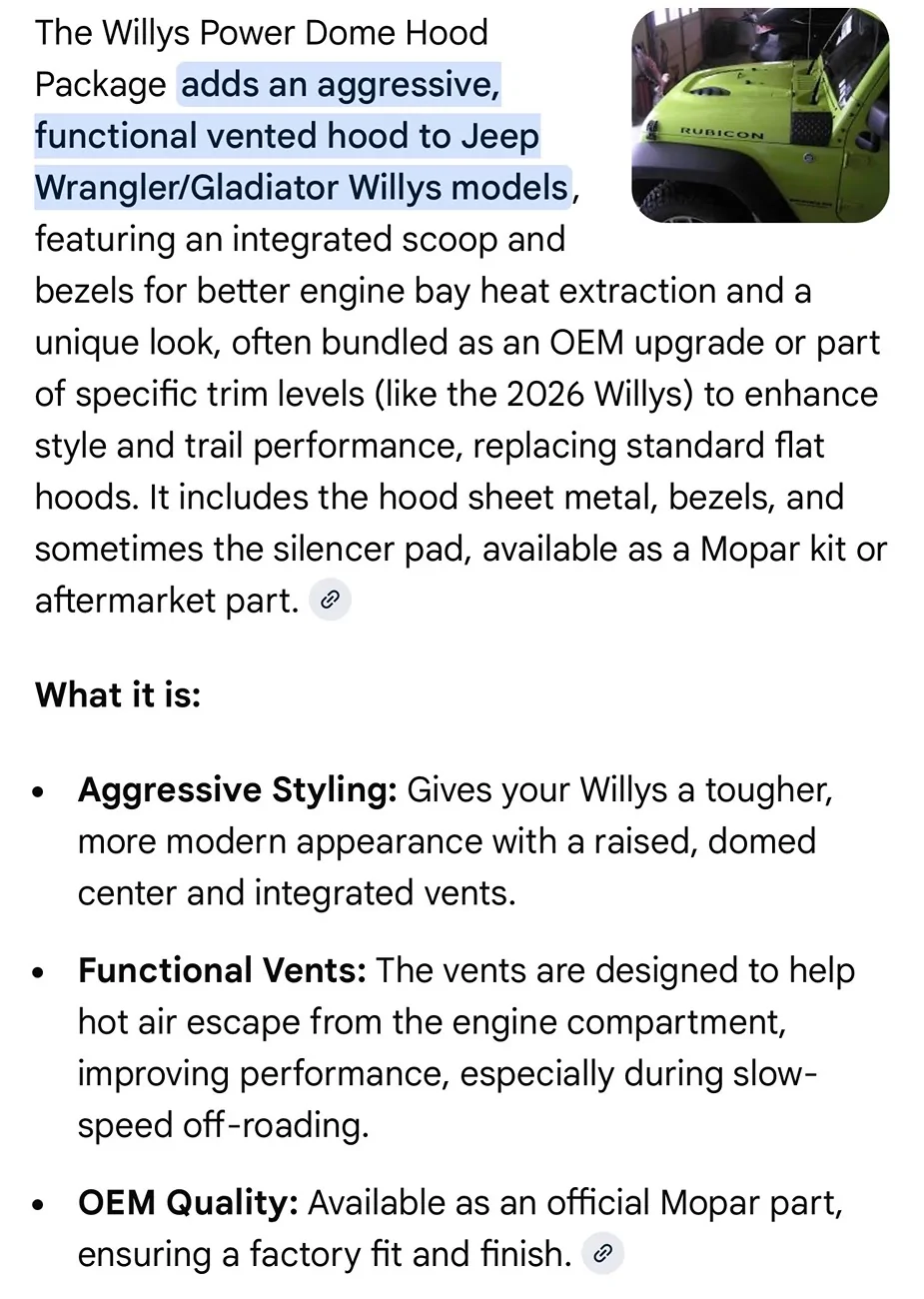
The Jeep Power Dome Hood is a factory or factory-style hood designed with a raised center section and integrated air vents. It was first seen on the Jeep Wrangler Rubicon 10th Anniversary Edition and later on some special models. The power dome isn’t just for looks—it’s engineered to help heat escape from the engine bay.
Key features:
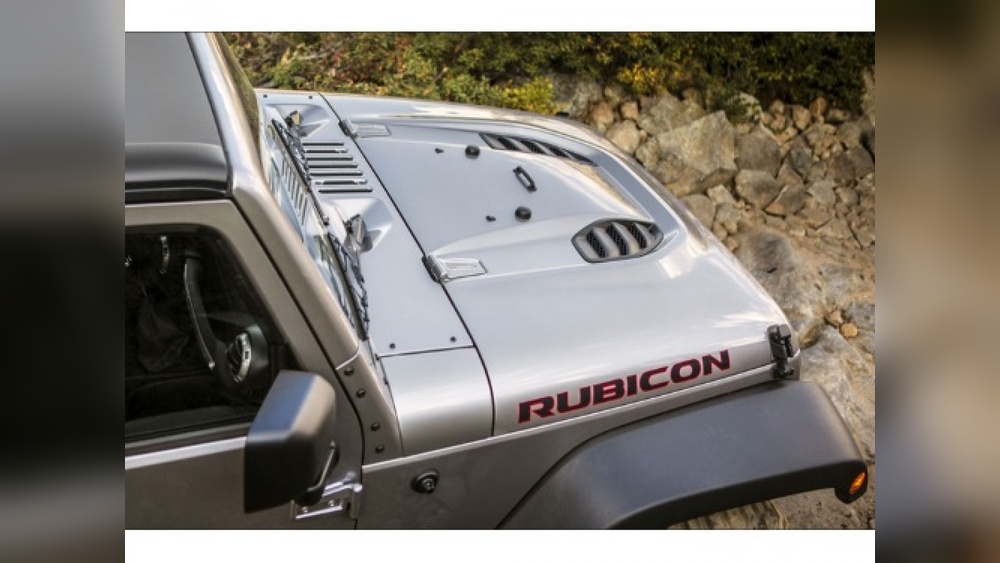
- Raised dome: Creates extra space above the engine, which can help with larger engine swaps or aftermarket parts.
- Integrated vents: Allow hot air to exit, reducing heat soak during off-road use.
- Factory fit and finish: Matches OEM paint, lines, and latch locations.
Most power dome hoods are made of stamped steel or aluminum, keeping the strength and safety of your stock hood. They’re often seen as a premium upgrade that keeps the Jeep’s original design intact.
What Are Aftermarket Hood Vents?
Aftermarket hood vents are separate vent kits that you install on your existing hood. They come in many shapes and materials, such as aluminum, stainless steel, or plastic. Some are universal, while others are made specifically for the Jeep Wrangler or Gladiator.
Common types:
- Louvered vents: Slotted panels that release heat upwards or to the sides.
- Heat extractors: Aggressively styled vents designed to pull hot air out as the Jeep moves.
- Cut-and-bolt kits: Require you to cut holes in your stock hood, then bolt or rivet the vents in place.
Many Jeep owners choose aftermarket vents because they’re affordable and allow for more customization. However, installation can be challenging and may affect your hood’s integrity if not done correctly.
Cooling Performance Comparison
Heat management is critical for Jeeps, especially when off-roading or driving in hot climates. But how do these two options compare in real-world cooling?
| Feature | Power Dome Hood | Aftermarket Hood Vents |
|---|---|---|
| Heat Reduction | Moderate (10–20°F drop) | Varies (5–30°F drop) |
| Airflow Direction | Engineered for even flow | Depends on vent placement |
| Water Management | Channels water away from engine | Some designs allow water entry |
The power dome hood is optimized for balanced airflow and usually maintains water management channels. Aftermarket vents can sometimes give a bigger temperature drop if placed over hot spots, but water entry and under-hood mess are possible.
A surprising insight: poorly placed aftermarket vents can actually cause turbulence, trapping hot air instead of removing it. Careful placement and orientation are critical.
Installation And Cost
Choosing between a power dome hood and vents often comes down to budget and installation skills.
| Aspect | Power Dome Hood | Aftermarket Hood Vents |
|---|---|---|
| Price Range | $700–$1,500 (painted and installed) | $50–$300 (kit only) |
| Install Time | 1–2 hours (bolt-on) | 2–5 hours (cutting and fitting) |
| Skill Level | Beginner to moderate | Moderate to advanced |
The power dome hood usually bolts on using factory hardware. You might need a friend to help lift and align it. For perfect paint matching, professional installation is best.
Most aftermarket hood vents require cutting your hood. If you’re not comfortable using a jigsaw or angle grinder, you may want a shop to do the work. Sloppy cuts can cause rust, paint chipping, or even hood failure.
Pro tip: When using aftermarket vents, seal cut edges with primer and paint to prevent rust, especially in wet or salty environments.
Looks And Durability
A Jeep’s hood is a big part of its visual identity. Both options can change your Jeep’s style, but the results are quite different.
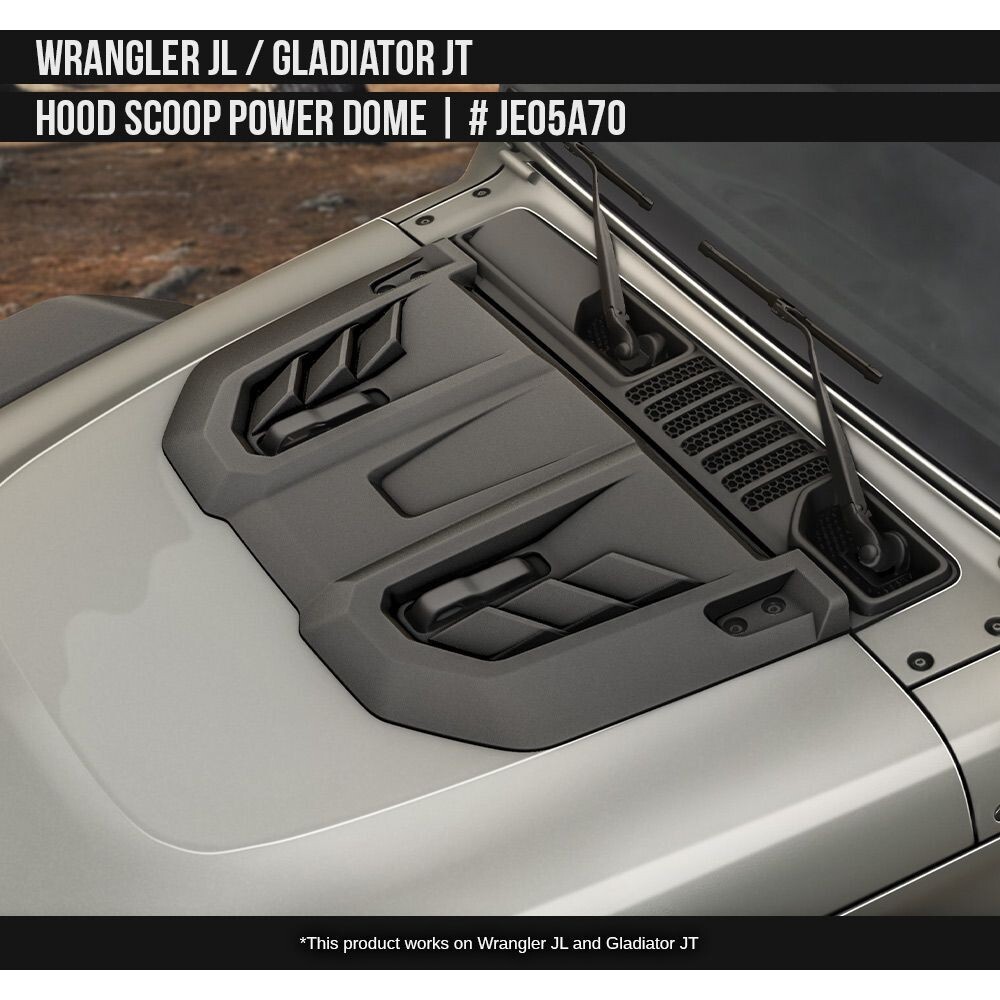
- Power Dome Hood: Looks factory, with a muscular center bulge and clean lines. Keeps OEM safety features like crumple zones and latches.
- Aftermarket Hood Vents: Adds aggressive, race-inspired accents. Some designs are subtle, while others scream “custom build.”
When it comes to long-term durability:
| Factor | Power Dome Hood | Aftermarket Hood Vents |
|---|---|---|
| Rust Risk | Low (factory coatings) | Medium (depends on cut quality) |
| Paint Match | Exact (OEM finish) | May need touch-up |
| Warranty Impact | Usually safe | Can void hood warranty |
One thing beginners often overlook: aftermarket vent kits may not fit curved or reinforced hood sections, leading to gaps or rattling. Always check vent compatibility with your Jeep model.
Which One Is Right For You?
Your choice depends on your priorities:
Choose the Jeep Power Dome Hood if:
- You want a factory look and easy installation.
- You value safety features and want to keep your warranty.
- You have the budget for a premium part.
Go with aftermarket hood vents if:
- You want maximum cooling and don’t mind customizing.
- You’re comfortable with tools and cutting metal.
- You want a unique, aggressive appearance.
Both options work, but the power dome hood is the “install it and forget it” choice. Aftermarket vents are great for DIYers who want to fine-tune performance and style.
For more on Jeep cooling upgrades, the official Jeep Accessories page has additional resources.
Frequently Asked Questions
How Much Cooler Does A Power Dome Hood Make Your Engine?
Most owners report a 10–20°F drop in under-hood temperatures, especially during slow off-road driving. Actual results depend on driving style and climate.
Will Aftermarket Vents Let Water Into My Engine Bay?
Some vent designs do let rain or wash water in. Most engines handle a little water, but sensitive parts can be protected with shields or covers. Always check vent reviews for water management.
Is Cutting My Hood For Vents Safe?
If done correctly, it’s safe. Use proper tools and seal all bare metal. Poor installation can weaken the hood or lead to rust, so follow instructions carefully.
Can I Install Both A Power Dome Hood And Aftermarket Vents?
Yes, but it’s rarely needed. The power dome hood’s built-in vents are enough for most drivers. Adding more vents can disrupt airflow or look messy if not planned.
Will These Upgrades Affect My Jeep’s Warranty?
A factory power dome hood usually does not affect your warranty. Cutting for aftermarket vents may void the hood or paint warranty. Check with your dealer before making changes.
Choosing between a Jeep Power Dome Hood and aftermarket hood vents is all about your needs, skill level, and style preference. With the right option, you’ll keep your Jeep cool and looking sharp on any adventure.