The Jeep Patriot wheel bearing spindle is a critical component that connects your wheel to the suspension system. It's designed to handle the stresses of driving, turning, and braking.
When this part starts to fail, it can lead to a range of serious problems, from annoying noises to complete loss of control. Understanding what it is, how it works, and the signs of trouble is essential for any Jeep Patriot owner.
This article will guide you through the intricacies of the Jeep Patriot wheel bearing spindle, covering its function, common issues, diagnostic steps, and replacement procedures, ensuring you can keep your vehicle safe and performing at its best.
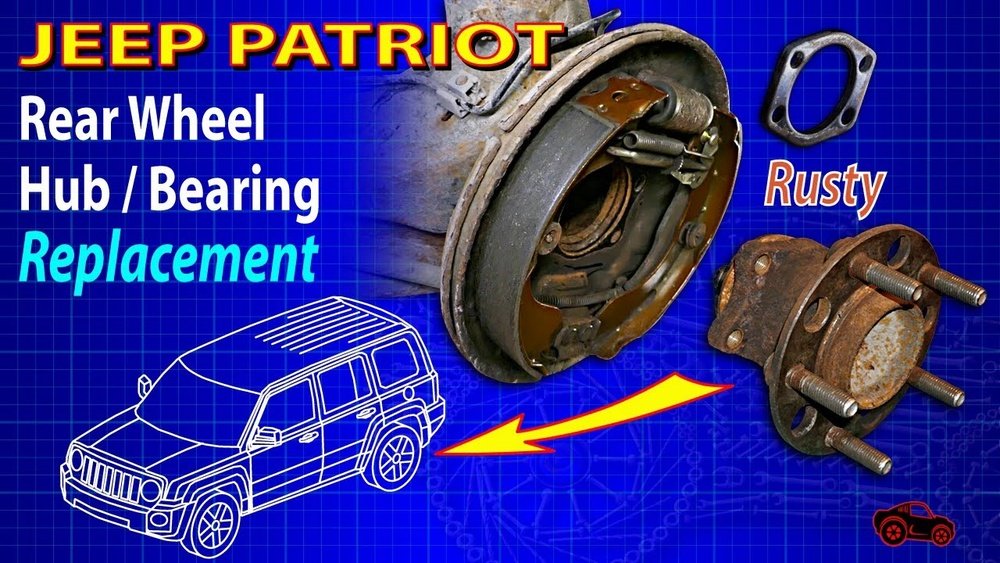
Understanding The Jeep Patriot Wheel Bearing Spindle
The wheel bearing spindle, also known as a knuckle or steering knuckle, is a robust, cast-iron or aluminum component that forms the core of the front wheel hub assembly on your Jeep Patriot. It’s not just a simple bolt-on part; it’s a sophisticated piece of engineering that plays a vital role in your vehicle’s steering and suspension.
The Spindle’s Role In The Wheel Assembly
At its heart, the spindle's primary job is to provide a mounting point for the wheel hub. The wheel hub is the part that the wheel itself bolts onto.
The wheel bearing, a set of metal balls or rollers encased in a metal ring, sits between the spindle and the hub, allowing the wheel to rotate smoothly with minimal friction.
Beyond just holding the hub, the spindle is intricately connected to the rest of the steering and suspension. It typically attaches to the lower control arm and often to the upper strut or ball joint, depending on the specific suspension design of the Jeep Patriot.
This connection allows the spindle to pivot, enabling your vehicle to steer. Furthermore, the brake caliper and rotor also mount to the spindle, making it a central structural element that supports braking forces.
How The Spindle And Wheel Bearing Work Together
The wheel bearing is designed to allow the wheel to spin freely while supporting the vehicle's weight and the forces generated during driving. The spindle is the stationary part that the bearing is pressed against or mounted within.
When the steering wheel is turned, the spindle pivots, changing the direction of the wheel.
During braking, the spindle helps transfer the braking force from the caliper to the rest of the suspension.
The constant rotation and immense forces mean that both the spindle and the wheel bearing are subject to significant wear and tear over time. Factors like road debris, water intrusion, impacts from potholes, and simple mileage can all contribute to the degradation of these components.
Materials And Construction
Jeep Patriots, like many vehicles, typically use either cast iron or nodular iron for their front spindles. Some higher-performance or lighter-weight vehicles might use aluminum, but for a rugged vehicle like the Patriot, iron is common due to its strength and cost-effectiveness.
The spindle is designed with precise tolerances to ensure proper alignment of the wheel, suspension, and steering components. It needs to be strong enough to withstand lateral forces during cornering and vertical impacts from uneven road surfaces, while also being engineered to allow for smooth steering.
Common Problems With The Jeep Patriot Wheel Bearing Spindle
While the spindle itself is a robust component, it's not immune to failure. More often, issues arise from the components it supports or attaches to, or from external damage.
The most frequent problems associated with the spindle are related to the wheel bearing it houses or the integrity of the spindle itself due to corrosion or impact.
Wheel Bearing Failure Symptoms
The most common issue that people associate with the spindle is a failing wheel bearing. Here are the classic signs:
- Humming or Grinding Noise: This is the most prevalent symptom. As the wheel bearing wears out, the metal-on-metal contact creates a distinct humming, growling, or grinding sound. This noise often changes with speed and may become louder when turning in one direction versus the other. For instance, a worn front left wheel bearing might produce a louder hum when turning right because the weight shifts to the outside of the vehicle, putting more stress on that bearing.
- Wobbly or Loose Steering: A severely worn wheel bearing can create play or looseness in the wheel assembly. This can manifest as a feeling of instability or a slight wobble in the steering wheel, especially at higher speeds.
- Clicking or Popping Noises: Sometimes, a failing bearing can produce clicking or popping sounds, particularly when starting from a stop or accelerating. This can be due to worn bearing races or loose components.
- ABS or Traction Control Light Illumination: The wheel speed sensor, which is crucial for ABS and traction control systems, is often located near or integrated into the wheel hub assembly that mounts to the spindle. If a bearing fails, it can damage the sensor or cause the hub to move erratically, triggering these warning lights.
- Uneven Tire Wear: A damaged or worn wheel bearing can cause the wheel to not track perfectly straight, leading to accelerated and uneven wear on the tire tread. You might notice feathering or scalloping on the tire surface.
Spindle Damage And Wear
While less common than bearing failure, the spindle itself can be damaged:
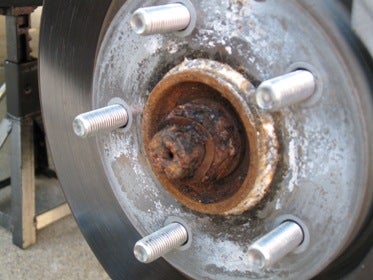
- Corrosion: In areas where roads are heavily salted during winter, the iron spindle can be susceptible to rust. Significant corrosion can weaken the spindle or damage the surfaces where the wheel bearing mounts, leading to premature failure.
- Impact Damage: Hitting a large pothole or curb with significant force can bend or crack a spindle. This is a serious safety hazard as it compromises the structural integrity of the wheel assembly and steering. Signs of impact damage can include a visible bend in the spindle or unusual tire wear patterns.
- Stripped Bolt Holes: The threaded holes in the spindle where the brake caliper or hub assembly attaches can become stripped over time, especially if previous repairs were not done correctly. This can make it difficult to secure these critical components.
Identifying The Source Of The Problem
Distinguishing between a bad wheel bearing and a spindle issue can sometimes be tricky, as many symptoms overlap. However, there are diagnostic steps you can take.
Pro Tip: If you hear a noise that changes pitch or volume with engine RPM, it’s likely engine-related. If it changes with vehicle speed, it’s usually in the drivetrain or suspension.
Diagnosing Issues With Your Jeep Patriot Wheel Bearing Spindle
Accurate diagnosis is key to ensuring you fix the right problem and don’t waste money on unnecessary parts. When you suspect an issue with your wheel bearing spindle assembly, a systematic approach is best.
Physical Inspection
The first step is a thorough visual inspection. With the vehicle safely supported on jack stands, remove the wheel.
- Check for Play: Grab the wheel at the top and bottom and try to rock it back and forth. Then, grab it at the sides and try to rock it in and out. Any significant looseness or clunking indicates a problem, most likely with the wheel bearing or ball joints.
- Inspect the Spindle: Look closely at the spindle for any signs of bending, cracking, or excessive corrosion. Pay attention to the areas where the wheel bearing mounts and where suspension components attach.
- Examine Brake Components: Check the brake rotor and caliper. A warped rotor can sometimes mimic bearing noise, and a seized caliper can cause grinding.
- Look for Leaks: While less common for bearings themselves, leaks from the CV joint (if applicable to your Patriot model’s front end) can sometimes contaminate wheel bearings.
Listening For Noises
Noises are often the first indicator.
- Road Test: Drive the vehicle at various speeds, paying close attention to any new sounds. Try to isolate the sound to a specific wheel by turning gently left and right. A noise that gets louder when turning away from a particular side often points to the bearing on that side. For example, if the noise gets louder when turning right (putting more load on the left side), the left front wheel bearing is likely the culprit.
- Stethoscope Method: A mechanic’s stethoscope can be invaluable. With the engine running and the vehicle in neutral (safely on jack stands), carefully touch the stethoscope probe to different parts of the suspension and hub assembly. Listen for any grinding or whirring sounds that are louder than normal.
Checking For Heat
After a short drive, cautiously feel the wheels (avoiding the brake rotors, which will be hot). A wheel hub assembly with a failing bearing will often be significantly hotter than the others due to friction.
Wheel Bearing Play Test
This is a crucial test. With the vehicle securely supported and the wheel removed:
- Mount a New Wheel: If you have a spare wheel, mount it onto the studs.
- Tighten Lug Nuts: Snug the lug nuts just enough to hold the wheel in place.
- Perform Play Test: Now, perform the rock-back-and-forth and in-and-out play tests again with the mounted wheel. This gives you a better feel for any looseness compared to just rocking the bare studs.
Professional Diagnosis
If you’re unsure or uncomfortable performing these checks, it’s always best to take your Jeep Patriot to a qualified mechanic. They have the tools and experience to accurately diagnose the issue.
Replacing The Jeep Patriot Wheel Bearing Spindle
Replacing a wheel bearing spindle on a Jeep Patriot can be a challenging DIY project. It requires specialized tools and a good understanding of automotive suspension and steering systems.
If you're not experienced, it's highly recommended to have a professional mechanic perform this job.
However, understanding the process can help you communicate better with your mechanic or decide if it’s within your skill set.
Tools And Parts Needed
- New Wheel Bearing Spindle: Ensure you get the correct part for your specific Jeep Patriot model year and drivetrain (2WD or 4WD).
- New Wheel Bearing Kit: Often, the bearing is a separate component that needs to be pressed into the spindle. Sometimes, it comes pre-pressed into a hub assembly.
- Jack and Jack Stands: For safely lifting and supporting the vehicle.
- Lug Wrench: To remove the wheel.
- Socket Set and Wrenches: Various sizes, including deep sockets.
- Torque Wrench: Essential for tightening bolts to the manufacturer’s specifications.
- Breaker Bar: For loosening stubborn bolts.
- Ball Joint Separator Tool: To disconnect ball joints.
- Tie Rod End Puller: To disconnect tie rod ends.
- Hammer: For persuasion.
- Pry Bar: For leverage.
- Grease: For lubricating components during reassembly.
- Penetrating Oil: To help loosen rusted bolts.
- Wheel Bearing Press (if bearing is not pre-assembled): A hydraulic press is often needed to safely remove and install wheel bearings.
- Safety Glasses and Gloves: Always wear appropriate safety gear.
Step-by-step Replacement Guide (general Overview)
Disclaimer: This is a general guide. Always refer to your Jeep Patriot’s specific service manual for precise instructions and torque specifications.
- Safety First: Park the vehicle on a level surface, engage the parking brake, and block the rear wheels. Loosen the lug nuts on the front wheel you’ll be working on.
- Lift and Support: Jack up the front of the vehicle and securely place jack stands under the frame or designated support points. Remove the wheel.
- Remove Brake Components:
- Remove the brake caliper and hang it out of the way using a bungee cord or wire. Do not let it hang by the brake hose.
- Remove the brake rotor. It might be held on by a small screw or simply slide off.
- Disconnect Suspension and Steering Components: This is often the most complex part. You’ll need to disconnect:
- Tie Rod End: Use a tie rod end puller to separate it from the spindle.
- Ball Joints: Use a ball joint separator tool to disconnect the upper and lower ball joints from the spindle.
- Strut/Shock Assembly: Depending on the suspension design, you may need to unbolt the strut or shock from the spindle.
- ABS Sensor Wire: Carefully disconnect the wire and unclip it from any retainers.
- Remove the Spindle: Once all connections are severed, the spindle should be free. You might need to use a pry bar or gentle persuasion with a hammer to free it from any remaining connections.
- Prepare the New Spindle:
- If your new spindle does not come with a pre-installed wheel bearing and hub assembly, you will need to press the old bearing out and the new one in using a hydraulic press. This is a critical step that requires precision.
- Transfer any necessary components (like the ABS sensor ring if it’s separate) to the new spindle.
- Install the New Spindle:
- Carefully align the new spindle with the suspension and steering components.
- Reconnect the ball joints, tie rod end, and strut/shock assembly.
- Tighten all bolts and nuts to the manufacturer’s specified torque using a torque wrench. This is crucial for safety.
- Reinstall Brake Components:
- Reinstall the brake rotor.
- Reinstall the brake caliper and torque its mounting bolts.
- Reinstall Wheel and Lower Vehicle:
- Mount the wheel and hand-tighten the lug nuts.
- Carefully lower the vehicle off the jack stands.
- Torque the lug nuts in a star pattern to the manufacturer’s specifications.
- Final Checks:
- Pump the brake pedal several times to ensure the brakes are firm before driving.
- Double-check all bolts and connections you worked on.
- Perform a test drive at low speeds, listening for unusual noises and checking steering response.
When To Call A Professional
- If you lack the necessary specialized tools, especially a wheel bearing press.
- If you are not comfortable working with suspension and steering components.
- If you encounter heavily rusted or seized bolts that you cannot safely remove.
- If you are unsure about torque specifications or proper reassembly.
- If the repair involves safety-critical systems like ABS sensors and you’re not confident.
A faulty spindle or wheel bearing can compromise your ability to steer and brake, making this a crucial repair. Getting it done right the first time is paramount for your safety and the longevity of your Jeep Patriot.
Cost Considerations For Repair
The cost of repairing or replacing a Jeep Patriot wheel bearing spindle can vary significantly depending on several factors. These include the specific part needed, whether you’re doing the work yourself or hiring a mechanic, and your geographic location.
Parts Costs
- Wheel Bearing: A single wheel bearing for a Jeep Patriot typically ranges from $50 to $150. Prices can fluctuate based on brand quality (OEM vs. aftermarket) and the specific



















