The Jeep Patriot is known for its rugged style and reliable performance, but one simple detail often gets overlooked: tire pressure. Getting the tire pressure right is not just about comfort—it's about safety, fuel efficiency, and extending the life of your tires.
If you drive a Patriot or are thinking about buying one, understanding the correct tire pressure and how to maintain it can save you time, money, and trouble on the road.
Recommended Tire Pressure For Jeep Patriot
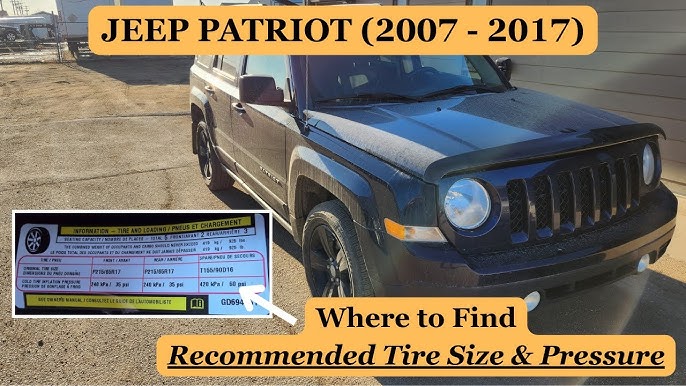
The recommended tire pressure for most Jeep Patriot models is 32 PSI (pounds per square inch) for both the front and rear tires. However, this number can change slightly depending on the model year, tire size, or if you’ve switched to aftermarket tires. Always check the sticker inside the driver’s door for your vehicle’s exact numbers.
Here’s a quick comparison of common Patriot tire sizes and their recommended PSI:
| Tire Size | Recommended PSI |
|---|---|
| 205/70R16 | 32 |
| 215/60R17 | 32 |
| 215/65R17 | 32 |
| 225/60R17 | 32 |
Tip: If you carry heavy loads or drive in extreme weather, check your owner’s manual for any special instructions.
Why Tire Pressure Matters
Keeping your tires at the right pressure gives you more than just a smooth ride. Here’s why you should pay attention:
- Safety: Under-inflated tires can overheat and may lead to blowouts. Over-inflated tires have less grip, making it harder to stop or control your Jeep.
- Fuel Efficiency: The right tire pressure can improve gas mileage by up to 3%. That means more money in your pocket over time.
- Tire Life: Proper inflation helps prevent uneven tread wear, so your tires last longer.
- Performance: Good tire pressure keeps your handling sharp and your ride comfortable.
Surprisingly, many drivers don’t check their tire pressure often enough. Even a small drop in PSI can cause problems, especially in cold weather when air contracts.
How To Check And Adjust Tire Pressure
Checking your Jeep Patriot’s tire pressure is easy and takes just a few minutes.
- Get a Reliable Tire Gauge: Digital or manual both work, but digital is easier to read.
- Check When Tires Are Cold: Tire pressure changes as you drive. Measure before you drive or after the car has been parked for a few hours.
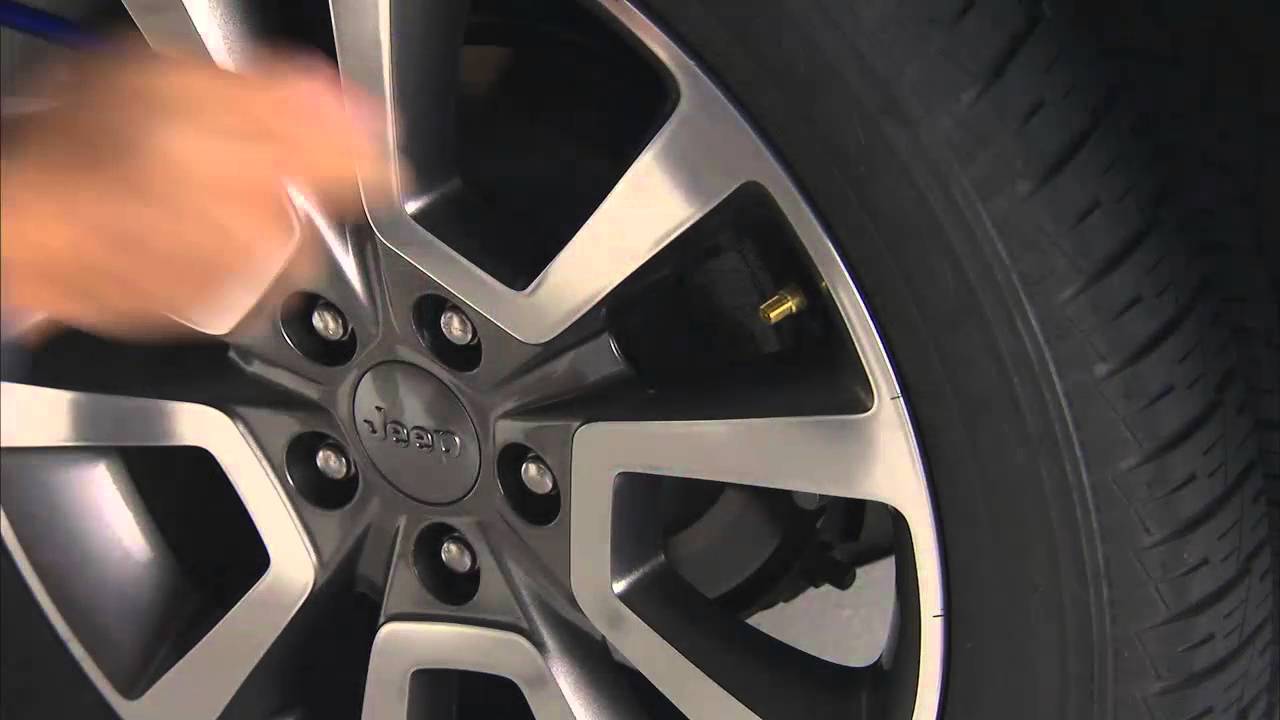
- Remove the Cap and Press the Gauge: Press the gauge onto the valve stem until you get a reading.
- Compare to Recommended PSI: Add air if the pressure is too low, or let some out if it’s too high.
- Repeat for All Tires: Don’t forget the spare! It often gets ignored but is just as important.
Here’s a simple step-by-step summary:
| Step | Action |
|---|---|
| 1 | Buy a tire pressure gauge |
| 2 | Check tire pressure when tires are cold |
| 3 | Read and compare with the recommended PSI |
| 4 | Adjust air as needed |
| 5 | Replace valve cap |
Pro tip: Don’t rely only on gas station air pumps. Their gauges are often inaccurate due to heavy use.
Common Mistakes Jeep Patriot Owners Make
Some mistakes are easy to make, especially if you’re new to car maintenance.
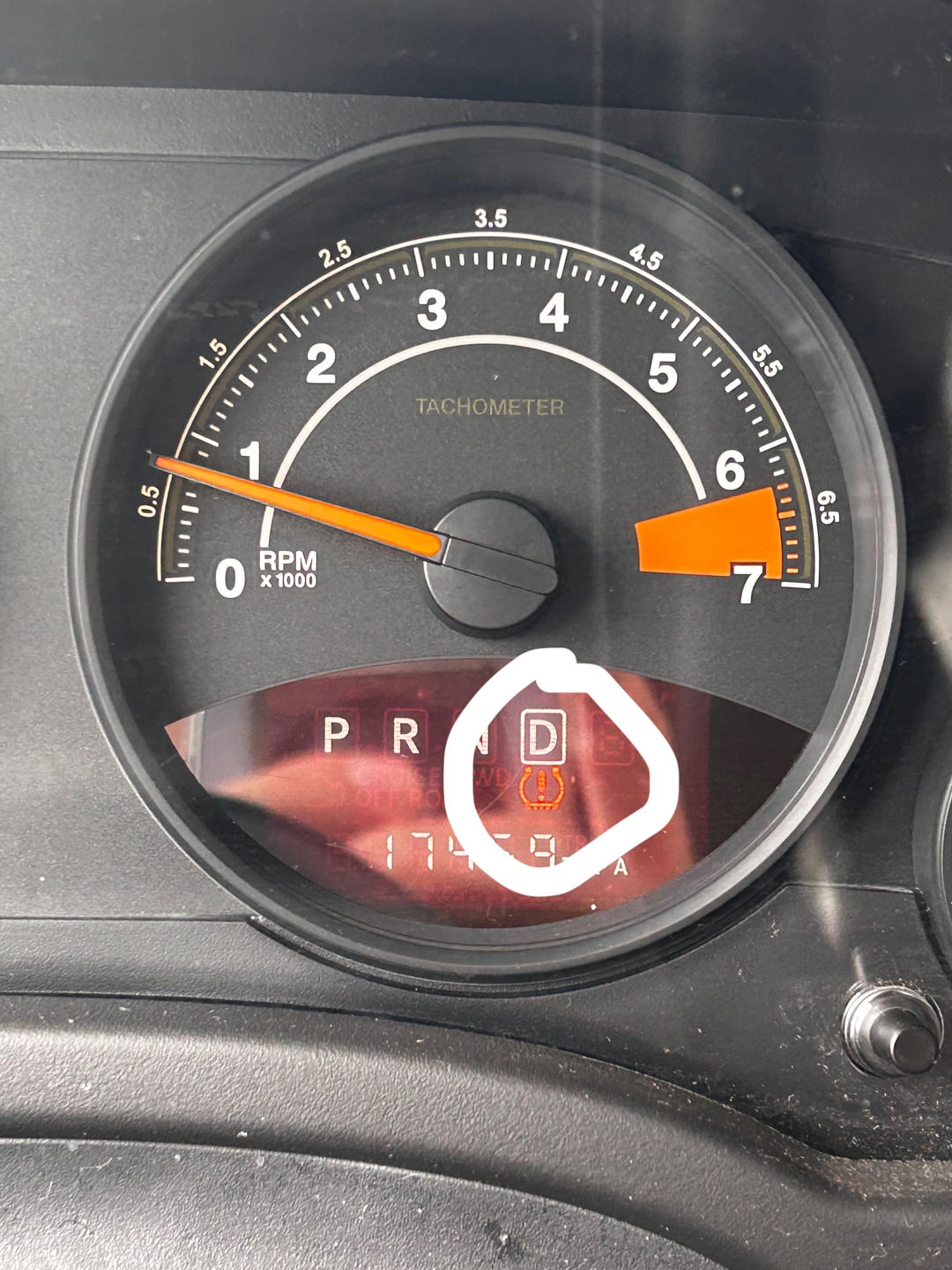
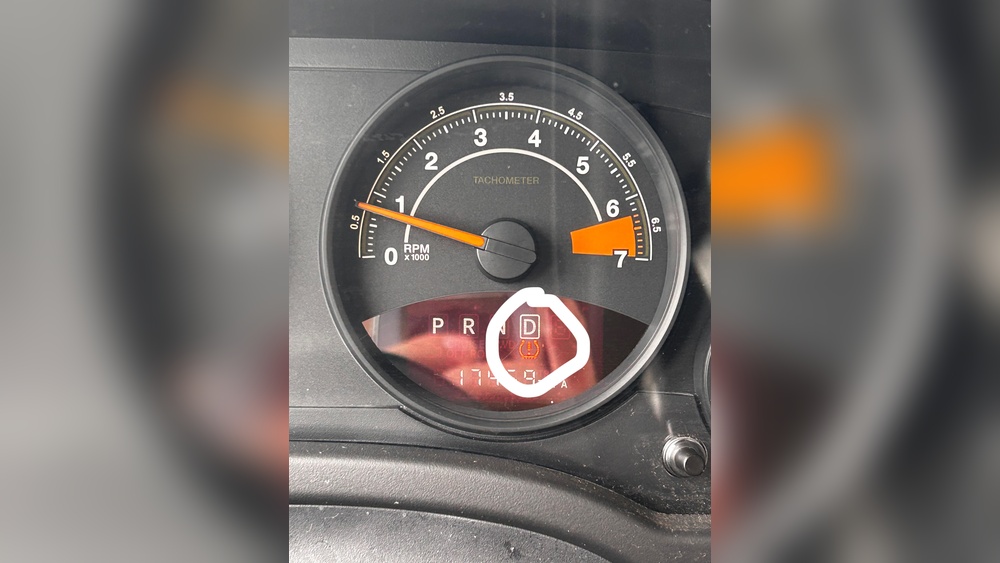
- Ignoring the TPMS Light: The Tire Pressure Monitoring System (TPMS) light warns you if the pressure drops too low. Don’t ignore it—check your tires right away.
- Assuming All Tires Need the Same PSI: Different tire sizes or brands might need slightly different pressures.
- Only Checking Pressure in Warm Weather: Tire pressure drops about 1 PSI for every 10°F decrease in temperature. Cold mornings can surprise you with low pressure.
- Forgetting the Spare Tire: A flat spare can ruin your plans during an emergency.
Many people also overlook the impact of altitude and long trips. If you travel through mountains or drive long distances, check your tire pressure more often.
Tire Pressure And Jeep Patriot Performance
The way your Patriot handles on the road is closely tied to tire pressure. Under-inflated tires can make your steering feel sluggish and increase stopping distance. Over-inflated tires can make your ride feel harsh and reduce traction, especially on wet or rough roads.
Here’s how different tire pressures affect your Jeep Patriot:
| Tire Pressure | Effect on Driving |
|---|---|
| Too Low | Risk of blowouts, poor handling, lower fuel efficiency |
| Correct | Best grip, comfort, and fuel economy |
| Too High | Stiff ride, less traction, increased wear in the center |
One insight many miss: Even small changes in PSI can make a big difference in how your Jeep feels and responds, especially during sudden maneuvers.
How Often Should You Check Tire Pressure?
Ideally, check your tire pressure once a month and before long trips. Also, check after big temperature changes. Most tires lose about 1 PSI per month naturally, even if there are no leaks.
If you notice uneven tire wear, vibrations, or the TPMS light comes on, check your tires immediately. Early action helps prevent bigger issues.