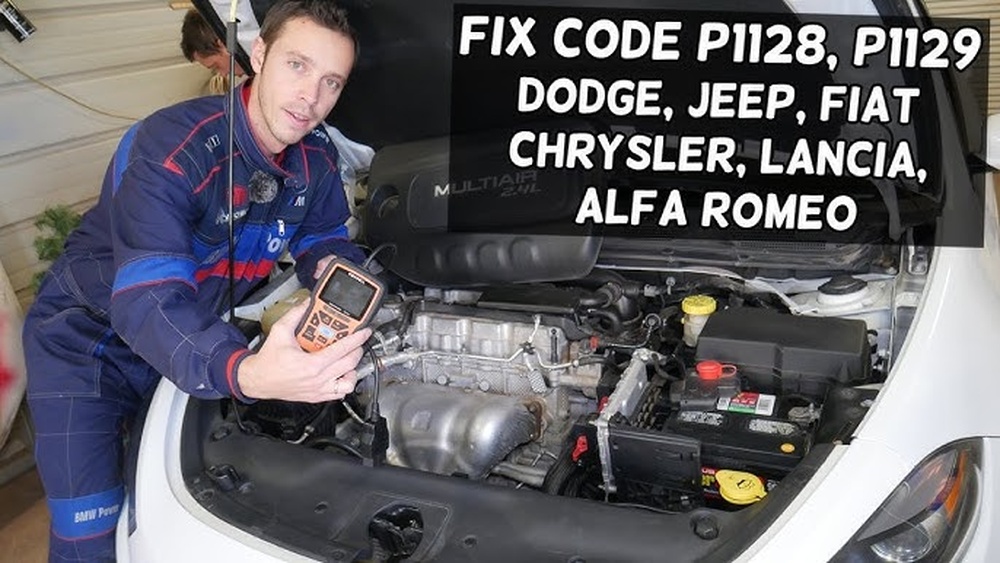
If you’ve seen the code Jeep P1129 pop up on your dashboard, you’re probably wondering what it means and how it affects your ride.
This warning isn’t just a random glitch, it points to a specific issue in your Jeep’s fuel system that can lead to rough idling, reduced fuel efficiency, and even engine hesitation.
Ignoring it might seem tempting, but that could cost you more in the long run. You’ll learn exactly what causes the P1129 code, the symptoms to watch out for, and practical steps you can take to fix it.
By the end, you’ll have the confidence to tackle this problem and keep your Jeep running smoothly.
Keep reading you don’t want to miss these important insights!
Code P1129 Explained
The Jeep code P1129 signals a problem in the fuel control system. It means the engine’s computer cannot switch from open loop to closed loop.
This issue affects how the engine manages fuel and air mixture. Understanding this code helps in fixing fuel delivery problems quickly.
When P1129 appears, the vehicle runs in open loop longer than it should. This can cause poor fuel economy and rough engine performance.
Addressing the root cause stops further engine damage and restores smooth running.
What Triggers P1129
P1129 triggers if the Powertrain Control Module (PCM) fails to enter closed loop mode. The PCM relies on oxygen sensor signals to adjust fuel delivery.
If sensors send faulty data or no data, the PCM stays in open loop. Other triggers include vacuum leaks, faulty sensors, or wiring issues.
Low fuel pressure or a weak fuel pump can also cause this code. Any problem that prevents accurate fuel mixture adjustments may set P1129.
Open Loop Fueling Impact
Open loop fueling means the engine runs on preset fuel maps without sensor feedback. This causes the engine to use a richer fuel mixture than necessary.
The result is higher fuel consumption and increased emissions. Engine performance may feel rough or sluggish.
Over time, the catalytic converter may suffer damage from unburned fuel. Driving with P1129 code active can lead to costly repairs if ignored.
Fixing the issue restores closed loop operation and better fuel efficiency.
Common Causes
The Jeep P1129 code signals a problem with the fuel management system. It means the engine has not switched to closed loop fueling on time.
This issue can cause poor engine performance and lower fuel efficiency. Understanding common causes helps in quick diagnosis and repair.
Fuel System Problems
Fuel system issues are a common cause of P1129. Low fuel pressure can starve the engine.
A weak fuel pump may not supply enough fuel. A clogged fuel filter restricts fuel flow.
These problems prevent the engine from running smoothly.
Air And Vacuum Leaks
Air or vacuum leaks let extra air enter the engine. This unmetered air changes the air-to-fuel ratio.
The engine computer cannot adjust fuel properly. This causes rough idling and poor performance.
Leaks often occur in hoses, gaskets, or intake parts.
Idle Air Control Valve Issues
The idle air control valve controls engine idle speed. If it sticks or fails, the engine idle can fluctuate.
This affects the switch to closed loop fueling. Dirt and carbon buildup often cause valve issues.
Cleaning or replacing the valve may fix the problem.
Exhaust Leaks
Exhaust leaks before the oxygen sensors can cause false readings. This misleads the engine control unit about fuel needs.
Leaks often happen between the exhaust manifold and downpipe. Detecting and fixing leaks improves sensor accuracy and engine function.
Symptoms To Watch For
When Jeep P1129 appears, it often signals fuel system troubles. Recognizing symptoms early helps prevent serious damage.
This section covers key signs to watch for with this code.
Rough Idle And Hesitation
The engine may idle roughly or shake. You might notice hesitation during acceleration.
These happen because the fuel mixture is not right. Air leaks or fuel pressure problems can cause this. The engine struggles to keep smooth running.
Poor Fuel Economy
Fuel use increases more than usual. Your Jeep may need gas more often.
This is due to the engine running in open-loop mode. It fails to adjust fuel efficiently.
Wasting fuel leads to higher costs and more emissions.
Check Engine Light Behavior
The check engine light often stays on. It might blink or stay steady.
The light warns of ongoing issues with fuel control. Ignoring it can cause more damage over time.
A scan tool can confirm the P1129 code.
Fuel System Diagnosis
The fuel system in your Jeep is vital for smooth engine performance. Diagnosing fuel system issues helps find problems causing the P1129 code.
This code points to a fuel delivery or fuel management error. Checking the fuel system ensures the engine gets the right fuel amount and pressure for optimal operation.
Fuel system diagnosis includes testing fuel pressure and inspecting key components. These steps identify weak points like a failing pump or clogged filter.
Proper diagnosis prevents further engine damage and poor fuel economy.
Testing Fuel Pressure
Fuel pressure testing measures the force pushing fuel to the engine. Use a fuel pressure gauge to check this.
Compare readings to the Jeep’s specifications. Low pressure indicates a weak pump or blockage.
High pressure can signal a faulty regulator. Accurate pressure ensures the engine receives fuel at the right rate.
Inspecting Fuel Pump And Filter
The fuel pump moves gas from the tank to the engine. A weak or failing pump reduces fuel flow.
This causes rough idling or engine hesitation. The fuel filter catches dirt and debris.
A clogged filter restricts fuel flow and lowers pressure. Remove and inspect the filter for dirt or damage.
Replace faulty pumps or filters for reliable fuel delivery.
Air Leak Detection
Air leaks can cause the Jeep P1129 code by disturbing the engine’s air-fuel balance. Detecting these leaks early prevents engine performance problems and costly repairs.
Air leak detection focuses on finding unwanted air entering the engine system.
This section explains how to identify vacuum leaks and use smoke tests for effective detection.
Identifying Vacuum Leaks
Vacuum leaks let extra air enter the engine, affecting fuel mix and idle. Listen for hissing sounds near the intake manifold or vacuum hoses.
Check for cracked, loose, or disconnected hoses. Use a spray bottle with soapy water on suspected areas. If bubbles form, air is leaking there.
Another method involves gently moving vacuum lines while the engine runs. Changes in engine speed can indicate a leak.
Always inspect areas around the throttle body and intake manifold for damage.
Using Smoke Tests
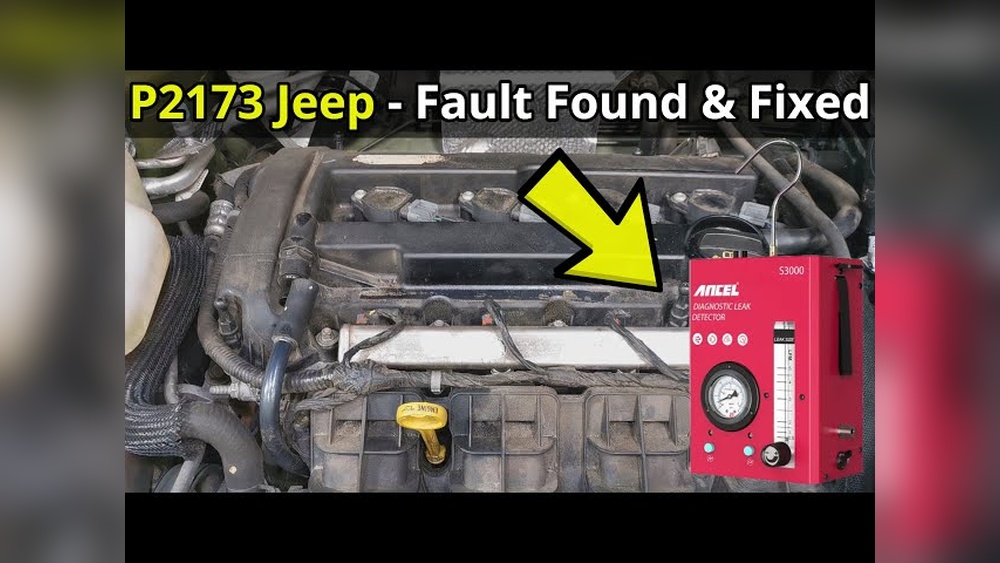
Smoke tests provide a clear way to spot hard-to-find leaks. A smoke machine pumps smoke into the intake system.
Watch where smoke escapes; that shows the leak location. Smoke tests are safe and effective for diagnosing leaks in sealed systems.
This method works well for finding leaks in hoses, gaskets, and intake manifolds. Smoke tests save time and prevent guesswork during repairs.
Many auto shops offer this service as part of diagnostic checks.
Idle Air Control Valve Checks
The Idle Air Control (IAC) valve plays a key role in managing your Jeep’s idle speed. It regulates air flow to keep the engine running smoothly when the throttle is closed.
Checking the IAC valve helps prevent rough idling and stalling issues. Regular inspections ensure your Jeep P1129 code does not worsen.
Idle Air Control Valve checks involve observing performance and testing the valve’s function. Dirt, carbon buildup, or electrical faults can cause the valve to fail. Early detection saves time and repair costs.
Symptoms Of A Faulty Iac Valve
A failing IAC valve shows clear signs. The engine may idle erratically, fluctuating between high and low speeds.
Stalling happens frequently, especially when the engine is cold or at stoplights. You might notice the check engine light turning on.
Hesitation or rough running during idle is common. Poor fuel economy can also be a clue.
Cleaning And Replacement Tips
Cleaning the IAC valve often restores normal function. Remove the valve carefully following your Jeep’s manual.
Use a throttle body or carburetor cleaner to remove grime gently. Avoid harsh scrubbing to prevent damage. Let the valve dry before reinstalling.
If cleaning does not fix the issue, replacement may be necessary. Choose a quality OEM or reputable aftermarket part.
Make sure to disconnect the battery before replacing the valve. Relearn the idle settings by following Jeep’s recommended procedures after installation.
Exhaust System Inspection
The exhaust system plays a key role in your Jeep’s performance and emissions. A thorough inspection helps spot problems early.
Checking the exhaust system ensures your Jeep runs smoothly and safely. It also prevents damage to other engine parts.
Regular inspections can catch leaks or cracks in the exhaust system. These issues affect engine efficiency and fuel economy.
A well-maintained exhaust system keeps emissions within legal limits. It also reduces unwanted noise and potential health hazards from fumes.
Spotting Manifold To Downpipe Leaks
Leaks between the exhaust manifold and downpipe are common in Jeeps. Look for a ticking sound near the engine while it runs.
You might notice a strong exhaust smell inside the cabin. Visible soot or black marks around the connection point also hint at leaks.
Another sign is reduced engine power or rough idling. Exhaust leaks can cause your engine to lose pressure.
This loss affects fuel efficiency and performance. Check for cracks or loose bolts on the manifold and downpipe joints.
Repair Options
Minor leaks often fix with tightening bolts or replacing gaskets. Using high-temperature sealants can also stop small leaks temporarily.
For bigger cracks, replacing the damaged part is safer and more effective.
Professional exhaust repair shops can weld cracks or replace faulty sections. Using original parts designed for your Jeep model ensures better fit and durability.
Regular maintenance after repair helps prevent future leaks and extends exhaust system life.
Pcm Software Updates
The Powertrain Control Module (PCM) controls many key functions of your Jeep’s engine. Over time, manufacturers release software updates to improve performance and fix bugs.
These updates help the PCM manage fuel delivery, emissions, and engine timing better. Keeping the PCM software current can prevent issues like the P1129 code and improve vehicle reliability.
Software updates can also address problems that cause the engine to run in open-loop mode too long. This mode stops the PCM from adjusting the air-fuel mixture correctly, leading to poor fuel economy and rough running.
Updating the PCM software can restore proper closed-loop operation and optimize engine performance.
When To Consider Updates
Consider a PCM software update if your Jeep shows repeated trouble codes like P1129. Also, if the engine runs rough or fuel economy drops without a clear mechanical cause, an update may help.
Some issues only appear after the vehicle has been on the road for a while. Software updates can fix these hidden problems.
Check for updates during regular service or when diagnosing persistent engine issues. Dealers often have the latest software versions and technical bulletins.
Timely updates reduce the risk of costly repairs and keep your Jeep running smoothly.
Dealership Vs. Independent Shops
Dealerships have direct access to the latest PCM software from Jeep. They use official tools and follow strict procedures.
This ensures updates are applied correctly and any related recalls or service campaigns are addressed.
Independent shops may also offer PCM updates but might use third-party software. Some shops specialize in Jeep repairs and can provide reliable service at a lower cost.
Make sure the shop uses up-to-date equipment and follows manufacturer guidelines.
Choosing between a dealership or an independent shop depends on your budget and trust in the technician. Both can update your PCM, but dealerships usually guarantee the newest software and full support.
Repair And Replacement Parts
Repair and replacement parts play a key role in keeping your Jeep P1129 running smoothly. Timely repairs prevent bigger problems and save money.
Using the right parts ensures reliability and performance. Finding quality components can be simple with the right approach.
Finding Oem Components
OEM parts come directly from the manufacturer. These parts match the original exactly.
Using OEM components maintains your Jeep’s performance and safety. They fit perfectly and last longer than aftermarket parts.
Check official Jeep dealers or Mopar stores for genuine parts. Avoid generic parts that may cause issues or wear out quickly.
Using Online Forums And Retailers
Jeep owner forums are full of helpful advice. Members share where to find reliable parts and how to fix common problems. Retailers like RockAuto or AutoZone offer a wide range of replacement parts. Many sell OEM and high-quality aftermarket options. Always read reviews to ensure part quality. Forums can also help with installation tips and troubleshooting.
Driving With P1129
The Jeep P1129 code signals a problem with the fuel system. This issue affects the engine’s air-to-fuel ratio.
Driving with P1129 means your engine runs in open-loop mode longer than normal. This mode bypasses the fuel mixture adjustments that keep the engine efficient.
Understanding the risks of driving with this code helps you decide when to seek repairs.
Short-term Safety
You can drive your Jeep short distances with the P1129 code. The engine may feel rough or hesitate during acceleration.
Fuel economy will drop, causing more frequent stops at the gas station. The vehicle may produce more exhaust emissions.
These symptoms do not usually cause immediate danger. Still, avoid heavy traffic or highway speeds to stay safe.
Risks Of Prolonged Driving
Driving long with P1129 can harm your engine and exhaust system. The catalytic converter may overheat and fail, leading to costly repairs.
The fuel system may suffer from clogged injectors or filters. Engine parts experience more wear due to improper fuel mixture.
Prolonged driving reduces your Jeep’s performance and reliability. It is best to fix the problem quickly to avoid damage.
Expert Troubleshooting Tips
Expert troubleshooting of Jeep P1129 codes can save time and money. It requires a clear plan and attention to detail.
The goal is to identify the root cause quickly and fix it effectively. Follow these expert tips for a smooth diagnostic process and avoid common pitfalls.
Step-by-step Diagnostic Approach
Start by scanning for the exact trouble code with an OBD-II scanner. This confirms the presence of P1129 and any related codes. Next, check the fuel system for pressure and flow issues. A weak fuel pump or clogged filter often triggers this code.
Inspect vacuum lines for leaks or cracks. Unmetered air can cause improper fuel mixture.
Check the throttle body and intake manifold for any damage or loose connections. Verify sensor signals, especially the throttle position sensor and coolant temperature sensor.
Clear the codes and test drive the vehicle. Monitor live data for any abnormal readings.
If the code returns, deeper diagnostics or software updates might be necessary. Always refer to the Jeep repair manual for specific procedures and values.
Avoiding Common Mistakes
Do not ignore minor symptoms like rough idle or hesitation. These often indicate early signs of a fuel or air issue.
Avoid replacing parts without proper diagnosis. Random replacements waste money and do not solve the problem.
Do not rely solely on code readers. Use live data and physical inspections to confirm findings.
Ensure all electrical connections are clean and secure. Dirty or loose connectors cause intermittent faults.
Do not overlook software updates. The Powertrain Control Module (PCM) may need the latest programming.
Consult your local Jeep dealer or trusted mechanic for this step. Proper troubleshooting avoids repeated trips and unnecessary repairs.

What Does The P1129 Code Mean?
The P1129 code means the engine is stuck in open-loop mode, failing to achieve closed-loop fueling. This causes poor fuel efficiency and rough running.
Common causes include fuel system issues, air leaks, or sensor problems. Diagnosing fuel pressure and sensors helps fix this error.
What Is The Code P1129 On A Jeep Wrangler?
The code P1129 on a Jeep Wrangler means the engine remains in open-loop fueling longer than normal. It signals fuel system or sensor issues. This causes rough idle, poor fuel economy, and possible catalytic converter damage. Check fuel pressure, inspect for air leaks, and consider a PCM software update.
What Does “closed Loop Fueling Not Achieved” Mean?
"Closed loop fueling not achieved" means the engine's control system can't adjust fuel based on oxygen sensor data. This causes inefficient fuel mixture and poor engine performance.
Common causes include fuel system issues or air leaks disrupting proper fuel-air balance.
How To Fix P1129?
Fix code P1129 by checking fuel pressure, replacing a weak fuel pump or clogged filter, and inspecting for air leaks. Reset the engine control module afterward.
Update PCM software if needed. Visit a mechanic if the problem persists.
Conclusion
The Jeep P1129 code points to fuel system issues affecting engine performance. Addressing fuel pressure, leaks, and sensor problems helps restore smooth driving.
Ignoring it may cause rough idling and lower fuel efficiency. Checking parts and software updates can solve the problem.
Always seek expert help if unsure. Keeping your Jeep in good shape means safer, better rides every day.