If you’ve ever seen the code Jeep P0038 pop up on your dashboard, you know it can be confusing and a little worrying. This code points to a problem with your vehicle’s oxygen sensor heater circuit, which can affect how your engine runs and even your fuel efficiency.
But don’t panic understanding what causes this code and how to fix it can save you time, money, and stress.
You’ll discover the most common reasons behind the P0038 code, simple steps to diagnose the issue, and practical fixes you can try yourself or discuss with your mechanic.
Keep reading to take control of your Jeep’s performance and get back on the road with confidence.

Jeep P0038 Code Basics
The Jeep P0038 code relates to a problem in the vehicle’s oxygen sensor circuit. This code often signals a high voltage issue in the heater control circuit of the oxygen sensor.
Understanding this code helps Jeep owners know what is wrong and how to fix it quickly.
Oxygen sensors play a key role in managing fuel and air mix in the engine. When the sensor’s heater circuit has a fault, it can lead to poor engine performance and higher emissions.
Learning the basics of P0038 can save you time and money.
What P0038 Means
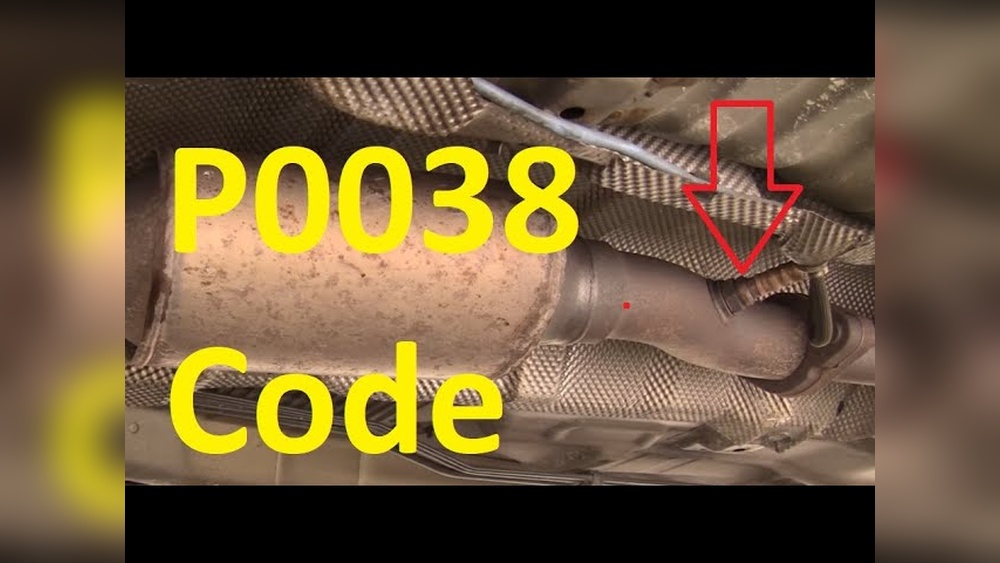
P0038 stands for a heater control circuit high voltage issue. It usually points to a problem with the oxygen sensor heater on bank 1, sensor 2.
This sensor is located after the catalytic converter. The heater helps the sensor reach the right temperature fast for accurate readings.
A high voltage means the circuit is getting too much electrical power. It could be from wiring issues, a bad sensor, or problems in the car’s control module.
This code does not mean the sensor is broken but that the heater circuit is not working right.
Symptoms To Watch For
There are several signs that the P0038 code is active. The check engine light will turn on.
You may notice the engine runs rough or stalls. Fuel efficiency might drop.
Sometimes, you will hear strange noises from the engine area.
The vehicle may also fail emissions tests because the sensor is not working properly. These symptoms are warnings that the sensor heater circuit needs attention.
Ignoring them can lead to bigger engine problems.
Why It Matters
The oxygen sensor heater helps the sensor work quickly. A faulty heater means the sensor takes longer to warm up.
This delays the engine’s response to changes in fuel and air mix. The result is poor fuel economy and higher emissions.
Fixing this code helps the engine run smoothly. It also prevents damage to the catalytic converter.
Addressing P0038 keeps your Jeep reliable and clean. It protects your investment and the environment.
Common Causes
The Jeep P0038 code signals a problem with the heater circuit of the oxygen sensor. Several factors can cause this issue.
Understanding the common causes helps in quick diagnosis and repair.
These causes often involve electrical faults or sensor malfunctions. Problems may range from wiring damage to control module errors.
Each factor affects the sensor’s ability to heat properly.
Wiring Problems
Wiring issues are frequent causes of code P0038. Wires may become frayed, melted, or broken.
This interrupts the power supply to the oxygen sensor heater. Heat and engine vibrations can damage wiring over time.
Inspect wires near the sensor for visible damage. Repair or replace faulty wiring to restore proper function.
Bad Ground Connections
A poor ground connection can stop the heater circuit from completing. Loose or corroded ground straps prevent electricity from flowing correctly.
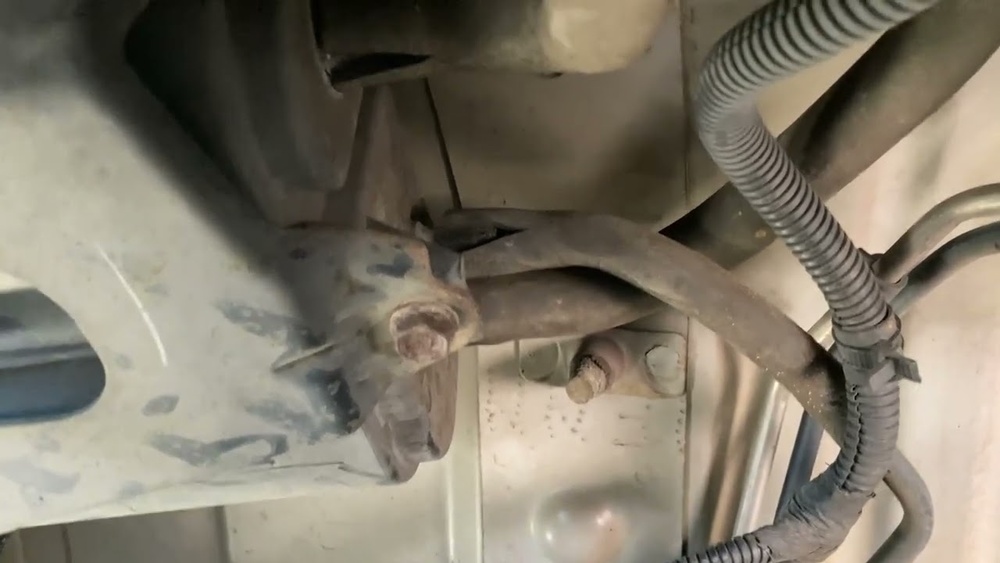
Many Jeep models suffer from ground corrosion around the radiator support area.
Clean and tighten grounding points to fix this. Good grounding ensures stable sensor operation and accurate readings.
Sensor Failures
The oxygen sensor itself may fail due to age or heat damage. A faulty heater inside the sensor triggers the P0038 code. Sensors wear out after thousands of miles.
Replacing a bad sensor often solves the problem. Use a quality part matched to your Jeep model for best results.
Pcm Issues
The Powertrain Control Module (PCM) controls the heater circuit. A malfunctioning PCM can cause false P0038 codes.
Internal faults or software errors may disrupt heater operation.
Testing the PCM requires advanced tools. Replace the module only after confirming it is the root cause.
Check exact part numbers using reliable parts catalogs.
Diagnosing P0038
Diagnosing the Jeep P0038 code requires a careful check of the oxygen sensor circuit. This code signals a problem with the heater control circuit of the oxygen sensor.
Addressing the issue quickly can prevent poor engine performance and increased emissions.
Start with the basic electrical components. Look for any visible signs of damage or wear.
Use diagnostic tools to get accurate readings. The process involves several steps to pinpoint the exact cause.
Checking Wiring And Connectors
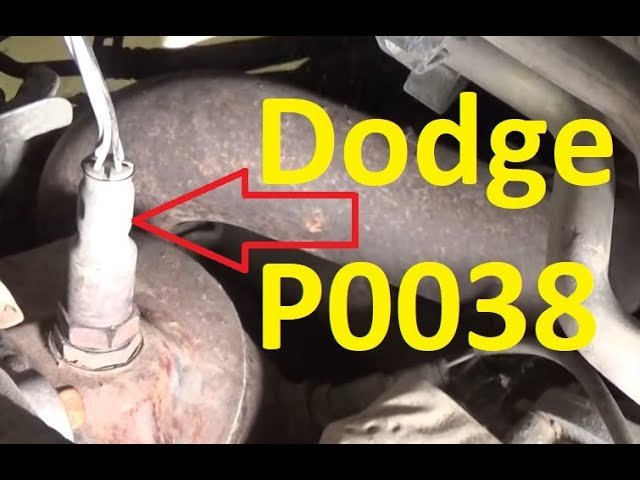
Inspect the wiring harness connected to the oxygen sensor. Look for frayed, melted, or broken wires.
Damaged wiring can disrupt the sensor’s heater circuit. Examine connectors for corrosion or loose pins.
Clean or replace connectors that look worn out. Proper electrical flow depends on clean, secure connections.
Testing The Oxygen Sensor
Use a multimeter to measure the resistance of the sensor’s heater circuit. Compare readings to the manufacturer’s specifications.
A high or infinite resistance indicates a faulty heater element. Replace the oxygen sensor if it fails the test.
A working sensor is important for accurate engine data.
Inspecting Ground Points
Locate the main ground points near the oxygen sensor circuit. Jeep models often suffer from corroded or loose ground connections.
Clean any corrosion with a wire brush or sandpaper. Tighten all ground connections securely. Good grounding ensures proper electrical circuit operation.
Using Scan Tools
Connect a scan tool to the Jeep’s OBD-II port. Read live data from the oxygen sensor and heater circuit.
Look for irregular voltage or heater control failures. Some scan tools can run specific tests on the heater circuit.
This step helps confirm the diagnosis before replacing parts.
Fixing The Code
Fixing the P0038 code on a Jeep requires a clear step-by-step approach. The error usually signals issues with the oxygen sensor circuit.
Addressing this code involves checking electrical connections, wiring, and sometimes replacing faulty parts. Follow these steps to resolve the problem effectively.
Cleaning And Securing Grounds
Start by inspecting the ground connections near the oxygen sensor. Jeep models often suffer from corroded or loose grounds.
Locate the main grounding points, like near the radiator support. Clean off any rust or dirt using a wire brush.
Tighten the connections to ensure a solid electrical path. A clean ground can restore proper sensor function.
Repairing Or Replacing Wiring
Next, check the wiring harness connected to the oxygen sensor. Look for frayed, melted, or broken wires.
Damaged wiring can cause false signals or sensor failure. Repair minor damage with electrical tape or heat-shrink tubing.
For severe damage, replace the entire wiring harness section. Proper wiring ensures accurate sensor readings.
Replacing The Oxygen Sensor
If grounds and wiring are fine, the oxygen sensor may be faulty. Sensors wear out over time and fail to send correct signals.
Purchase a compatible replacement sensor for your Jeep model. Remove the old sensor carefully to avoid damaging the threads.
Install the new sensor and clear the error code with a scan tool.
When To Replace The Pcm
The Powertrain Control Module (PCM) rarely causes P0038 codes. Replace the PCM only after all other fixes fail.
Test the PCM with specialized diagnostic tools. A faulty PCM may not communicate properly with the oxygen sensor.
Source a VIN-matched PCM to ensure compatibility before replacing it.
Preventive Tips
Preventing the Jeep P0038 code saves time and money. Regular care keeps your Jeep running smoothly.
Small steps help avoid sensor and wiring issues. These tips focus on key areas that often cause trouble.
Regular Inspection
Check your oxygen sensors often for damage or dirt. Inspect wiring for cuts, burns, or loose connections.
A quick look can catch problems early. Replace worn sensors before they fail.
Keep your Jeep’s engine area clean and dry.
Protecting Wiring Harness
Wiring harnesses are delicate and need protection. Use protective sleeves or conduit to shield wires.
Avoid routing wires near hot engine parts. Secure wires with clips or ties to prevent movement. Check wiring after off-road trips for damage.
Maintaining Ground Straps
Ground straps keep electrical circuits stable. Clean them regularly to remove rust or corrosion.
Tighten loose ground connections for a strong link. Replace damaged straps promptly to avoid electrical faults. Good grounds help sensors work correctly.
Parts And Tools
Fixing Jeep P0038 requires the right parts and tools. Having quality components ensures the repair lasts.
Proper tools make the job easier and safer. This section covers finding parts, tools needed, and helpful resources for Jeep owners.
Finding The Right Replacement Parts
Choose parts that fit your Jeep model exactly. Use your vehicle identification number (VIN) to verify compatibility. OEM parts offer reliable performance and durability. Aftermarket parts can be cheaper but check reviews before buying. Focus on oxygen sensors and wiring harnesses, common causes of code P0038.
Recommended Tools For Repair
Start with basic hand tools: screwdrivers, pliers, and socket wrenches. A digital multimeter helps test electrical connections.
Use a scan tool or OBD-II reader to clear codes after repair. Wire strippers and crimpers assist in fixing wiring issues.
Gloves and safety glasses protect during the work.
Resources For Jeep Owners
Online forums like JeepPatriot.com share user experiences and advice. CarParts.com offers a wide selection of parts with fitment guides.
YouTube channels provide step-by-step repair videos. JustAnswer connects you with professional mechanics for questions.
Always check multiple sources to confirm information accuracy.

How To Fix A P0038 Code?
To fix a P0038 code, check and repair oxygen sensor wiring or connectors. Clean and tighten ground points.
Replace the faulty oxygen sensor if needed. Clear the code and test drive to confirm the repair.
Where Is The Oxygen Sensor Bank 2 Sensor 2 Located?
The oxygen sensor bank 2 sensor 2 is located on the exhaust pipe after the catalytic converter on bank 2. It monitors emissions post-catalyst.
What Are The Symptoms Of A P0038 Code?
Symptoms of a P0038 code include poor engine performance, rough idling, increased fuel consumption, and the check engine light turning on.
How Can I Prevent P0038 From Happening?
Regularly inspect and repair wiring and connectors near the oxygen sensor. Clean and tighten ground connections. Use quality replacement parts to avoid P0038.
Conclusion
The Jeep P0038 code points to an oxygen sensor heater circuit issue. Check wiring and connectors first for damage or corrosion.
Clean and tighten ground points to ensure good connections. Replacing a faulty sensor or PCM may be necessary in rare cases.
Regular maintenance helps avoid this problem. Understanding these steps keeps your Jeep running smoothly and saves repair costs.
Stay alert to warning signs and act quickly. Your vehicle's performance depends on a healthy oxygen sensor system.