Few car brands in the world are as instantly recognizable as Jeep. For many, the name brings up images of rugged trails, military adventures, and open-air freedom. But behind that strong image is a story that stretches back over 80 years, shaped by war, innovation, and a loyal fan base.
If you want to understand why Jeep is more than just a vehicle, exploring its history gives insight into American engineering, culture, and adaptability.
The Birth Of A Legend: World War Ii Origins
Jeep’s story began with necessity. In 1940, as war spread across Europe, the US Army needed a light, fast, and tough reconnaissance vehicle. Several companies answered the call, but Willys-Overland and Ford emerged as the main competitors. After testing, the Army chose Willys’ design, which was known as the Willys MB.
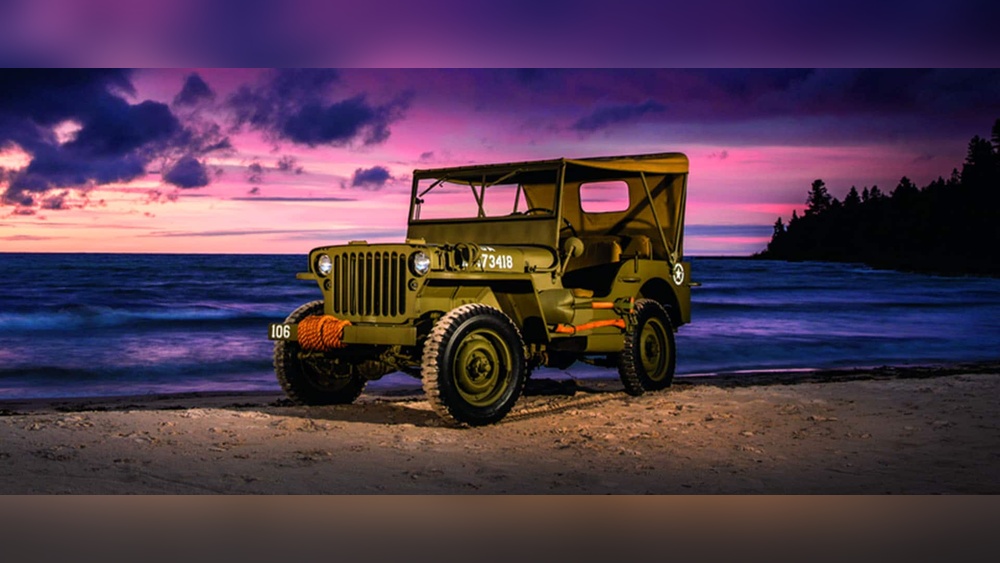
The Willys MB was simple but strong. It had a 60-horsepower “Go Devil” engine, four-wheel drive, and could handle rough terrain. Over 640,000 units were produced during the war. Soldiers loved it for its reliability and versatility. Some say “Jeep” came from the military term “GP” (for “General Purpose” vehicle), but the real origin is still debated.
Jeep quickly became a symbol of Allied power. It was used for everything—from carrying officers to towing artillery, even serving as ambulances. After the war, returning soldiers had fond memories of the Jeep, making it a natural choice for civilian life.
From Battlefield To Backroads: Civilian Expansion
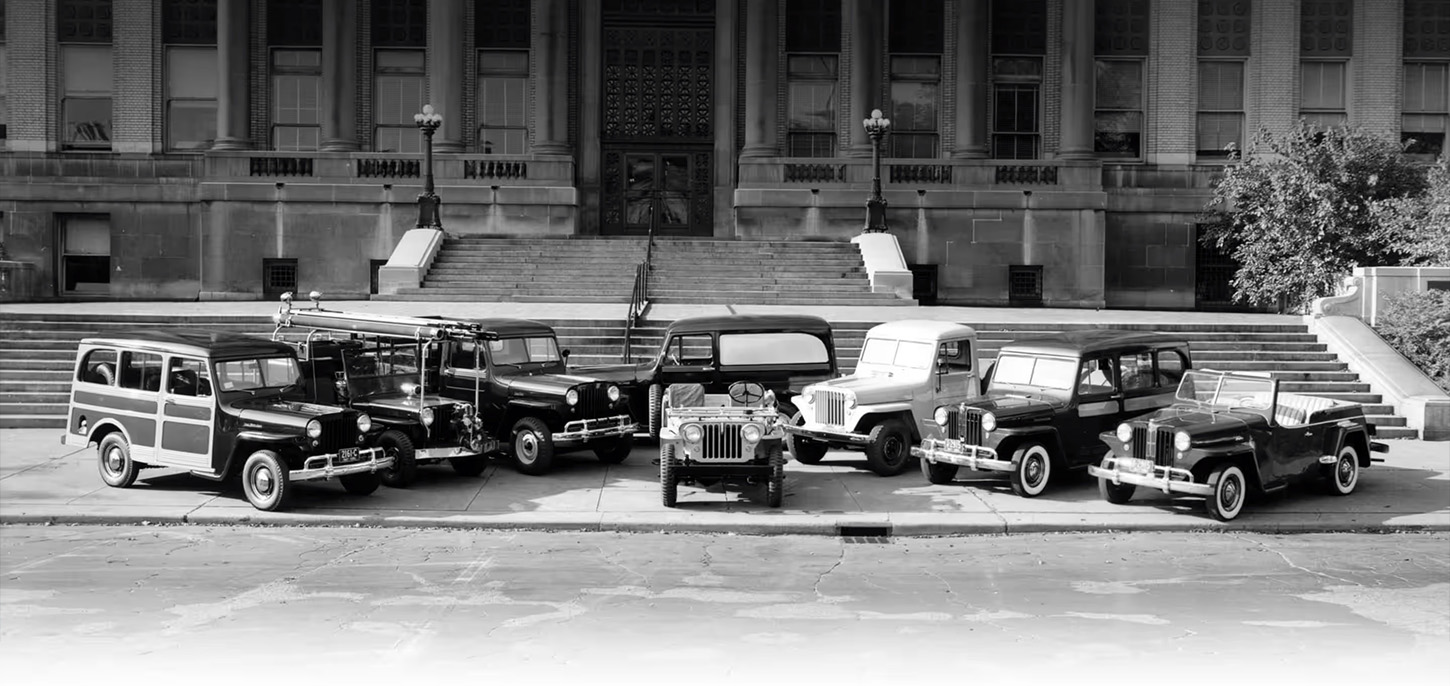
After World War II, Willys-Overland saw a chance to turn the Jeep into a peacetime success. In 1945, the CJ-2A (“Civilian Jeep”) was released. It looked much like the wartime Jeep but included features for everyday use, such as a tailgate and improved seats.
The CJ series quickly found fans among farmers, outdoor enthusiasts, and workers. These early Jeeps were versatile—plowing fields, running errands, and exploring the countryside. Willys marketed them as “The All-Around Farm Workhorse,” showing just how useful they could be.
In 1946, Willys introduced the Jeep Station Wagon, one of the first all-steel station wagons. In 1947, the Jeep Pickup arrived. These vehicles laid the foundation for what would later become the SUV and pickup markets.
Jeep’s Changing Owners And Growing Family
The years after the war brought many changes. Willys-Overland was sold to Kaiser Motors in 1953, becoming Kaiser-Jeep. In 1970, American Motors Corporation (AMC) bought Jeep. Each owner added new ideas, helping Jeep grow and adapt to changing times.
The 1960s saw the debut of the Wagoneer, a luxury 4×4 with independent front suspension and automatic transmission—rare features at the time. The Wagoneer is often called the first true SUV. In 1974, AMC launched the Cherokee, a two-door sportier SUV that attracted younger drivers.
In 1987, Chrysler acquired AMC and the Jeep brand. This move brought Jeep into a larger automotive family, giving it more resources for research and development. Under Chrysler, Jeep continued to innovate and expand.
Key Jeep Models Through The Decades
Throughout its history, Jeep has introduced vehicles that changed both the brand and the industry. Here’s a look at some of the most important models:
| Model | Year Launched | Unique Feature | Impact |
|---|---|---|---|
| Willys MB | 1941 | Military-grade 4×4 | Icon of WWII |
| CJ Series | 1945 | Civilian-friendly design | Popularized off-roading |
| Wagoneer | 1963 | Luxury 4WD SUV | Birth of modern SUV |
| Cherokee | 1974 | Sporty styling, unibody | Appealed to young buyers |
| Wrangler | 1986 | Removable doors/roof | Off-road icon |
| Grand Cherokee | 1992 | Luxury, power, comfort | Expanded SUV market |
| Gladiator | 2019 | Pickup truck utility | Blended Jeep DNA with truck |
Each Jeep model brought something new. The Wrangler kept the classic Jeep look but improved comfort and safety. The Grand Cherokee offered a luxury SUV experience without losing off-road ability.

Jeep’s Role In Off-road Culture
Jeep has always been more than just a way to get from point A to B. It’s a tool for adventure. The Jeep brand helped create and grow the off-road community in the US and around the world.
Events like the annual Easter Jeep Safari in Moab, Utah, bring thousands of Jeep owners together. Clubs and forums let fans share stories and tips. Jeep’s design—solid axles, short wheelbase, and strong 4WD systems—makes it a favorite for off-road modification.
But there’s more to Jeep’s culture than just the vehicles. Many owners use their Jeeps to connect with family, friends, and nature. The Jeep Wave—a simple hand gesture between passing Jeep drivers—shows the sense of community that the brand inspires.
Jeep’s Influence On The Suv And 4×4 Market
Jeep didn’t just build vehicles—it shaped entire markets. The brand’s early focus on ruggedness and versatility inspired a wave of imitators. Today, almost every carmaker offers some form of SUV or crossover. But Jeep’s reputation for true 4×4 ability sets it apart.
Let’s compare some of Jeep’s competitors to see how they stack up:
| Brand | Flagship Model | Off-Road Capability | Luxury Features | Heritage |
|---|---|---|---|---|
| Jeep | Wrangler | Excellent | Good | Strong WWII roots |
| Toyota | Land Cruiser | Very Good | Excellent | Post-war military |
| Land Rover | Defender | Excellent | Very Good | Post-war civilian |
| Ford | Bronco | Good | Good | 1960s adventure |
While competitors like Land Rover and Toyota have impressive off-road vehicles, Jeep’s commitment to ruggedness and its long history give it a unique place in the market.
Modern Jeep: Innovation And Global Reach
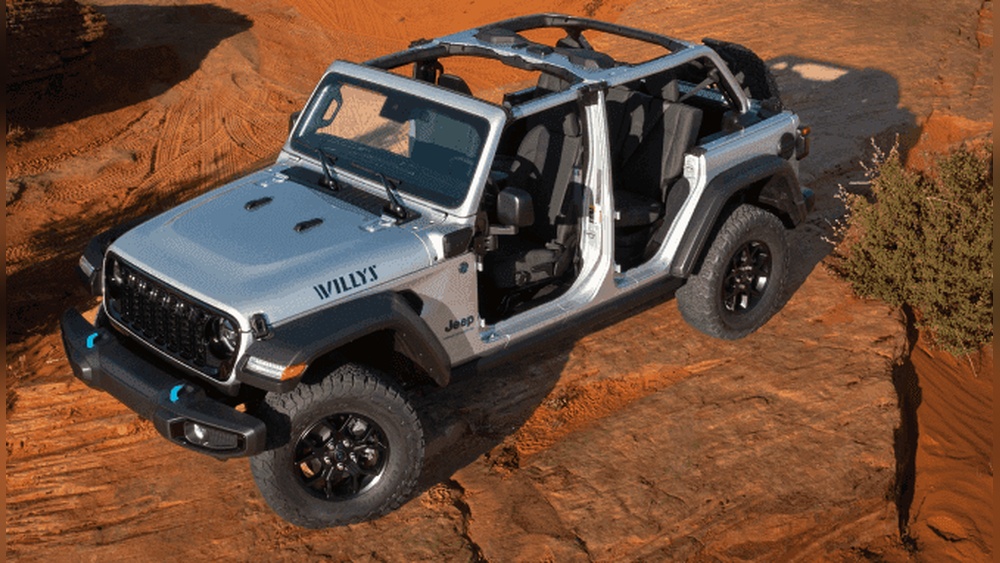
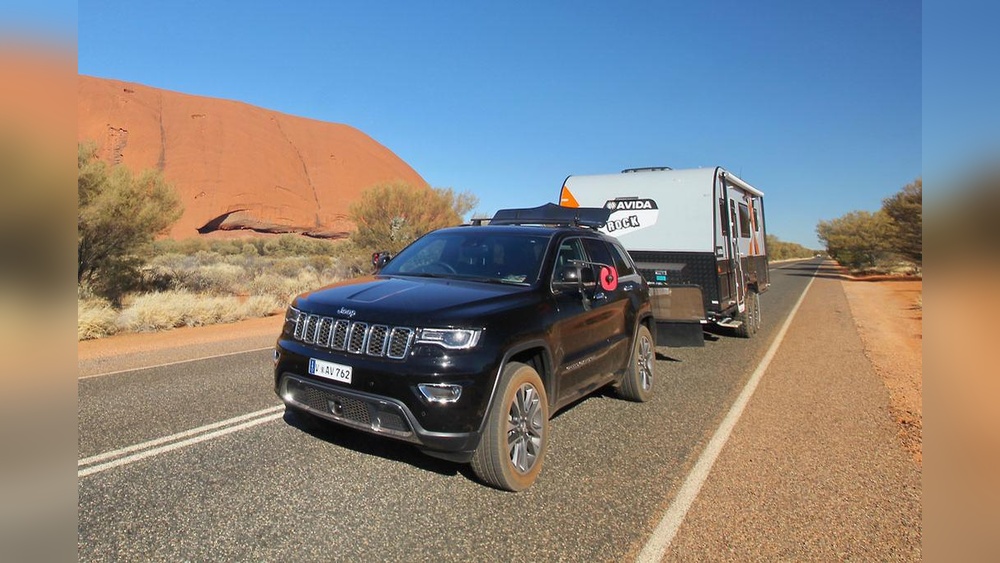
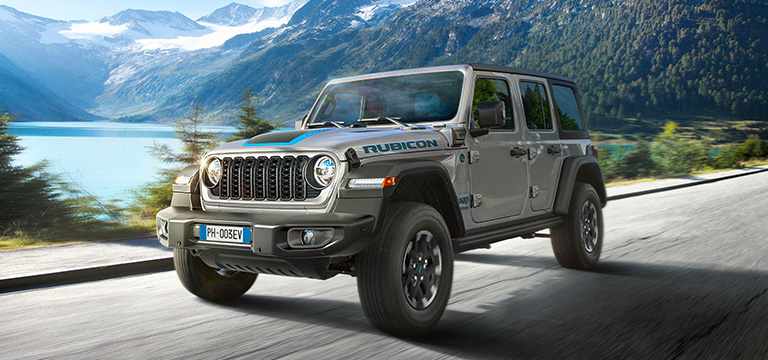
In recent decades, Jeep has evolved to meet changing tastes and technologies. The Wrangler continues to improve, adding features like advanced safety, better fuel efficiency, and even hybrid options. The Grand Cherokee now offers luxury, power, and tech, competing with high-end SUVs worldwide.
Jeep has also expanded globally. While its roots are in America, today you’ll see Jeeps in Europe, Asia, and beyond. In 2026, Jeep’s parent company became Stellantis, a merger of Fiat Chrysler and PSA Group. This move gives Jeep access to new technologies and markets.
Jeep has also adapted to new regulations and consumer demands. The brand introduced plug-in hybrid models, like the Wrangler 4xe, to meet stricter emissions rules and appeal to eco-conscious buyers. According to Jeep, the Wrangler 4xe became the best-selling plug-in hybrid in the US in 2026.
Jeep’s Image In Pop Culture
Jeep is not just a car; it’s a pop culture icon. The brand has appeared in countless movies, TV shows, and even songs. From the beaches of Normandy in WWII films to dinosaur chases in “Jurassic Park,” the Jeep is often shown as a symbol of adventure and resilience.
In advertising, Jeep highlights its legacy and freedom. Slogans like “Go Anywhere. Do Anything. ” capture the brand’s spirit. The Jeep grille—seven vertical slots—has become an instantly recognizable symbol, even for people who’ve never owned one.
Two Lesser-known Insights About Jeep
Most beginners know Jeep’s military roots and off-road skills. But here are two facts that even some fans miss:
- Jeep’s agricultural beginnings: After WWII, Jeep was promoted for farming and industrial use. Attachments like plows and saws turned the Jeep into a true workhorse, helping rebuild post-war economies.
- Jeep’s global production: Jeep vehicles have been built under license in more than 30 countries, including India, Japan, and Brazil. In some places, like India, the locally produced Mahindra Jeep became a cultural icon itself.
These examples show that Jeep’s influence is wider than most people realize.
Jeep’s Challenges And The Road Ahead
Even with its strong brand, Jeep faces new challenges. Today’s car market is crowded with SUVs and crossovers. Tougher safety and emissions standards mean Jeep must innovate without losing its unique style.
Jeep is investing in electric and hybrid vehicles, recognizing the future of mobility is changing. The company also works to keep its vehicles true to their roots—offering trail-rated models that can still conquer tough terrain.
Jeep’s global strategy includes entering new markets and adapting to local needs. For example, models like the Jeep Compass are designed with urban drivers in mind, blending city comfort with off-road capability.