If your Jeep is overheating but the coolant level looks fine, you’re not alone. Many Jeep owners face this problem and find it both confusing and stressful.
Overheating can damage your engine, so solving the cause quickly is important. But why would a Jeep overheat when there seems to be enough coolant?
Let’s look at the most common reasons, what you can do, and how to prevent more serious damage.
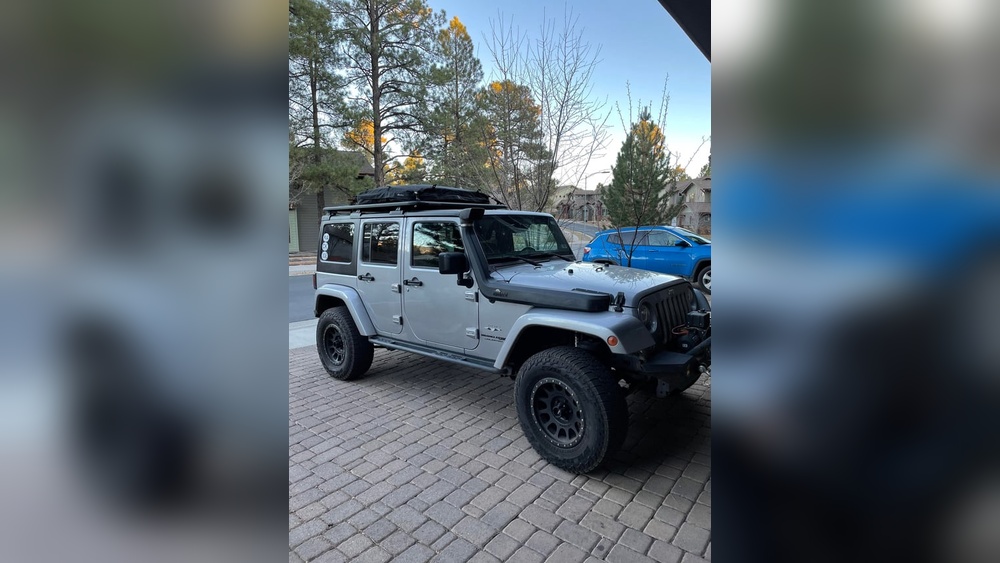
Why Jeeps Overheat Even With Coolant
A healthy cooling system keeps the engine at the right temperature. If the coolant reservoir is full, you might think everything is fine. But a Jeep can still overheat due to other hidden issues.
Common Causes
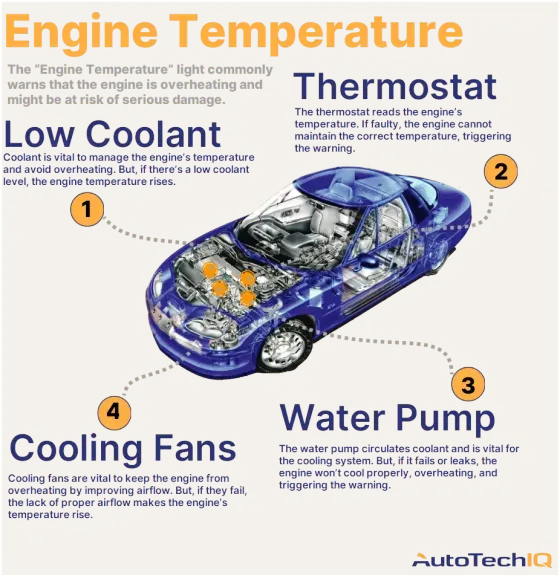
1. Thermostat Failure
The thermostat controls the flow of coolant. If it sticks closed, coolant can’t move from the engine to the radiator, causing overheating—even if the system is full.
2. Radiator Problems
A clogged radiator or broken radiator fan can stop heat from leaving the coolant. This is common in older Jeeps or those driven off-road.
3. Water Pump Issues
The water pump circulates coolant through the system. If it’s weak or broken, coolant doesn’t move fast enough to cool the engine.
4. Blocked Hoses
Coolant hoses can get blocked by rust, debris, or old coolant. This reduces flow and traps heat.
5. Air In The System
Air pockets prevent coolant from reaching all parts of the engine. This often happens after a coolant change if the system wasn’t bled properly.
6. Bad Head Gasket
A leaking head gasket can let exhaust gas enter the coolant, causing overheating. This is often the most serious cause.
7. Faulty Sensors Or Gauges
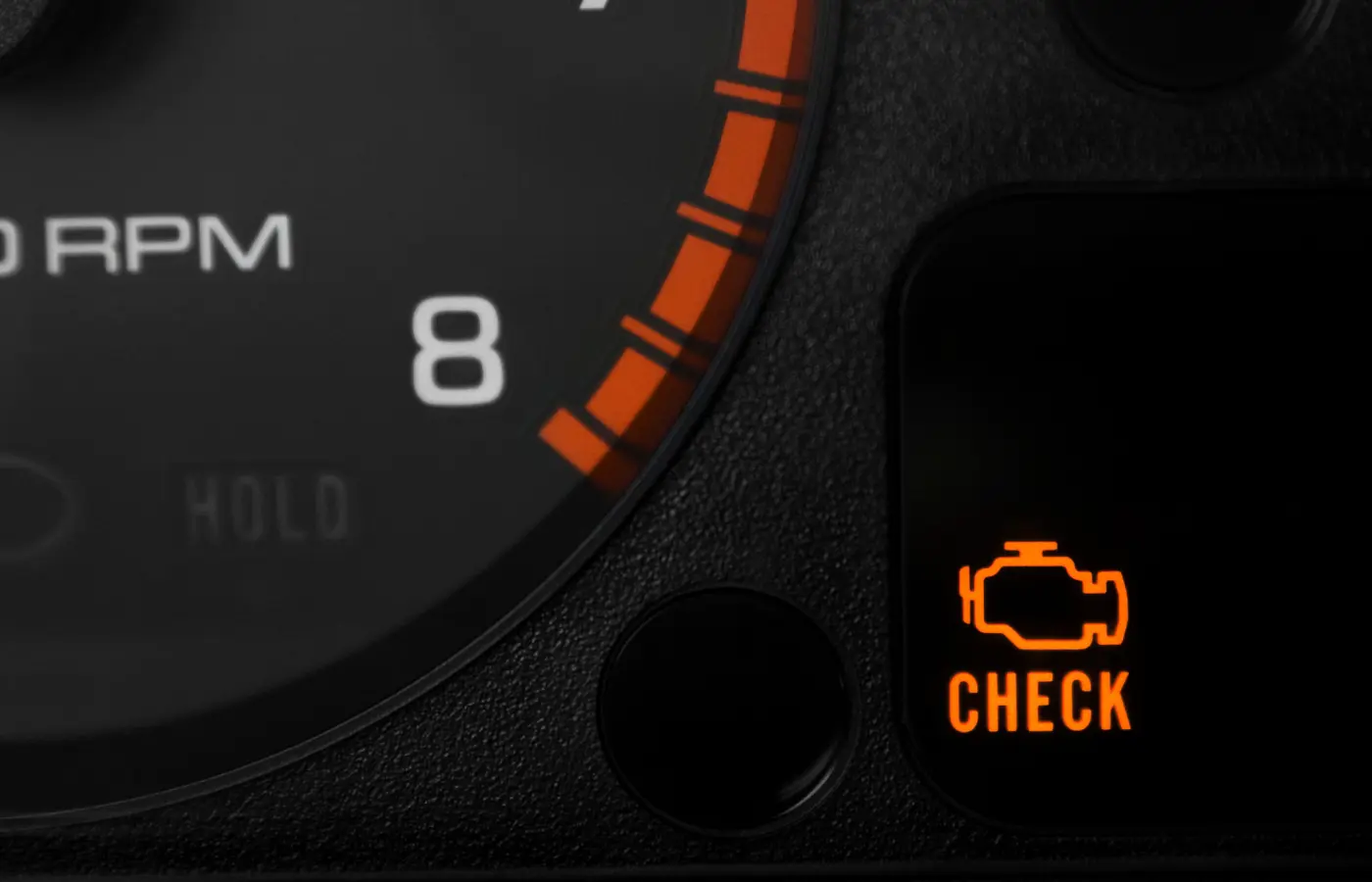
Sometimes the engine isn’t really overheating—the sensor or gauge may be reading wrong. But never ignore an overheating warning.
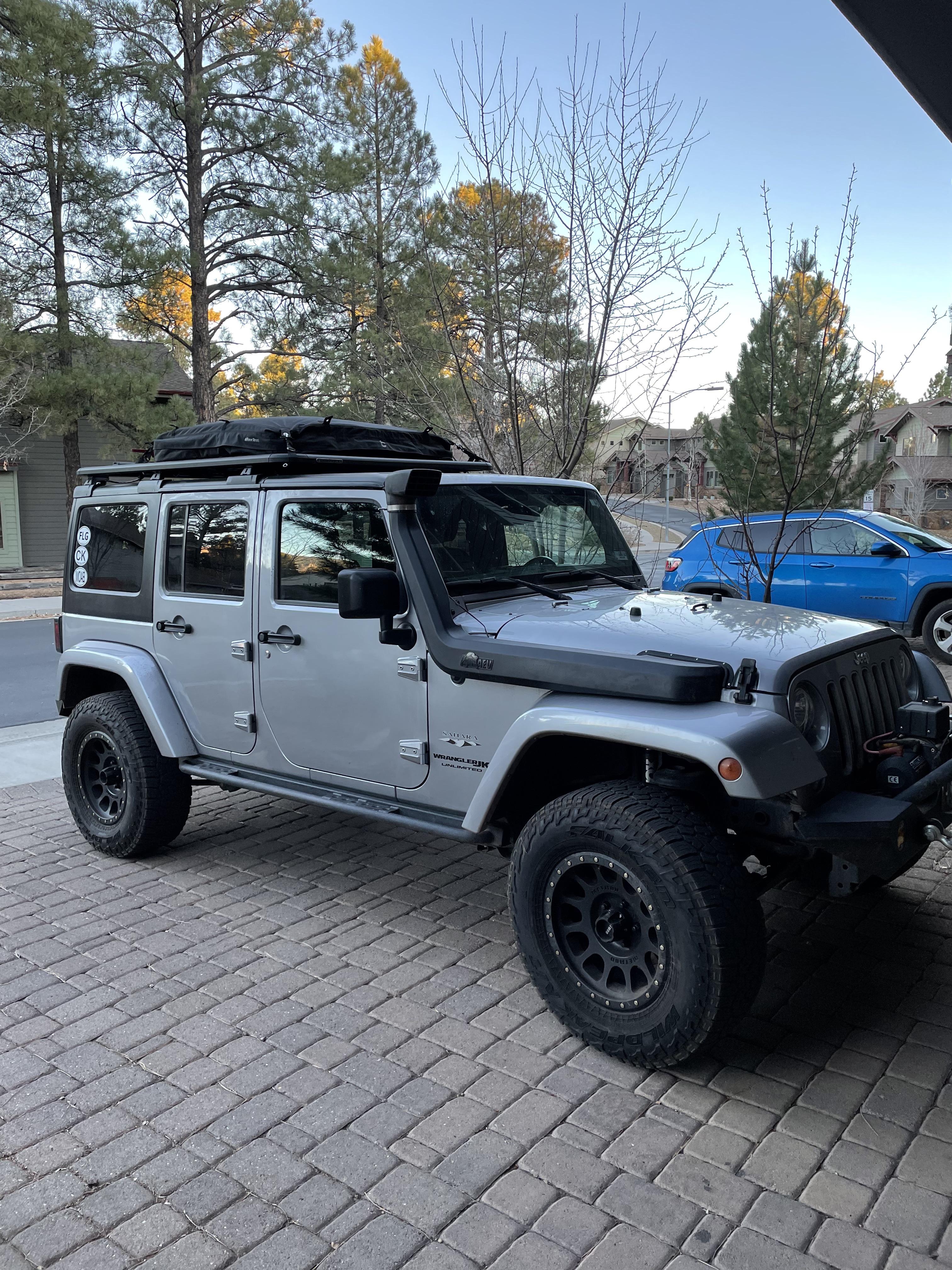
Example: 2012 Jeep Wrangler
Many Jeep Wrangler owners report overheating after long drives or off-roading, even with full coolant. In these cases, the most common fixes are replacing a faulty thermostat or cleaning out a clogged radiator.
Diagnosing The Problem
Finding the real cause is key. Here’s how you can check what’s wrong:
| Sign | Possible Cause | What to Check |
|---|---|---|
| Coolant Boiling | Radiator cap, thermostat | Look for leaks, check pressure |
| Heater Not Working | Air in system, blocked heater core | Feel heater hoses, bleed system |
| White Smoke | Head gasket leak | Check exhaust, oil color |
| Noisy Water Pump | Failing water pump | Listen for grinding sounds |
A visual inspection can reveal leaks, damaged hoses, or rust. Touch the radiator hoses (when cool) to see if they feel collapsed or unusually hard.
How To Fix Jeep Overheating (with Coolant)
If you feel comfortable, you can try these steps before visiting a mechanic:
1. Check Thermostat Operation
Feel both upper and lower radiator hoses after the engine warms up. If one is cold, the thermostat may be stuck closed.
2. Inspect Radiator And Hoses
Look for leaks, bulges, or cracks. Shine a flashlight through the radiator fins.
If you can’t see light, it may be clogged.
3. Bleed The Cooling System
Air pockets can cause overheating. Use the Jeep’s bleeder valve or run the engine with the radiator cap off (when cool) until bubbles stop.
4. Test The Radiator Fan
With the engine running and hot, the fan should spin. If not, check the fuse, relay, or fan motor.
5. Pressure Test The System
A pressure test tool can reveal leaks or a weak radiator cap.
6. Check For Exhaust Gas In Coolant
Special test kits can detect exhaust gas in the coolant—a sign of a bad head gasket.
Here’s a simple comparison of common Jeep cooling system repairs:
| Repair | Difficulty | Estimated Cost (USD) |
|---|---|---|
| Thermostat Replacement | Medium | $60-$200 |
| Radiator Flush | Easy | $70-$150 |
| Water Pump Replacement | Hard | $300-$700 |
| Head Gasket Repair | Very Hard | $1,000-$2,500 |
Preventing Overheating In The Future
Many overheating problems are avoidable with regular care. Here’s what you can do:
- Change coolant every 2-3 years or as your manual says.
- Inspect hoses and belts for damage every oil change.
- Flush the radiator if you see rust or dirty coolant.
- Use the right coolant mix for your Jeep model.
- Clean debris from the radiator fins, especially after off-roading.
- Check the radiator cap for a good seal.
A simple tip: always use distilled water when mixing coolant. Tap water can leave minerals that block the system over time.
When To See A Mechanic
If you’ve checked the basics and your Jeep still overheats, seek help. Signs you need a professional:
- Coolant loss with no visible leak (could be internal)
- Oil looks milky or foamy
- Overheating happens often, even after repairs
- Steam or white smoke from the exhaust
Modern Jeeps have complex cooling systems and electronics. Mechanics have special tools to test sensors, pressure, and flow rates that are hard to check at home.
Why Is My Jeep Overheating But The Coolant Is Full?
There may be a problem with the thermostat, radiator, water pump, or air pockets in the system. Full coolant doesn’t guarantee the system is working right.
Can A Bad Radiator Cap Cause Overheating?
Yes. A weak radiator cap can let coolant boil and escape, causing overheating. Always check the cap if you notice issues.
How Do I Bleed Air From My Jeep’s Cooling System?
Run the engine with the radiator cap off (when cool), turn the heater on high, and watch for air bubbles. Some Jeeps have a special bleeder valve for this.
Is It Safe To Drive My Jeep If It Overheats But Has Coolant?
No. Overheating can quickly damage the engine.
Stop and let it cool, then check for obvious problems. If unsure, call for help.
How Often Should I Flush The Coolant In My Jeep?
Most experts recommend a coolant flush every 2-3 years or 30,000 miles. Check your Jeep’s manual for the exact schedule.
For more detailed guides and technical information, you can visit the Wikipedia Cooling System page.
If your Jeep overheats, don’t ignore it—even if the coolant is full. Quick action can save you time, money, and trouble down the road.