Jeep Lighting Installation: A Complete Guide
Lighting upgrades are one of the most popular changes for Jeep owners. Whether you drive a classic Wrangler or a modern Gladiator, better lights mean safer night driving and more style on the road or trail.
But installing Jeep lighting is more than just swapping bulbs—it’s about choosing the right products, wiring them safely, and making sure everything works as intended.
In this guide, you’ll learn how to select, install, and troubleshoot lighting on your Jeep, with practical advice and clear steps for beginners and experienced enthusiasts.
Why Upgrade Jeep Lighting?
Jeep vehicles often come with standard halogen headlights and basic fog lamps. These lights can be weak, especially in harsh weather or on dark trails. Upgrading your Jeep’s lighting brings several benefits:
- Better visibility: LED or HID lights are brighter and show more of the road or trail.
- Improved safety: Stronger lights help you see obstacles sooner and make your Jeep more visible to others.
- Enhanced style: Modern lights give your Jeep a custom look that stands out.
- Energy efficiency: Newer lights use less power and last longer.
One non-obvious advantage is that upgraded lighting can reduce driver fatigue on long night drives. Another overlooked benefit is that some aftermarket lights come with weatherproof features that protect against mud, rain, and dust—important for off-road trips.
Types Of Jeep Lighting
Choosing the right lighting is the first step. Here are the most common options for Jeep owners:
Headlights
Most Jeeps use 7-inch round headlights (Wrangler JK and JL) or rectangular headlights (older models). You can upgrade to:
- LED headlights: Bright, long-lasting, and easy to install.
- HID headlights: High-intensity, but require special ballasts.
Fog Lights
Fog lights are mounted low on the bumper. Upgrades include:
- LED fog lights: Good for thick fog and rain, plus stylish.
- Halogen replacements: Slightly brighter than stock, but not as powerful as LED.
Off-road Light Bars
Light bars are popular for night trails. They come in various sizes:
- Single-row LED bars: Slim and less power-hungry.
- Double-row LED bars: Much brighter, ideal for heavy off-road use.
Spotlights And Pods
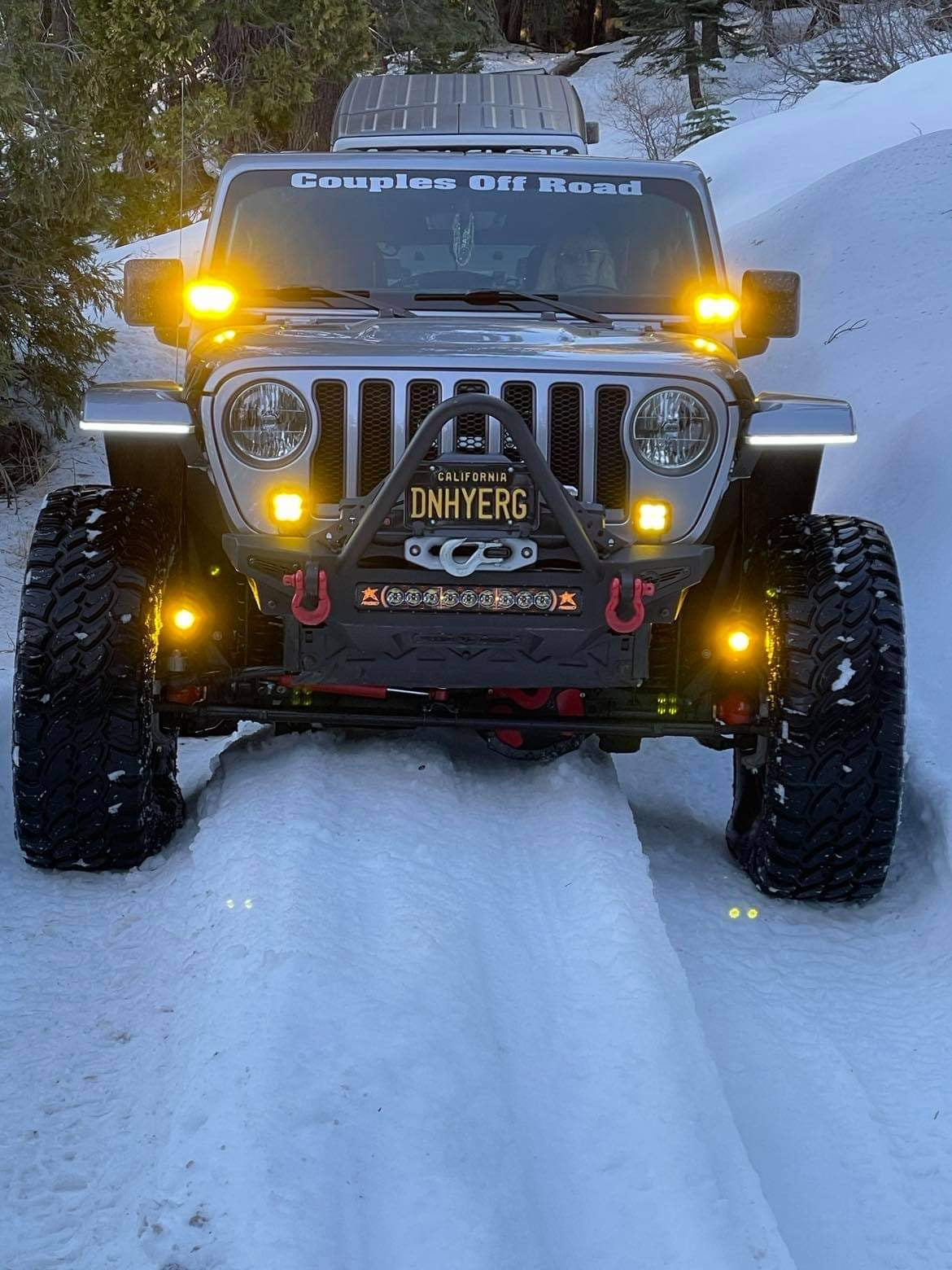
Small lights that mount on the roof, bumper, or pillars. They help with side visibility and can be aimed at tricky spots.
Taillights And Brake Lights
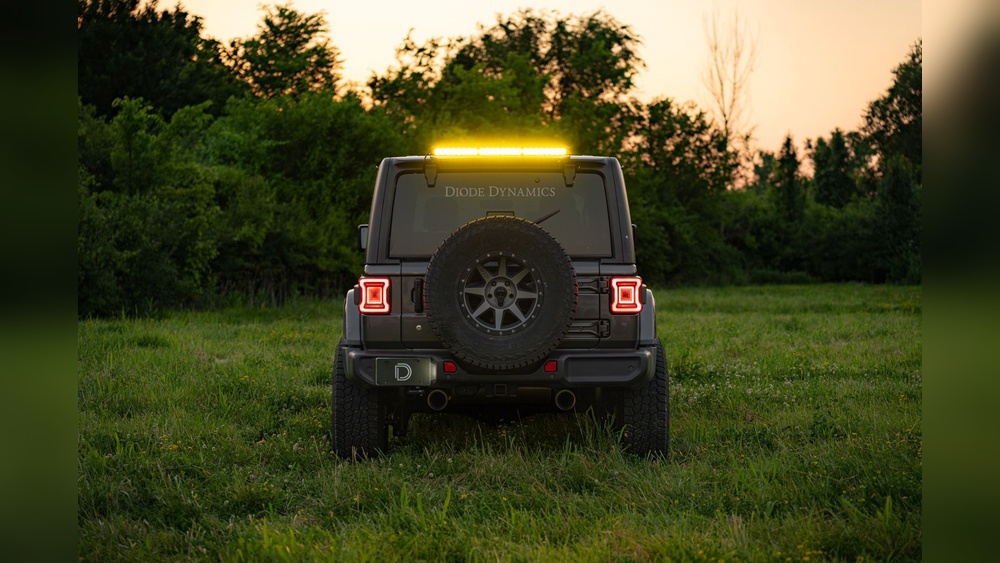
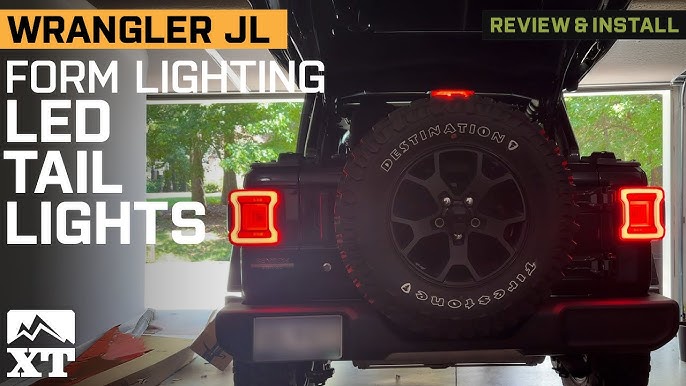
Upgrading to LED taillights increases safety and gives a modern look. Some models include built-in turn signals and reverse lights.
Interior Lighting
LED strips or bulbs inside your Jeep make it easier to find gear at night.
Planning Your Jeep Lighting Installation
A successful installation starts with good planning. Here’s what you need to consider:
- Compatibility: Check that the lights fit your Jeep model and year.
- Wattage and power draw: Make sure your Jeep’s electrical system can handle the new lights.
- Legal restrictions: Some states limit brightness or the color of lights. Check local laws.
- Wiring needs: Decide if you need new wiring, relays, or switches.
- Mounting locations: Think about where to place each light for maximum effect and safety.
A practical tip: Measure your Jeep’s battery voltage before starting. If it’s below 12.4 volts, consider replacing the battery to avoid installation problems.
Tools And Materials Needed
Before you begin, gather these essential tools:
- Screwdrivers (flat and Phillips)
- Socket set and ratchet
- Wire cutters and strippers
- Electrical tape and heat shrink tubing
- Drill and bits (for mounting brackets)
- Zip ties for cable management
- Multimeter (for testing voltage and continuity)
- Mounting brackets and hardware (if not included with lights)
For materials, make sure you have:
- The new lights
- Wiring harnesses (often included with kits)
- Relay and fuse (for high-power lights)
- Switches (for controlling lights from inside the Jeep)
Step-by-step Jeep Lighting Installation
Below, you’ll find detailed steps for a typical lighting upgrade. The process is similar for most types, but always check your product’s instructions.
Removing Old Lights
- Turn off your Jeep and disconnect the battery. This prevents shocks or short circuits.
- Unscrew the headlight bezel or fog lamp cover.
- Gently pull out the old light, disconnecting any clips or wires.
- Clean the mounting area to remove dust and rust.
Installing New Lights
- Plug the new light into the existing connector. If needed, use the supplied adapter.
- Secure the light in the mount and tighten screws evenly.
- For light bars or pods, mark the mounting location, drill holes, and attach brackets.
- Route wires through safe paths—avoid sharp edges and moving parts.
Wiring And Power
- Connect the wiring harness to the light and run it to the fuse box or battery.
- Install a relay and inline fuse for high-power lights. This protects your Jeep’s electrical system.
- Attach switches inside the cabin for easy control. Use factory switch blanks if available.
- Test all connections with a multimeter to ensure proper voltage and grounding.
Testing And Adjustments
- Reconnect the battery and turn on the lights.
- Adjust the beam direction for headlights and fog lights. Aim them slightly downward to avoid blinding other drivers.
- Check for any flickering or dimming—this could mean loose wires or a weak battery.
Common Mistakes To Avoid
- Skipping the relay: High-power lights need a relay; direct wiring can melt cables.
- Poor cable management: Wires should be secured with zip ties to avoid vibration damage.
- Not sealing connections: Use heat shrink tubing to prevent moisture and corrosion.
- Ignoring local laws: Some states ban colored lights or extra bright beams.
Comparing Jeep Lighting Options
Here’s a quick comparison of the three most common lighting types:
| Type | Brightness (Lumens) | Average Lifespan | Power Draw | Cost Range |
|---|---|---|---|---|
| Halogen | 1,000 – 1,200 | 500 hours | 55W | $25 – $70 |
| LED | 2,000 – 4,000 | 20,000 hours | 20W | $60 – $180 |
| HID | 3,000 – 5,000 | 2,000 hours | 35W | $80 – $200 |
Jeep Lighting Installation Costs
Installation costs depend on the lighting type and whether you do it yourself or hire a professional. Here’s a breakdown:
| Lighting Type | DIY Cost | Professional Install | Time Required |
|---|---|---|---|
| Headlights (LED) | $60 – $180 | $120 – $250 | 45 minutes |
| Light Bar | $70 – $350 | $200 – $500 | 1.5 hours |
| Fog Lights | $40 – $120 | $100 – $220 | 30 minutes |
Troubleshooting Jeep Lighting Problems
Even with careful installation, issues can arise. Here’s how to fix common problems:
- Flickering lights: Check for loose connections or a weak battery. Tighten all connectors and charge or replace the battery.
- Lights won’t turn on: Inspect the fuse and relay. Replace if blown or faulty.
- Dim output: Clean the lens and check voltage. Dirty lenses or low power can reduce brightness.
- Water in lights: Reseal the housing with silicone or replace damaged lights. Waterproofing is essential for off-road Jeeps.
A non-obvious tip: If you install multiple lights, use a dedicated power distribution block. This prevents overloads and makes troubleshooting easier.
Choosing The Right Jeep Lights
When picking the best lights for your Jeep, focus on these factors:
- Beam pattern: Flood vs. spot vs. combo. Flood is wide and short; spot is narrow and long; combo gives both.
- Color temperature: 5,000–6,500K is ideal for clear white light, reducing eye strain.
- Warranty: Look for at least a one-year warranty. Quality brands often offer two years or more.
- IP rating: For off-road use, choose lights with an IP67 or IP68 rating (dustproof and waterproof).
Avoid the mistake of buying cheap, unbranded lights. They often fail early and can damage your Jeep’s wiring.
Example: Installing An Led Light Bar On A Jeep Wrangler
To make things practical, here’s a real-world example:
- Select a 20-inch LED light bar with a combo beam pattern.
- Use the supplied brackets to mount the bar above the windshield.
- Route the wiring harness through the engine bay, using rubber grommets to protect wires.
- Connect the harness to the battery, install a relay, and mount the switch in the dash.
- Test the bar. Aim the beam slightly downward for trail use.
Most owners can finish this job in under two hours. The hardest part is hiding the wires neatly.
Use zip ties and wire loom for a clean look.
Safety And Maintenance Tips
- Always disconnect the battery before starting any electrical work.
- Check lights regularly for moisture, dirt, or loose screws.
- Clean lenses with a soft cloth and mild soap—harsh chemicals damage plastic.
- Inspect wiring after off-road trips. Mud and rocks can break cables.
- Upgrade fuses if you add multiple high-power lights. Use the correct amperage to prevent fires.
Jeep Lighting Brands: Quick Comparison
Let’s see how three popular brands stack up:
| Brand | Warranty | IP Rating | Price Range | Main Features |
|---|---|---|---|---|
| Rigid Industries | Limited Lifetime | IP68 | $150 – $400 | High durability, advanced optics |
| KC HiLiTES | 5 Years | IP67 | $120 – $350 | Classic look, strong beams |
| Auxbeam | 2 Years | IP67 | $60 – $200 | Budget-friendly, easy install |
For more brand comparisons and reviews, visit Consumer Reports.
Frequently Asked Questions
How Do I Know If A Light Is Compatible With My Jeep?
Check the light’s size and connector type. Most Jeep Wranglers use 7-inch round headlights. Read product specs and compare with your Jeep’s manual.
Are Led Lights Legal For Street Use?
LED lights are usually legal if they meet DOT standards. Avoid colored or extra-bright lights unless local laws allow them.
Can I Install Lights Without Professional Help?
Yes, most Jeep lighting kits are plug-and-play. If you’re comfortable with basic tools and wiring, DIY installation is possible.
What Should I Do If My Lights Flicker?
Flickering is often caused by loose wires or a weak battery. Tighten all connections and check battery voltage before replacing parts.
How Can I Protect My Lights From Water And Mud?
Choose lights with a high IP rating (IP67 or IP68). Seal all connections with heat shrink tubing or silicone for extra protection.
Upgrading your Jeep’s lighting is a smart move for safety, style, and adventure. With careful planning, the right tools, and attention to detail, you can enjoy brighter nights and bolder looks on every drive.
Whether you choose LED, HID, or light bars, follow these steps and tips for a successful installation.