Ensuring your Jeep Liberty wheel alignment is in top shape is crucial for a safe, comfortable, and efficient driving experience. Misaligned wheels can lead to a host of problems, from premature tire wear and poor fuel economy to difficult steering and potential safety hazards.
This guide will walk you through everything you need to know about Jeep Liberty wheel alignment, from understanding what it is and why it’s important, to recognizing the signs of misalignment and what to expect during a professional service.
Wheel alignment refers to the adjustment of your vehicle's suspension angles. These angles, known as camber, caster, and toe, determine the direction your tires are pointing and how they contact the road.
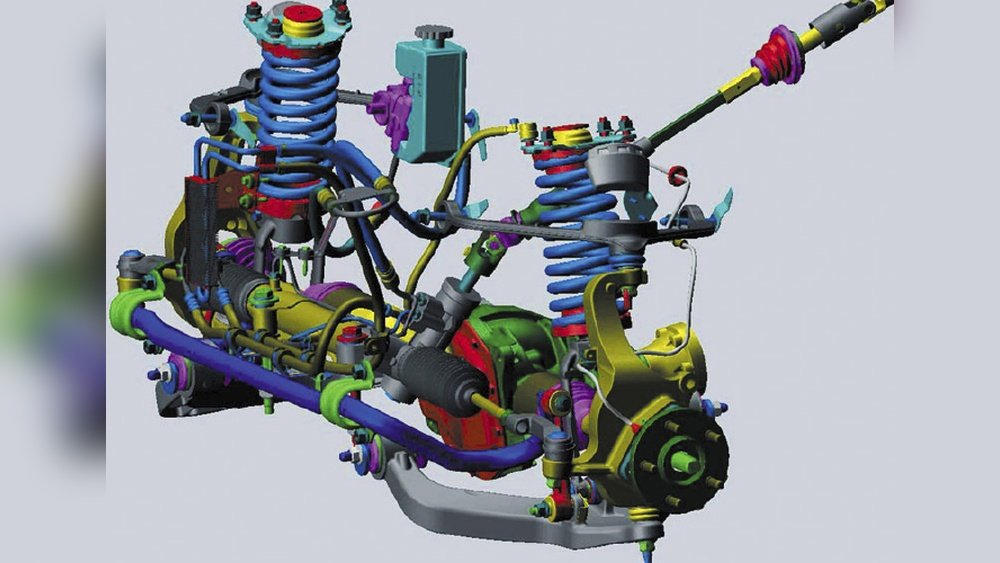
When these angles are set according to the manufacturer's specifications, your Jeep Liberty will handle predictably, your tires will wear evenly, and you’ll get the best possible performance and fuel efficiency.
The Jeep Liberty, known for its off-road capabilities and rugged design, relies on precise suspension geometry for both on-road comfort and off-road control. Any deviation from the factory settings can significantly impact its performance.
Whether you’re navigating city streets, cruising on the highway, or tackling challenging terrain, proper wheel alignment is a foundational element of your Liberty’s overall health.
Understanding The Key Components Of Wheel Alignment
To truly grasp the importance of wheel alignment, it helps to understand the specific angles involved. These are not arbitrary settings; they are carefully engineered to provide optimal handling, stability, and tire longevity. For your Jeep Liberty, like most vehicles, these three main angles are critical:
Camber
Camber is the angle of the wheel relative to the vertical axis when viewed from the front of the vehicle.
- Positive Camber: The top of the wheel tilts outward, away from the vehicle.
- Negative Camber: The top of the wheel tilts inward, toward the vehicle.
- Zero Camber: The wheel is perfectly vertical.
Incorrect camber can cause the tire to wear unevenly on the inside or outside edge. For instance, excessive positive camber will cause the outside edge of the tire to wear down faster, while excessive negative camber will wear out the inside edge.
The factory specifications for your Jeep Liberty are designed to balance tire wear with steering response and stability.
Caster
Caster is the angle of the steering axis when viewed from the side of the vehicle. It’s the angle of the upper pivot point of the steering knuckle relative to a vertical line.
- Positive Caster: The steering axis is tilted backward. This is common in most vehicles and helps with steering stability.
- Negative Caster: The steering axis is tilted forward. This is less common and can lead to unstable steering.
Positive caster provides a self-centering effect for the steering wheel, making the vehicle want to go straight. It also contributes to steering stability, especially at higher speeds.
When caster is significantly off, you might notice the steering wheel not returning to center easily after a turn or the vehicle pulling to one side.
Toe
Toe refers to the angle of the wheels relative to the vehicle’s longitudinal axis when viewed from above.
- Toe-in: The front of the tires are closer together than the rear.
- Toe-out: The front of the tires are farther apart than the rear.
- Zero Toe: The tires are perfectly parallel.
Most vehicles, including the Jeep Liberty, are set with a slight amount of toe-in or toe-out, depending on the specific model and front-wheel-drive or rear-wheel-drive configuration.
- Toe-in: Typically promotes straight-line stability. However, too much toe-in can cause the tires to scrub against each other as they roll, leading to rapid wear on the outer edges.
- Toe-out: Can make the vehicle feel more responsive to steering input, but excessive toe-out can cause the tires to wear unevenly on the inner edges and make the vehicle wander.
The precise combination of these angles is what makes your Jeep Liberty handle the way it’s designed to. Even small deviations can have noticeable effects.
Why Is Wheel Alignment So Important For Your Jeep Liberty?
Maintaining proper wheel alignment for your Jeep Liberty isn’t just about making the steering feel right; it has significant implications for your vehicle’s safety, performance, and your wallet.
1. Tire Longevity And Cost Savings
This is often the most immediate and noticeable benefit. When your wheels are misaligned, your tires don’t roll straight.
They are forced to drag or scrub across the pavement. This friction causes uneven and accelerated tire wear.
- Feathering: This is when the tread blocks wear down at an angle on one side.
- Cupping or Scalloping: This appears as irregular, circular patterns of wear on the tire.
- Edge Wear: As mentioned, camber issues lead to wear on either the inside or outside edge of the tire.
These types of wear significantly reduce the lifespan of your tires. Replacing tires is an expensive undertaking, and properly aligned wheels can help you get the maximum mileage out of them, saving you money in the long run.
For a vehicle like the Jeep Liberty, which might see more aggressive use or be equipped with larger, more expensive tires, this benefit is even more pronounced.
2. Improved Fuel Efficiency
Misaligned wheels create more rolling resistance. Imagine trying to push a shopping cart with one wheel turned sideways, it takes a lot more effort.
Similarly, when your Jeep Liberty’s wheels are fighting against each other, the engine has to work harder to maintain speed.
This increased effort translates directly into higher fuel consumption. Even a slight misalignment can lead to a measurable decrease in your miles per gallon (MPG).
3. Enhanced Driving Safety And Stability
Proper alignment is fundamental to your vehicle’s stability and handling.
- Straight-Line Tracking: Misalignment can cause your Jeep Liberty to pull to one side, forcing you to constantly correct the steering wheel. This is not only tiring but can be dangerous, especially in emergency situations or on uneven road surfaces.
- Cornering: Correct alignment angles ensure your vehicle handles predictably when turning. Incorrect settings can lead to excessive body roll, understeer (where the front end plows outward), or oversteer (where the rear end slides out).
- Braking: While not directly adjusted during an alignment, the stability provided by correct alignment contributes to more controlled and effective braking.
For an SUV like the Liberty, which might be used for family trips or off-roading, predictable handling and stability are paramount for safety.
4. Smoother And More Comfortable Ride
When your wheels are aligned, they track true, allowing your Jeep Liberty to glide down the road with minimal steering correction needed. This results in a more comfortable ride for you and your passengers.
You’ll notice less vibration and a general feeling of control and ease when driving.

Signs Your Jeep Liberty Needs A Wheel Alignment
Your vehicle will often give you clues when its wheel alignment is off. Paying attention to these signs can help you catch problems early before they cause significant damage or safety issues.
1. Uneven Tire Wear
As discussed, this is one of the most common and telling signs. Inspect your tires regularly. Look for:
- Wear on only one edge of the tire (inside or outside).
- Scalloped or feathered patterns on the tire tread.
If you notice any of these patterns on one or more tires, it’s a strong indicator that an alignment is needed.
2. Vehicle Pulling To One Side
If your Jeep Liberty consistently drifts to the left or right when you’re driving on a straight, level road, and you’re not holding the steering wheel straight, your alignment is likely off. This is often the first thing drivers notice.
It’s important to distinguish this from road crown, where the road slopes to one side for drainage; a car with good alignment might drift slightly on a heavily crowned road, but a consistent pull indicates a problem.
3. Crooked Steering Wheel
When your vehicle is driving straight, but the steering wheel is noticeably turned to the left or right, this is a clear sign of misalignment. The steering wheel should be centered when the vehicle is traveling in a straight line.
4. Steering Wheel Vibration Or Looseness
While vibrations can also be caused by unbalanced tires, a loose or wandering steering feel, especially at higher speeds, can point to alignment issues, particularly with caster.
5. Squealing Tires
If your tires squeal during turns even at low speeds, it can indicate that they are being forced to turn at an incorrect angle relative to the direction of travel. This is a sign of excessive toe angle.
6. Difficulty Steering Or Returning To Center
If the steering feels stiff, heavy, or if the steering wheel doesn’t return to the center position smoothly and quickly after making a turn, it could be an alignment problem, often related to caster.
When Should You Get Your Jeep Liberty’s Wheel Alignment Checked?
Regular checks are key to preventing problems. Here are the common scenarios that warrant a professional wheel alignment service:
- After Replacing Steering or Suspension Components: If you’ve replaced parts like tie rods, ball joints, struts, shocks, or control arms, an alignment is absolutely essential. These parts are directly related to wheel positioning.
- After an Accident or Hitting a Major Obstacle: Even a seemingly minor fender-bender or hitting a large pothole, curb, or debris at speed can knock your wheels out of alignment.
- When You Notice Signs of Misalignment: As listed above, any of the symptoms like pulling, uneven tire wear, or a crooked steering wheel should prompt a visit to a mechanic.
- Regular Maintenance Schedule: It’s a good practice to have your alignment checked periodically, typically once a year or every 10,000 to 15,000 miles, as part of your routine maintenance. Many tire shops offer free alignment checks, which can help catch issues early.
- After Installing New Tires: To ensure your new, expensive tires wear evenly from day one, it’s wise to get an alignment done when you put them on.
What To Expect During A Jeep Liberty Wheel Alignment Service
A professional wheel alignment service is a fairly straightforward process, but it requires specialized equipment and expertise. Here’s a typical breakdown of what happens:
1. Pre-alignment Inspection
Before touching any adjustment bolts, the technician will conduct a thorough inspection of your Jeep Liberty’s suspension and steering systems. They will check for:
- Worn or damaged tires: If tires are already severely worn or damaged, it can affect alignment readings.
- Loose or damaged suspension components: This includes ball joints, tie rod ends, control arm bushings, and steering linkages.
- Bent steering knuckles or control arms.
- Proper tire inflation: Incorrect tire pressure can skew alignment readings.
If any issues are found, the technician will inform you and recommend repairs. An alignment cannot be performed correctly on a vehicle with damaged or worn steering and suspension parts.
2. Mounting The Vehicle On The Alignment Rack
Your Jeep Liberty will be driven onto a specialized alignment rack. This rack has adjustable platforms that lift the vehicle and allow the technician to access the suspension and steering components.
3. Attaching Sensor Heads
Electronic sensor heads, also known as targets or clamps, are attached to each wheel. These sensors are precisely calibrated and communicate wirelessly with a computer system.
4. Computerized Measurement
The alignment rack is connected to a sophisticated computer system that displays the current angles of your wheels. The system measures:
- Camber
- Caster
- Toe
- Included Angle (the relationship between camber and caster)
- Setback (how far one front wheel is behind the other)
- Progression (how caster changes when the steering wheel is turned)
The computer compares these measurements to the factory specifications for your specific Jeep Liberty model and year.
5. Adjusting The Angles
Once the readings are taken and compared to the manufacturer’s specs, the technician will begin making adjustments. This involves loosening specific nuts and bolts on the suspension components and turning adjustable sleeves or eccentric cams to move parts in or out.
- Toe adjustments are typically made by turning the tie rods.
- Camber adjustments often involve rotating eccentric cams or replacing shims in the control arms.
- Caster adjustments can be more complex, sometimes requiring specific procedures or replacement parts depending on the vehicle’s design.
The technician will adjust one angle at a time, checking the readings after each adjustment to ensure they are within the manufacturer’s specified range.
6. Post-alignment Verification
After all adjustments are made, the technician will take final readings to confirm that all angles are within specification. They will then tighten all adjusted hardware to the manufacturer’s torque specifications.
7. Test Drive
Many shops will perform a short test drive to ensure the steering wheel is centered, the vehicle tracks straight, and there are no unusual noises or handling issues.
Diy Vs. Professional Alignment: What’s Right For Your Jeep Liberty?
While the temptation to save money by attempting a DIY alignment might arise, it’s generally not recommended for a vehicle like the Jeep Liberty.
Diy Alignment Limitations
- Accuracy: Achieving precise alignment angles requires specialized equipment. Basic string-and-tape methods can only approximate toe settings and are not accurate for camber or caster.
- Complexity: Modern suspension systems, especially those on SUVs designed for varied terrain, have complex geometry. Adjusting camber and caster often requires specialized tools and knowledge of specific adjustment points and procedures for your Jeep Liberty.
- Safety: Incorrect alignment can compromise your vehicle’s safety. A poorly done DIY alignment could lead to dangerous handling characteristics.
- Time and Frustration: Even getting toe roughly correct can be a time-consuming and frustrating process without the right tools and experience.
The Case For Professional Service
A professional alignment service offers several key advantages:
- Specialized Equipment: Alignment racks, laser sensors, and computerized measurement systems ensure accuracy.
- Expertise: Trained technicians understand the nuances of suspension geometry and the specific procedures for your Jeep Liberty.
- Comprehensive Inspection: They can identify worn suspension parts that might prevent a proper alignment.
- Warranty: Most reputable shops offer a warranty on their alignment work, giving you peace of mind.
- Efficiency: Professionals can typically complete the job much faster than a DIY attempt.
While some very basic toe adjustments might be attempted by enthusiasts, for a full alignment that includes camber and caster, professional service is highly recommended for your Jeep Liberty.
Common Misconceptions About Wheel Alignment
There are several myths and misunderstandings surrounding wheel alignment that can lead drivers to make poor decisions.
Myth 1: Alignment Is The Same As Tire Balancing
Tire balancing corrects the weight distribution of a single tire and wheel assembly. If a tire is unbalanced, you’ll feel vibrations, usually in the steering wheel or seat, especially at highway speeds. **Wheel



















