The steering wheel lock on your Jeep Liberty is a crucial component for vehicle security. It's designed to prevent theft by making it impossible to turn the steering wheel when the key is not in the ignition.
While often overlooked, understanding how this system works, its common issues, and how to maintain it can save you a lot of trouble and protect your investment.
This guide will walk you through everything you need to know about your Jeep Liberty’s steering wheel lock, from its basic function to troubleshooting common problems.
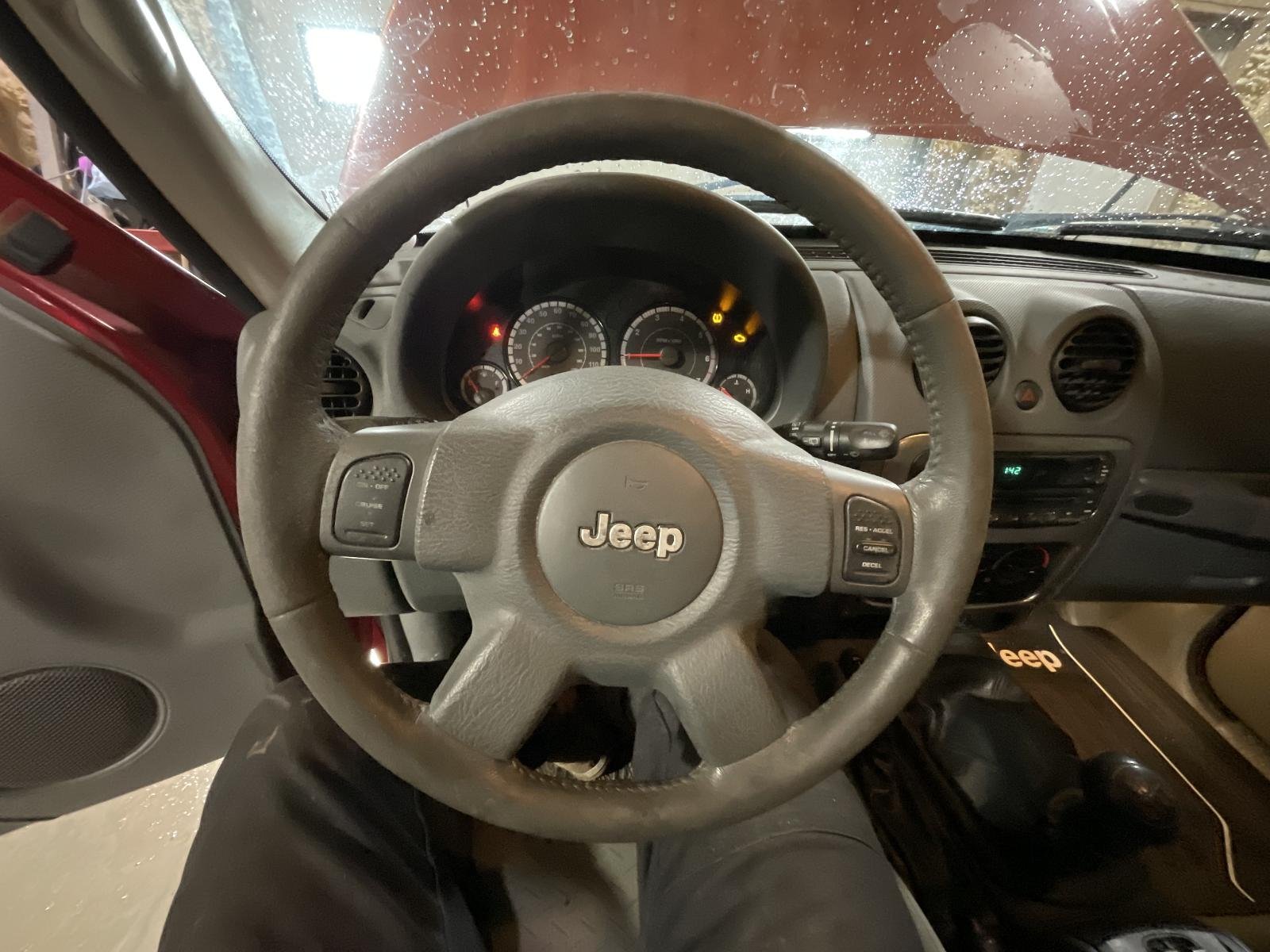
Understanding The Jeep Liberty Steering Wheel Lock Mechanism
The steering wheel lock in your Jeep Liberty, like most vehicles, is an integrated part of the ignition system. When you remove the key from the ignition cylinder, a locking pin extends from the ignition housing and engages with a notch or groove on the steering column. This physical barrier prevents the steering wheel from rotating freely. To disengage the lock, you insert the key into the ignition and turn it. This action retracts the locking pin, allowing the steering wheel to move.
The complexity of this mechanism can vary slightly depending on the year and model of your Jeep Liberty. Older models might have a more mechanical system, while newer ones could incorporate electronic components. However, the fundamental principle remains the same: a physical lock that engages when the key is out and disengages when the key is turned.
The Role Of The Ignition Cylinder
The ignition cylinder is the heart of the steering wheel lock system. It’s where you insert your key. Inside, a series of tumblers and pins align with the specific cuts on your key. When the correct key is inserted and turned, it manipulates these internal components, which in turn signals the locking pin to retract. If the wrong key is used, or if the ignition cylinder itself is worn or damaged, the tumblers won’t align correctly, and the locking pin will not retract, leaving the steering wheel locked.
How The Locking Pin Works
The locking pin is a small, robust metal rod that is spring-loaded. When the ignition is in the “Off” or “Accessory” position and the key is removed, the spring pushes the pin outward into a slot on the steering column. This slot is part of a rotating collar or directly on the steering shaft itself. When the pin enters this slot, it physically stops the steering column from turning. When you insert the correct key and turn it to the “On” or “Start” position, a mechanism within the ignition cylinder pulls the locking pin back, retracting it from the slot and freeing the steering wheel.
Why Is It Important?
The primary purpose of the steering wheel lock is theft deterrence. By making the vehicle undrivable without the correct key, it significantly reduces the chances of a casual thief being able to steal your Jeep Liberty. While not an impenetrable security measure against determined thieves, it acts as a crucial first line of defense. Beyond security, the steering lock also plays a role in the vehicle’s overall ignition system, ensuring that certain functions are only accessible when the key is present and turned.
Common Jeep Liberty Steering Wheel Lock Problems
Like any mechanical component, the steering wheel lock system in a Jeep Liberty can experience issues over time. These problems can range from minor annoyances to situations that render your vehicle undrivable.
Understanding these common problems can help you identify them early and seek the right solutions.
Key Won’t Turn In The Ignition
This is perhaps the most frustrating issue. You insert your key, but it won’t turn at all. Several factors can cause this:
- Worn Key: Over time, the cuts on your key can become worn down, especially if it’s used frequently or made from a softer metal. This wear can prevent the tumblers inside the ignition cylinder from aligning correctly.
- Damaged Ignition Cylinder: The internal components of the ignition cylinder can wear out or break. This might be due to age, excessive force used on the key, or manufacturing defects.
- Debris in the Ignition Cylinder: Dirt, dust, or small foreign objects can get lodged inside the ignition cylinder, obstructing the key’s movement.
- Steering Wheel Pressure: Sometimes, pressure on the steering wheel while the lock is engaged can make it difficult to turn the key. This is common if you’ve parked with your wheels turned sharply.
Pro Tip: If your key won’t turn, try gently jiggling the steering wheel back and forth while simultaneously trying to turn the key. This can sometimes relieve the pressure on the locking pin and allow the key to turn.
Steering Wheel Remains Locked After Starting
Another common and problematic scenario is when the steering wheel remains locked even after you’ve started the engine and turned the key. This indicates a failure in the mechanism that retracts the locking pin.
- Faulty Locking Pin Mechanism: The pin itself might be stuck, or the spring that retracts it may have failed.
- Ignition Switch Issues: The electrical signal from the ignition switch that tells the locking pin to retract might not be sent or received correctly.
- Damaged Steering Column: In rare cases, damage to the steering column itself could interfere with the locking pin’s movement.
This issue often requires professional diagnosis and repair, as it involves accessing and potentially replacing parts of the ignition and steering column assembly.
Key Gets Stuck In The Ignition
Sometimes, the problem isn’t getting the key to turn, but getting it *out*. This can happen when:
- Parking Gear Not Engaged Properly: Most automatic transmissions have a safety feature that prevents the key from being removed unless the vehicle is in “Park.” If the shifter isn’t fully in Park, the key may remain locked.
- Ignition Cylinder Malfunction: Similar to the key getting stuck *in*, the ignition cylinder’s internal mechanism might be failing to release the key.
- Steering Wheel Lock Engagement: In some cases, the steering wheel lock might be partially engaged even when the key is in the “Off” position, preventing its removal.
Steering Wheel Lock Making Noise
Unusual noises, such as grinding or clicking, coming from the steering column when you try to turn the key or move the steering wheel can signal trouble. These sounds often indicate:
- Worn Tumblers: The internal parts of the ignition cylinder might be worn, causing friction and noise.
- Sticking Locking Pin: The locking pin might be struggling to retract or engage, creating a grinding sound.
- Loose Components: Other components within the steering column assembly could be loose and rattling or grinding.
Troubleshooting And Solutions For Steering Wheel Lock Issues
When you encounter a problem with your Jeep Liberty’s steering wheel lock, it’s important to approach troubleshooting systematically. Some issues can be resolved with simple adjustments, while others necessitate professional help.
Simple Fixes For Common Problems
As mentioned earlier, steering wheel pressure is a frequent culprit for keys not turning. To alleviate this:
- Gently Turn the Steering Wheel: While inserting the key, apply slight pressure to turn the steering wheel in the direction it’s being held. You might feel a “click” as the pressure releases, allowing the key to turn.
- Wiggle the Steering Wheel: Simultaneously, try wiggling the steering wheel slightly left and right. This can help dislodge the locking pin from its seated position.
If your key is stuck and you suspect it’s related to the shifter:
- Ensure Proper Shifter Position: Make sure the gear shifter is firmly in the “Park” position. For automatic transmissions, try moving the shifter slightly forward and backward within the Park detent to ensure it’s fully engaged.
- Check Brake Light Switch: The brake light switch must be activated for the key release mechanism to work on some vehicles. Pressing the brake pedal firmly can sometimes resolve this.
When To Seek Professional Help
If the simple fixes don’t work, or if you’re experiencing more complex issues like the steering wheel remaining locked after starting, it’s time to consult a professional. Here are situations that typically require expert attention:
- Key Will Not Turn At All: If jiggling the wheel and trying different angles doesn’t work, the ignition cylinder or key might be severely damaged.
- Steering Wheel Locked After Starting: This is a safety concern and indicates a failure in the retracting mechanism.
- Key Gets Stuck Permanently: If the key is completely stuck and won’t come out, it might require ignition cylinder replacement.
- Suspected Internal Damage: Any grinding, crunching, or loud noises suggest internal wear or breakage that needs expert diagnosis.
A qualified mechanic or an automotive locksmith specializing in ignition systems will have the tools and expertise to diagnose the exact problem. They can:
- Inspect the Ignition Cylinder: Check for wear, damage, or debris.
- Test the Locking Pin Mechanism: Ensure it’s functioning correctly.
- Diagnose Electrical Issues: If the problem is electrical, they can trace wiring and test components.
- Replace Damaged Parts: Safely replace the ignition cylinder, locking pin, or related steering column components.
Replacing The Ignition Cylinder
If the ignition cylinder is deemed faulty, it will need to be replaced. This is typically a job for a professional due to the complexity and the need for proper programming or key matching, depending on the vehicle’s year.
The process generally involves:
- Disassembly: Removing dashboard panels and steering column shrouds to access the ignition cylinder.
- Removal: Disconnecting electrical harnesses and removing the retaining mechanism for the cylinder.
- Installation: Fitting the new ignition cylinder.
- Key Programming (if applicable): For vehicles with immobilizer systems, the new cylinder or keys may need to be programmed to the vehicle’s computer.
- Reassembly: Putting all the panels and shrouds back in place.
The cost of replacement can vary depending on the specific Jeep Liberty model and whether the labor is performed by a dealership or an independent mechanic.
Maintenance Tips For Your Jeep Liberty Steering Wheel Lock
Preventative maintenance can go a long way in extending the life of your Jeep Liberty’s steering wheel lock system and avoiding frustrating problems.
Key Care
Your key is the primary interface with the steering wheel lock. Treat it with care:
- Avoid Excessive Force: Never force the key into the ignition or try to turn it with excessive force. If it feels resistant, stop and investigate the cause.
- Keep Keys Clean: Dirt and grime on your key can transfer to the ignition cylinder, causing issues. Clean your keys periodically with a dry cloth.
- Avoid Keychains with Heavy Items: A heavy keychain can put undue stress on the ignition cylinder and the locking mechanism when the key is in use. Consider a lighter keychain.
- Use the Correct Key: Always use the key specifically designed for your Jeep Liberty. Copies made with worn templates or incorrect specifications can damage the ignition.
Ignition Cylinder Care
While the ignition cylinder is a sealed unit, some basic care can help:
- Lubrication (Use Sparingly): If you experience stiffness, a very small amount of graphite lubricant or a specialized ignition lock lubricant can sometimes help. Avoid using oil-based lubricants like WD-40, as they can attract dirt and gum up the mechanism over time. Apply it directly into the keyhole with the straw attachment.
- Regular Use: Using the ignition regularly helps keep the internal components moving and prevents seizing. If a vehicle sits for extended periods, the lock mechanism can become stiff.
Steering Column And Lock Awareness
- Parking Sensibly: When parking on a slope or turning sharply, try to straighten the wheels as much as possible before turning off the engine. This reduces the pressure on the steering lock when you re-engage it.
- Listen for Unusual Noises: Pay attention to any new sounds coming from the steering column. Grinding, clicking, or scraping noises are often early indicators of a problem.
- Check for Loose Components: Periodically, visually inspect the steering column area (visible from under the dash) for any loose wires or components.
Security Considerations Beyond The Steering Wheel Lock
While the steering wheel lock is a valuable security feature, it’s just one part of protecting your Jeep Liberty from theft. For enhanced security, consider additional measures.
Key Fob And Immobilizer Systems
Modern Jeep Liberty models are equipped with key fobs and immobilizer systems. The immobilizer is an electronic security feature that prevents the engine from starting unless the correct key fob (containing a transponder chip) is present.
- Transponder Chip: The chip inside your key fob communicates wirelessly with the vehicle’s immobilizer module. If the correct signal isn’t received, the engine will not start, even if the mechanical steering lock is disengaged.
- Key Fob Battery: Ensure your key fob battery is in good condition. A weak battery can lead to intermittent communication issues with the immobilizer system.
Aftermarket Security Devices
For an extra layer of security, you might consider aftermarket devices:
- Additional Steering Wheel Locks: These are external devices that clamp onto the steering wheel, making it impossible to turn. They provide a visual deterrent and an additional physical barrier. Examples include The Club or similar locking devices.
- Brake Pedal Locks: These devices secure the brake pedal, preventing it from being depressed.
- Kill Switches: A hidden kill switch can be installed to interrupt the flow of electricity to the fuel pump or ignition system, rendering the vehicle inoperable even if a thief bypasses other security measures.
- Vehicle Tracking Systems (GPS Trackers): In the unfortunate event of a theft, a GPS tracker can help law enforcement locate your stolen Jeep Liberty. Many systems offer real-time tracking and geofencing alerts.
Best Practices For Vehicle Security
- Always Lock Your Doors: It sounds obvious, but never leave your Jeep Liberty unlocked, even for short periods.
- Don’t Leave Valuables Visible: Remove or hide any tempting items like electronics, bags, or loose change from view.
- Park in Well-Lit Areas: When parking in public, choose areas with good lighting and high foot traffic.
- Be Aware of Your Surroundings: Pay attention to who is around you, especially when approaching or leaving your vehicle.
- Secure Your Spare Key: Do not hide a spare key on or inside the vehicle. Keep it in a safe place at home or with a trusted individual.
Understanding Replacement Costs And Options
When the steering wheel lock system, particularly the ignition cylinder, needs replacement, understanding the costs and your options is important.
Factors Affecting Cost
The price to repair or replace parts of the steering wheel lock system can vary significantly based on several factors:
- Year and Model of Jeep Liberty: Newer models with more complex electronic systems or integrated security features will generally be more expensive to repair than older, simpler mechanical systems.
- Specific Part Needed: Replacing just the ignition cylinder is typically