A working heater is essential for comfort and safety, especially in colder months. If your Jeep Liberty’s heater core fails, you’ll notice poor cabin heat, foggy windows, or even coolant leaks inside the vehicle.
Replacing a heater core is a complex job, but understanding the process and what’s involved can save you time, money, and frustration. Whether you plan to tackle this yourself or just want to speak confidently with your mechanic, this guide covers what you need to know.
What Is The Heater Core And Why Does It Matter?
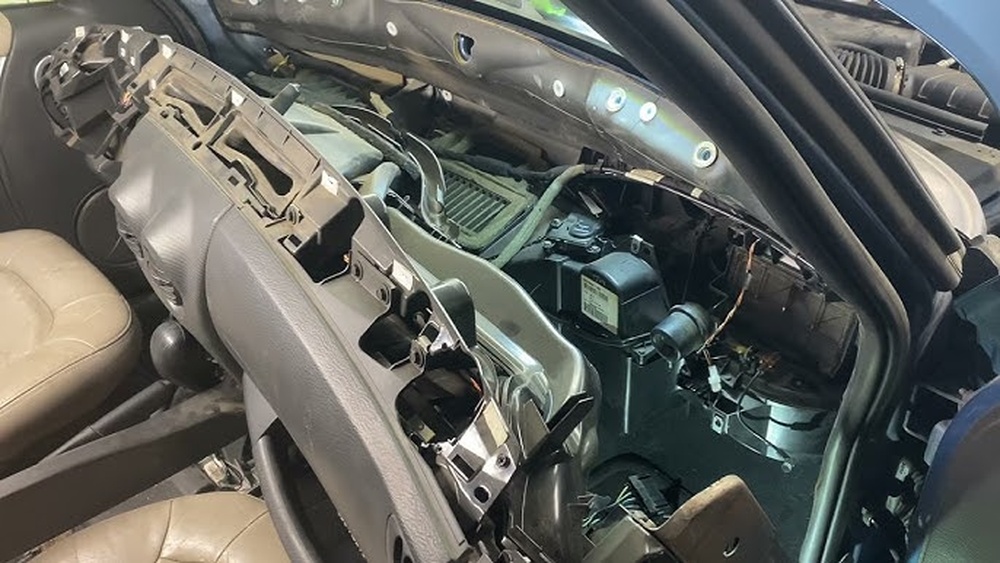
The heater core is a small radiator-like part located inside your Jeep Liberty’s dashboard. It uses hot coolant from the engine to warm air before it enters your cabin.
If it clogs, leaks, or fails, your defrost system and heater stop working, leading to uncomfortable and even dangerous driving conditions.
Common symptoms of a failing heater core include:
- No heat or weak heat from vents
- Sweet smell (coolant) inside the vehicle
- Fogged windows that don’t clear with defrost
- Coolant on the floor (passenger side)
- Overheating engine due to coolant loss
Ignoring these signs can lead to bigger problems, like engine overheating or interior damage.
Tools And Parts Needed
Before starting, gather all the tools and parts you’ll need. The job will go faster and smoother with everything ready.
Essential tools:
- Socket set (metric and standard)
- Screwdrivers (Phillips and flathead)
- Pliers
- Trim panel removal tool
- Drain pan (for coolant)
- Shop rags
Parts required:
- Heater core (make sure it matches your Liberty’s year and model)
- Replacement O-rings or seals
- Fresh coolant
Optional but helpful:
- Digital camera or phone (to take photos during disassembly)
- Ziplock bags for screws and small parts
- Shop manual for your model year
Step-by-step Heater Core Replacement
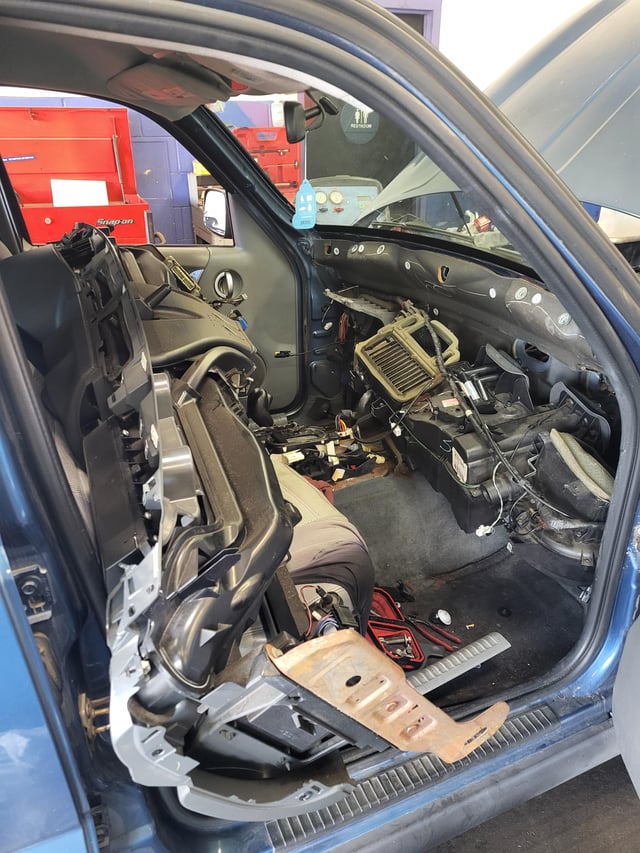
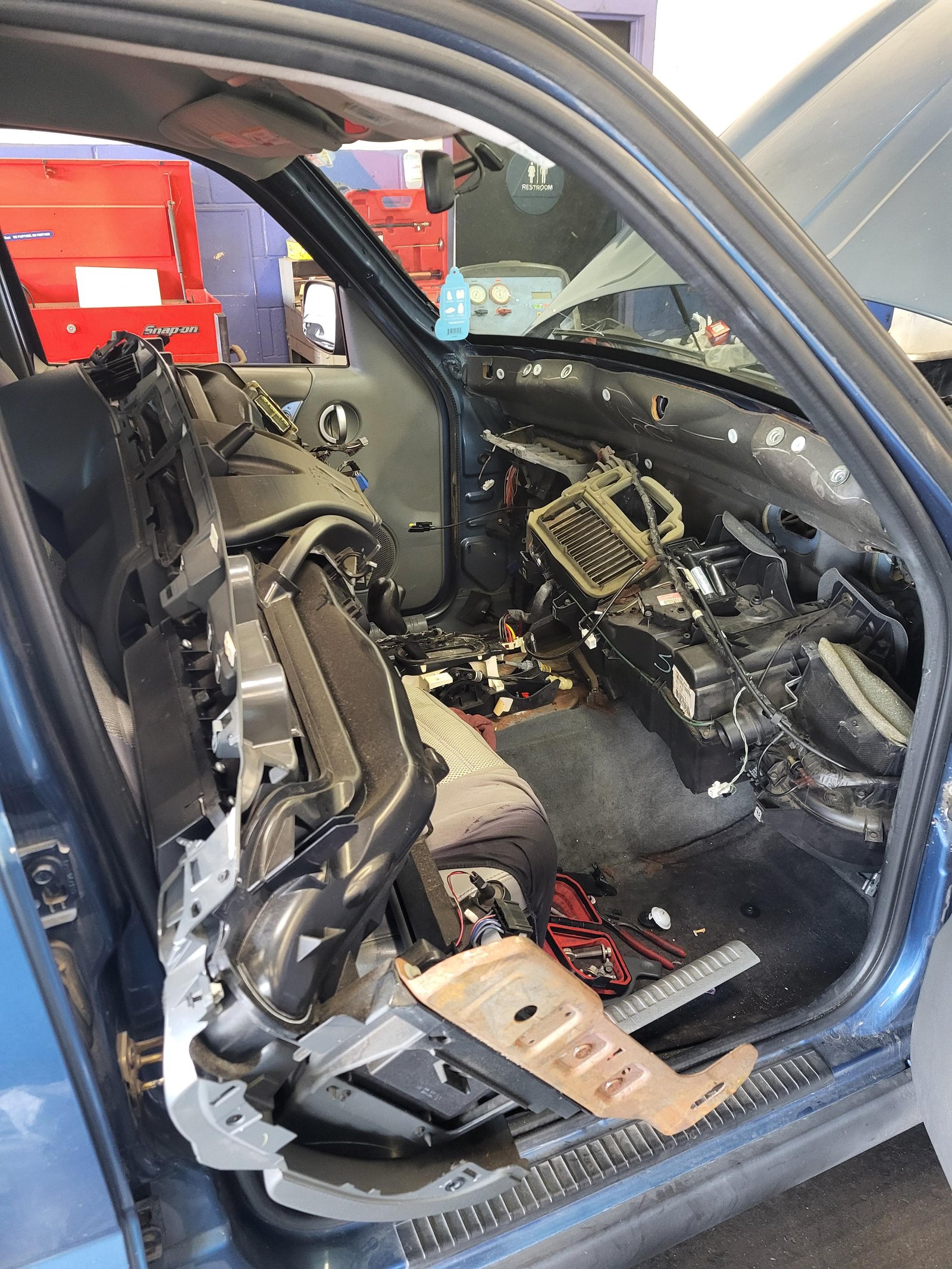
Replacing the Jeep Liberty heater core is a demanding project, often taking 6–10 hours for a DIYer. Much of the time is spent removing the dashboard.
1. Disconnect The Battery And Drain Coolant
Always disconnect the negative battery cable before working on your vehicle’s electrical system. Place a drain pan under the radiator and open the drain valve.
Remove the radiator cap to help the coolant flow out completely.
2. Remove Interior Components
You’ll need access behind the dashboard. Remove panels, the center console, and the glove box.
Take your time and keep track of screws and connectors.
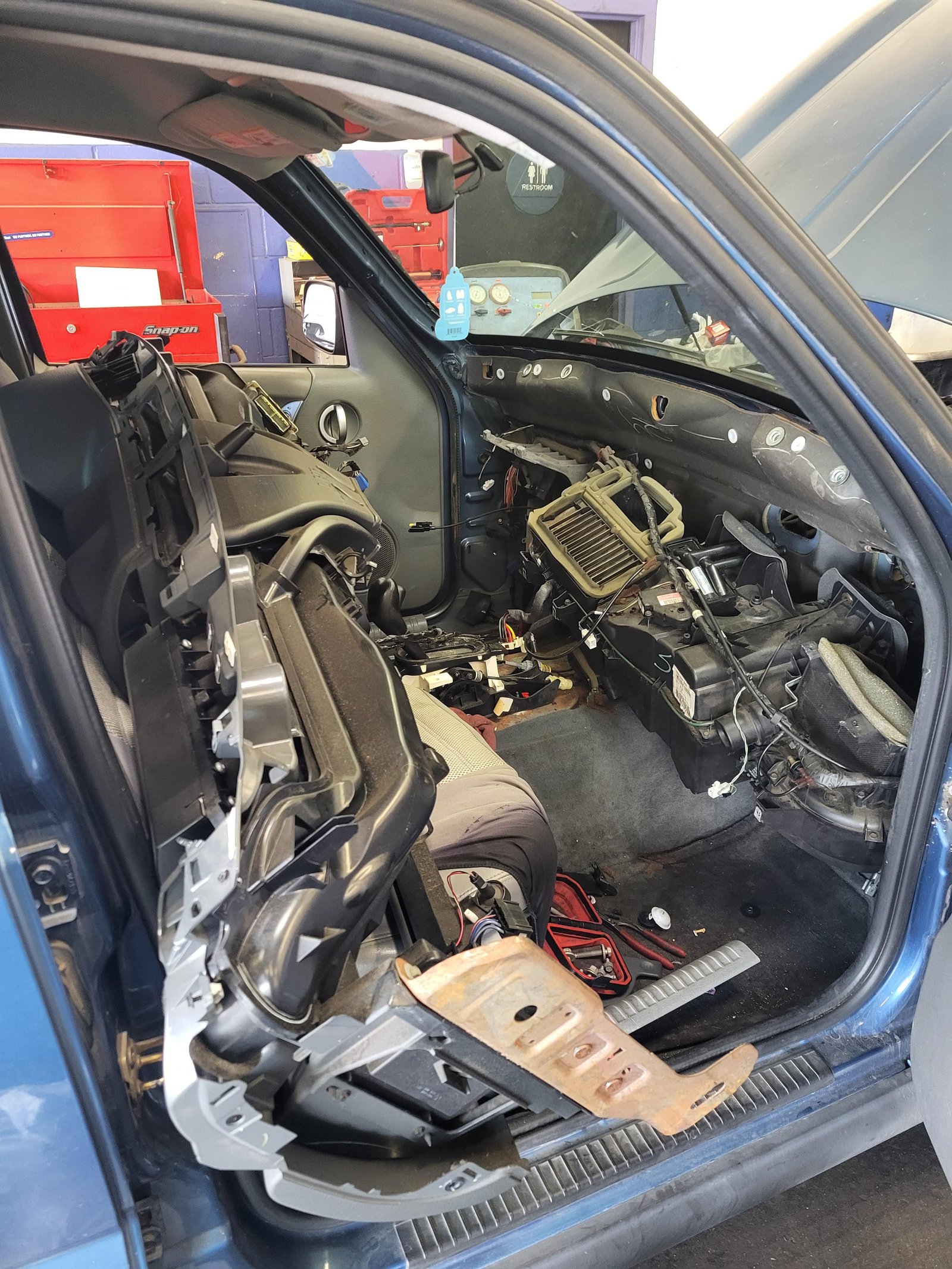
3. Detach The Dashboard
Most heater core replacements require the entire dashboard to be loosened or removed. Disconnect airbag wiring, steering column bolts, and all electrical connectors.
This is where photos help a lot for reassembly.
4. Access The Heater Core Housing
Once the dash is free, locate the HVAC housing. Remove necessary bolts and carefully pull the housing out. Be gentle with connectors and cables.
5. Replace The Heater Core
Open the housing and take out the old heater core. Install the new core, making sure to use new O-rings or seals. Double-check the fit and alignment.
6. Reassemble Everything
Reverse the steps above. Reinstall the HVAC housing, dash, and all panels.
Reconnect the battery and refill the cooling system with fresh coolant.
7. Test Your Work
Start the engine and let it warm up. Check for leaks and make sure heat comes from the vents. Top off coolant as needed.
Cost Breakdown: Diy Vs Professional
Deciding whether to do it yourself or hire a mechanic depends on budget and skill level. Here’s a comparison of typical costs:
| Replacement Option | Estimated Cost | Time Required |
|---|---|---|
| DIY (Parts Only) | $60–$150 | 6–10 hours |
| Professional Mechanic | $700–$1,200 (parts & labor) | 1–2 days |
Labor is the main expense due to the time needed to remove and reinstall the dashboard.
Common Mistakes To Avoid
Many beginners underestimate this job. Here are some mistakes to watch for:
- Not labeling wires or connectors. This can make reassembly confusing.
- Rushing the dash removal. Forcing trim panels can break clips or crack plastic.
- Skipping O-ring replacement. Old seals may leak, causing repeat repairs.
- Failing to bleed air from the cooling system. Trapped air can cause overheating or poor heat.
Take time to clean up any coolant spills inside the car to avoid sticky residues and odors.
Practical Tips For A Smoother Job
- Take photos at each stage to guide you during reassembly.
- Use small containers or bags for screws and label them.
- Always check the new heater core for leaks before installation by briefly plugging one end and filling it with water.
- Order parts from reputable sources to avoid fitment issues.
- Allow extra time—unexpected issues are common, especially on older vehicles.
Comparing OEM vs Aftermarket Heater Cores
Choosing the right heater core is important for durability and fit. Here’s how OEM and aftermarket parts compare:
| Type | Price Range | Fit & Quality | Warranty |
|---|---|---|---|
| OEM (Original Equipment Manufacturer) | $100–$200 | Perfect fit, high quality | 1–2 years |
| Aftermarket | $60–$120 | Varies (may need slight adjustments) | Usually 1 year |
OEM parts are more expensive but generally offer easier installation. High-quality aftermarket cores can be a good value, but check reviews for your specific Jeep Liberty year.
When To Replace Vs. Repair
In rare cases, a minor heater core leak might be fixed with a coolant stop-leak product, but this is usually a temporary solution. If the core is clogged or leaking badly, replacement is the only reliable fix. Also, repeated coolant loss or a sweet smell inside your Jeep means replacement is urgent to avoid further engine damage.
How Long Does A Heater Core Last?
A heater core can last 8–15 years, depending on coolant maintenance and driving conditions. Regular coolant changes help prevent corrosion and extend life.
Can You Drive A Jeep Liberty With A Bad Heater Core?
You can drive short distances, but it’s risky. A leaking heater core can quickly drain coolant, leading to engine overheating and major repairs.
Is A Heater Core Replacement Worth It On An Older Jeep Liberty?
If the Jeep is in good shape and you plan to keep it, replacing the heater core is worth it. If rust or other major issues exist, it may be better to invest in a newer vehicle.
How Do I Know If My Heater Core Is Clogged?
Symptoms include no heat from vents, a sweet smell, or fogged windows. If coolant level is fine but heat is weak, a clog is likely.
Where Can I Find More Details Or A Service Manual?
You can find detailed repair guides on official Jeep forums or refer to the Jeep Liberty Wikipedia page for more information.
A heater core replacement on a Jeep Liberty is a challenging but doable job for a patient DIYer. With the right tools, a little planning, and some practical tips, you can restore comfort and safety to your ride.
Always take your time, stay organized, and don’t hesitate to ask for help if you get stuck.