The Jeep Liberty front wheel well trim plays a crucial role in your vehicle's overall appearance and functionality. Often overlooked, this component is more than just a cosmetic addition.
It helps protect the inner workings of your wheel well from debris, water, and road salt, while also contributing to a cleaner, more finished look for your Jeep.
If you're looking to replace damaged trim, upgrade to a different style, or simply understand its importance, this guide will cover everything you need to know about Jeep Liberty front wheel well trim.
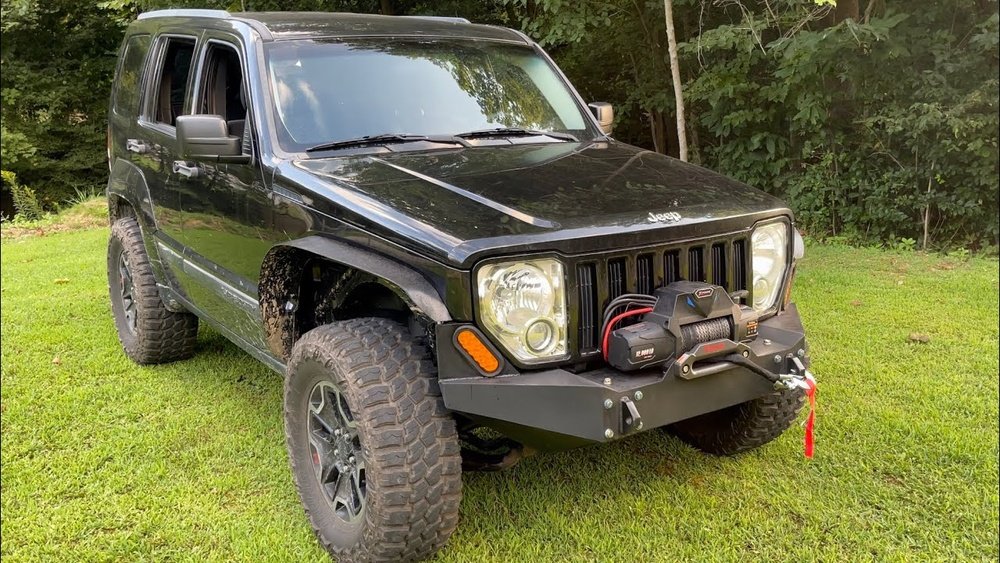
Understanding The Function Of Wheel Well Trim
The wheel well, also known as the fender well or wheel arch, is the area surrounding your tire. It’s designed to house the wheel and suspension components while preventing mud, rocks, and other road debris from being thrown up into the engine bay or onto the vehicle’s body. The front wheel well trim specifically serves several vital purposes.
Firstly, it acts as a barrier against the elements. Without trim, the exposed inner fender liner and surrounding areas are more susceptible to damage from water, dirt, and corrosive substances like road salt, especially in winter climates. This can lead to rust and premature wear on suspension parts.
Secondly, the trim contributes significantly to the vehicle’s aerodynamics and protection. While not its primary function, well-designed wheel well trim can help manage airflow around the wheel, potentially reducing drag. More importantly, it helps contain the spray of water and mud when driving in wet conditions, keeping your vehicle cleaner and reducing the amount of grime that can accumulate on the undercarriage and suspension.
Thirdly, and perhaps most obviously, it provides a finished aesthetic. The trim pieces frame the wheel arches, giving the Jeep Liberty a more complete and polished look. They can enhance the rugged appearance of an SUV or contribute to a sleeker profile, depending on the design and material. When this trim is damaged or missing, it can detract from the overall appearance of the vehicle, making it look neglected or worn.
Types Of Jeep Liberty Front Wheel Well Trim
Jeep Liberty models have seen a few different styles of front wheel well trim over the years. Understanding these variations is key if you’re looking to purchase replacements or customize your vehicle. The most common types include:
Factory/oem Trim
Original Equipment Manufacturer (OEM) trim is designed specifically for your Jeep Liberty model year. These are the parts that came with the vehicle when it was new. OEM trim is typically made from durable ABS plastic or a similar composite material, designed to withstand harsh weather conditions and impacts from small road debris.
- Pros: Perfect fitment, matches original look, durable materials, often includes necessary mounting hardware.
- Cons: Can be more expensive than aftermarket options, limited styling choices.
Aftermarket Trim
The aftermarket offers a wide range of options, often at more competitive prices than OEM parts. These can include:
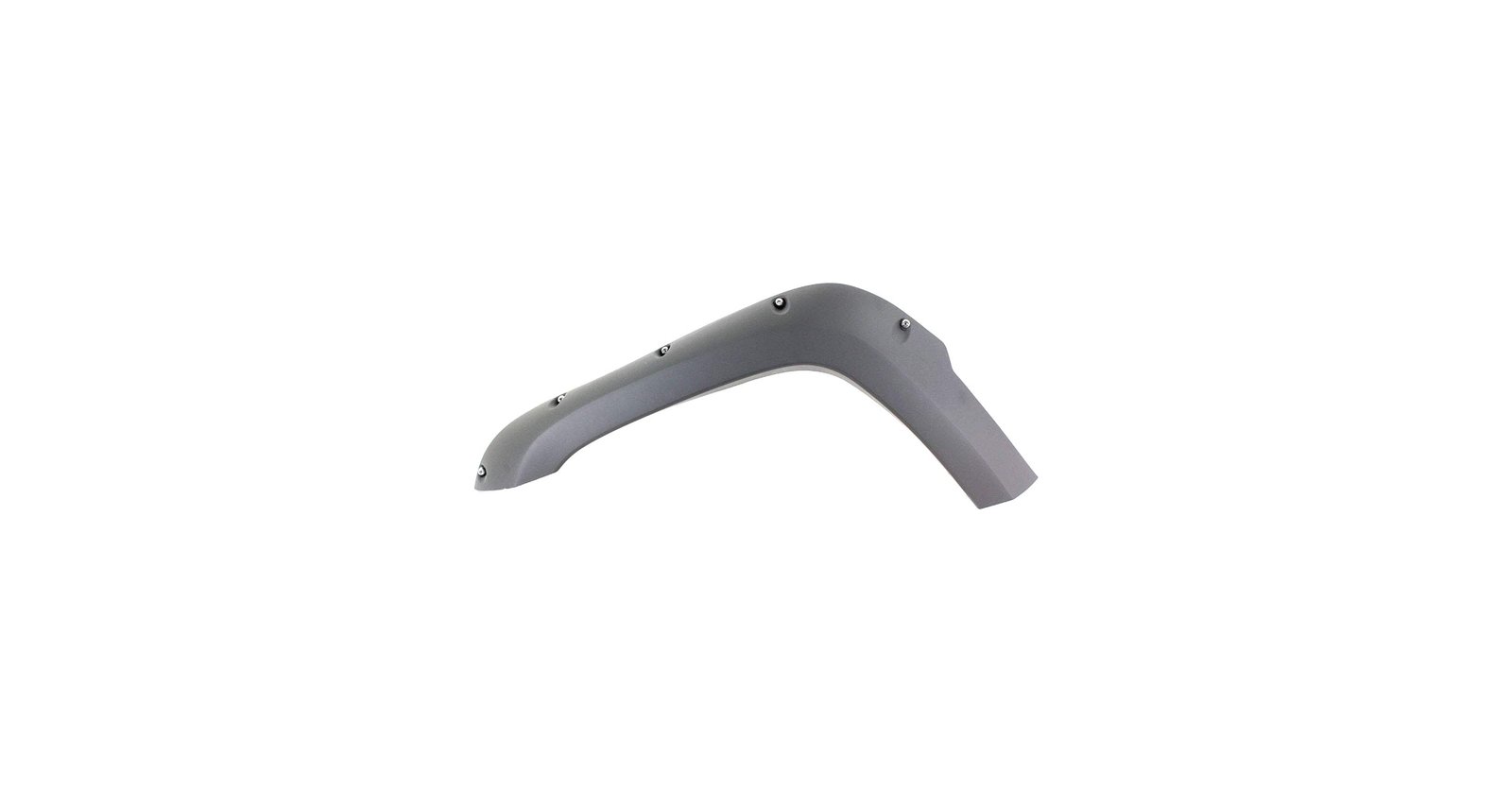
- Plastic Fender Flares: These are larger than standard trim and extend outwards from the fender. They are popular for adding an aggressive, off-road look and can also provide extra protection for larger tires. They are usually made from high-quality plastic like polypropylene or ABS.
- Bolt-On Style Flares: These mimic the look of heavy-duty off-road vehicles with simulated bolts around the edge. They offer a rugged aesthetic and are typically made from durable plastic or even metal for extreme applications.
- Molded Trim: Similar to OEM, but designed by third-party manufacturers. These aim for a close fit and can offer slight variations in design or material compared to factory parts.
- Universal Trim: While less common for specific wheel well trim, some universal fender trim strips exist. These are generally less ideal for a precise fit on a Jeep Liberty as they are not shaped for the specific contours of the wheel arch.
Material Considerations For Aftermarket Trim
Aftermarket trim can be made from various materials:
- ABS Plastic: A common and durable choice, offering good impact resistance and flexibility. It can be painted to match your Jeep’s color.
- Polypropylene: Known for its toughness and resistance to cracking, making it a good option for off-road use.
- Fiberglass: Offers a smooth finish and can be easily painted, but can be more prone to cracking on impact compared to plastic.
- Metal (Aluminum/Steel): Less common for standard trim but found in some heavy-duty fender flares. These are extremely durable but add weight and can be susceptible to rust if not properly coated.
Replacement Liners
Sometimes, what appears to be “trim” is actually part of the inner fender liner itself. If your Jeep Liberty’s wheel well liner is damaged, you might need to replace the entire liner, which often includes the integrated trim or mounting points for separate trim pieces.
These are typically made from tough, flexible plastic designed to withstand constant exposure to road grime and impacts.
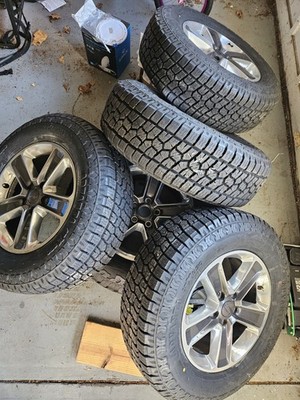
Benefits Of Maintaining And Upgrading Jeep Liberty Front Wheel Well Trim
Keeping your Jeep Liberty’s front wheel well trim in good condition, or choosing to upgrade it, offers several tangible benefits.
Enhanced Protection
Well-fitted and intact wheel well trim is essential for protecting the vulnerable components located within the wheel well. This includes the brake lines, suspension parts, and the fender’s inner structure. By preventing excessive buildup of dirt, water, and salt, the trim helps reduce the risk of corrosion and premature wear. This is particularly important for owners who drive in areas with harsh weather conditions or off-road frequently.
Improved Aesthetics
The visual impact of clean, well-maintained trim cannot be overstated. For many Jeep owners, the appearance of their vehicle is a significant factor. Replacing cracked, faded, or missing trim pieces can dramatically improve the overall look of your Liberty, making it appear newer and better cared for. Aftermarket flares can also give your Jeep a more aggressive or customized stance, reflecting your personal style.
Potential For Tire Clearance
For those looking to upgrade to larger tires, fender flares (a type of aftermarket wheel well trim) can be a practical solution. Some flares are designed to provide additional clearance for larger tire and wheel packages. This can help prevent tire rub against the fender, especially during suspension articulation when off-roading, without requiring extensive body modifications.
Resale Value
A vehicle that is well-maintained, both mechanically and cosmetically, generally holds its resale value better. Replacing damaged trim or upgrading to a clean, modern look can make your Jeep Liberty more attractive to potential buyers, contributing to a better selling price.
Factors To Consider When Choosing New Trim
When you need to replace or upgrade your Jeep Liberty’s front wheel well trim, several factors should guide your decision.
Compatibility And Fitment
This is the most critical factor. Ensure the trim you choose is specifically designed for your Jeep Liberty model year and trim level. Different generations (e.g., first-generation KJ, 2002-2007, and second-generation KK, 2008-2012) have different body styles and wheel well dimensions. Even within a generation, different trim packages might have slightly different mounting points or designs. Always verify compatibility before purchasing. Check part numbers if buying OEM, and read product descriptions carefully for aftermarket parts.
Material And Durability
Consider the environment and intended use of your Jeep. If you frequently drive off-road or in harsh conditions, opt for materials known for their toughness, like UV-resistant ABS plastic or polypropylene. For a purely cosmetic upgrade, a painted fiberglass or smooth ABS flare might suffice. Think about how the material will hold up against UV exposure, temperature fluctuations, and impacts from rocks or debris.
Style And Appearance
What Look Are You Going For?
- OEM Style: If you want your Jeep to look as it did from the factory, search for OEM replacement parts or high-quality aftermarket replicas.
- Rugged Off-Road: For an aggressive, trail-ready look, consider wider fender flares, especially those with a bolt-on appearance. These often come in a textured black finish that complements the Jeep aesthetic.
- Sleek and Modern: Some aftermarket designs offer a smoother, more integrated look that can update the appearance of an older model.
Installation Method
Understand how the trim is installed. Most options attach using existing mounting holes, clips, or screws. Some aftermarket flares might require drilling new holes. Factor in the complexity of installation. If you’re not comfortable with DIY projects, you might need to budget for professional installation. Always check if the trim comes with all the necessary hardware, clips, and fasteners.
Legal Considerations (fender Flare Laws)
In some states or regions, there are laws regarding the width of fender flares. If you install flares that extend significantly beyond the width of your tires, you might be in violation of local regulations. It’s wise to research your local laws, especially if you plan on fitting wide tires or very prominent flares. This is especially relevant if your Jeep is used for daily driving and subject to inspection.
Installation Process For Jeep Liberty Front Wheel Well Trim
Installing new front wheel well trim on a Jeep Liberty can range from a simple swap to a more involved process, depending on the type of trim. Here’s a general overview.
Preparation Is Key
- Gather Tools: You’ll likely need a set of screwdrivers (Phillips and flathead), socket wrenches, pliers, a trim removal tool (plastic pry tools are best to avoid scratching paint), and possibly a drill if new holes are required.
- Clean the Area: Thoroughly clean the wheel well area where the trim will be installed. Remove any dirt, mud, or debris. If removing old trim, ensure all old adhesive or mounting hardware is completely removed.
- Inspect Mounting Points: Check the existing mounting holes and clips on your Jeep Liberty. If they are damaged, you may need to repair them or use alternative mounting methods.
Removing Old Trim (if Necessary)
- Locate Fasteners: Look for screws, clips, or bolts holding the old trim in place. These are often found along the edge of the trim, inside the wheel well, or sometimes on the underside.
- Use Trim Tools: Gently use plastic pry tools to release clips or separate the trim from the fender. Avoid using metal tools, which can easily scratch the paint.
- Work Carefully: If the trim is held by adhesive, you might need to carefully pry it away. Sometimes, a heat gun on a low setting can help soften old adhesive, but use extreme caution not to damage the paint.
Installing New Trim
- Test Fit: Before securing the new trim, position it in place to ensure it fits correctly. Check for any gaps or misalignments.
- Secure the Trim:
- Clip-in: For trims that use clips, align the clips on the trim with the corresponding slots on the fender and press firmly until they click into place.
- Screw/Bolt-on: Align the trim with the pre-drilled holes and insert screws or bolts. Tighten them securely but avoid over-tightening, which can crack plastic trim.
- Adhesive: If the trim uses pre-applied adhesive tape, peel off the backing and carefully align the trim before pressing it firmly into place. Ensure the surface is clean and dry for good adhesion.
- Final Check: Once installed, check that the trim is securely fastened and sits flush against the body. Ensure there are no rattles or loose parts.
Pro Tip:
When installing aftermarket fender flares that require drilling, measure twice and drill once. Use painter's tape over the drilling area to prevent the drill bit from wandering and to minimize paint chipping.
Consider applying a small amount of touch-up paint to the raw edge of any new holes to prevent rust.
Common Issues And Troubleshooting
Even with careful selection and installation, you might encounter issues with your Jeep Liberty’s front wheel well trim.
Fitment Problems
- Issue: Trim doesn’t align correctly, leaving gaps or not fitting flush.
- Troubleshooting: Double-check that you have the correct part number for your specific Jeep Liberty model and year. Ensure all old mounting hardware or clips have been removed. Sometimes, minor adjustments or slight bending of plastic tabs can help, but if the fitment is significantly off, the part may be incorrect or defective.
Loose Trim
- Issue: Trim rattles or feels loose after installation.
- Troubleshooting: Check all mounting points. Ensure clips are fully engaged or screws are tightened appropriately. If using adhesive, ensure the surface was clean and the adhesive had sufficient time to bond. You might need to add extra clips or use automotive-grade adhesive tape for a more secure fit.
Fading And Cracking
- Issue: Plastic trim becomes faded, brittle, and cracks over time due to sun exposure and weather.
- Troubleshooting: This is often unavoidable with older plastic parts. To temporarily restore faded trim, you can use plastic trim restorer products. For a more permanent solution, replacement is necessary. Choosing UV-resistant materials for aftermarket replacements can help prolong their life.
Damage From Impacts
- Issue: Trim is cracked, dented, or broken from hitting obstacles.
- Troubleshooting: Minor cracks or damage might be repairable with plastic welding or specialized adhesives, but this can be difficult to do cleanly. For significant damage, replacement is usually the best option. Upgrading to tougher aftermarket flares might prevent future damage.
Maintaining Your Jeep Liberty’s Wheel Well Trim
Proper maintenance will extend the life and improve the appearance of your Jeep Liberty’s front wheel well trim.
Regular Cleaning
- Wash Frequently: Clean the wheel wells and trim regularly, especially after driving in muddy or snowy conditions. Use a hose with a strong spray to dislodge dirt and salt. A soft brush can help scrub away stubborn grime.
- Use Mild Soaps: Avoid harsh detergents that can degrade plastic over time. A pH-neutral car wash soap is ideal.
- Rinse Thoroughly: Ensure all soap residue is rinsed away to prevent spotting or damage.
Protection And Restoration
- UV Protectants: Apply a UV protectant spray or dressing designed for plastic and rubber components. This helps prevent fading and cracking caused by sun exposure. Apply this after washing and drying.
- Avoid Abrasives: When cleaning, do not use abrasive pads or harsh brushes that can scratch the trim, especially if it has a painted or polished finish.
- Inspect Regularly: Periodically check the trim for any signs of damage, loose fasteners, or wear. Addressing small issues early can prevent them from becoming bigger problems.
Example:
When I tested a new set of aftermarket fender flares on my old SUV, I noticed they started looking dull after just a few months of exposure to the California sun. I started applying a silicone-based protectant every other wash, and it made a noticeable difference in keeping them looking black and new for much longer.
Comparing Popular Jeep Liberty Front Wheel Well Trim Options
When looking for replacements or upgrades, understanding the differences between common options can be helpful. Here’s a comparison of typical choices:



















