Jeep Liberty 4 Wheeling: Your Guide To Off-road Adventures
The Jeep Liberty, a compact SUV that ran from 2002 to 2012, might not have the legendary status of its Wrangler sibling, but it offers a surprising amount of capability for off-road enthusiasts.
While it was designed with everyday driving in mind, its robust construction, available four-wheel-drive systems, and decent ground clearance make it a capable platform for exploring trails and tackling moderate off-road challenges.
If you’re looking to take your Jeep Liberty off the beaten path, this guide will cover everything you need to know to get started, from understanding its off-road features to essential modifications and trail etiquette.
Many people overlook the Liberty when considering off-road vehicles, often focusing on more purpose-built machines. However, the Liberty’s combination of a relatively compact size, comfortable ride on pavement, and genuine 4×4 prowess makes it an excellent choice for those who want a vehicle that can handle both daily commuting and weekend adventures.
It strikes a balance that many other SUVs struggle to achieve. Whether you’re new to off-roading or looking to get more out of your existing Liberty, understanding its strengths and limitations is the first step to a successful and enjoyable experience.
Understanding Your Jeep Liberty’s 4×4 System
The heart of any off-road capable vehicle is its four-wheel-drive system. The Jeep Liberty offered a couple of different 4×4 options throughout its production run, and knowing which one you have is crucial for understanding its capabilities.
Command-trac Part-time 4wd
This is the more common 4WD system found in many Jeep Libertys. It’s a part-time system, meaning you generally use it only when traction is compromised, like on snow, ice, mud, or gravel. It has three modes:
- 2WD (High): This is for normal driving on dry, paved roads. Only the rear wheels are powered, saving fuel and reducing wear on the drivetrain.
- 4WD (High): This mode engages all four wheels for increased traction. It’s suitable for slippery conditions but should not be used on dry pavement, as it can cause binding in the drivetrain and reduce handling.
- 4WD (Low): This is the serious off-road gear. It provides significantly more torque at lower speeds, making it ideal for crawling over obstacles, steep inclines, or deep mud. Engaging 4WD Low requires the vehicle to be in Neutral with the engine running.
Pro Tip: Always shift out of 4WD High and back into 2WD High when you return to dry pavement. Driving in 4WD High on dry surfaces can damage your transfer case and differentials due to the difference in tire rotation speed between the front and rear axles.
Selec-trac Full-time 4wd
Some higher trim levels of the Jeep Liberty came equipped with the Selec-Trac system. This system offers a full-time 4WD option, meaning it can be safely used on all surfaces, including dry pavement. It has four modes:
- 2WD (High): Same as Command-Trac, for dry road driving.
- 4WD (High Auto): This mode allows the system to automatically send power to the front axle when wheel slip is detected at the rear. It’s a great “set it and forget it” option for varying conditions.
- 4WD (High Lock): This mode locks the center differential, providing a 50/50 power split between the front and rear axles. It’s similar to 4WD High on Command-Trac and should be used for slippery conditions, not dry pavement.
- 4WD (Low): Like Command-Trac, this engages the low-range gearing for maximum torque at low speeds, essential for serious off-roading.
Understanding your specific 4WD system is the first step to using it effectively and safely. Consult your owner’s manual for detailed instructions on operating your particular system.

Essential Off-road Features Of The Jeep Liberty
Beyond the 4×4 system, the Jeep Liberty possesses several inherent features that contribute to its off-road prowess.
Ground Clearance
For any off-road vehicle, ground clearance is paramount. It’s the distance between the lowest point of the vehicle’s undercarriage and the ground. Higher ground clearance allows the vehicle to pass over obstacles like rocks, logs, and ruts without getting stuck or damaging its components. The stock Jeep Liberty generally offers a respectable amount of ground clearance for its class, typically around 8 inches, though this can vary slightly depending on the model year and specific configuration.
While the stock clearance is adequate for many light trails, serious off-roaders often look to increase it through modifications like suspension lifts. However, even in stock form, the Liberty is generally higher off the ground than many car-based SUVs, giving it an advantage when the pavement ends.
Approach, Departure, And Breakover Angles
These angles are critical for understanding how well a vehicle can navigate obstacles without scraping its body or undercarriage.
- Approach Angle: The angle of the ground that a vehicle can ascend without its front bumper or other front components touching.
- Departure Angle: The angle of the ground that a vehicle can descend without its rear bumper or other rear components touching.
- Breakover Angle: The angle of an obstacle that a vehicle can drive over without its undercarriage (between the front and rear wheels) touching.
The Jeep Liberty generally has decent angles, especially its departure angle, thanks to its relatively short rear overhang. However, the front approach angle can sometimes be limited by the stock bumper design.
Many off-road enthusiasts opt for aftermarket bumpers that improve these angles, allowing for greater obstacle clearance.
Skid Plates
While not standard on all trims, skid plates are crucial protective underbody armor. They are typically made of thick metal and are mounted beneath vulnerable components like the engine, transmission, transfer case, and fuel tank. These plates shield these vital parts from damage caused by rocks, stumps, and other trail debris. If your Liberty didn’t come with them from the factory, they are a highly recommended upgrade for any serious off-roader.
Preparing Your Jeep Liberty For Off-roading
Taking your Liberty off-road requires more than just engaging 4WD. Proper preparation ensures safety, reliability, and a more enjoyable experience.
Tire Selection
Tires are arguably the most important modification for off-roading. The stock all-season tires are generally not designed for loose surfaces like mud, sand, or rocks.
- All-Terrain (A/T) Tires: These are a great compromise for a vehicle like the Liberty that sees both on-road and off-road use. They offer better grip on dirt, gravel, and mud than street tires while still being reasonably quiet and comfortable on the highway. Look for tires with aggressive tread patterns and reinforced sidewalls.
- Mud-Terrain (M/T) Tires: If your primary focus is off-roading and you don’t mind a rougher ride and increased noise on pavement, M/T tires offer superior traction in mud and challenging terrain. However, they wear faster on pavement and can be less fuel-efficient.
When choosing tires, consider the size as well. Slightly larger tires can increase ground clearance, but be mindful of rubbing against the fenders or suspension components. You may need to trim or modify fenders if you go significantly larger than stock. Always check tire load ratings to ensure they can support your vehicle’s weight.
Suspension And Lift Kits
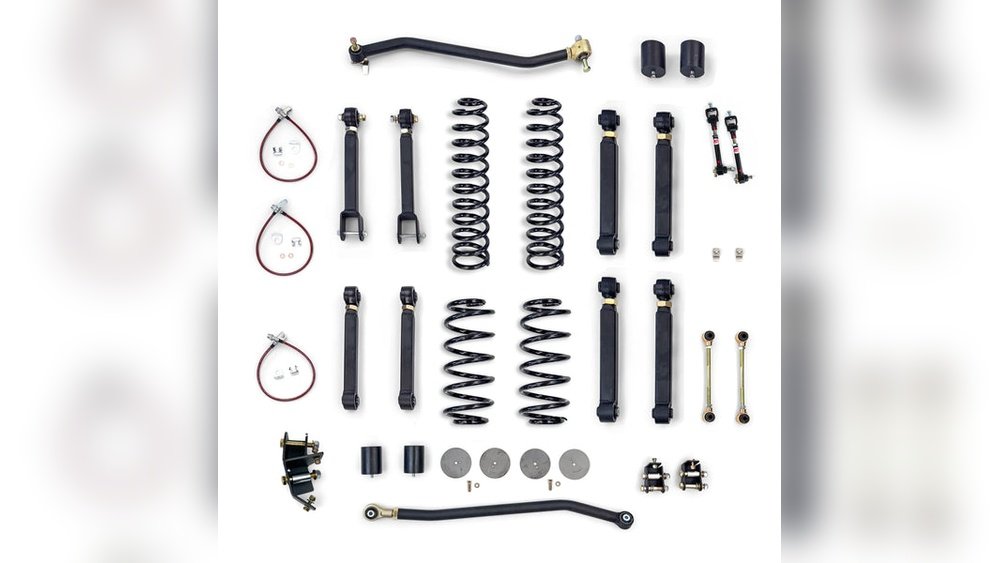
While the Liberty has decent stock ground clearance, a suspension lift kit can significantly improve its off-road capability. These kits typically include taller springs and shocks to raise the vehicle’s body, providing more room for larger tires and increasing overall ground clearance.
- Budget Boosts/Spacers: These are less expensive options that use spacers to lift the suspension. They are a good entry-level modification but don’t typically improve suspension articulation.
- Full Suspension Lifts: These kits replace the stock springs and shocks with longer, more robust components. They offer better performance and articulation, allowing the wheels to maintain contact with uneven terrain for better traction.
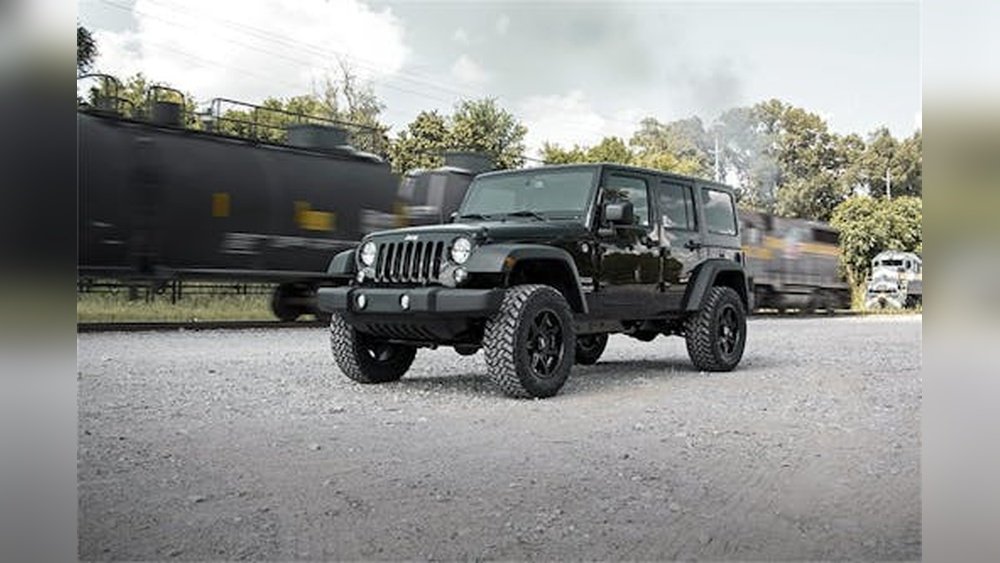
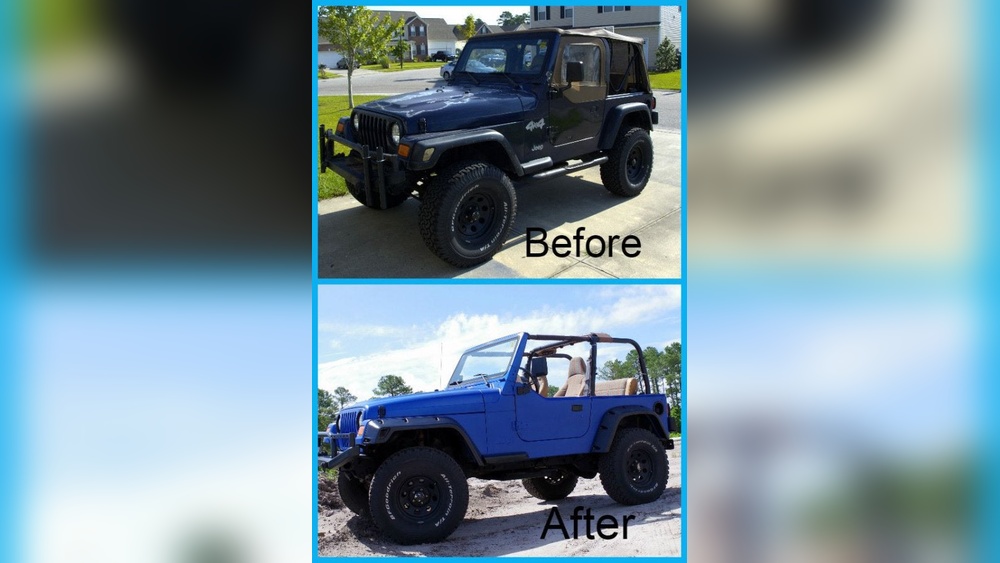
A lift kit, combined with appropriately sized A/T tires, can transform your Liberty’s off-road potential.
Protection Upgrades
As mentioned earlier, skid plates are a vital upgrade. Beyond those, consider:
- Rock Sliders: These are sturdy metal bars mounted along the sides of the vehicle, between the wheels. They protect the rocker panels (the bodywork below the doors) from damage by rocks and other obstacles.
- Aftermarket Bumpers: Front and rear bumpers designed for off-roading often offer better approach and departure angles, integrated recovery points (like tow hooks or winch mounts), and increased durability.
Recovery Gear
If you plan on venturing into challenging terrain, recovery gear is essential. You never know when you might get stuck.
- Tow Strap: A specialized strap designed to stretch and absorb shock when pulling a stuck vehicle.
- Shackles: Used to connect tow straps to recovery points on vehicles. Ensure you use rated shackles.
- Winch: For more extreme situations, a winch can pull your vehicle (or another) out of difficult spots. This is a significant investment and requires proper installation and knowledge.
- Hi-Lift Jack: A versatile manual jack that can also be used for lifting, clamping, or pulling. It requires proper training to use safely.
Maintenance And Checks
Before any off-road trip, ensure your Liberty is in top mechanical condition. Check:
- Fluid Levels: Engine oil, coolant, brake fluid, power steering fluid, and differential fluid.
- Tire Pressure: Ensure tires are properly inflated for the conditions. Lowering tire pressure slightly can improve traction on loose surfaces, but always re-inflate them before returning to the highway.
- Brakes: Ensure they are in good working order.
- Battery: A strong, well-secured battery is crucial.
- Belts and Hoses: Check for cracks or wear.
Driving Techniques For The Jeep Liberty Off-road
Once prepared, knowing how to drive your Liberty off-road makes all the difference.
Engaging 4wd Low
For challenging terrain, engaging 4WD Low is essential. This multiplies engine torque, allowing you to crawl over obstacles slowly and controllably.
- Come to a complete stop.
- Put the transmission in Neutral.
- Shift the transfer case lever (or push buttons) to 4WD Low.
- Once engaged, shift the transmission back into Drive (or your desired gear).
Warning: Never attempt to shift into 4WD Low while the vehicle is in motion, especially on dry pavement. This can cause severe damage to the transfer case.
Throttle Control
Smooth and consistent throttle control is key. Avoid sudden bursts of acceleration, which can cause your tires to spin and lose traction, or worse, dig you deeper into a hole. Feather the accelerator pedal to maintain a steady, controlled speed over obstacles.
Momentum Vs. Crawling
There’s a balance between using momentum and crawling. For small obstacles, a little controlled momentum can help you roll over them. For larger or more technical obstacles, slow and steady crawling is the safer approach. Let the vehicle’s gearing and your careful throttle input do the work.
Spotting And Line Selection
When approaching an obstacle or a challenging section of trail, it’s often best to get out and spot your line. A spotter can guide you from outside the vehicle, helping you choose the best path to avoid damage and maintain traction. Look for the path of least resistance. Avoid sharp angles that could high-center your vehicle or put excessive stress on the suspension.
Using Traction Control And Differential Lockers
- Traction Control (if equipped): Modern Libertys may have electronic traction control systems. While helpful on slippery surfaces, these systems can sometimes hinder off-road performance by cutting engine power when a wheel spins. Some systems can be temporarily disabled for off-road use. Consult your owner’s manual.
- Differential Lockers: Most Jeep Libertys do not come with factory locking differentials. These aftermarket upgrades allow you to lock the axles, forcing both wheels on an axle to spin at the same speed, regardless of traction. This is incredibly useful for extreme off-roading but is an advanced modification. If you don’t have lockers, relying on good tire choice, proper line selection, and careful throttle control is crucial.
Common Off-road Trails And Obstacles For The Jeep Liberty
The Jeep Liberty is well-suited for a variety of off-road environments.
Forest Service Roads And Fire Trails
These are often unpaved, gravel, or dirt roads that are generally well-maintained but can become rough, rutted, or muddy after rain. They are excellent for beginners and offer scenic drives.
Your Liberty, especially with A/T tires, will handle these with ease.
Moderate Trails
These trails might include more uneven terrain, larger rocks, moderate inclines, and potentially some mud or water crossings. This is where a mild lift, A/T tires, and skid plates start to become very beneficial.
Rock Crawling (entry-level)
While not a dedicated rock crawler like a modified Jeep Wrangler, a Liberty with a lift, good tires, and underbody protection can handle some entry-level rock crawling. This involves navigating over rocks and uneven surfaces, requiring careful throttle control, line selection, and awareness of your vehicle’s angles.
Mud And Sand
In mud, momentum and tire tread are key. Aggressive A/T or M/T tires will help you churn through mud, and maintaining a steady speed is important. In sand, similar principles apply; avoid sudden stops and starts, and consider airing down your tires slightly to increase the contact patch.
Water Crossings
Water crossings can be fun but also hazardous.
- Assess the Depth: Never cross water deeper than the bottom of your doors or the manufacturer’s recommended wading depth.
- Check the Bottom: Ensure the crossing has a firm, non-slippery bottom.
- Engage 4WD Low: This provides maximum control at low speeds.
- Create a Bow Wave: Drive slowly and steadily to create a small wave in front of your vehicle. This helps push water away and prevents it from entering the engine bay.
- Avoid Stopping: Once you start crossing, try not to stop until you are out.
- Dry Brakes: After crossing, drive slowly with light pressure on the brake pedal to help dry them out.
Example: On a recent trip to a local state park, I encountered a muddy trail that was deeper than I expected. By engaging 4WD Low and maintaining a steady throttle with my A/T tires, I was able to power through without getting stuck, though the Liberty did get quite a bit of mud on it!