Jeep Led Headlight Upgrade: See The Road, Safely
Driving a Jeep is about more than just getting from point A to point B; it's about adventure, freedom, and capability. Whether you're navigating rugged trails or cruising through city streets, your Jeep is a trusted companion.
But when the sun goes down, your factory headlights might not be keeping up.
Many stock Jeep headlights, especially on older models, use outdated halogen technology. This means less light output, poor visibility in bad weather, and a less-than-optimal driving experience.
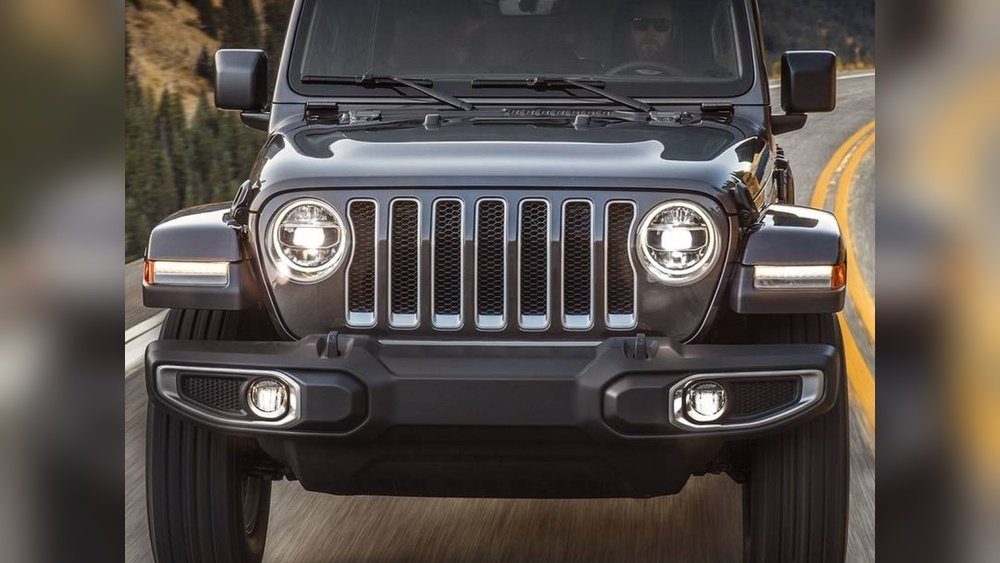
Upgrading to LED headlights is one of the most impactful modifications you can make for your Jeep. It’s not just about making your Jeep look cooler; it’s about safety, performance, and longevity. Brighter, clearer light helps you see obstacles, road signs, and other vehicles sooner, reducing the risk of accidents. Plus, LED bulbs last much longer than traditional halogens, saving you money and hassle in the long run. This guide will walk you through everything you need to know about upgrading your Jeep’s headlights to LEDs, from understanding the benefits to choosing the right bulbs and installing them.
Why Upgrade To Jeep Led Headlights? The Clear Advantages
Making the switch from older halogen bulbs to modern LED technology offers a host of benefits tailored for Jeep owners. These aren’t just minor improvements; they can significantly change how you experience driving, especially in challenging conditions.
Superior Brightness And Visibility
The most immediate benefit of LED headlights is their superior brightness. LEDs produce a much more intense and focused beam of light compared to halogens. This means you can see further down the road, spot potential hazards like animals or debris much earlier, and navigate dark trails with greater confidence. The light color is also typically a cleaner, whiter hue, closer to natural daylight, which reduces eye strain and improves color perception. This is crucial for distinguishing road surfaces, traffic signals, and other important visual cues.
Enhanced Safety On And Off-road
Increased visibility directly translates to enhanced safety. When you can see more, you have more time to react. This is especially critical for Jeep owners who often find themselves driving in low-light conditions, off-road, or in adverse weather like fog, heavy rain, or snow. The sharper, more defined beam pattern of good quality LEDs also reduces glare for oncoming drivers compared to poorly aimed halogens or cheap LED conversions, which is a significant safety consideration for everyone on the road.
Longer Lifespan And Durability
LED bulbs are known for their impressive lifespan. While a typical halogen bulb might last 500 to 1,000 hours, LEDs can last 25,000 to 50,000 hours or even more. This means you might never have to replace your headlights again during your ownership of the Jeep. This longevity is due to the solid-state nature of LEDs; they have no filaments to burn out. They are also more resistant to vibrations and shock, making them ideal for the rugged use many Jeeps endure.
Improved Energy Efficiency
LEDs are significantly more energy-efficient than halogen bulbs. They consume less power to produce the same amount of light, or even more light. For a Jeep, this means less draw on your electrical system, which can be beneficial, especially if you have other accessories running, like powerful off-road lights, winches, or sound systems. While the difference per bulb is small, it adds up and can contribute to a healthier overall electrical system.
Modern Aesthetics
Let’s be honest, the look of modern LED headlights can significantly enhance the appearance of your Jeep. The crisp, white light and often unique design of LED assemblies give a Jeep a more aggressive, updated, and premium look. It’s a visual upgrade that complements the performance improvements.

Types Of Jeep Led Headlight Upgrades
When you decide to upgrade, you’ll find there are a few main ways to go about it, each with its own pros and cons. Understanding these options will help you choose the best path for your needs and budget.
Direct Replacement Led Bulbs
This is often the simplest and most affordable way to upgrade. These are LED bulbs designed to fit directly into your Jeep’s existing headlight housing, replacing your old halogen bulbs.
- How they work: They have the same base (like H4 or H13) as your original bulbs and plug into the factory wiring harness.
- Pros:
- Easiest installation: Often a plug-and-play process, taking minutes.
- Cost-effective: Generally the cheapest option.
- Retains factory look: If you want the performance of LEDs without changing the housing’s appearance.
- Cons:
- Beam pattern issues: The biggest challenge. Halogen housings are designed for the specific light output of a filament bulb. LEDs have a different light source shape and placement. This can lead to a poor beam pattern, causing glare for other drivers or dark spots on the road.
- Cooling: LEDs generate heat. Without proper cooling (fans or heat sinks), they can overheat and fail prematurely. Some designs are better than others.
- Legality: In some regions, using LED bulbs in housings designed for halogens may not be street legal due to beam pattern issues.
Complete Led Headlight Assemblies
This option involves replacing the entire headlight unit, the housing and the LED light source all in one. These are designed specifically for LED technology and often come in projector or reflector styles that manage the light beam much more effectively.
- How they work: You remove your old headlight assembly and install the new, complete LED unit. They usually connect to the factory wiring.
- Pros:
- Optimal beam pattern: Designed from the ground up for LEDs, ensuring a sharp cutoff and proper light distribution, minimizing glare and maximizing road illumination. This is crucial for street legality and safety.
- Superior performance: Generally offer brighter, more focused light than replacement bulbs.
- Modern appearance: Often come with distinctive DRL (Daytime Running Light) halos or other styling elements.
- Durability: Usually built with robust materials.
- Cons:
- Higher cost: Significantly more expensive than replacement bulbs.
- More complex installation: May require removing more parts of the grille or bumper, and sometimes wiring for DRLs.
- Potential fitment issues: While designed for specific Jeep models, minor adjustments might be needed sometimes.
Projector Vs. Reflector Led Assemblies
Within complete assemblies, you’ll see two main types:
- Projector headlights: These use a lens to focus the light. They typically offer a very sharp beam cutoff and precise light control, minimizing glare. They are generally considered superior for beam pattern and efficiency.
- Reflector headlights: These use a mirrored surface to reflect light. While modern LED reflector designs are much better than old ones, they can sometimes be less precise in beam control compared to projectors.
Pro Tip: For on-road use where safety and legality are paramount, complete LED assemblies with projector designs are usually the best choice. If you primarily drive off-road or in very remote areas and prioritize cost, direct replacement bulbs might be considered, but always check local regulations and be mindful of other drivers.
Choosing The Right Jeep Led Headlights: Key Factors To Consider
With numerous brands and models available, selecting the right LED headlights for your Jeep can feel overwhelming. Here are the critical factors to evaluate to make an informed decision.
Compatibility And Fitment
First and foremost, ensure the headlights are compatible with your specific Jeep model and year. Jeeps have used different headlight sizes and connectors over the years. Common sizes include 7-inch round headlights (JK, TJ, older models) and some newer models might use different integrated units. Always double-check the product description for your vehicle’s make, model, and year. Look for terms like “plug-and-play” for ease of installation.
Beam Pattern And Cutoff Line
This is arguably the most important factor for safety and legality. A good LED headlight should have a sharp cutoff line. This is the distinct horizontal line where the light beam stops. A well-defined cutoff prevents light from scattering upwards, which blinds oncoming drivers. Look for headlights that specifically mention a sharp cutoff or are DOT (Department of Transportation) or ECE (Economic Commission for Europe) approved, as these standards mandate proper beam patterns. Avoid LEDs that produce a fuzzy or scattered light.
Brightness (lumens) And Color Temperature (kelvin)
- Brightness: Measured in lumens (lm), higher lumens generally mean brighter light. However, raw lumen output isn’t everything. The way the light is focused and directed by the housing is more critical. Look for a balance, too much brightness without proper focus can be counterproductive. Aim for headlights in the 2000-4000 lumen range per bulb for a good balance of performance and manageability.
- Color Temperature: Measured in Kelvin (K), this describes the color of the light. Halogen bulbs are typically around 3000K (yellowish). Most LED upgrades aim for 5000K to 6500K, which is a pure white or slightly bluish-white light, mimicking daylight. This range is excellent for visibility and reducing eye strain. Avoid extremely high Kelvin ratings (e.g., 8000K+) as they can appear too blue and reduce visibility in certain conditions like fog.
Build Quality And Materials
Jeeps are often driven in harsh environments. Look for headlights constructed with durable materials. Aluminum housings are common and offer good heat dissipation. Lenses should be made of polycarbonate rather than glass, as it’s more impact-resistant and less likely to shatter on rough terrain. Check for robust seals to protect against dust and moisture (IP rating).
Cooling System
LEDs produce heat, and effective cooling is vital for their longevity and performance. Most LED headlights use either:
- Heatsinks: Often made of aluminum fins, these passively draw heat away from the LED chips.
- Fans: Active cooling with small, quiet fans can be very effective but add a potential point of failure and noise.
Consider the design and reputation of the cooling system. For demanding off-road use, a well-engineered heatsink or a reliable fan system is essential.
Additional Features
Many modern LED assemblies come with extra features:
- DRL Halos: Ring lights around the main bulb that function as daytime running lights.
- Turn Signal Indicators: Integrated amber lights for turn signals.
- High/Low Beam Functionality: Ensure both modes work correctly and have distinct patterns.
Consider if these features are important to you and ensure they are also DOT/ECE approved if you plan to use them on public roads.
Brand Reputation And Reviews
Don’t underestimate the power of brand reputation and user reviews. Stick to reputable manufacturers known for quality automotive lighting. Read reviews from other Jeep owners who have installed the specific headlights you’re considering. Look for feedback on brightness, beam pattern, ease of installation, durability, and customer support.
Price Vs. Value
While budget is always a factor, remember that you often get what you pay for with headlights. Extremely cheap options may compromise on quality, safety, and longevity. Aim for a balance of performance, durability, and price from a trusted brand. A good set of LED headlights is an investment in your safety and your Jeep’s capability.

Installation Guide: Upgrading Your Jeep’s Headlights
Installing new LED headlights can range from a simple 15-minute swap to a few hours, depending on the type of upgrade and your Jeep model. This guide covers the general process for common Jeep models like the JK (2007-2018) and TJ (1997-2006), which typically use 7-inch round headlights.
Always consult the specific instructions that come with your new headlights.
Tools You’ll Likely Need
- Screwdriver set: Phillips and flathead.
- Socket/Wrench set: Often 8mm, 10mm, or similar for grille/headlight bracket removal.
- Trim removal tools: Plastic pry tools to avoid scratching paint.
- Gloves: To keep the new headlight lenses clean.
- Shop towels or microfiber cloths.
- Wire connectors/taps (if needed for DRLs).
- Zip ties (for wire management).
Step-by-step Installation (for 7-inch Round Headlights)
- Prepare Your Jeep: Park on a level surface, engage the parking brake, and turn off the engine. It’s a good idea to disconnect the negative battery terminal to prevent any accidental shorts, especially if you’re wiring in DRLs.
- Access the Headlights:
- Grille Removal: On most JK and TJ models, you’ll need to remove the front grille. This usually involves releasing clips along the top edge and sometimes removing a few bolts or screws at the bottom or behind the grille. Gently pull the grille forward and away from the vehicle.
- Headlight Retaining Ring: Once the grille is off, you’ll see the headlight mounted in a bracket, held in place by a chrome or black retaining ring. This ring is typically secured by four screws. Loosen these screws to remove the ring.
- Remove the Old Headlight:
- Carefully pull the headlight assembly out of the mounting bracket.
- Locate the electrical connector on the back of the bulb. There’s usually a release tab you need to press to disconnect it.
- If you are installing direct replacement bulbs, you’ll unscrew the old bulb from the housing. If you are installing a complete assembly, you’ll unplug the entire unit.
- Install the New LED Headlights:
- For Complete Assemblies:
- Connect the wiring harness of the new LED assembly to your Jeep’s factory connector. If your new lights have separate DRL wires, you’ll need to connect these according to the manufacturer’s instructions. This often involves tapping into a parking light circuit or a switched 12V source.
- Carefully place the new LED headlight assembly into the mounting bracket. Ensure it sits flush.
- Reinstall the headlight retaining ring and tighten the four screws evenly. Do not overtighten.
- For Direct Replacement Bulbs:
- Insert the new LED bulb into the housing, following the orientation specified by the manufacturer.
- Connect the bulb’s connector to your Jeep’s wiring harness. Some bulbs may require an adapter or ballast.
- Ensure any cooling fans or heatsinks are positioned correctly and have clearance.
- Test the Headlights:
- Reconnect the negative battery terminal if you disconnected it.