The Jeep JL Wrangler is a popular vehicle known for its off-road capabilities. When you want to upgrade your Jeep JL's wheels or tires, knowing the correct wheel stud size is crucial.
Using the wrong size can lead to serious safety issues, including wheels coming loose. This guide will help you understand the Jeep JL wheel stud size, why it matters, and how to find the right one for your needs.
Understanding Jeep Jl Wheel Stud Size
Wheel studs are essentially bolts that stick out from your wheel hub. They are what your lug nuts screw onto to secure the wheel to the vehicle. The size of these studs involves two main measurements: diameter and length.
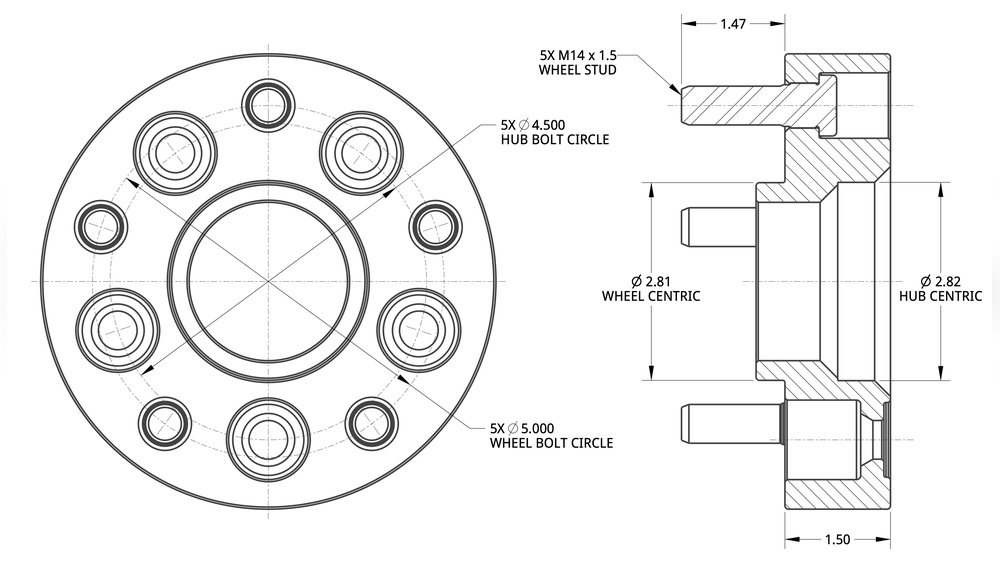
The diameter refers to the thickness of the stud. A thicker stud can handle more torque and stress, which is important for off-roading and heavy loads. The length of the stud determines how much of the stud the lug nut can engage with.
For the Jeep JL Wrangler, the standard wheel stud size is M14 x 1.5. This means the stud has a metric thread diameter of 14 millimeters and a thread pitch of 1.5 millimeters. This specification is consistent across most JL models, including the Sport, Sahara, Rubicon, and all special editions.
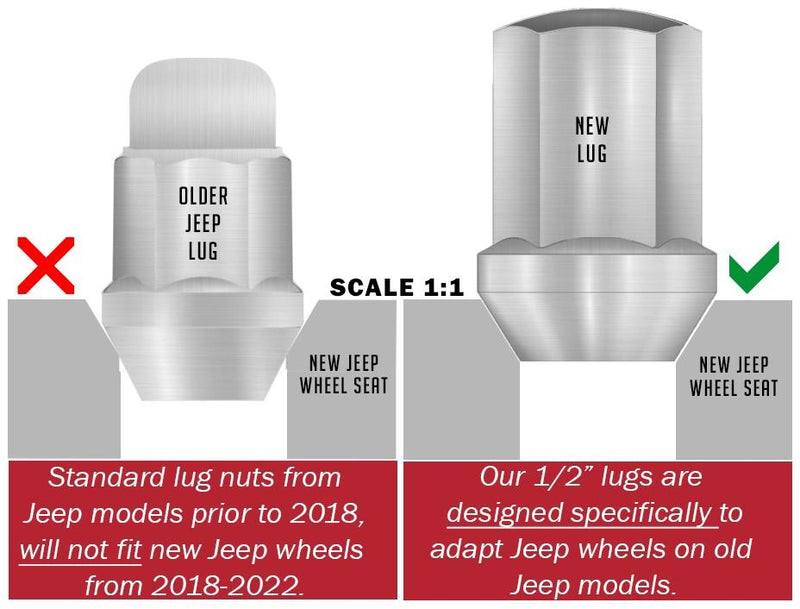
It’s important to note that while the stud size itself is consistent, the lug nut seat type can vary, particularly with aftermarket wheels. Most factory Jeep wheels use a conical (or acorn) seat, but some aftermarket wheels might require a ball seat or even a mag seat. Always confirm the lug nut seat type required by your wheels.
Why Wheel Stud Size Matters
The wheel stud size is a critical safety component. If the studs are too small or too short for the wheels and lug nuts you are using, it can lead to several dangerous situations.
Wheel Security
The primary function of wheel studs is to hold your wheels securely to the vehicle. The lug nuts thread onto the studs, creating clamping force that presses the wheel firmly against the hub.
If the studs are not the correct size, the lug nuts may not thread on properly, or they might not achieve the necessary clamping force.
This can cause the wheel to loosen over time, potentially leading to accidents.
Torque Specifications
Every vehicle has specific torque specifications for its lug nuts. These specifications are determined based on the size and material of the wheel studs, as well as the wheel hub. Using the correct wheel stud size ensures that you can properly torque your lug nuts to the manufacturer’s recommended settings, typically around 100-125 lb-ft for a Jeep JL. If the studs are compromised or the wrong size, achieving the correct torque might be impossible, or worse, you could overtighten and damage the studs or the wheel.
Compatibility With Aftermarket Wheels
When upgrading to aftermarket wheels, it’s common to encounter different stud sizes. While the Jeep JL uses M14 x 1.5 studs, some aftermarket wheels might be designed for smaller studs, like M12 x 1.5. If you install wheels designed for smaller studs onto your Jeep JL’s larger studs, you risk the lug nuts not seating correctly, leading to an unsafe connection. Conversely, if you install wheels designed for larger studs (which is less common for JL), they won’t fit at all.
Measuring Your Jeep Jl Wheel Studs
If you need to confirm your Jeep JL wheel stud size, you can measure them. While the standard is M14 x 1.5, measuring provides certainty, especially if you’re dealing with non-standard parts.
Tools You’ll Need
- Calipers: A digital caliper is the most accurate tool for measuring the diameter and thread pitch.
- Thread Gauge: A thread gauge can help determine the thread pitch if you don’t have calipers with that capability.
- Ruler or Tape Measure: Useful for measuring the length of the stud.
How To Measure
- Diameter:
- If using calipers, place the jaws around the threaded portion of the stud. Ensure the jaws are snug but not forcing the measurement. The reading will give you the diameter in millimeters. For a Jeep JL, you should get a reading close to 14 mm.
- If you don’t have calipers, you can try to match the stud to a known metric bolt. However, this method is less precise.
- Thread Pitch:
- The thread pitch is the distance between the threads. For M14 x 1.5, the pitch is 1.5 mm.
- If using calipers, you can measure the distance from the crest of one thread to the crest of the next.
- Alternatively, use a thread gauge. Find the gauge that perfectly fits the threads on the stud. The gauge will indicate the thread pitch.
- If you only have a ruler, you can try to count the number of threads per inch and convert it to metric. This is difficult and prone to error.
- Length:
- Measure the stud from the base of the stud (where it meets the hub) to the tip of the stud. This measurement is usually less critical than diameter and pitch for compatibility, but it’s good to know, especially when ordering new studs or lug nuts. For a Jeep JL, the wheel stud length is typically around 50 mm.
Remember, the standard for the Jeep JL Wrangler is M14 x 1.5. If your measurements deviate significantly, you might have non-standard parts or a different vehicle model.
Common Wheel Stud Sizes In Other Vehicles
Understanding common wheel stud sizes in other vehicles can provide context and highlight why the M14 x 1.5 for the Jeep JL is important. Different vehicles use different stud sizes based on their weight class, intended use, and manufacturing standards.
Here are some common stud sizes found in other vehicles:
- M12 x 1.25: Often found on smaller Japanese cars like Nissan, Subaru, and some Infiniti models.
- M12 x 1.5: Common on many American and European cars, including Ford, Chevrolet (smaller models), BMW, and Mercedes-Benz.
- M14 x 1.25: Used on some European vehicles, like Audi and Volkswagen.
- M14 x 1.5: As discussed, this is the standard for the Jeep JL Wrangler. It’s also used on some other trucks and SUVs.
- Studs with Inch Measurements: Older American vehicles might use studs measured in inches, such as 1/2-13 or 9/16-12. These are not compatible with metric thread wheels or lug nuts.
The M14 x 1.5 size on the Jeep JL is chosen for its strength, suitable for the vehicle’s weight and its off-road applications where components are subjected to higher stresses.
Comparing Stud Sizes
| Vehicle Type / Manufacturer | Common Stud Size | Thread Pitch (mm) | Diameter (mm) |
|---|---|---|---|
| Small Japanese Cars | M12 x 1.25 | 1.25 | 12 |
| Many Cars (US/EU) | M12 x 1.5 | 1.5 | 12 |
| Audi, VW | M14 x 1.25 | 1.25 | 14 |
| **Jeep JL Wrangler** | **M14 x 1.5** | **1.5** | **14** |
| Some Trucks/SUVs | M14 x 1.5 | 1.5 | 14 |
| Older American Cars | 1/2-13 | 13 TPI | ~12.7 |
*Note: TPI stands for Threads Per Inch. 1/2-13 means a 1/2 inch diameter with 13 threads per inch.*
It is crucial to match the stud size and thread pitch precisely. Using the wrong size can lead to stripped threads, loose wheels, and potential failure.

Upgrading Jeep Jl Wheel Studs
While the factory M14 x 1.5 studs are robust, there are reasons why someone might consider upgrading them. The most common reasons include fitting larger aftermarket wheels, using wheel spacers, or simply wanting stronger components for extreme off-roading.
When To Consider Upgrading
- Aftermarket Wheels: If you’re installing wheels that require a different stud size or length, you’ll need compatible studs.
- Wheel Spacers: When using wheel spacers, the factory studs might not be long enough to safely engage the lug nuts. Longer studs are often necessary.
- Extreme Off-Roading: For heavy rock crawling or extreme terrain, stronger, longer studs might provide added peace of mind and durability.
- Damaged Studs: If any of your factory studs are damaged (stripped threads, bent, or cracked), replacement is necessary. It’s often wise to upgrade all studs on an axle if one fails.
Types Of Upgraded Studs
- Extended Length Studs: These are longer than factory studs, allowing for the use of wheel spacers or thicker aftermarket wheels. They typically maintain the M14 x 1.5 thread size.
- High-Strength Studs: Made from stronger materials (like ARP studs), these offer increased tensile strength to withstand higher torque values and repeated stress. They usually come in the standard M14 x 1.5 size but are significantly more durable.
- Studs for Different Lug Nut Types: While less common for JL, some upgrades might involve changing stud types if you switch to a different lug nut system.
Installation Considerations
- Press-In vs. Screw-In: Most Jeep JL studs are press-in type, meaning they are hammered into place from the back of the hub. Screw-in studs are less common for factory applications but are an option in some aftermarket kits.
- Professional Installation: Replacing wheel studs can be a complex job. It often requires removing the brake components and potentially the entire hub assembly. If you’re not comfortable with this level of automotive work, it’s best to have a professional mechanic perform the upgrade.
- Lug Nut Compatibility: Ensure your chosen upgraded studs are compatible with the lug nuts you intend to use, especially regarding seat type (conical, ball, mag).
Lug Nuts: The Crucial Partner To Wheel Studs
Wheel studs and lug nuts work together as a system. The lug nut size and seat type must match both the wheel and the studs. For the Jeep JL Wrangler, with its M14 x 1.5 studs, you will need M14 x 1.5 lug nuts.
Lug Nut Seat Types
The “seat” of a lug nut is the part that contacts the wheel. The shape of this seat ensures the lug nut sits flush and applies pressure evenly.
- Conical (Acorn) Seat: This is the most common type. The bottom of the lug nut is shaped like a cone, which fits into a corresponding tapered hole in the wheel. Most factory Jeep JL wheels use this type.
- Ball Seat: The bottom of the lug nut is rounded, like a ball. This type is often found on European vehicles and some aftermarket wheels.
- Mag Seat: These lug nuts have a large, flat washer-like surface that sits against the wheel. They are often used with wheels that have flat mounting surfaces and may require specific washers.
Choosing The Right Lug Nuts
- Match Thread Size: Always use lug nuts with the correct thread size (M14 x 1.5 for Jeep JL).
- Match Seat Type: Ensure the seat type of the lug nut matches the requirement of your wheels. If you are using factory Jeep wheels, you’ll likely need conical seat lug nuts. If you have aftermarket wheels, check their specifications.
- Consider Material and Finish: Lug nuts come in various materials (steel, aluminum) and finishes (chrome, black, black chrome). Steel is generally stronger and more durable for daily use.
- Seat Depth: For aftermarket wheels, ensure the seat depth of the lug nut is sufficient for proper engagement with the stud.
Extended Thread Lug Nuts
If you are using wheel spacers or aftermarket wheels with thicker mounting pads, your factory M14 x 1.5 lug nuts might not have enough thread engagement on the studs. In such cases, you might need extended thread lug nuts. These are longer than standard lug nuts, providing more thread contact with the studs.
Pro Tip: Always check the thread engagement of your lug nuts after installation, especially after installing new wheels or spacers. You should have at least 6-8 full threads of engagement between the stud and the lug nut for safety.

Wheel Spacers And Their Impact On Studs
Wheel spacers are devices installed between the wheel hub and the wheel to push the wheel further out from the vehicle’s suspension. This can improve the stance of the vehicle, allow for larger tires, or provide clearance for suspension components. However, they directly impact the interaction between wheel studs, lug nuts, and wheels.
How Spacers Affect Studs
When you install wheel spacers, the factory studs are no longer long enough to securely fasten the wheel. The lug nuts would only engage a few threads on the original studs, which is extremely unsafe. To address this, most wheel spacers require you to use longer wheel studs or come with their own integrated studs.
If the spacers themselves have studs (often called bolt-on spacers), your factory lug nuts will thread onto these new studs. You need to ensure the thread pitch on these integrated studs matches your vehicle’s lug nuts (which should be M14 x 1.5 for the JL).
If you are using stud-centric spacers (which simply add space without integrated studs), you will need to replace your factory wheel studs with extended length studs. These extended studs must be long enough to pass through the spacer and still allow for sufficient thread engagement with your lug nuts.
Safety Concerns With Spacers
- Thread Engagement: This is the most critical factor. Always ensure you have adequate thread engagement. A common rule of thumb is a minimum of 10-12 full turns of the lug nut, which translates to roughly 6-8 threads of engagement.
- Hub Centricity: Ensure your spacers are hub-centric, meaning they have a lip that fits snugly onto your Jeep’s wheel hub.



















