The Jeep Wrangler JL Rubicon is already a legendary off-road machine. But for those who push the limits, there's an upgrade that can make a significant difference: beadlock wheels.
These aren't your average rims. They're designed to keep your tires firmly attached to the wheel, even when you're airing them down to incredibly low pressures for maximum traction on challenging terrain.
If you're serious about rock crawling, mud bogging, or tackling any extreme off-road situation, understanding beadlock wheels is essential.
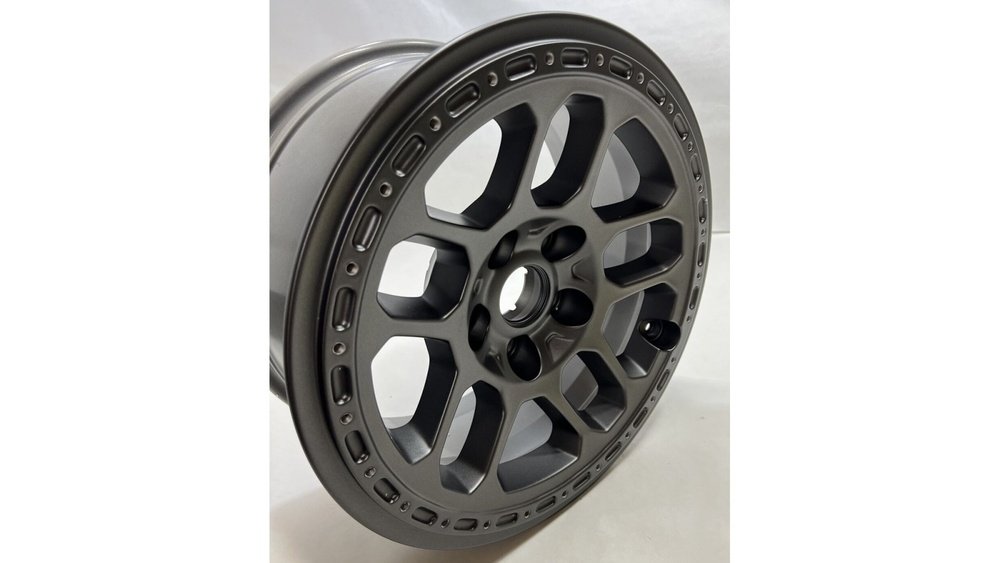
For many Jeep enthusiasts, the Rubicon trim represents the pinnacle of factory-built off-road capability. It comes equipped with features like Dana 44 axles, electronic locking differentials, and a disconnecting front sway bar that allow it to conquer obstacles that would stop lesser vehicles in their tracks. However, when you start pushing your JL Rubicon into truly extreme environments, you might find yourself wanting more. This is where the concept of tire pressure becomes critical. To get the best grip on rocks and loose surfaces, you need to lower your tire pressure. But there’s a limit. If the pressure gets too low, the tire can “de-bead”, meaning the edge of the tire pops off the rim, leading to a flat and potentially dangerous situation. This is precisely the problem that beadlock wheels are designed to solve.
Understanding Beadlock Wheels: What They Are And How They Work
At its core, a beadlock wheel is designed to physically clamp the tire bead to the wheel rim. Unlike standard wheels, which rely solely on air pressure to hold the tire in place, beadlock wheels use a mechanical locking mechanism.
This mechanism typically involves a ring that bolts onto the outside of the wheel, sandwiching the tire bead between the ring and the wheel itself.
The Mechanics Of A Beadlock
The process of installing a tire on a beadlock wheel is more involved than on a standard wheel. First, the tire is mounted onto the wheel.
Then, the beadlock ring, which usually has a series of bolt holes, is placed over the tire's bead.
Bolts are then inserted through the ring and threaded into the wheel. As these bolts are tightened, they draw the ring down, compressing the tire bead and creating a secure mechanical lock.
This clamping action prevents the tire from de-beading, even under extreme low-pressure conditions.
There are two main types of beadlock systems: factory-style beadlocks and aftermarket beadlock-style wheels. The JL Rubicon often comes with what’s referred to as “factory-style” beadlocks. These are designed to be street-legal and are engineered to meet certain safety standards. Aftermarket beadlock wheels, while offering potentially stronger clamping force, may have different regulations regarding their use on public roads. It’s crucial to understand the difference and any legal implications in your area.
The Role Of Tire Pressure In Off-roading
Tire pressure is one of the most critical factors in off-road performance. When you lower tire pressure, the tire becomes more flexible.
This allows it to conform to the shape of the terrain, such as rocks or uneven surfaces, creating a larger contact patch with the ground.
A larger contact patch means more grip.
On challenging trails, many off-roaders will air down their tires to pressures as low as 10-15 PSI, or even lower for extreme rock crawling. Standard wheels can often handle pressures down to around 20 PSI without significant risk of de-beading.
However, below that, the risk increases dramatically. Beadlock wheels allow drivers to safely run much lower pressures, often down to 5 PSI or less, unlocking a new level of traction and capability.
Benefits Of Beadlock Wheels
The primary benefit of beadlock wheels is the ability to run extremely low tire pressures. This translates directly to:
- Enhanced Traction: More rubber on the ground means significantly better grip on rocks, mud, sand, and other slippery surfaces.
- Improved Ride Comfort: Lower tire pressures act as a natural form of suspension, absorbing bumps and impacts for a smoother ride over rough terrain.
- Reduced Risk of De-beading: The mechanical lock prevents the tire from coming off the rim, eliminating a common cause of off-road frustration and potential danger.
- Increased Tire Floatation: On soft surfaces like sand or mud, lower pressures help the tire “float” on top rather than digging in, preventing you from getting stuck.
Drawbacks Of Beadlock Wheels
While the benefits are compelling, beadlock wheels are not without their downsides:
- Cost: Beadlock wheels are significantly more expensive than standard wheels.
- Weight: They are often heavier, which can impact fuel economy and vehicle performance.
- Installation Complexity: Mounting tires on beadlock wheels requires more effort and specialized tools.
- Maintenance: The bolts and locking rings require regular inspection and tightening to ensure they remain secure.
- Legality: Some types of beadlock wheels are not street-legal in certain jurisdictions.
Types Of Beadlock Wheels For The Jeep Jl Rubicon
When looking at beadlock wheels for your JL Rubicon, you’ll encounter a few different designs and configurations. Understanding these will help you choose the best option for your needs.
Factory-style Beadlocks (included On Some Jl Rubicon Models)
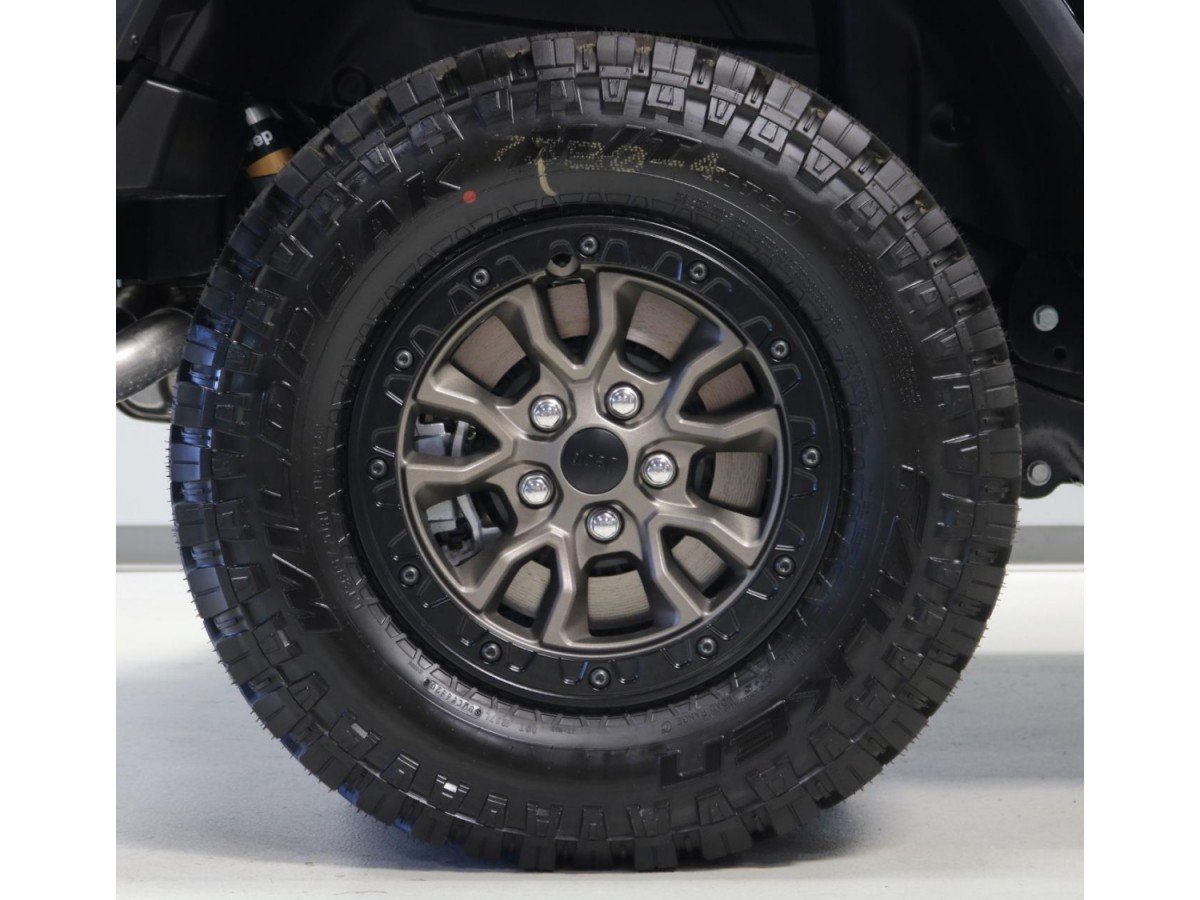
Some JL Rubicon models come equipped with factory-installed beadlock-capable wheels. These are designed with beadlock functionality but are engineered to meet stringent safety and emissions standards for street use.
They often feature a visually distinct beadlock ring, but their locking mechanism might be slightly less aggressive than some aftermarket options to maintain street legality.
Pro Tip: If your JL Rubicon came with these wheels, you already have a significant advantage. Before upgrading, thoroughly test their capabilities and consider if aftermarket solutions are truly necessary for your intended use.
Aftermarket Beadlock Wheels
The aftermarket offers a vast array of beadlock wheels, each with its own design, materials, and locking mechanisms. These can be broadly categorized:
- True Beadlocks: These are designed for maximum security and performance. They feature a robust locking ring that bolts directly to the wheel, creating a very strong mechanical hold on the tire bead. These are generally considered the most effective for extreme off-roading.
- Beadlock-Style Wheels: These wheels mimic the appearance of beadlock wheels but do not have a functional locking ring. They rely on air pressure alone to hold the tire. While they look aggressive, they do not offer the performance benefits of true beadlocks. It’s important not to confuse these with actual beadlock wheels.
Within the “true beadlock” category, you’ll find variations in:
- Locking Ring Material: Common materials include forged aluminum, steel, and sometimes even carbon fiber. Each offers different strengths and weight characteristics.
- Bolt Pattern and Offset: These need to match your Jeep’s specifications.
- Wheel Diameter and Width: Common sizes for the JL Rubicon are 17-inch diameter wheels with varying widths.
- Finishes: Many options are available, from raw machined finishes to various painted or coated colors.
Comparing Key Features
Here’s a look at some common factors to consider when comparing aftermarket beadlock wheels:
| Feature | Description | Importance for JL Rubicon Owner |
|---|---|---|
| **Type** | True Beadlock vs. Beadlock-Style (non-functional) | **Crucial.** Only true beadlocks offer the low-pressure performance benefits. |
| **Material** | Forged Aluminum, Cast Aluminum, Steel | Forged aluminum is typically stronger and lighter than cast. Steel is very strong but heavy. |
| **Locking Ring** | Design, material, number of bolts | A robust ring with sufficient bolts (e.g., 12-16) provides better security. |
| **Bolt Size/Type** | Common sizes are M8 or M10. | Ensure bolts are high-strength and readily available for replacement if needed. |
| **Wheel Size** | Diameter (e.g., 17-inch) and Width (e.g., 8.5-inch, 9-inch) | 17-inch is standard for many off-road tires. Width affects tire profile and sidewall bulge. |
| **Bolt Pattern** | Must match your JL Rubicon’s hub (e.g., 5×5 or 5×5.5 inches). | **Essential.** Incorrect bolt pattern means the wheels won’t fit. |
| **Offset/Backspacing** | Affects how far the wheel sits in or out from the vehicle. Crucial for fitting larger tires and avoiding suspension/fender interference. | Needs careful consideration, especially if running larger tires or suspension lifts. |
| **Load Rating** | The maximum weight the wheel can safely support. | Must be higher than your Jeep’s Gross Vehicle Weight Rating (GVWR). |
| **Street Legality** | Check local regulations regarding the use of true beadlock wheels on public roads. | **Important.** Some true beadlocks are not street-legal, requiring tire changes for on-road driving. |
| **Weight** | Typically ranges from 30-50+ lbs per wheel. | Heavier wheels increase unsprung mass, affecting handling, braking, and fuel economy. |
| **Price** | Can range from $300 to $1000+ per wheel. | A significant investment. |
Installation And Maintenance Of Beadlock Wheels
Installing and maintaining beadlock wheels is a more involved process than with standard wheels. It requires patience, the right tools, and a good understanding of the system.
Mounting Tires On Beadlock Wheels
The process typically involves these steps:
- Clean the Wheel and Ring: Ensure the wheel mounting surface and the beadlock ring are clean and free of debris. Any dirt or grit can compromise the seal or the clamping force.
- Lubricate the Tire Bead: Apply a tire lubricant or soapy water to the tire beads. This helps the tire slide into place and creates a better seal.
- Place the Tire on the Wheel: Position the tire onto the wheel rim.
- Position the Beadlock Ring: Carefully place the beadlock ring over the tire bead. Ensure it sits evenly.
- Install the Bolts: Insert all the bolts through the ring and into the wheel.
- Tighten the Bolts (Staged Process): This is the most critical step.
- Snug all bolts: Tighten all bolts by hand or with a wrench until they are just snug. This ensures the ring is seated evenly.
- Star Pattern Tightening: Using a torque wrench, tighten the bolts in a star or crisscross pattern. This is crucial to apply even pressure across the entire bead.
- Torque Specifications: Follow the manufacturer’s recommended torque specifications precisely. Overtightening can damage the wheel or ring, while undertightening can lead to leaks or de-beading.
- Multiple Passes: It’s often recommended to go around the bolts multiple times, gradually increasing the torque with each pass, until the final torque is reached. This ensures the bead is seated correctly and the ring is fully clamped.
Pro Tip: It’s highly recommended to have a tire machine or a helper for this process. Trying to do it alone can be challenging and may lead to improper installation. Always consult the specific instructions provided by the wheel manufacturer.
Initial Inflation And Sealing
After mounting, you’ll need to inflate the tire to a higher pressure (often 40-60 PSI) to ensure the tire bead fully seats against the wheel rim and the beadlock ring creates a proper seal. Listen for the “pop” of the bead seating.
You may need to use an air compressor with a higher volume and pressure for this initial seating.
Ongoing Maintenance
Beadlock wheels require more maintenance than standard wheels:
- Regular Bolt Checks: After initial installation and after every few off-road excursions, check the torque of all beadlock bolts. Vibrations can cause them to loosen over time.
- Inspection for Damage: Periodically inspect the beadlock ring and bolts for any signs of damage, corrosion, or wear.
- Cleaning: Keep the bead seating surfaces clean.
When To Consider Tire Changes
For many users, especially those who frequently switch between street and off-road use, the hassle of mounting and dismounting tires on beadlock wheels can be a significant drawback. Some owners choose to have a separate set of tires specifically for their beadlock wheels, which they only mount when heading off-road.
This avoids the repeated labor of tire installation and ensures the beadlock system is always properly set up.
Performance Advantages On The Trail
The real reason to invest in beadlock wheels for your JL Rubicon is the tangible performance improvement they offer in demanding off-road scenarios.
Rock Crawling Prowess
Rock crawling is perhaps the most demanding off-road discipline, and it’s where beadlock wheels truly shine. The ability to run tires at 5-10 PSI or even lower allows the tire to wrap around obstacles, maximizing contact and grip. This means:
- Climbing Steep Obstacles: The increased traction helps the Jeep ascend steep, rocky inclines that would otherwise be impossible.
- Navigating Technical Terrain: The flexible tire conforms to uneven surfaces, providing a stable platform and reducing the likelihood of bouncing off obstacles.
- Reduced Wheel Hop: Low tire pressures help absorb impacts, preventing the tire from losing contact with the rock face.
Mud And Sand Performance
In soft conditions like mud or sand, lower tire pressures are also a game-changer.
- Mud Bogging: Dropping tire pressure allows the tires to float on top of the mud rather than digging in and getting stuck. The beadlock ensures the tires stay on the rims even as they churn through thick muck.
- Sand Dunes: Similar to mud, lower pressures increase the tire’s footprint, providing better flotation and preventing the Jeep from sinking into the sand.
Trail Durability And Confidence
Beyond pure traction, beadlock wheels contribute to overall trail confidence and durability.
- Reduced Tire Damage: By keeping the tire bead securely in place, beadlocks reduce the risk of tire damage from impacts or pinch flats that can occur when a tire separates from a standard rim.
- Peace of Mind: Knowing that your tires are mechanically locked to the wheels allows you to focus on driving and navigating challenging terrain without the constant worry of a de-bead.
Legal And Practical Considerations
Before you jump into purchasing beadlock wheels, it’s vital to consider the legal and practical implications.



















