The Jeep JK Wrangler is a capable off-road machine, loved by adventurers for its ruggedness and versatility. However, like any vehicle, it can develop its own set of problems.
One of the more critical issues to address is a failing rear wheel bearing. These bearings are essential for smooth wheel rotation and proper suspension function.
When they start to go bad, they can cause a variety of alarming symptoms that shouldn't be ignored. Ignoring these signs can lead to more significant damage, costly repairs, and even dangerous driving situations.
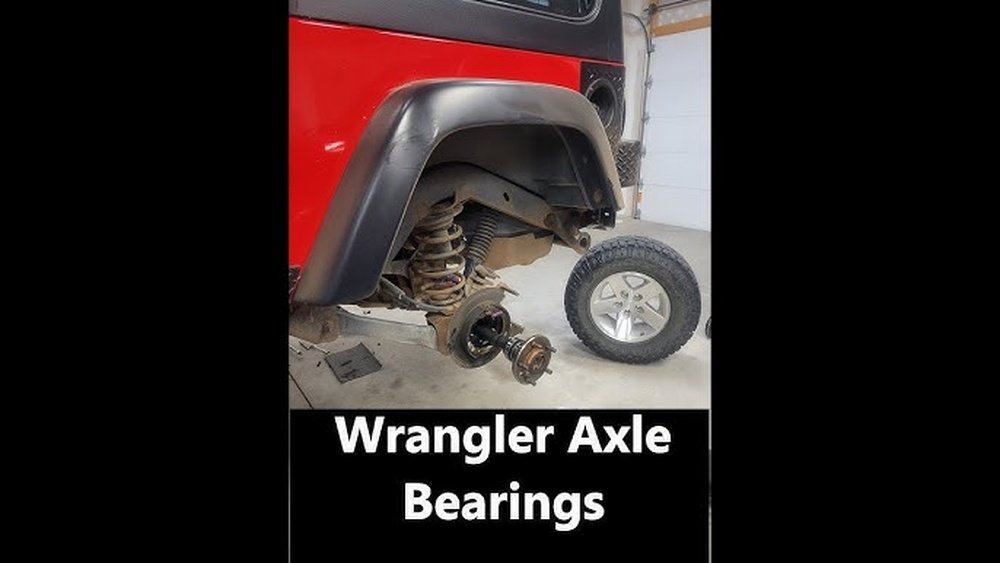
This article will guide you through the common symptoms of a Jeep JK rear wheel bearing failure, helping you identify the problem early and keep your JK on the road and trails.
Understanding The Jeep Jk Rear Wheel Bearing
Before diving into the symptoms, it’s important to understand what a rear wheel bearing does and why it’s so crucial. The wheel bearing is a component of your vehicle’s suspension and steering system that allows the wheel to rotate freely with minimal friction. It’s typically a sealed unit in modern vehicles like the JK Wrangler, meaning it’s pre-lubricated and designed to last the life of the vehicle under normal conditions. However, the JK’s off-road prowess means its components are often subjected to more stress than a typical daily driver.
The rear wheel bearings on a Jeep JK are located inside the rear axle housing, pressed into the knuckle or axle housing itself. They support the weight of the vehicle and allow the rear wheels to spin as you drive. When these bearings wear out, they can no longer perform their function effectively, leading to the symptoms we’ll discuss. Factors like water intrusion, dirt, debris, excessive load, aggressive driving, and simply age can all contribute to premature wear.
Common Symptoms Of A Failing Jeep Jk Rear Wheel Bearing
A failing rear wheel bearing rarely gives a single, clear-cut symptom. Instead, it’s usually a combination of noises, vibrations, and sometimes even performance issues that point towards a problem.
Recognizing these signs is key to preventing further damage.
1. Grinding Or Humming Noise
This is often the first and most noticeable symptom of a bad wheel bearing. As the internal components of the bearing wear down, they lose their smooth rolling action. This creates friction and metal-on-metal contact, resulting in a grinding, rumbling, or humming sound.
The noise typically starts subtly and becomes progressively louder as the bearing deteriorates. It’s often described as a low-frequency hum or growl that changes with vehicle speed. You might hear it most clearly when you’re driving at highway speeds, but it can be present at lower speeds too.
Pro Tip: The key to diagnosing a wheel bearing noise is to listen for how it changes when you turn the steering wheel. When a rear wheel bearing starts to fail, the noise will often get louder when you turn in one direction and quieter when you turn in the opposite direction. This is because turning puts more load on the outer wheel bearing and less load on the inner one. If the noise gets louder when you turn left, the right rear wheel bearing is likely the culprit, and vice versa. This is a very strong indicator.
2. Clicking Or Popping Sounds
While grinding is more common, some failing wheel bearings can also produce clicking or popping sounds, especially when accelerating or decelerating. This can be caused by play or looseness within the bearing assembly. As the axle shaft rotates, any significant looseness can cause components to move in a way that produces these distinct sounds.
These sounds might be more intermittent than a constant hum, and they can be harder to pinpoint. They might occur only under specific driving conditions, such as when shifting gears or making slow turns.
3. Wheel Wobble Or Looseness
As a wheel bearing wears out, it develops excessive play or looseness. This means the wheel no longer sits perfectly centered and stable on its axis. You might feel this as a wobble in the wheel, especially at higher speeds. In severe cases, you might even feel a vibration through the steering wheel or the seat of your pants that isn’t related to road imperfections.
A loose wheel is a serious safety hazard. If you suspect a wheel bearing is causing wobble, it’s crucial to have it checked immediately. You can sometimes detect this looseness by jacking up the vehicle and trying to wiggle the wheel. Grab the tire at the top and bottom and try to rock it in and out. Any noticeable play or looseness is a strong sign of a worn bearing or other suspension issues.
4. Vibrations Felt Through The Vehicle
A worn wheel bearing can transmit vibrations through the vehicle’s chassis. These vibrations might feel like a slight shudder or a more pronounced rumble that seems to come from the rear of the vehicle. Unlike vibrations from unbalanced tires, which are usually felt through the steering wheel and often change with speed, wheel bearing vibrations can feel more localized to the axle and may be more consistent regardless of steering input.
These vibrations can be subtle at first, making them easy to dismiss as road noise or tire imbalance. However, as the bearing continues to fail, the vibrations will become more pronounced and concerning.
5. Abs Or Traction Control Warning Lights
Modern vehicles like the Jeep JK Wrangler are equipped with Anti-lock Braking Systems (ABS) and Traction Control systems. These systems rely on wheel speed sensors to monitor the rotation of each wheel. If a wheel bearing is severely worn, it can cause the wheel to wobble or even rotate unevenly. This can interfere with the ABS sensor’s ability to get an accurate reading of the wheel’s speed.
When the ABS control module detects an inconsistent or missing signal from a wheel speed sensor, it will often trigger the ABS warning light and/or the traction control warning light on your dashboard. While these lights can indicate many different issues, a failing wheel bearing is a common cause, especially if accompanied by other symptoms like noise or vibration.
6. Uneven Tire Wear
A damaged or worn wheel bearing can cause the wheel to not track perfectly straight. This can lead to uneven wear patterns on your tires. You might notice cupping, feathering, or accelerated wear on the edges of the tire tread.
While tire wear can be caused by many factors, including improper inflation, alignment issues, and worn suspension components, a consistently worn wheel bearing can contribute to this problem. If you notice your tires wearing out much faster than they should, or if you see unusual wear patterns on the rear tires, it’s worth investigating the wheel bearings.
7. Overheating Wheel Hub
In extreme cases of bearing failure, the excessive friction can cause the wheel hub and surrounding components to overheat. If you stop your vehicle after a drive and can safely touch the wheel hub (be very careful, it can be extremely hot!), and it feels significantly hotter than the other wheels, this could indicate a severely damaged wheel bearing that is generating excessive heat. This is a critical symptom that requires immediate attention.
Diagnosing The Problem: How To Check Your Jeep Jk Rear Wheel Bearings
When you suspect a rear wheel bearing issue, there are a few ways to confirm it.
The Rocking Test (static)
- Safely Jack Up the Vehicle: Use a sturdy jack and place it under the frame near the rear axle. Ensure the vehicle is on a level surface and the parking brake is engaged. Use jack stands for safety.
- Remove the Wheel: Take off the rear wheel on the side you suspect has the issue.
- Wiggle the Hub: Grab the wheel studs or the brake rotor hub. Try to rock it in and out, and up and down. If you feel any significant play or looseness, the wheel bearing is likely worn. This test is more effective for front wheel bearings, but significant play can sometimes be felt in the rear hubs as well, especially if the bearing is very bad.
The Noise Test (dynamic)
This involves listening carefully while driving. As mentioned earlier, the change in noise when turning is the most reliable indicator for rear wheel bearings.
- Drive at Moderate Speed: Find a safe, open road where you can drive at around 30-50 mph.
- Listen for Changes: Pay close attention to any humming, grinding, or rumbling noises coming from the rear of the vehicle.
- Make Gentle Turns: Gently steer left and right. Note which direction makes the noise louder and which direction makes it quieter.
- Noise gets louder turning LEFT: Likely the RIGHT rear wheel bearing.
- Noise gets louder turning RIGHT: Likely the LEFT rear wheel bearing.
Checking For Heat
After a drive, carefully feel the temperature of the wheel hubs. Use caution as they can be very hot.
The hub associated with a failing bearing will often be significantly hotter than the others due to increased friction.
What Causes Rear Wheel Bearing Failure In A Jeep Jk?
Several factors can lead to the premature failure of your JK’s rear wheel bearings:
- Water and Debris Intrusion: The seals on wheel bearings are designed to keep contaminants out. However, driving through deep water, mud, or on dusty trails can compromise these seals. Once water or dirt gets inside, it washes away the grease and grinds away at the bearing surfaces.
- Impacts and Off-Roading: Hitting rocks, potholes, or experiencing hard landings after jumps can shock the suspension and potentially damage the wheel bearing assembly. The JK is built for off-roading, but extreme impacts can still cause damage.
- Improper Installation: If the wheel bearing was replaced incorrectly in the past, it might not have been seated properly or had the correct torque applied, leading to premature wear.
- Manufacturing Defects: While less common, a defective bearing from the factory can fail much sooner than expected.
- Axle Shaft Issues: In some cases, a damaged or bent axle shaft can put uneven stress on the wheel bearing, leading to its failure.
- Tire Size and Weight: Running significantly larger tires or carrying heavy loads, especially in off-road conditions, increases the stress on all drivetrain components, including wheel bearings.
The Importance Of Timely Replacement
Ignoring a failing rear wheel bearing is a mistake that can cost you dearly. Here’s why prompt replacement is crucial:
- Safety: A severely worn bearing can lead to wheel separation from the vehicle, which is an incredibly dangerous situation. The wobble and vibration can also compromise your ability to control the vehicle.
- Preventing Further Damage: A failing bearing can damage other components. The axle shaft can become scored or damaged by the worn bearing, and the brake components (rotor, caliper) can also be affected by the wobble and debris. Replacing just the bearing is much cheaper than replacing the bearing, axle shaft, and possibly brake parts.
- Cost-Effectiveness: While replacing a wheel bearing isn’t the cheapest repair, it’s far less expensive than the potential damage and multiple repairs that can result from letting the problem worsen.
- Restoring Performance: A new wheel bearing will restore smooth operation, eliminate noises and vibrations, and ensure your ABS and traction control systems function correctly.
Replacing The Jeep Jk Rear Wheel Bearing
Replacing a Jeep JK rear wheel bearing is a moderately difficult job. It typically involves removing the axle shaft, pressing out the old bearing, pressing in the new one, and reassembling.
Tools And Parts Needed
- New Rear Wheel Bearing Kit: This usually includes the bearing and often new seals.
- Torque Wrench: Essential for proper reassembly.
- Socket Set and Wrenches: Including large sizes for axle nuts and potentially specialized sockets for ABS sensors.
- Breaker Bar: For loosening stubborn bolts.
- Jack and Jack Stands: For safely lifting the vehicle.
- Hammer and Punch Set: For removing stubborn components.
- Bearing Press: This is often a specialized tool or a universal bearing separator that can be rented from auto parts stores. This is crucial for pressing the old bearing out and the new one in without damaging them.
- Grease: For lubricating seals and components.
- Shop Rags and Cleaner: For cleaning parts.
- Safety Glasses and Gloves: For personal protection.
General Steps (consult A Service Manual For Specifics)
- Lift and Secure Vehicle: Safely lift the rear of the Jeep and support it with jack stands.
- Remove Wheel and Brake Assembly: Remove the rear wheel, then the brake caliper and rotor.
- Disconnect ABS Sensor: Carefully disconnect the ABS wheel speed sensor wiring harness.
- Remove Axle Shaft: This usually involves removing the differential cover, disengaging the C-clips, and sliding out the axle shaft.
- Remove Old Bearing: The rear wheel bearing is typically pressed onto the axle shaft or into the axle housing. This is the most challenging part and requires a bearing press or a specialized puller tool. You might need to cut off the old bearing if it’s seized.
- Clean and Prepare: Thoroughly clean the axle housing where the new bearing will be pressed in.
- Press in New Bearing: Using the bearing press, carefully and squarely press the new bearing into its seat. Ensure it’s fully seated.
- Reinstall Axle Shaft: Reinsert the axle shaft, making sure to properly re-engage the C-clips.
- Reassemble Brakes and Wheel: Reinstall the brake components and the wheel.
- Torque Everything: Properly torque the axle nut (if applicable) and wheel lug nuts.
- Lower Vehicle and Test: Lower the vehicle and test drive it, listening for any remaining noises and checking for proper ABS function.
Note: If you are not comfortable with these steps or lack the necessary tools, it is highly recommended to have a qualified mechanic perform the replacement.

Comparison Of Symptoms And Causes
Understanding how different symptoms relate to the underlying cause can help in diagnosis.
| Symptom | Likely Cause(s) | Severity Indication |
|---|---|---|
| **Humming/Grinding Noise** | Worn wheel bearing | Starts subtle, gets louder with speed/load |
| **Clicking/Popping** | Loose bearing, worn CV joint on axle | Intermittent, often under acceleration/deceleration |
| **Wheel Wobble/Looseness** | Severely worn bearing, loose hub assembly | Dangerous; felt as vibration, visual wobble |
| **Vibrations** | Worn bearing, unbalanced tire, U-joint issue | Can be felt throughout the vehicle |
| **ABS/Traction Control Light** | Faulty wheel speed sensor, damaged bearing, wiring | Electronic system alert |
| **Uneven Tire Wear** | Misalignment, worn bearing, suspension issues | Gradual wear pattern over time |



















