Jeep Jk Lug Nut Torque: What Every Owner Must Know
Every Jeep JK owner knows the thrill of off-roading and the importance of keeping their vehicle safe. But one detail often missed is the lug nut torque.
Using the right torque is not just about following a manual—it’s about safety, wheel performance, and the long-term health of your Jeep JK. Let’s break down what you really need to know, common mistakes, and how to avoid problems that could cost you time and money.
Why Lug Nut Torque Matters
Torque is the force used to tighten lug nuts that hold your Jeep’s wheels. If these nuts are too loose, the wheel can shake or fall off. If they’re too tight, you might damage the wheel, studs, or brake rotors. Both situations are dangerous—especially at highway speeds or off-road.
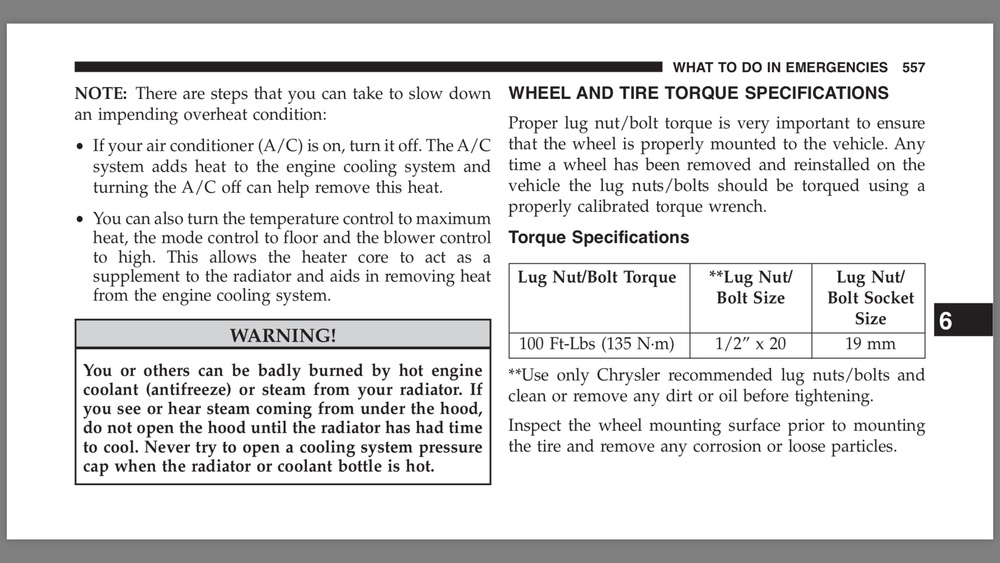
Many people believe that “tight is tight enough,” but this isn’t true. Precision matters here. Over-tightening can stretch or break wheel studs, while under-tightening risks the nuts working loose over time.
Jeep Jk Lug Nut Torque Specifications
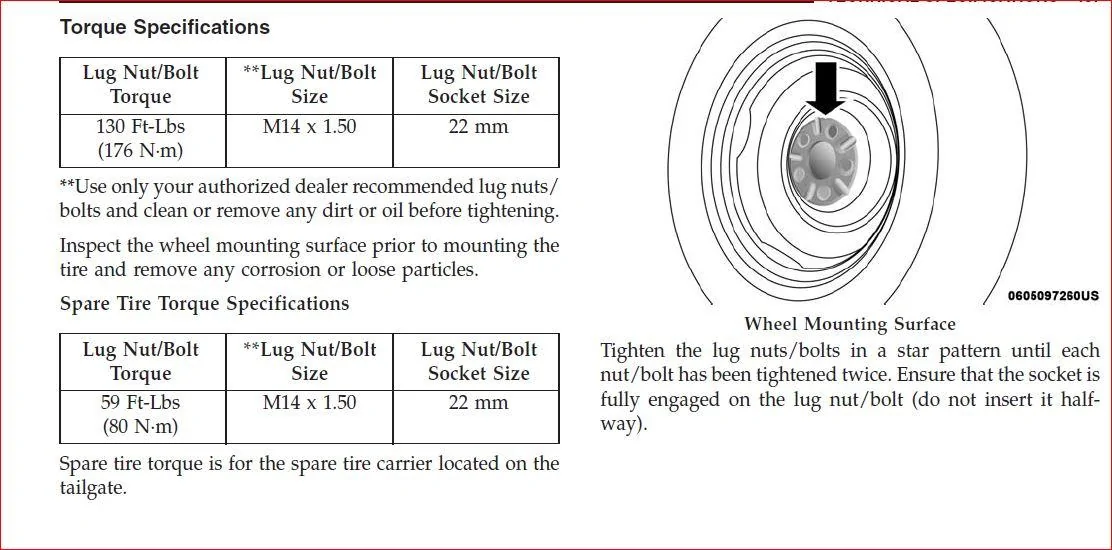
The Jeep JK (2007–2018) has a specific torque specification for its lug nuts, and using the right value is critical.
| Model Year | Lug Nut Torque (ft-lbs) |
|---|---|
| 2007–2018 | 95–115 |
Most experts recommend setting the torque at 100 ft-lbs for standard wheels. Always check your owner’s manual or the wheel manufacturer’s guide for exact numbers, especially if you have aftermarket wheels.
Metric Equivalents
If your torque wrench uses Newton meters (Nm), here’s a quick conversion:
| ft-lbs | Nm |
|---|---|
| 95 | 129 |
| 100 | 136 |
| 115 | 156 |
Using the correct units prevents over- or under-tightening. Double-check the settings before you start working.
How To Torque Jeep Jk Lug Nuts Correctly
Doing the job right involves more than just a wrench and some muscle. Here’s a clear step-by-step guide:
- Use a quality torque wrench: Cheap wrenches can give false readings.
- Tighten in a crisscross pattern: This ensures the wheel seats evenly. For five-lug wheels, follow the star pattern.
- Work in stages: First, snug each nut lightly. Then, use the torque wrench to reach about half the target value, and finally reach full torque.
- Recheck after driving: Lug nuts can settle after a short drive (25–50 miles). Retorque them to the correct value.
Example: Star Pattern For 5-lug Wheels
Imagine your wheel is a clock. Tighten the nuts at 12, 6, 3, 9, and 7 o’clock in that order. This avoids uneven pressure.
Common Mistakes And How To Avoid Them
Many owners make errors that lead to costly repairs or dangerous situations. Here are pitfalls and how to dodge them:
- Using an impact gun for final tightening: Impact tools can easily over-torque and damage studs. Use them for removal or initial snugging only.
- Ignoring retorque: New wheels or fresh installations need a recheck. Skipping this step can lead to loose wheels.
- Dirty or oily threads: Lubricated threads change friction, affecting torque. Always clean threads and nuts before installation.
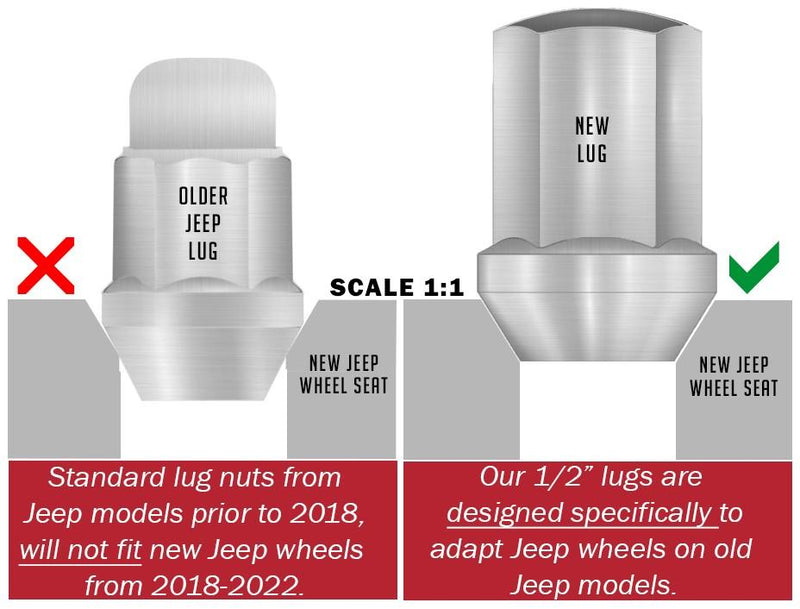
- Mixing up torque specs: Aftermarket wheels or spacers might require different torque. Always confirm before tightening.
Aftermarket Wheels And Spacers
If you use aftermarket wheels or wheel spacers, torque specs may change. Here’s a quick comparison:
| Wheel Type | Recommended Torque (ft-lbs) |
|---|---|
| OEM Steel/Aluminum | 100 |
| Aftermarket Alloy | 90–110 (check manufacturer) |
| With Spacers | Follow spacer manufacturer |
Always use the values from your wheel or spacer manufacturer. Over-torquing aftermarket wheels is a common mistake that leads to cracks or warping.
Why Torque Wrenches Make A Difference
A torque wrench isn’t just a tool for professionals. It ensures you apply the exact force needed—no guessing. Digital or click-type models are both good; just ensure yours is calibrated. A cheap, worn-out wrench can cause more harm than good.
One insight many miss: temperature can affect torque readings. If you’re working in very hot or cold weather, allow your tools to adjust to ambient temperature for the most accurate results.
The Impact On Safety And Performance
Ignoring correct lug nut torque can lead to:
- Vibration while driving
- Warped brake rotors
- Broken wheel studs
- Wheels coming off
These issues are not just annoying—they can be dangerous and expensive. Proper torque is a small investment for safety.
Real-world Tips For Jeep Jk Owners
- Record your torque routine: Write down when you last torqued your wheels. Many people forget this step.
- Carry a torque wrench: Especially useful if you off-road or change tires often.
- Check after tire rotation: Tire shops sometimes rush the job. Double-check their work.
One tip most people miss: always inspect lug nuts for wear or damage. If a nut feels odd or strips too easily, replace it immediately.
For more details and general guidance, see the Jeep official service care page.
Frequently Asked Questions
What Is The Correct Lug Nut Torque For A Jeep Jk?
The recommended value is 95–115 ft-lbs, with 100 ft-lbs being the most common setting for OEM wheels. Check your owner’s manual for your exact model.
Can I Use An Impact Gun To Torque Lug Nuts?
No. Use an impact gun only for loosening or initial tightening. Always finish tightening with a torque wrench for accuracy.
How Often Should I Check Lug Nut Torque?
Recheck after the first 25–50 miles following wheel installation or rotation. After that, check every oil change or before long trips.
Are Torque Specs Different For Aftermarket Wheels?
Yes. Aftermarket wheels or spacers may have different torque requirements. Always follow the manufacturer’s recommendation.
What Happens If I Over-torque Or Under-torque My Lug Nuts?
Over-torquing can damage wheel studs or warp rotors. Under-torquing can cause the wheel to come loose, risking an accident.
Taking time to set the right lug nut torque on your Jeep JK isn’t just a chore—it’s a key part of keeping your Jeep safe and reliable. Master this detail, and you’ll drive with more confidence on and off the road.