The Jeep Hurricane Power Wheels X6645 is more than just a toy; it's an entry point into a world of imaginative play for young adventurers. Designed to mimic the rugged appeal of its full-sized Jeep counterparts, this ride-on vehicle promises hours of outdoor fun.
It's built for children, typically within a specific age and weight range, to safely explore their surroundings, whether that's the backyard, a park path, or a sandy trail.
Understanding its features, assembly, safety aspects, and maintenance is key to unlocking its full potential and ensuring a positive experience for both the child and the parents.
This article will provide a comprehensive look at the Jeep Hurricane Power Wheels X6645, covering everything from its initial setup to its performance and long-term care.
Understanding The Jeep Hurricane Power Wheels X6645
The Jeep Hurricane Power Wheels X6645 is a popular model within the Fisher-Price Power Wheels lineup, known for its robust design and off-road styling. These ride-on vehicles are designed to give children a sense of independence and control, allowing them to “drive” their own adventures. The X6645 model specifically often features a two-seater design, making it suitable for siblings or friends to share the fun. Its electric motor, powered by a rechargeable battery, provides a safe yet exciting speed, typically around 2.5 mph in forward and reverse, with a potential for a higher speed (around 5 mph) in a high-speed lock-out mode, which is often parent-controlled.
The appeal of the Jeep Hurricane lies in its realistic details. It often includes features like dashboards with pretend controls, doors that open and close, and a roll bar for added safety and a rugged look.
The sturdy plastic construction is designed to withstand the bumps and scrapes of typical outdoor play.
Power Wheels are engineered with safety as a primary concern, incorporating features like seat belts, a high-speed lockout, and durable construction to ensure a secure ride for young drivers.
Key Features And Specifications
When considering the Jeep Hurricane Power Wheels X6645, several key features stand out. These elements contribute to its functionality, safety, and overall play value.
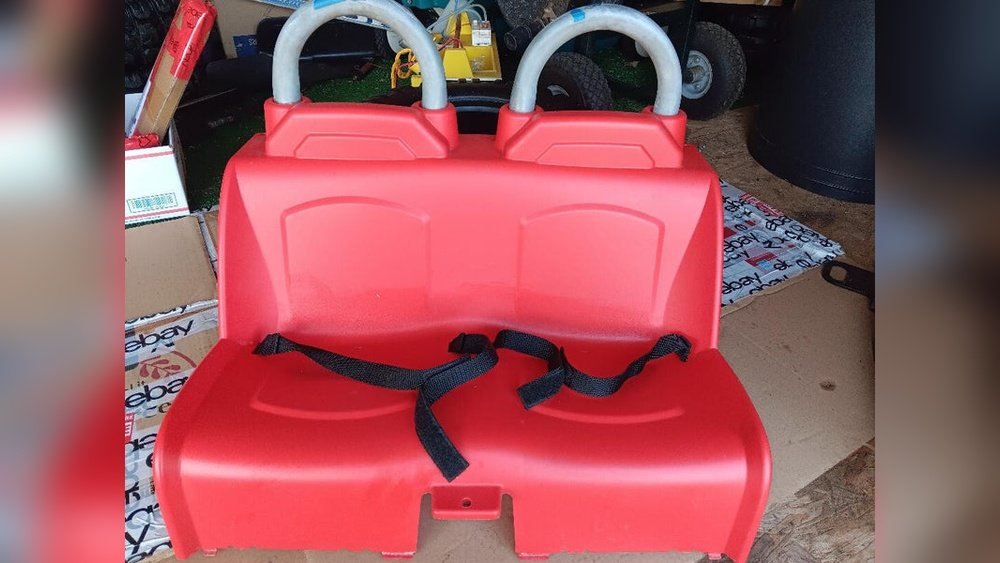
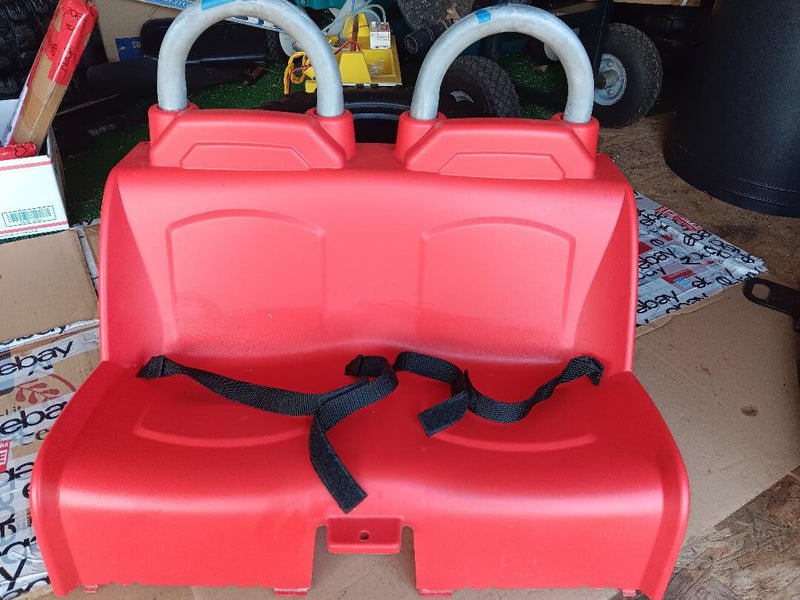
- Seating Capacity: Typically designed as a two-seater, this model allows for shared play. The seats are usually molded into the plastic body, offering a secure place for children.
- Motor and Speed: It’s powered by an electric motor, usually with a 12-volt rechargeable battery. The speed is generally controlled, with a low speed of about 2.5 mph and a higher speed of up to 5 mph. Many models include a parent-controlled high-speed lockout feature to limit the maximum speed.
- Battery Life and Charging: A full charge of the 12-volt battery typically provides 30-60 minutes of continuous playtime, depending on usage, terrain, and the child’s weight. Charging usually takes several hours (often 8-12 hours) for a full recharge.
- Drivetrain: This model is typically a rear-wheel drive vehicle, offering good traction on various surfaces like grass, pavement, and dirt.
- Construction and Durability: Made from durable plastic, the Jeep Hurricane is built to last through regular use. It often features a steel frame for added strength, particularly in the steering column and chassis.
- Safety Features: Standard safety features include seat belts, a high-speed lockout, and a sturdy roll bar. The speed is also limited to ensure it’s appropriate for young children.
- Realistic Details: The design often incorporates pretend dashboards with a steering wheel, horn, and other controls, along with doors that open, a dashboard with a windshield, and sometimes even working headlights or sound effects.
Dimensions And Weight Capacity
Understanding the physical size and weight limits of the Jeep Hurricane Power Wheels X6645 is crucial for safety and proper use. The dimensions are generally designed to be manageable for younger children to operate while still feeling substantial.
A typical Jeep Hurricane Power Wheels X6645 might measure around 45-50 inches in length, 30-35 inches in width, and 25-30 inches in height. These dimensions can vary slightly depending on the specific version or year of manufacture.
The weight capacity is a critical specification. Most 12-volt Power Wheels, especially two-seater models like the Jeep Hurricane, are designed to support a maximum weight of around 130 pounds. Exceeding this limit can strain the motor, reduce battery life, and compromise the vehicle’s performance and safety. It’s important to adhere to this limit to ensure the longevity of the toy and the safety of the children using it.
Assembly And Setup
Getting the Jeep Hurricane Power Wheels X6645 ready for its first adventure involves a straightforward assembly process. While it’s designed to be user-friendly, some steps require careful attention to ensure everything is connected correctly and safely.
What’s In The Box?
When you receive the Jeep Hurricane, the box will typically contain the main body of the vehicle, wheels, a steering wheel, a battery, a charger, and various smaller parts like seats, dashboard components, and decorative elements. You’ll also find an instruction manual which is your primary guide throughout the assembly. It’s a good idea to unpack everything and lay out all the parts before you begin, comparing them against the parts list in the manual to ensure nothing is missing.
Step-by-step Assembly Guide
The assembly process generally follows these steps:
- Attach the Wheels: The wheels are usually secured to the axles with nuts or special retaining clips. It’s important to ensure they are firmly attached and spin freely without wobbling. The manual will specify which wheel goes on which axle and how to secure them.
- Install the Steering Wheel and Dashboard: The steering wheel typically connects to a steering column that passes through the dashboard. This often involves simple snap-in mechanisms or screws. Ensure the steering wheel is securely fastened and can turn the front wheels properly.
- Connect the Battery: The battery is usually located under a seat or a hood panel. It will have a connector that needs to be plugged into a corresponding socket on the vehicle’s wiring harness. Make sure the battery is fully charged before the first use, as recommended in the manual.
- Attach Seats and Other Components: The seats, roll bar, and any decorative panels or decals are usually attached with screws or snap-fit components. Follow the diagrams in the manual precisely to ensure these parts are installed in the correct orientation.
- Wiring Connections: For models with lights or sound features, there might be a few simple wire connections to make. These are typically color-coded or have unique connectors to prevent incorrect assembly.
Initial Battery Charging
Before the first drive, fully charge the battery. The charger usually has an indicator light that shows when the battery is charging and when it’s fully charged. This initial charge is crucial for establishing the battery’s optimal performance and lifespan. A typical charge time is 8-12 hours. Avoid overcharging beyond the recommended time, as this can sometimes degrade the battery over time.
Safety First: Ensuring A Secure Ride
Safety is paramount when it comes to ride-on toys. The Jeep Hurricane Power Wheels X6645 is designed with several safety features, but parental supervision and responsible use are essential to prevent accidents.
Essential Safety Features Explained
- Speed Lockout: Many Power Wheels models, including the Jeep Hurricane, come with a parent-controlled speed lockout. This feature typically limits the vehicle to a slower speed (around 2.5 mph), which is ideal for younger children or beginners. The higher speed (around 5 mph) is usually engaged by a separate switch or by removing a plastic “key” or “gear shift,” which parents can control.
- Seat Belts: The vehicle is equipped with seat belts for each occupant. These should always be used during operation. Teach your child to buckle up just as they would in a real car.
- Roll Bar: The prominent roll bar is not just for aesthetics; it provides a degree of protection in case the vehicle tips over, although it’s important to remember that these are low-speed vehicles, and tipping is uncommon on flat surfaces.
- Durable Construction: The sturdy plastic body and steel frame are designed to withstand normal use and provide a safe enclosure for the child.
Parental Supervision And Safe Operation Practices
- Constant Supervision: Never leave a child unattended while they are operating the Power Wheels. Always remain within sight and earshot.
- Safe Play Areas: Operate the Jeep Hurricane only on flat, smooth, and safe surfaces. Avoid operating near roads, swimming pools, steep inclines, or areas with heavy traffic. Grass, pavement, and packed dirt are generally suitable.
- Teach Traffic Rules: Even though it’s a toy, teach your child basic rules like looking before turning, stopping at imaginary stop signs, and yielding to others.
- Weight Limit Adherence: Strictly enforce the 130-pound weight limit. Overloading the vehicle can lead to mechanical failure and safety hazards.
- Check Before Each Use: Before each play session, do a quick check of the wheels, steering, battery connection, and seat belts to ensure everything is in good working order.
- Appropriate Attire: Ensure your child wears appropriate clothing that won’t get caught in the wheels or mechanism. Closed-toe shoes are recommended.
Understanding Battery Safety
The rechargeable battery is a key component, and it’s important to handle it safely.
- Charging: Always use the original charger provided with the Power Wheels. Never attempt to use a different charger, as it could damage the battery or pose a fire risk.
- Storage: Store the battery in a cool, dry place, away from direct sunlight or extreme temperatures.
- Disposal: Batteries contain chemicals and should be disposed of properly according to local regulations. Do not throw them in regular household trash.
Performance And Play Experience
The Jeep Hurricane Power Wheels X6645 is designed to deliver a fun and engaging play experience for children. Its performance characteristics are tailored for safe, enjoyable outdoor activity.
Driving On Different Terrains
The Jeep Hurricane is generally best suited for hard, flat surfaces like pavement and concrete. It can also handle short grass reasonably well, especially when the battery is fully charged and the terrain is relatively smooth. However, performance may decrease on thicker, longer grass or uneven surfaces.
- Pavement/Concrete: Offers the best performance with smooth acceleration and consistent speed.
- Short Grass: Provides decent traction, but the vehicle might slow down on inclines or thicker patches.
- Dirt/Gravel: Can be driven on packed dirt or smooth gravel, but traction might be reduced, and the ride could be bumpier.
- Sand: Not ideal. Sand can get into the gears and motor, and traction is usually poor, leading to the vehicle getting stuck easily.
Battery Life And Range
The 12-volt battery is the heart of the Power Wheels. As mentioned, a full charge typically yields between 30 to 60 minutes of continuous play. This duration is influenced by several factors:
- Child’s Weight: Heavier children will drain the battery faster.
- Terrain: Driving on grass or inclines requires more power than smooth pavement.
- Speed: Using the higher speed setting will consume battery power more quickly.
- Frequent Starts and Stops: Constant acceleration and braking can use more energy.
The "range" of the vehicle is dictated by its battery life and speed. At 2.
5 mph, a child could cover approximately 1. 25 to 2.
5 miles on a single charge. At 5 mph, this could extend to 2.
5 to 5 miles. However, these are theoretical maximums; real-world usage will likely be less.
Steering And Handling
The steering system on Power Wheels is typically designed for ease of use by young children. It usually involves a simple rack-and-pinion style steering mechanism connected directly to the front wheels. While responsive enough for play, it doesn’t offer the precision of a real car. The turning radius is generally quite wide, meaning children will need ample space to maneuver.
The vehicle's handling is predictable on flat surfaces. Due to its low center of gravity and relatively wide wheelbase, it's quite stable.
However, sharp turns at higher speeds, especially on uneven surfaces, can lead to a loss of traction or even a tip-over, underscoring the importance of safe driving areas and supervision.
What To Expect During Play
Children often find the experience of driving their own Jeep Hurricane incredibly empowering. The ability to control speed (within limits), steer, and move around independently is a significant part of the appeal.
The realistic details, like the dashboard and horn, add to the immersive play.
- Learning Curve: Most children pick up on the controls quickly. The forward/reverse shifter and the foot pedal accelerator are intuitive.
- Fun Factor: The sheer joy of “driving” and exploring is the main draw. It encourages outdoor activity and imaginative play.
- Parental Involvement: Parents often find joy in watching their children explore and may even participate by walking alongside or guiding them.
Maintenance And Troubleshooting
Proper maintenance of the Jeep Hurricane Power Wheels X6645 will ensure it remains in good working condition for a long time, providing many hours of fun.
Routine Care And Cleaning
- Cleaning: After each use, especially if driven on dirt or grass, wipe down the vehicle with a damp cloth. For tougher dirt, a mild soap and water solution can be used, but avoid harsh chemicals or abrasive cleaners that could damage the plastic. Ensure all water is dried off afterward.
- Storage: When not in use, store the Power Wheels in a dry, sheltered location, such as a garage or shed. Direct exposure to sunlight can fade the plastic over time, and prolonged exposure to rain or snow can damage electrical components and the battery.
- Battery Care:
- Recharge After Use: Always recharge the battery after each play session.
- Avoid Deep Discharge: Do not let the battery sit completely discharged for extended periods.
- Seasonal Storage: If storing the Power Wheels for an extended period (e.g., over winter), charge the battery fully before storage. It’s also a good idea to recharge it every 1-2 months during storage to maintain battery health.
Common Issues And How To Fix Them
- Vehicle Won’t Move:
- Check Battery Charge: The most common reason is a dead or low battery. Ensure it’s fully charged.
- Check Connections: Verify that the battery is securely connected to the wiring harness.
- Check Motor Brushes: Over time,



















