When you drive a Jeep, you notice many symbols on the dashboard. Some are easy to understand, while others look confusing.
One important area is the headlight symbols. These small icons tell you about your lights—what is on, what is off, and if something needs your attention.
Understanding these symbols is not only useful but can also keep you safe on the road. Let’s explore what these Jeep headlight symbols mean, how to recognize them, and what you should do if they appear.
Why Jeep Headlight Symbols Matter
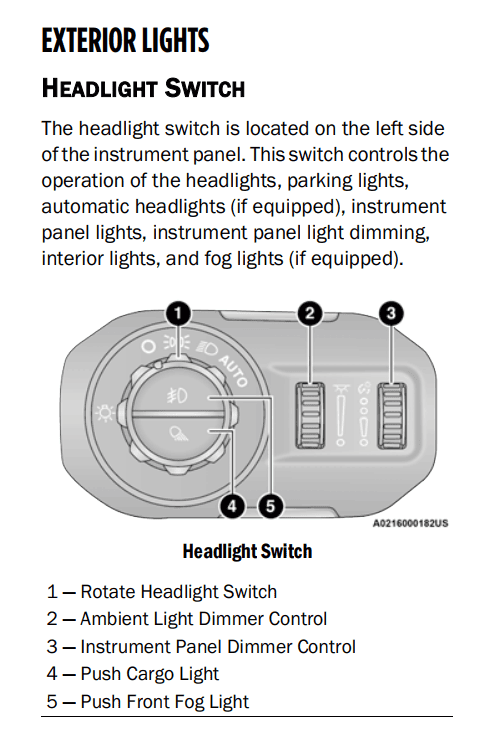
Headlights are not just for seeing in the dark. They are about visibility and safety. Knowing what each dashboard symbol means can help you avoid fines, reduce accidents, and maintain your Jeep in good condition. Sometimes, a symbol may point to a faulty light or a bigger electrical problem. Ignoring these warnings can lead to expensive repairs or unsafe driving situations.
The Most Common Jeep Headlight Symbols
Jeep vehicles use standard international symbols for most functions, but some models add unique touches. Here are the most common headlight-related symbols you will see:
- Low Beam Headlights: This looks like a headlamp with light rays pointing down and to the left. It tells you your regular headlights are on.
- High Beam Headlights: A similar headlamp icon, but with straight lines pointing forward. This means your high beams are active.
- Automatic Headlights: Usually a headlamp with an “A” inside. It shows that your lights will turn on or off based on outside light.
- Fog Lights (Front): A headlamp with a wavy horizontal line and three rays angled down. It means your front fog lights are on.
- Fog Lights (Rear): A headlamp with a vertical line and three rays pointing to the left. It indicates rear fog lights are active.
- Parking Lights: Two small lights on either side of a car icon. Shows that your parking lights are on.
- Daytime Running Lights (DRL): Usually a headlamp with “DRL” or a sun-like shape. These lights are on whenever the vehicle is running for visibility, not for seeing ahead at night.
Here is a quick comparison of these symbols:
| Symbol | Meaning | When It Appears |
|---|---|---|
| Low Beam | Regular headlights on | Night driving, tunnels |
| High Beam | Brightest headlights on | Open highways, dark roads |
| Auto Headlights | Automatic light control | Auto mode, dusk/dawn |
| Front Fog | Front fog lights on | Foggy/rainy weather |
| Rear Fog | Rear fog lights on | Heavy fog |
| Parking Lights | Side marker lights on | Parked, low-light areas |
| DRL | Daytime running lights | Vehicle running |
What Each Symbol Means For Your Driving
Knowing the symbols is only half the story. It’s just as important to know when and why to use each headlight function.
Low Beam Headlights
You should use low beams during normal night driving or in bad weather. They give enough light for you to see without blinding other drivers. In most places, it’s the law to use low beams after sunset.
High Beam Headlights
High beams are much brighter and can help on rural roads or highways without streetlights. But they can easily dazzle oncoming drivers.
Always switch back to low beams when you see another vehicle approaching. Also, avoid using high beams in fog or heavy rain—they reflect off the moisture and make it harder to see.
Automatic Headlights
Modern Jeeps often have automatic headlight features. These use sensors to detect darkness or tunnels and turn your lights on or off. This helps people who forget to switch on their lights at dusk or in poor weather. However, sometimes the sensors may not detect fog or heavy rain, so keep an eye on the symbol and use manual controls when needed.
Fog Lights
Fog lights are designed for poor visibility situations like fog, snow, or heavy rain. They are mounted low and spread light wide but not far, reducing glare.
Only use fog lights when needed, as they can dazzle other drivers if used in clear conditions.
Parking Lights
These lights are for when you park on a narrow street at night. They make your Jeep more visible to other vehicles.
They are not bright enough for driving, so never use them as your main lights.
Daytime Running Lights
DRLs are always on when your Jeep is running. Their main purpose is to make your vehicle easier to see during the day. They are not a substitute for low beams at night or in poor weather.
Less Common Jeep Headlight Symbols
Besides the basics, some Jeep models have extra symbols or warning lights related to the headlights. Here are a few you might see:
- Headlight Out Warning: A headlamp with an exclamation mark or an X. This means a bulb has burned out.
- Adaptive Headlight Symbol: Looks like a headlamp with arrows, showing your headlights can turn as you steer.
- Leveling System Warning: A symbol with arrows and a headlamp, warning of a problem with the headlight leveling system.
- Auto High Beam Indicator: A high beam icon with an “A”, showing the auto high beam system is active.
These advanced features are more common in newer Jeeps or higher trim levels. If you see an unfamiliar symbol, check your owner’s manual for a description.

What To Do When A Headlight Symbol Lights Up
When you see a headlight symbol, take a moment to check what it means. Here are some smart steps to follow:
- Identify the Symbol: Is it a normal indicator, or a warning?
- Check Your Lights: Walk around your Jeep and see if all lights are working.
- Use Manual Controls: If your auto lights don’t turn on in bad weather, switch them on yourself.
- Replace Burnt Bulbs: If a warning shows a bulb is out, replace it soon. Driving with a faulty headlight is unsafe and often illegal.
- Visit a Mechanic: If a symbol suggests an electrical or adaptive headlight problem, let a professional check it.
Many new Jeep models provide messages on the screen to help you understand what’s wrong. However, symbols alone are sometimes the only clue.
Jeep Headlight Symbols Vs. Other Car Brands
While Jeep uses standard symbols, there are slight differences across brands. Here’s a quick look at how Jeep compares to other popular automakers:
| Feature | Jeep | Toyota | Ford | Honda |
|---|---|---|---|---|
| Low Beam Icon | Standard | Standard | Standard | Standard |
| Adaptive Headlights | Some models | Some models | Some models | Rare |
| Auto High Beam Symbol | Common | Common | Common | Some models |
| DRL Indicator | On most models | On most models | On most models | On most models |
| Custom Icons | Possible | Rare | Rare | Rare |
The differences are usually small, but Jeep sometimes adds off-road or model-specific lighting symbols, especially on the Wrangler or Grand Cherokee.
Tips For Understanding And Using Jeep Headlight Symbols
Many drivers make simple mistakes with their headlight controls. Here are practical tips for using your Jeep’s headlights correctly:
- Learn Your Dashboard: Take a few minutes to study your Jeep’s dashboard, especially if it’s a new model.
- Know the Law: In some states, you must turn on headlights in rain, fog, or when using windshield wipers.
- Use Auto Mode Wisely: Don’t rely only on auto headlights. They may not always detect poor visibility.
- Don’t Ignore Warnings: If a symbol flashes or stays on, check your lights right away.
- Upgrade Bulbs Carefully: If you switch to LED or HID bulbs, make sure they’re compatible, or you may get false warnings.
- Understand Model Differences: Some Jeep trims or years have unique symbols. Always check your owner’s manual for details.
Non-obvious Insights Most Jeep Owners Miss
- Faulty Headlight Sensors Can Cause False Warnings: Sometimes a headlight warning symbol appears even when all bulbs are working. This could be due to a faulty sensor or wiring issue, especially after a bulb upgrade or off-road driving.
- Adaptive Lighting Features Need Calibration: If your Jeep has adaptive or auto-leveling headlights, they may need recalibration after certain repairs or even after off-road bumps. Ignoring calibration warnings can reduce visibility or blind other drivers.
- Symbols Can Be Dimmed or Hidden: Some dashboard settings allow you to lower the brightness of symbols. If a symbol seems missing, check your dashboard light settings before worrying about an electrical problem.

How To Find Symbol Meanings For Your Jeep Model
Every Jeep owner’s manual has a section about dashboard symbols. But sometimes, manuals get lost or are hard to read. Here’s what you can do:
- Check the glovebox for a printed guide.
- Visit the Jeep official website for digital manuals.
- Use online forums—Jeep owners often share clear images of dashboard icons.
- Ask your dealer during regular maintenance.
For a reliable online resource, you can visit Wikipedia’s Automotive Lighting page.
Frequently Asked Questions
What Should I Do If A Headlight Warning Symbol Appears While Driving?
If a headlight warning appears, safely pull over when possible. Check all headlights, taillights, and fog lights. If you cannot find a problem or the symbol stays on, visit a mechanic soon.
Can I Drive At Night If My Drl Symbol Is On?
Daytime running lights (DRLs) are not bright enough for night driving. Always use your low beam headlights after sunset or in poor visibility, even if the DRL symbol is on.
Are Jeep Headlight Symbols The Same In All Models?
Most symbols are standard, but some Jeep models—especially newer ones—have extra symbols for features like adaptive headlights or off-road lighting. Always check your specific model’s manual.
Why Does My Auto Headlight Symbol Sometimes Not Turn On In Foggy Weather?
Auto headlights use sensors that detect darkness, not fog or rain. In foggy weather, the system may not activate. You should manually switch on your headlights for better visibility.
What Does It Mean If My Fog Light Symbol Is Blinking?
A blinking fog light symbol can mean a problem with the fog light circuit, such as a loose wire or failing bulb. It’s best to have your Jeep checked by a professional if this happens.
Understanding Jeep headlight symbols keeps you safer and helps you enjoy your Jeep with fewer surprises. Next time a symbol lights up, you’ll know exactly what it means and what to do. Safe driving!