When your Jeep's headlights suddenly stop working, or behave erratically, it can be a frustrating and even dangerous situation. A Jeep headlight switch problem can manifest in various ways: headlights not turning on at all, flickering, only one headlight working, or the high beams refusing to engage.
These issues can stem from a faulty switch, wiring problems, or even issues with other related components. Diagnosing and fixing these problems is crucial for your safety and the safety of others on the road.
This guide will walk you through common Jeep headlight switch issues, how to identify them, and the steps you can take to fix them, ranging from simple checks to more involved repairs.
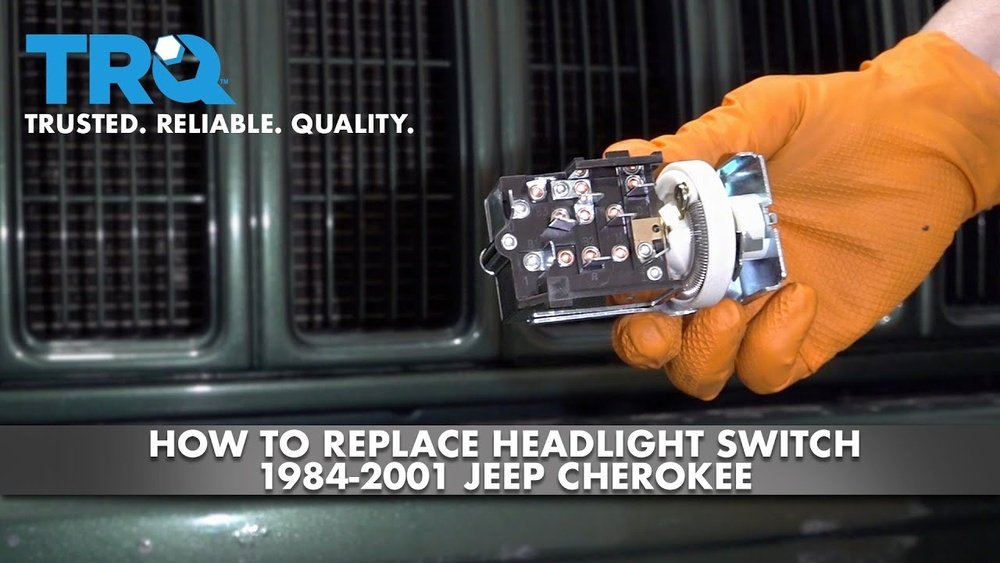
Understanding The Jeep Headlight Switch System
The headlight switch in your Jeep is more than just a simple on/off button. It’s an integrated part of your vehicle’s electrical system, controlling not only your headlights but often also your parking lights, dashboard illumination, and sometimes even fog lights.
When you turn the switch, it sends electrical signals through a complex network of wires to activate different lighting circuits.
The switch itself is typically a rotary or push-button type, often located on the dashboard or steering column. Inside, it contains contacts that close or open circuits depending on the position of the knob or button.
For example, turning the knob to the first position might activate the parking lights, while turning it further activates the low beams, and a separate pull or click might engage the high beams.
A common point of failure is the internal contacts within the switch. Over time, these contacts can become worn, corroded, or burnt, leading to poor electrical connections.
This can result in intermittent operation or a complete failure of the lighting system.
Additionally, the wiring connected to the switch can become damaged, loose, or corroded, disrupting the flow of electricity.
Common Jeep Headlight Switch Problems And Symptoms
Several issues can arise with your Jeep’s headlight switch. Recognizing the symptoms is the first step toward a solution.
- Headlights Not Turning On: This is the most obvious symptom. You flip the switch, and nothing happens. This could mean a complete failure of the switch, a blown fuse, or a problem with the headlight bulbs themselves. However, if other lights (like parking lights or dashboard lights) work when the switch is in their respective positions, the issue is more likely with the headlight circuit specifically, pointing towards the switch or its wiring.
- Flickering Headlights: If your headlights flicker or dim intermittently, it often points to a loose connection. This could be at the switch, in the wiring harness, or even at the headlight bulb socket. A worn-out switch with dirty or damaged internal contacts can also cause this symptom as the connection is made and broken erratically.
- Only One Headlight Working: This usually indicates a problem with the wiring or the bulb on the side that isn’t working. However, if both bulbs are known to be good, and the issue persists, it could suggest a fault within the switch that’s only allowing power to one side of the circuit, or a break in the wiring specific to one headlight.
- High Beams Not Working: The high beam function often uses a separate circuit or a different set of contacts within the headlight switch, sometimes activated by pulling the switch out or pushing a stalk. If your low beams work but high beams don’t, the problem could be with the high beam contacts in the switch, the high beam relay, or the high beam bulbs.
- Dashboard Lights or Parking Lights Not Working: While the primary function is headlights, the switch often controls other lights. If these related systems fail simultaneously with headlight issues, it strongly suggests a problem with the headlight switch itself or its main power feed.

Diagnosing The Jeep Headlight Switch Problem
Before you start replacing parts, it’s essential to diagnose the problem accurately. This will save you time and money.
1. Check The Fuses
The simplest explanation is often a blown fuse. Your Jeep has a fuse box (or sometimes multiple) that protects various electrical circuits, including the headlights.
- Location: Consult your owner’s manual to find the location of the fuse box(es) and the specific fuse(s) related to your headlights. It’s often under the dashboard or in the engine bay.
- Inspection: Once you’ve located the correct fuse, carefully pull it out. Hold it up to the light. If the metal filament inside the fuse is broken or looks burnt, the fuse is blown and needs to be replaced.
- Replacement: Always replace a blown fuse with a new one of the exact same amperage rating. Using a fuse with a higher rating can damage the wiring or other components. If the new fuse blows immediately, it indicates a short circuit or a more significant electrical problem that needs further investigation.
2. Inspect The Headlight Bulbs
While less likely to cause a switch-related issue, it’s always worth checking the bulbs, especially if only one headlight is out or if both have failed simultaneously.
- Visual Check: Sometimes, you can visually inspect the bulb filament through the glass. If it looks broken or burnt, the bulb is dead.
- Swap Test: If you suspect a bulb, you can try swapping a known working bulb from the opposite side into the non-working socket. If the problem follows the bulb, you’ve found your culprit.
- Replacement: Ensure you purchase the correct type of headlight bulb for your specific Jeep model.
3. Test The Headlight Switch
This requires a bit more technical know-how and a multimeter.
- Accessing the Switch: You’ll need to access the back of the headlight switch. This often involves removing dashboard trim panels. Be gentle to avoid breaking plastic clips. Your owner’s manual or a repair manual specific to your Jeep model can provide guidance on how to remove these panels.
- Using a Multimeter: A multimeter is a tool that measures voltage, resistance, and current.
- Voltage Test: With the key in the ‘ON’ position, you can test for power coming into the switch. You’ll need to identify the input wire (usually the thickest one or consult a wiring diagram). If you’re not getting power to the switch, the problem lies further up the electrical chain (fuse, relay, or wiring).
- Continuity Test: With the battery disconnected and the switch removed from the vehicle, you can test for continuity between the terminals. Continuity means electricity can flow through. As you move the switch through its different positions, you should see the continuity change between different terminals, corresponding to the circuits it controls (parking lights, low beams, high beams). If you don’t get continuity where you expect it, or if you get continuity when you shouldn’t, the switch is likely faulty.
- Wiring Diagram: Having a wiring diagram for your specific Jeep model is invaluable for identifying the correct wires and understanding how the switch should function. You can often find these in repair manuals or online.
4. Examine The Wiring Harness
The wires connecting the switch, fuses, relays, and headlights can become damaged over time.
- Visual Inspection: Look for any signs of damage, such as frayed wires, melted insulation, or corroded connectors. Pay close attention to areas where wires bend or are subject to vibration.
- Loose Connections: Ensure all connectors are securely plugged in. Sometimes, a connector can simply work its way loose.
- Corrosion: Corrosion, especially in humid or salty environments, can build up on terminals and prevent electrical flow. Clean any corroded terminals with a wire brush or electrical contact cleaner.
5. Check Relays And Modules
Some Jeeps use relays or control modules to manage the headlight circuits.
- Headlight Relay: Many vehicles use a relay to switch the high current needed for headlights. If your relay is faulty, the headlights won’t work. You can often test a relay by swapping it with an identical relay for a non-essential system (like the horn or fog lights, if they use the same type of relay). If the headlights start working, you’ve found the faulty relay.
- Body Control Module (BCM): In more modern Jeeps, the headlight functions might be controlled by a BCM. If the BCM fails or has a software issue, it can cause various electrical problems, including headlight malfunctions. Diagnosing BCM issues is typically more complex and may require specialized diagnostic tools.
Fixing The Jeep Headlight Switch Problem
Once you’ve identified the cause, you can proceed with the repair.
Replacing The Headlight Switch
If your diagnosis points to a faulty headlight switch, replacement is usually the solution.
- Disconnect the Battery: Safety first! Always disconnect the negative battery terminal before working on electrical components to prevent short circuits and potential injury.
- Access the Switch: Remove the dashboard trim panels to gain access to the back of the switch. Refer to your Jeep’s repair manual for specific instructions on panel removal.
- Remove the Old Switch: There are typically a few screws or clips holding the switch in place. Once these are released, you can pull the switch out. Disconnect the wiring harness connector(s) from the back of the switch.
- Connect the New Switch: Plug the wiring harness connector(s) into the new headlight switch.
- Install the New Switch: Secure the new switch into its mounting location.
- Reassemble Trim Panels: Reinstall any dashboard trim panels you removed.
- Reconnect the Battery: Reconnect the negative battery terminal.
- Test: Turn on your Jeep and test all functions of the new headlight switch (parking lights, low beams, high beams, and any other controlled functions).
Pro Tip: When purchasing a replacement switch, ensure it’s compatible with your exact Jeep model, year, and trim level. Using an incorrect part can lead to further issues.
Repairing Wiring Issues
If you found damaged or corroded wiring:
- Identify the Damaged Section: Pinpoint the exact location of the break, fraying, or corrosion.
- Repair or Replace:
- Minor Damage: For small frays or nicks, you can often repair the wire using high-quality electrical tape or heat-shrink tubing after cleaning the exposed copper.
- Corrosion: Clean corroded terminals thoroughly with a wire brush and electrical contact cleaner. Apply dielectric grease to prevent future corrosion.
- Broken Wires: For broken wires, you’ll need to splice in a new section of wire of the same gauge. Use appropriate crimp connectors or solder the connection and cover it with heat-shrink tubing for a durable and weather-resistant repair.
- Test: After repairing the wiring, reconnect the battery and test the headlight system thoroughly.
Replacing A Faulty Relay
If a relay was identified as the cause:
- Locate the Relay: Find the headlight relay in your Jeep’s fuse box. Your owner’s manual will show its location and labeling.
- Remove the Old Relay: Relays usually pull straight out. Sometimes they can be a bit stiff.
- Install the New Relay: Push the new relay firmly into the socket.
- Test: Turn on your headlights to confirm the repair.

When To Seek Professional Help
While many headlight switch problems can be diagnosed and fixed by a DIYer with basic tools and knowledge, some situations warrant professional attention.
- Complex Electrical Systems: If your Jeep has a highly complex electrical system, features like automatic headlights, or a sophisticated BCM, diagnosing issues can be challenging.
- Lack of Tools or Confidence: If you don’t have a multimeter, a wiring diagram, or the confidence to work on your vehicle’s electrical system, it’s best to take it to a qualified mechanic.
- Repeated Fuse Blowing: If a new fuse blows immediately after installation, it indicates a short circuit that could potentially cause further damage if not addressed correctly.
- Persistent Problems: If you’ve tried the basic troubleshooting steps and the problem persists, a professional mechanic has specialized diagnostic equipment and expertise to identify and resolve more obscure issues.
Maintaining Your Jeep’s Lighting System
Regular maintenance can help prevent future headlight switch problems.
- Regular Inspections: Periodically check your headlights, taillights, and other exterior lights to ensure they are all functioning correctly.
- Clean Connections: If you’re doing other under-hood maintenance, take a moment to inspect electrical connectors for signs of corrosion and clean them if necessary.
- Address Minor Issues Promptly: Don’t ignore flickering lights or occasional glitches. Addressing small problems early can prevent them from escalating into larger, more costly repairs.
- Use Quality Replacement Parts: When replacing bulbs, fuses, or switches, opt for reputable brands. Cheap, low-quality parts are more likely to fail prematurely.
A functioning headlight system is non-negotiable for safe driving. By understanding the common causes of Jeep headlight switch problems and following a systematic approach to diagnosis and repair, you can keep your Jeep’s lights shining bright and ensure your journeys are safe, day or night.

Frequently Asked Questions
What Is The Most Common Cause Of Jeep Headlights Not Working?
The most common causes are usually simple: a blown fuse or a burnt-out headlight bulb. However, if these are ruled out, a faulty headlight switch or issues with the wiring harness become the next most likely culprits.
How Can I Test My Jeep’s Headlight Switch Without A Multimeter?
Testing a headlight switch accurately without a multimeter is difficult and not recommended for complex systems. Visually inspecting the switch for obvious damage or signs of burning might offer clues.
Sometimes, if the switch feels loose, sticky, or makes unusual noises when operated, it might indicate internal wear.
However, a definitive test requires measuring voltage and continuity, which a multimeter provides.
Can A Bad Headlight Switch Affect Other Electrical Components?
Yes, a failing headlight switch can sometimes affect other components, especially if it’s causing a short circuit or drawing excessive power. This could manifest as dimming dashboard lights, issues with turn signals, or even problems with other accessories that share a common ground or power source.
In some cases, a faulty switch might trip other fuses in the vehicle’s electrical system.
How Much Does It Typically Cost To Fix A Jeep Headlight Switch Problem?
The cost varies significantly depending on the cause. Replacing a blown fuse is usually very inexpensive, often just the cost of the fuse itself ($1-$5).
Replacing a headlight bulb might cost $20-$50 for the bulb, plus labor if you have a mechanic do it.
Replacing the headlight switch itself can range from $50-$200 for the part, plus $50-$150 for labor, depending on the complexity of accessing the switch on your specific Jeep model. If the issue is with the wiring harness or a control module, the cost can be considerably higher, potentially running into hundreds or even thousands of dollars for complex module replacements.



















