The Jeep headlight bulb size chart is a crucial piece of information for any Jeep owner. Keeping your headlights in top condition is not just about looks; it's about safety on the road.
Your headlights allow you to see clearly at night and in bad weather, and they also make sure other drivers can see you.
When a bulb burns out, or when you want to upgrade to brighter or more efficient lights, knowing the correct bulb size for your specific Jeep model and year is essential.
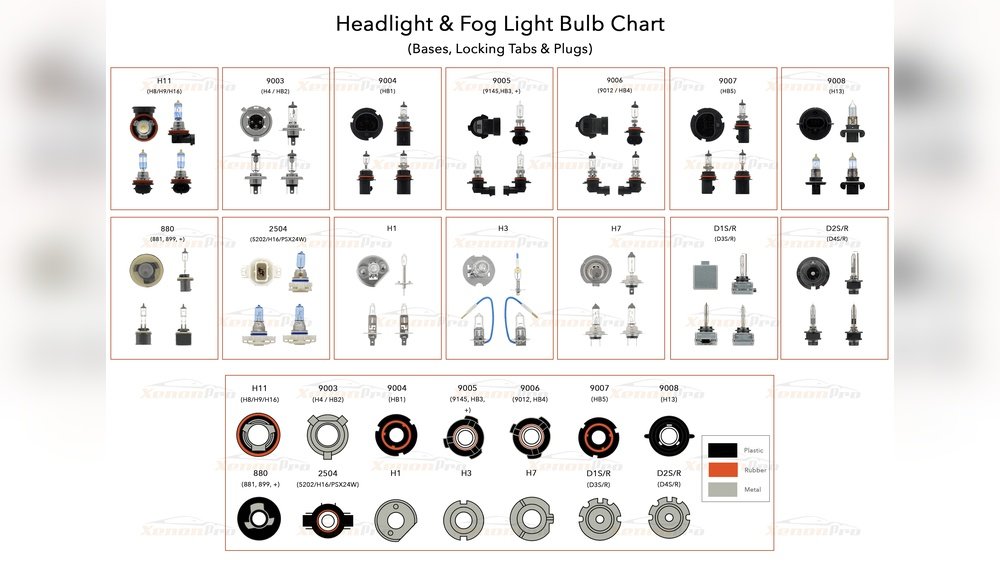
This guide will help you understand how to find the right headlight bulbs for your Jeep, what factors to consider, and where to look for reliable information.
Understanding Jeep Headlight Bulb Types
Before diving into specific sizes, it’s helpful to understand the common types of headlight bulbs used in Jeeps and other vehicles. Each type has its own characteristics regarding brightness, lifespan, and cost.
Halogen Bulbs
Halogen bulbs are the most common type found in vehicles, including many Jeeps. They work by passing electricity through a tungsten filament, which heats up and emits light. Halogen bulbs are filled with halogen gas, which helps to prolong the filament’s life and improve light output compared to older incandescent bulbs.
- Pros: Inexpensive to purchase, widely available, and easy to replace. They offer a decent amount of light for everyday driving.
- Cons: Shorter lifespan compared to other types, less bright than HID or LED options, and they generate a significant amount of heat.
High-intensity Discharge (hid) Bulbs
HID bulbs, also known as xenon bulbs, produce light by creating an electric arc through xenon gas. This process generates a much brighter light than halogen bulbs. HID systems require a ballast to regulate the electrical current.
- Pros: Significantly brighter than halogen bulbs, providing better visibility. They have a longer lifespan and are more energy-efficient than halogens. The light produced is often a cooler, whiter color.
- Cons: More expensive than halogen bulbs, installation can be more complex due to the ballast, and some aftermarket HID kits can cause glare for other drivers if not properly aimed.
Light Emitting Diode (led) Bulbs
LED bulbs are becoming increasingly popular in modern vehicles, and many Jeep owners opt for LED upgrades. LEDs produce light using semiconductor devices. They are known for their longevity, energy efficiency, and bright, crisp light.
- Pros: Extremely long lifespan, very energy-efficient, produce bright and clear light, and turn on instantly with no warm-up time. They also generate less heat than halogen bulbs.
- Cons: Higher initial cost compared to halogen bulbs. While many LED bulbs are designed to fit standard housings, some may require minor modifications or specific mounting brackets. Quality can vary significantly between brands.
Why The Correct Bulb Size Matters
Using the wrong headlight bulb size in your Jeep can lead to several problems, ranging from poor lighting to potential legal issues.
Safety And Visibility
The primary function of headlights is to illuminate the road ahead, allowing you to see obstacles, road signs, and other vehicles. If you install a bulb with the wrong size or type, it might not fit correctly in the headlight housing. This can result in:
- Poor light pattern: The light might not be focused correctly, creating dark spots or blinding glare for oncoming drivers.
- Reduced illumination: An incorrectly sized bulb might not project light as effectively as the original, reducing your visibility and increasing the risk of accidents.
- Damage to housing: Forcing an ill-fitting bulb can damage the headlight assembly, leading to costly repairs.
Legal Compliance
Most regions have regulations regarding vehicle lighting. Using headlights that are too bright, improperly aimed, or of an incorrect type can lead to tickets or failing vehicle inspections. Ensuring you use the manufacturer-recommended bulb size is the safest way to stay compliant.
Preventing Damage To Electrical Systems
While less common with modern vehicles, installing bulbs with significantly different power requirements than what the Jeep’s electrical system is designed for could, in rare cases, strain the wiring or fuses. Always stick to recommended specifications or bulbs designed as direct replacements.
How To Find Your Jeep’s Headlight Bulb Size
There are several reliable ways to determine the correct headlight bulb size for your specific Jeep model, year, and trim level.
Consult Your Owner’s Manual
The most accurate and straightforward method is to check your Jeep owner’s manual. This document is specifically designed for your vehicle and contains detailed information on all its components, including the correct bulb types and sizes for headlights, taillights, and interior lights. Look in the sections related to maintenance, specifications, or lighting.
Online Bulb Finder Tools
Many automotive parts retailers and bulb manufacturers offer online bulb finder tools. These tools are very user-friendly:
- You enter your Jeep’s Year, Make, and Model.
- Sometimes, you’ll need to specify the Trim Level (e.g., Sport, Sahara, Rubicon, Limited).
- The tool will then display a list of compatible bulb sizes for your vehicle’s headlights (low beam, high beam) and other lighting components.
These tools are generally reliable, but it’s always a good idea to cross-reference the information if possible.
Vehicle Identification Number (vin) Decoder
While a VIN decoder primarily provides information about your vehicle’s manufacturing and original specifications, some advanced VIN decoders or services that use VINs can sometimes provide details on parts, including bulb types. However, this is less common for specific bulb sizes than for major components.
Inspecting Existing Bulbs
If you have access to your Jeep’s headlights, you can often find the bulb size designation printed directly on the bulb’s base or its plastic housing.
- Access the bulb: This usually involves opening the hood and locating the back of the headlight assembly. Some Jeep models might require removing a grille or other components for full access.
- Remove the bulb: Twist or unclip the bulb holder and carefully pull the bulb out.
- Read the markings: Look for numbers and letters printed on the metal or plastic part of the bulb. Common halogen bulb sizes include H4, H7, H11, 9005 (HB3), and 9006 (HB4). LED and HID bulbs will have their own specific designations.
This method is direct but requires a bit of mechanical inclination. Pro Tip: Take a clear photo of the bulb markings with your phone so you don’t have to remember them.
Jeep Headlight Bulb Size Chart Examples
To give you a clearer idea, here are some common headlight bulb sizes found in various Jeep models. Please remember that these are examples and your specific Jeep might require different sizes. Always verify with your owner’s manual or a reliable online tool.
Example Table 1: Common Jeep Headlight Bulb Sizes (Illustrative)
| Jeep Model Year Range | Low Beam Bulb Size | High Beam Bulb Size |
|---|---|---|
| Wrangler (JK) 2007-2018 | H13 (9008) | H13 (9008) |
| Wrangler (JL) 2018+ | **LED** (Integrated) | **LED** (Integrated) |
| Grand Cherokee (WK2) 2011-2026 | H11 | 9005 (HB3) |
| Cherokee (KL) 2014-2026 | H11 | H13 (9008) |
| Compass (MP) 2017+ | H11 | H13 (9008) |
| Renegade (BU) 2015-2026 | H11 | H13 (9008) |
*Note: Newer Jeep models, especially higher trims, often come equipped with integrated LED headlights that are not user-replaceable bulb by bulb. In such cases, the entire headlight assembly might need replacement if the LEDs fail.*
Choosing The Right Bulb: Beyond Just Size
Once you know the correct bulb size, you still need to make informed choices about the type and quality of the bulb.
Halogen Vs. Hid Vs. Led: A Deeper Look
- Halogen: If budget is your main concern and you need a simple replacement, standard halogen bulbs are a good choice. They offer adequate performance for most driving conditions. However, they have the shortest lifespan and are the least bright.
- HID: For significantly improved brightness and a more modern look (often a cooler white light), HID kits are an option. However, ensure you purchase quality kits designed for automotive use and consider professional installation to guarantee proper aiming and avoid blinding other drivers. Many jurisdictions have regulations on HID retrofits.
- LED: LED bulbs offer the best balance of longevity, energy efficiency, and brightness. They provide excellent visibility and a crisp, white light that many drivers prefer. When choosing LEDs, look for reputable brands that offer good warranties and have positive reviews regarding beam pattern and durability. Some LEDs are designed as direct plug-and-play replacements for halogen bulbs, while others might require specific adapters or modifications.
Color Temperature (kelvin)
Bulbs are rated by their color temperature in Kelvin (K).
- Halogen bulbs typically have a warmer color temperature, around 2700K-3200K, which appears yellowish.
- HID and LED bulbs often range from 4000K (whiter) to 6000K (bluish-white). Higher Kelvin ratings (e.g., 8000K+) produce a very blue light, which can sometimes reduce visibility in fog or rain and may not be legal for road use in some areas.
For optimal visibility in various conditions, a color temperature between 4000K and 5000K is often recommended for a good balance of brightness and natural color perception.
Lumens (brightness)
Lumens measure the total light output of a bulb. Higher lumens mean a brighter bulb. While brighter is often better, it’s crucial to balance lumens with proper beam control. A bulb with extremely high lumens but a poor beam pattern can be less effective and more dangerous than a slightly dimmer bulb that directs light precisely where needed on the road.
Beam Pattern And Focus
This is arguably the most critical factor after correct sizing. Headlight bulbs are designed to work with specific reflector or projector housings to create a defined beam pattern. This pattern has a sharp cutoff line to prevent glare for oncoming drivers while illuminating the road ahead and to the sides.
- Reflector Headlights: These use a mirrored surface to bounce and focus light from the bulb. Halogen bulbs are typically designed for these.
- Projector Headlights: These use a lens to focus the light. They are often used with HID or LED bulbs for a more precise beam.
Aftermarket bulbs, especially LEDs designed to replace halogens, can sometimes struggle to replicate the original beam pattern perfectly within the existing housing. Look for bulbs specifically designed to mimic the filament location of halogen bulbs or those with advanced optical designs.
Durability And Warranty
Headlight bulbs are exposed to vibrations, temperature changes, and moisture. Investing in quality-branded bulbs often means better durability and a longer lifespan. Check the warranty offered by the manufacturer. A longer warranty period (e.g., 3-5 years for LEDs) can be a good indicator of product quality.
Installing New Headlight Bulbs
Replacing headlight bulbs is a common DIY task for many Jeep owners. While the process varies by model, here are general steps and tips.
Safety First
- Turn off the engine and lights: Ensure the vehicle is off and the headlights have been off for at least 15-20 minutes to allow them to cool down, especially if you’re removing halogen bulbs.
- Disconnect the battery: For added safety, especially if you’re working with electrical components or are unsure, disconnect the negative terminal of your Jeep’s battery.
- Wear gloves: Avoid touching the glass part of new halogen bulbs with your bare fingers. Skin oils can create hot spots on the bulb, leading to premature failure. Use gloves or a clean cloth.
Step-by-step Replacement (general Guide)
- Locate the Headlight Assembly: Open the hood. The headlight bulbs are typically accessed from behind the headlight assembly. You might need to remove a dust cover or even the entire headlight housing unit on some models.
- Identify the Bulb Connector: You’ll see a wiring harness plugged into the back of the bulb.
- Release the Bulb: Most bulbs are held in place by a spring clip, a retaining ring, or a twist-lock mechanism. Carefully release the securing mechanism.
- Remove the Old Bulb: Gently pull the old bulb straight out of its socket.
- Install the New Bulb:
- For halogen bulbs, handle them by the plastic base only.
- Align the tabs on the new bulb with the slots in the socket.
- Insert the bulb gently until it seats fully.
- Secure the new bulb with its retaining clip or ring.
- Reconnect the Wiring Harness: Plug the electrical connector firmly back into the new bulb.
- Test the Lights: Reconnect the battery if you disconnected it. Turn on your Jeep’s ignition and test both the low beam and high beam functions to ensure the new bulbs are working correctly.
- Reassemble: Replace any dust covers, grille components, or headlight housings you removed.
Warning: If you are installing HID or LED bulbs that are not direct replacements, you may need to follow specific instructions provided by the manufacturer, which could involve mounting ballasts or ignitors, or making minor modifications to the housing.
Common Installation Mistakes To Avoid
- Touching Halogen Bulbs: As mentioned, oils from your skin can ruin new halogen bulbs.
- Forcing the Bulb: If a bulb doesn’t seem to fit, double-check that you have the correct size and that it’s aligned properly. Forcing it can damage the bulb or the housing.
- Incorrect Bulb Orientation: Many bulbs have specific notches or tabs to ensure they are installed in the correct orientation. If installed incorrectly, the beam pattern will be off.
- Not Securing the Bulb Properly: An improperly seated bulb can rattle loose, leading to flickering lights or complete failure, and can also affect the beam pattern.
- Ignoring the Beam Pattern: After installation, always check the beam pattern. Park your Jeep facing a wall or garage door at night. The low beam should have a distinct cutoff line, and the high beam should illuminate higher up without causing excessive glare to oncoming traffic.



















