Understanding Jeep Grand Cherokee Stock Wheels
The Jeep Grand Cherokee is a symbol of adventure, capability, and rugged style. A significant part of its iconic look and performance comes from its wheels.
Jeep Grand Cherokee stock wheels are designed by Jeep specifically for the vehicle, ensuring they meet precise fitment, load capacity, and aesthetic requirements. These wheels are the standard equipment you'll find on the assembly line, offering a balance of durability, performance, and design that complements the Grand Cherokee's character.
For many owners, understanding their stock wheels is the first step before considering any upgrades or changes. Whether you’re looking to maintain the original look, understand your vehicle’s capabilities, or prepare for off-road adventures, knowing the specifications and types of stock wheels available for different Grand Cherokee generations and trims is crucial.
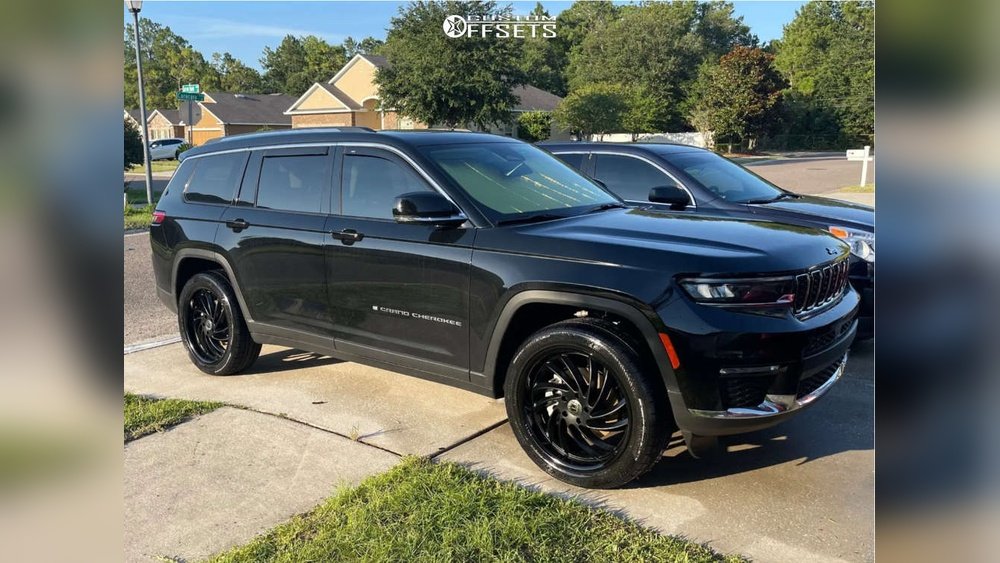
This guide will explore the various aspects of Jeep Grand Cherokee stock wheels, from their design philosophy to common sizes and materials, helping you make informed decisions about your vehicle.
The Evolution Of Jeep Grand Cherokee Stock Wheels
Over the years, the Jeep Grand Cherokee has seen numerous design changes, and its wheels have evolved along with it. Each generation brought new styling cues and technological advancements, reflected in the wheels fitted as standard.
The early generations often featured more utilitarian designs, focusing on strength for off-road use.
As the Grand Cherokee became more of a luxury SUV, the stock wheels started to incorporate more sophisticated designs, larger diameters, and premium finishes.
The first generation (ZJ, 1993-1998) typically came with wheels ranging from 15 to 17 inches. These were often simpler, multi-spoke designs in alloy or steel, built to handle rough terrain.
The second generation (WJ, 1999-2004) saw a slight increase in wheel size, with 16 and 17-inch options becoming common.
Designs became a bit more intricate, hinting at the vehicle’s growing sophistication.
The third generation (WK, 2005-2010) marked a significant shift towards a more premium feel. Stock wheels in this era commonly ranged from 17 to 20 inches, featuring more complex, polished, or chrome-plated designs.
The fourth generation (WK2, 2011-2026) continued this trend, offering a wide array of factory wheel options, from 17-inch all-terrain focused wheels on Trailhawk models to larger, more stylish 20-inch wheels on luxury trims.
The current fifth generation (WL, 2026-present) maintains this diversity, with stock wheels reflecting a modern, premium aesthetic and varying sizes to suit different models and intended uses.

Key Factors For Jeep Grand Cherokee Stock Wheels
When you look at the wheels on a Jeep Grand Cherokee from the factory, they are not just chosen for looks. Several critical factors go into their selection by the manufacturer.
Understanding these helps you appreciate why certain wheels are fitted and what their limitations might be.
Size And Diameter
The diameter of a stock wheel, measured in inches, is a primary factor affecting the vehicle’s ride, handling, and appearance. Larger diameter wheels, for example, generally allow for lower-profile tires, which can improve on-road handling and give a sportier look.
However, they can also lead to a harsher ride and are more susceptible to damage from potholes. Smaller diameter wheels, often paired with taller tires, provide more sidewall for comfort and better absorb impacts, making them more suitable for off-roading.
Jeep Grand Cherokee stock wheels typically range from 17 inches to 20 inches in diameter, depending on the trim level and model year. For instance, the base Laredo models might come with 17-inch wheels, while higher trims like the Limited or Overland could feature 18-inch or 20-inch wheels as standard. The Trailhawk, designed for off-road capability, often comes with 18-inch wheels to accommodate larger, more rugged tires.
Bolt Pattern (pcd)
The bolt pattern, also known as the Pitch Circle Diameter (PCD), is crucial for wheel fitment. It describes the number of lug holes and the diameter of the circle on which these holes are centered. For most Jeep Grand Cherokee models, the common bolt pattern is 5×5 inches (or 5x127mm). This means there are five lug nuts arranged in a circle with a diameter of 5 inches.
Using a wheel with the incorrect bolt pattern will prevent it from fitting onto the vehicle’s hub, and attempting to force one can cause severe damage. It’s essential to always confirm the correct bolt pattern for your specific Grand Cherokee model year and trim to ensure proper and safe installation.
Offset
Wheel offset is the distance from the wheel’s mounting surface to the centerline of the wheel. It determines how far the wheel sits inward or outward from the hub assembly. A positive offset means the mounting surface is closer to the outside of the wheel, pushing the wheel inward. A negative offset means the mounting surface is further from the outside, pushing the wheel outward. A zero offset means the mounting surface is exactly at the wheel’s centerline.
Stock wheels are designed with an offset that ensures proper clearance between the tire and the vehicle’s suspension components, fenders, and brakes. Deviating significantly from the factory offset can lead to rubbing issues, affect steering geometry, and put extra strain on wheel bearings. For most Grand Cherokees with the 5×5 bolt pattern, the factory offset typically falls within a +30mm to +40mm range.
Width And Backspacing
Wheel width refers to the distance between the inside edges of the wheel rim, usually measured in inches. This, along with the tire’s width, determines how much space the wheel and tire assembly takes up and how it fits within the fender wells.
Backspacing is another measurement related to offset, representing the distance from the wheel’s mounting surface to the back of the wheel lip.
Stock wheel widths for the Grand Cherokee commonly range from 7.5 inches to 9 inches, again varying by trim and model year. These dimensions are carefully chosen to work with the factory tire sizes and provide adequate clearance for suspension travel and steering.
Common Stock Wheel Designs And Materials
Jeep offers a variety of stock wheel designs and materials across its Grand Cherokee lineup, catering to different aesthetic preferences and functional requirements. The choice of material and design impacts not only the look but also the weight and durability of the wheels.
Alloy Wheels
Alloy wheels are the most common type of stock wheel found on modern Jeep Grand Cherokees. They are typically made from aluminum alloys, which offer a good balance of strength, light weight, and corrosion resistance. Aluminum alloys allow for intricate designs that are difficult or impossible to achieve with steel wheels.
Common designs for Grand Cherokee stock alloy wheels include:
- Multi-spoke designs: Often featuring 5, 7, or 10 spokes, these can range from simple, clean lines to more aggressive, sculpted patterns.
- Split-spoke designs: These wheels have spokes that divide further as they move towards the rim, creating a dynamic and modern appearance.
- Polished or Chrome finishes: Many higher trim levels come with wheels that have a polished aluminum face or a full chrome finish, adding a touch of luxury and shine.
- Painted finishes: Black, silver, or charcoal gray painted finishes are also common, offering a more subtle or sporty look.
The lighter weight of alloy wheels compared to steel can contribute to better fuel economy and improved handling due to reduced unsprung mass.
Steel Wheels
While less common on newer Grand Cherokee models, steel wheels were prevalent in earlier generations and can still be found on some base trims or as optional equipment for enhanced durability, especially for off-road focused variants. Steel wheels are made from stamped steel and are known for their exceptional strength and resistance to damage from impacts.
Steel wheels typically feature a simpler, more robust design, often with a basic five-spoke or modular pattern. They are usually painted or coated to prevent rust.
Their main advantage is their ability to withstand severe impacts, making them a practical choice for rugged environments.
However, they are significantly heavier than alloy wheels, which can negatively impact fuel efficiency and handling.
Specific Examples Of Stock Wheel Designs By Trim
Jeep often differentiates its trims with unique wheel designs. For example:
- Laredo: Might feature 17-inch or 18-inch silver painted alloy wheels with a straightforward, durable design.
- Limited/Overland: These trims often come with larger, 18-inch or 20-inch alloy wheels, featuring more polished surfaces, intricate spoke patterns, and premium finishes to match the SUV’s upscale interior and exterior.
- Trailhawk: This off-road oriented trim usually sports 18-inch alloy wheels with a design that prioritizes strength and allows for the fitment of all-terrain tires. The design might be more rugged and less focused on intricate styling.
- SRT/Trackhawk: Performance variants of the Grand Cherokee often feature larger, 20-inch or even 21-inch wheels with aggressive, sporty designs, sometimes in darker finishes like gloss black or machined gray, to complement their high-performance capabilities.
These distinctions highlight how stock wheels are tailored not just to the vehicle’s platform but also to its intended purpose and market positioning.

Understanding Tire And Wheel Fitment
The relationship between your Jeep Grand Cherokee’s stock wheels and the tires they carry is critical for performance, safety, and comfort. It’s not just about the wheel size; it’s about how the wheel and tire work together.
Tire Size And Sidewall
Stock tire sizes are chosen by Jeep to complement the specific wheel diameter and the vehicle’s overall engineering. A common tire size for a 17-inch stock wheel might be 245/70R17, while a 20-inch wheel could use a 265/50R20 tire. The numbers represent:
- 245/265: The width of the tire in millimeters.
- 70/50: The aspect ratio, which is the tire’s sidewall height as a percentage of its width. A lower aspect ratio (like 50) means a shorter, stiffer sidewall, common on larger wheels.
- R: Indicates a radial tire construction.
- 17/20: The diameter of the wheel in inches that the tire is designed to fit.
The tire's sidewall plays a significant role in ride comfort and off-road capability. Taller sidewalls (higher aspect ratio) offer more cushioning and flexibility, which is beneficial for absorbing bumps and conforming to uneven terrain.
Shorter sidewalls (lower aspect ratio) provide a more direct connection to the road, leading to sharper steering response and better handling on paved surfaces, but at the expense of comfort and off-road articulation.
Load Rating And Speed Rating
Every tire has a load rating and a speed rating. The load rating indicates the maximum weight a tire can safely carry. The speed rating indicates the maximum speed at which a tire can safely operate while carrying its rated load.
Stock tires and wheels on a Grand Cherokee are designed to meet or exceed the vehicle manufacturer’s specifications for Gross Vehicle Weight Rating (GVWR). Using tires with a lower load rating than specified can be extremely dangerous, especially when the vehicle is fully loaded.
Similarly, using tires with a lower speed rating than intended can compromise safety at higher speeds. Always ensure that any replacement tires meet or exceed the original equipment’s load and speed ratings.
Clearance Considerations
When choosing wheels and tires, especially if you are moving away from stock specifications, clearance is paramount. This involves ensuring that the wheel and tire assembly does not rub against:
- Fenders: The outer body panels above the wheels.
- Suspension components: Such as control arms, springs, and shock absorbers.
- Brake calipers: Especially important with larger wheels and performance brakes.
- The chassis: The main frame of the vehicle.
Factory wheels and tires are engineered to provide ample clearance for normal driving and suspension articulation. If you change to larger wheels, wider tires, or wheels with different offsets, you risk compromising this clearance, which can lead to tire damage, suspension issues, and unsafe driving conditions.
Maintaining And Caring For Your Stock Wheels
Proper maintenance will extend the life of your Jeep Grand Cherokee’s stock wheels and keep them looking their best. The care required depends on the wheel material and finish.
Cleaning Alloy Wheels
Alloy wheels, especially those with polished or chrome finishes, require regular cleaning to prevent brake dust, road grime, and salt from causing corrosion or permanent staining.
- Rinse: Start by thoroughly rinsing the wheels with water to remove loose debris.
- Wash: Use a pH-neutral wheel cleaner specifically designed for alloy wheels. Avoid harsh acidic or alkaline cleaners, as these can damage the finish. Apply the cleaner with a soft sponge or wash mitt.
- Agitate: Use a soft-bristled wheel brush to gently scrub the spokes, barrel, and lug nut areas. For stubborn brake dust, a dedicated wheel cleaner and a more aggressive brush might be necessary, but always test in an inconspicuous area first.
- Rinse Again: Thoroughly rinse the wheels to remove all soap residue.
- Dry: Dry the wheels immediately with a clean microfiber towel to prevent water spots.
Pro Tip: For wheels with a clear coat or painted finish, a good quality car wax can provide an extra layer of protection against contaminants and make future cleaning easier.
Caring For Steel Wheels
Steel wheels are generally more forgiving but still benefit from regular cleaning.
- Wash: Use a mild car soap and water. A stiffer brush can be used on steel wheels compared to alloy, but avoid abrasive materials that could scratch the paint.
- Rinse and Dry: Rinse thoroughly and dry completely to prevent rust.
- Touch-up Paint: If you notice any chips or scratches in the paint, consider using touch-up paint to prevent rust from forming.
Inspecting For Damage
Regularly inspect your stock wheels for any signs of damage, such as:
- Cracks: Especially around the lug holes or on the spokes.
- Bends or Warping: Can cause vibrations and uneven tire wear.
- Corrosion: Pitting or flaking, particularly on polished or chrome finishes.
- Deep Scratches: Can weaken the wheel or compromise its finish.
If you find any significant damage, it’s crucial to have the wheel inspected by a professional. A damaged wheel can be a safety hazard.

When Stock Wheels Might Not Be Enough
While Jeep Grand Cherokee stock wheels are designed to be robust and versatile, there are situations where they might not be ideal for an owner’s specific needs or desires.
Off-roading Demands
For owners who plan extensive off-roading, stock wheels, especially larger diameter ones with low-profile tires, might not offer the