The Allure Of Jeep Grand Cherokee Wood Panel Accents
The Jeep Grand Cherokee has long been a symbol of rugged capability mixed with everyday comfort. For many enthusiasts, its appeal goes beyond its off-road prowess and luxurious interiors.
A distinctive touch that has captured the imagination of drivers for decades is the wood paneling option. This classic design element, often seen on older models, evokes a sense of nostalgia and refined style, setting the Grand Cherokee apart from its contemporaries.
While less common on brand-new models, the legacy of wood-grained trim continues to be a sought-after feature for collectors and those who appreciate a touch of vintage charm in their modern SUV.
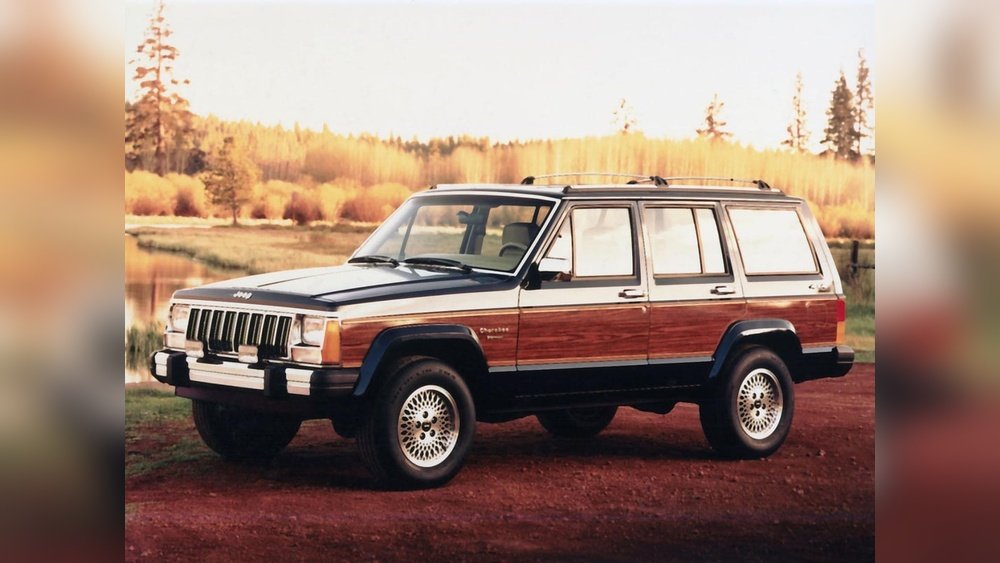
This article explores the history, appeal, and current status of Jeep Grand Cherokee wood panel accents, offering insights for owners and potential buyers.
The integration of wood-grained trim in vehicles is not a new phenomenon. It dates back to the early days of automotive design, where real wood was used extensively for structural and decorative purposes.
As manufacturing techniques evolved, simulated wood grain became a popular and more practical alternative, offering the aesthetic of wood without the cost, weight, and maintenance challenges.
Jeep, a brand known for its adventurous spirit, adopted this styling cue to add a layer of sophistication and warmth to its vehicles, particularly the Grand Cherokee. This blend of ruggedness and refined interior appointments became a signature look for many trims and generations of the SUV.
A Look Back: Wood Panel Trim Through Grand Cherokee Generations
The wood paneling on the Jeep Grand Cherokee has evolved significantly since its introduction. Early models often featured more prominent and realistic-looking wood grain, sometimes even using real wood veneers or high-quality simulated wood. As automotive design trends shifted, the application and style of wood trim changed, becoming more subtle or integrated into different dashboard and door panel designs. Understanding these historical variations helps appreciate the specific appeal of each era.
The Golden Age Of Simulated Wood: 1990s And Early 2000s
The 1990s and early 2000s represent a peak period for the wood panel Grand Cherokee. During this time, the Jeep Grand Cherokee ZJ (1993-1998) and the WJ (1999-2004) generations heavily featured simulated wood grain trim. This was not just a small accent; it was a significant design element that defined the interior’s character. The trim often appeared on the dashboard, center console, and door panels, providing a warm, luxurious contrast to the leather seats and other interior materials.
The ZJ generation, in particular, is celebrated for its elegant use of wood trim. It was typically offered on higher trim levels like the Limited and Orvis Edition. The grain patterns were often detailed, mimicking the look of polished walnut or burl wood. This created an inviting and upscale cabin environment, making the Grand Cherokee feel more like a luxury vehicle than just a capable SUV. For instance, the 1997 Grand Cherokee Limited often showcased a rich, dark wood grain that flowed across the dashboard above the glove compartment and along the door inserts, giving it a distinguished appearance.
The subsequent WJ generation continued this tradition, refining the wood grain application. While still prominent, the design might have been slightly more integrated into the overall dashboard layout. The 2000 Grand Cherokee Limited and Overland trims featured simulated wood that was often lighter in tone, offering a different aesthetic while maintaining that classic feel. These models used the wood grain to break up large expanses of plastic and vinyl, adding visual interest and a sense of premium craftsmanship. The placement was strategic, often surrounding the radio and climate controls, and on the door panels, creating a cohesive and classic interior design.
Subtle Integration: Mid-2000s And Beyond
As automotive interiors moved towards more modern and minimalist designs, the application of wood trim in the Grand Cherokee became more subtle. The WK generation (2005-2010) saw a reduction in the amount of wood grain, with its appearance often limited to smaller accents on the dashboard and steering wheel, particularly on trims like the Laredo and Limited. The style also shifted, sometimes featuring lighter, more contemporary wood patterns or even brushed metal finishes that mimicked wood.
The Grand Cherokee WK2 generation (2011-2026) further evolved this trend. While wood trim was still available on higher trims like the Summit and Limited, it was often presented in a more sophisticated and less overt manner. Instead of large panels, you might find wood accents integrated into the steering wheel, gear shifter, and select areas of the dashboard and doors. These applications often used higher-quality materials or more realistic finishes, aiming for a premium, European luxury feel rather than the classic American SUV aesthetic of earlier models. For example, a 2018 Grand Cherokee Summit might feature real wood inlays with an open-pore finish, offering a tactile and sophisticated touch.
The latest generation, the Grand Cherokee WL (2026-present), has largely moved away from traditional wood paneling in favor of modern materials like metal, piano black, and unique textured surfaces. While this reflects current design trends, it also marks the end of an era for the classic wood-grained Grand Cherokee interior that many enthusiasts cherished.

Why The Fascination With Wood Panel Grand Cherokees?
The enduring appeal of Jeep Grand Cherokee wood panel interiors stems from a combination of factors that resonate deeply with car owners. It’s more than just aesthetics; it’s about the feeling and statement these interiors convey.
Nostalgia And Classic Charm
For many, the sight of simulated wood grain instantly triggers nostalgia. It reminds them of a simpler time, of classic cars, and of an era when interiors often felt more bespoke and less mass-produced. This connection to the past provides a sense of comfort and familiarity. Owning a Grand Cherokee with wood trim can feel like owning a piece of automotive history, a vehicle that bridges the gap between rugged utility and timeless elegance. The Orvis editions of the ZJ, for example, are particularly sought after for their distinctive and charming interiors that perfectly capture this nostalgic appeal.
A Touch Of Luxury And Warmth
Wood, even simulated, adds a distinct sense of luxury and warmth to an interior. It breaks up the monotony of plastic and leather, introducing natural textures and patterns. This warmth makes the cabin feel more inviting and comfortable, transforming the SUV from a utilitarian vehicle into a cozy retreat. The contrast between the polished wood grain and the surrounding materials, such as leather upholstery and brushed metal accents, creates a visually rich and sophisticated environment. This is a key reason why the Limited and Overland trims, which often featured more extensive wood trim, remain popular choices.
Distinctive Styling
In a market often filled with similar-looking interiors, the wood panel Grand Cherokee stands out. It offers a unique design statement that is both classic and distinctive. While many modern SUVs opt for sleek, minimalist designs, the wood trim provides an alternative aesthetic that appeals to those who prefer a more traditional or opulent look. This distinctiveness is a major draw for buyers looking for a vehicle that expresses their personal style and appreciation for classic automotive design. It signals a departure from the norm and an embrace of a more characterful interior.
Perceived Value And Craftsmanship
Historically, the presence of wood trim, especially on higher trims, was associated with higher levels of craftsmanship and premium appointments. Even though it was often simulated, the effort to integrate it thoughtfully into the design suggested a greater attention to detail. For buyers, this translates into a feeling of owning a vehicle that is well-appointed and built with care. This perception of quality and craftsmanship is a significant factor in why these models continue to hold their appeal in the used car market.
Identifying A Jeep Grand Cherokee With Wood Panel Trim
If you’re looking to purchase a Grand Cherokee specifically for its wood paneling, knowing where to look and what to expect is crucial. The availability and style of wood trim vary significantly by model year and trim level.
Key Model Years And Trims To Consider
As mentioned earlier, the 1993-2004 model years (ZJ and WJ generations) are prime candidates for finding Grand Cherokees with prominent wood grain trim. Specifically, look for:
- Jeep Grand Cherokee ZJ (1993-1998):
- Limited Trim: This was the most common trim to feature wood grain.
- Orvis Edition: A special edition known for its distinctive interior, including wood accents and unique upholstery.
- Special Editions: Other limited runs or special packages might also include wood trim.
- Jeep Grand Cherokee WJ (1999-2004):
- Limited Trim: Continued to offer wood grain as a defining feature.
- Overland Trim: Often featured a more luxurious interior, including enhanced wood grain applications.
In later generations (WK and WK2), wood trim was generally reserved for the highest trim levels. For instance:
- Jeep Grand Cherokee WK (2005-2010): Look for Limited and Overland trims, where wood accents were more likely to be found, though less extensive than in previous generations.
- Jeep Grand Cherokee WK2 (2011-2026): The Summit and Limited trims are the ones to target for wood accents. These might be more subtle, integrated into the steering wheel, shifter, or as small inlays.
What To Inspect When Buying
When inspecting a Grand Cherokee with wood paneling, several points are important to check:
- Condition of the Trim: Wood grain trim, especially older simulated versions, can be prone to cracking, fading, or peeling due to sun exposure and age. Carefully examine all wood-effect surfaces for damage.
- Realism of the Grain: The quality of simulated wood varies. Early ZJ models often had very convincing grain patterns, while some later applications might look less authentic. Consider what level of realism is important to you.
- Integration with Other Materials: How well does the wood trim blend with the rest of the interior? Look for consistent color and finish. Check for loose pieces or gaps where the trim meets other dashboard or door components.
- Steering Wheel and Shifter: If the vehicle has wood accents on the steering wheel or shifter, check these high-touch areas for wear, especially if they are part of the original interior.

Maintaining Your Wood Panel Grand Cherokee Interior
Proper care is essential to keep the wood paneling in your Grand Cherokee looking its best, especially for older vehicles. The materials used, even if simulated, require specific attention to avoid damage.
Cleaning Techniques
- Gentle Cleaning: For regular cleaning, use a soft, damp microfiber cloth. Avoid harsh chemicals, abrasive cleaners, or excessive moisture, which can damage the finish or the underlying material.
- Mild Soap Solution: If more thorough cleaning is needed, use a very mild soap solution (like diluted dish soap) on your cloth. Wipe down the surfaces and then immediately follow with a clean, damp cloth to remove any residue.
- Avoid Solvents: Never use window cleaner, ammonia-based products, or solvents on the wood trim, as these can strip the finish or cause discoloration.
Protection And Preservation
- UV Protection: Direct sunlight is the biggest enemy of interior trim. Parking in the shade or using a sunshade when the vehicle is parked can significantly reduce fading and cracking.
- Conditioning (Use with Caution): For older, potentially drier simulated wood, a very light application of a quality interior protectant designed for plastics and vinyl might help maintain flexibility. However, be extremely cautious. Many products can leave a greasy residue or alter the finish. Always test on an inconspicuous area first. Avoid products with harsh chemicals or high gloss, which can make the trim look cheap or unnatural.
- Avoid Scratches: Be mindful of keys, jewelry, or other sharp objects that could scratch the trim. When cleaning, use gentle motions and avoid dragging anything across the surface.
Repairing Minor Damage
Minor scratches or chips in simulated wood trim can sometimes be repaired using wood repair kits or automotive interior touch-up paints. These kits often come with various wood grain patterns and colors that can be applied to disguise imperfections. For more significant damage, such as peeling or large cracks, professional restoration might be an option, though it can be costly. Often, owners choose to live with minor imperfections, viewing them as part of the vehicle’s character.
The Future Of Wood Panel Accents In Suvs
The trend in the automotive industry, particularly in the SUV segment, is moving towards more modern and technologically integrated interiors. This means that traditional wood paneling is becoming increasingly rare, especially in new vehicles. Manufacturers are experimenting with new materials like recycled plastics, sustainable wood alternatives, and advanced composites.
However, there’s always a possibility for resurgence. As design cycles evolve, classic elements sometimes make a comeback in new forms. We might see future luxury SUVs incorporate wood-like materials, but likely in a more contemporary style, perhaps as subtle inlays, textured surfaces, or combined with contrasting modern materials. The Grand Cherokee itself, in its latest generation, has embraced a more futuristic interior design, signaling a shift away from the classic wood grain.
Despite this trend, the classic wood panel Grand Cherokee will likely remain a desirable vehicle for enthusiasts. The used market will continue to offer these vehicles to those who appreciate their unique blend of rugged capability and timeless interior style. The appeal of nostalgia, warmth, and distinctive design ensures that these particular models will hold a special place in the hearts of many Jeep fans.

Comparing Wood Trim Options Across Generations
To better understand the variations, let’s look at how wood trim was presented across different Grand Cherokee generations. This comparison highlights the evolution of its application and aesthetic.
| Generation | Model Years | Typical Trims with Wood | Description of Wood Trim |
|---|---|---|---|
| ZJ | 1993-1998 | Limited, Orvis Edition | **Prominent and realistic simulated wood grain.** Often dark, rich tones mimicking walnut or burl. Applied generously on the dashboard, center console, and door panels. A defining feature of the interior’s luxury appeal. |
| WJ | 1999-2004 | Limited, Overland | **Continued prominent use of simulated wood grain.** Often featured slightly lighter tones compared to the ZJ, offering a refined yet warm aesthetic. Integrated into the dashboard, center console, and door panels, maintaining a luxurious feel. Quality of simulation remained high, often appearing quite authentic. |



















