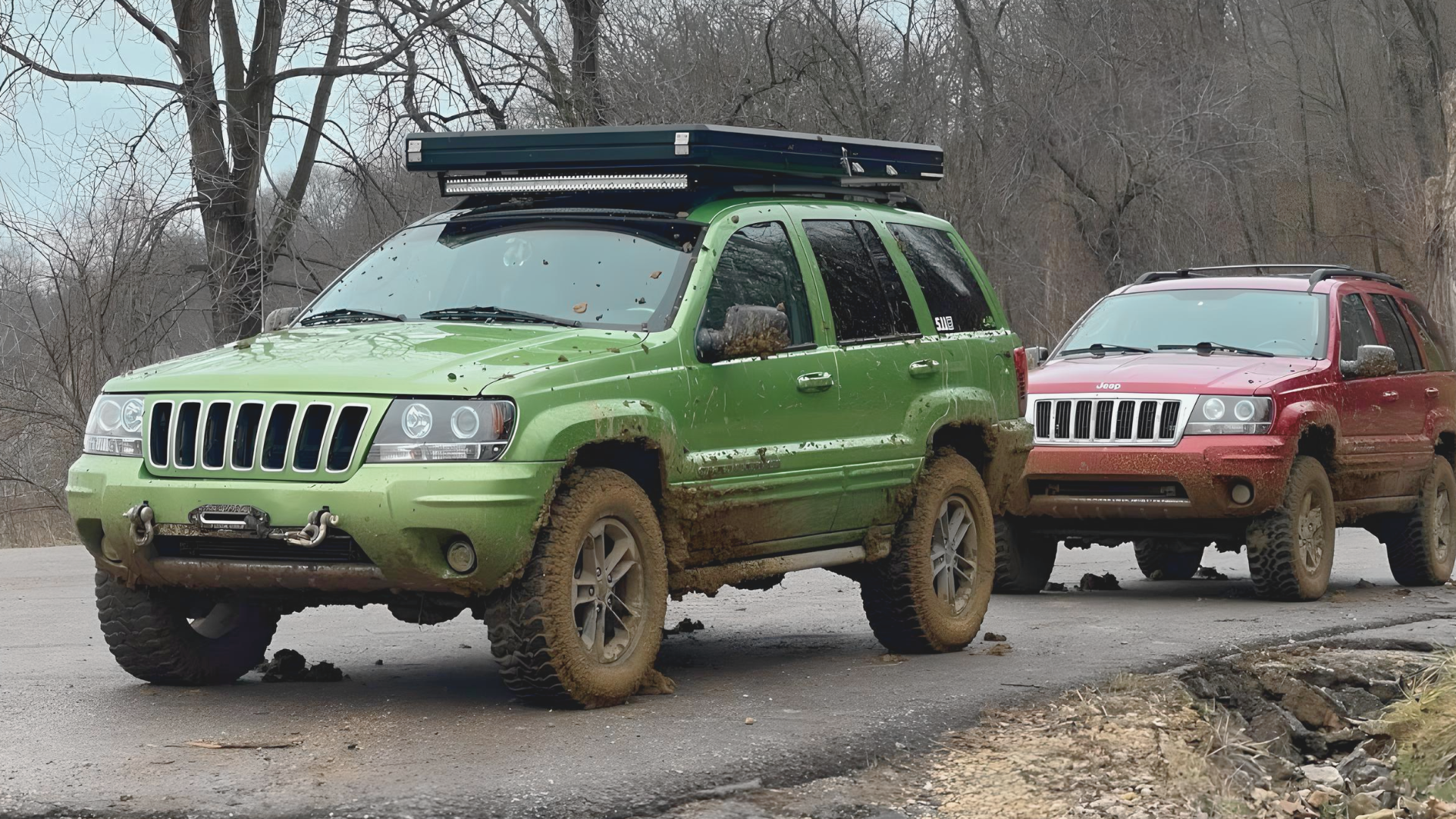
The Jeep Grand Cherokee WJ is a popular SUV known for its off-road capability and comfortable ride. A crucial component that ensures proper handling and stability, especially when driving off-road or on uneven surfaces, is the track bar, also known as a panhard rod.
This bar connects the solid axle to the chassis, keeping the axle centered under the vehicle. If the WJ track bar is worn, damaged, or not properly adjusted, it can lead to significant steering issues, uneven tire wear, and a generally unstable driving experience.
This article will explore everything you need to know about the Jeep Grand Cherokee WJ track bar. We’ll cover its function, common issues, signs of wear, and the importance of maintenance and upgrades.
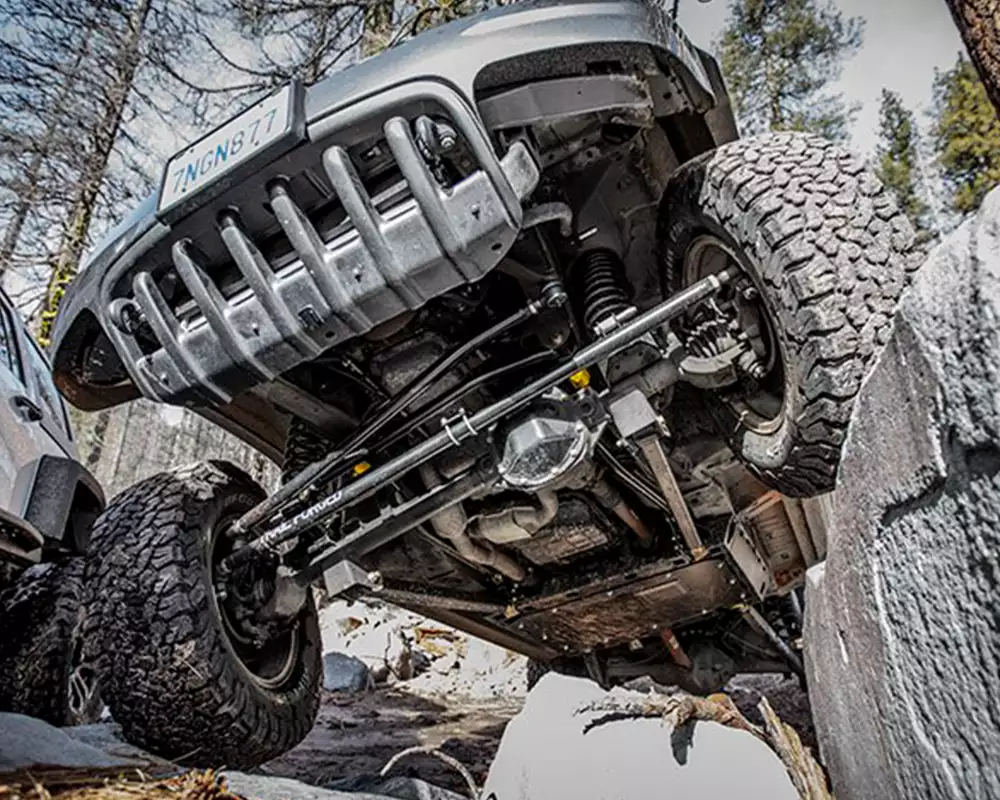
Understanding this component is key to keeping your WJ performing at its best.
Understanding The Jeep Grand Cherokee Wj Track Bar
The track bar on your Jeep Grand Cherokee WJ plays a vital role in its suspension system. It’s a simple but essential piece of equipment designed to prevent lateral (side-to-side) movement of the solid front axle relative to the vehicle’s chassis. Think of it as a stabilizer.
How It Works
The WJ uses a solid front axle. Unlike independent front suspension systems, where each wheel moves on its own, a solid axle moves as a single unit.
The track bar connects one end of the axle (usually the passenger side) to a mounting point on the frame on the opposite side.
This connection creates a fixed pivot point. As the suspension compresses and extends, the axle pivots around this point.
The track bar restricts any sideways shifting, ensuring the axle stays centered directly beneath the vehicle.
Without a properly functioning track bar, the axle could wander left and right, leading to unpredictable steering, especially during turns or when encountering bumps. This is why it’s so critical for both on-road safety and off-road control.
Key Components Of The Track Bar System
The track bar system involves a few key parts:
- The Track Bar Itself: This is the main bar, typically made of strong steel. It’s usually curved to clear other suspension components.
- Frame Mount: A bracket welded to the vehicle’s frame where one end of the track bar attaches.
- Axle Mount: A bracket welded to the axle housing where the other end of the track bar attaches.
- Bushings: At each end of the track bar, there are bushings (often rubber or polyurethane). These allow for some flex and absorb vibrations, providing a smoother ride and preventing metal-on-metal contact.
- Adjusting Mechanism (on some aftermarket bars): Some aftermarket track bars have an adjustable sleeve, allowing for precise centering of the axle, especially after lifting the vehicle.
Why The Wj Track Bar Is Important
The WJ Grand Cherokee is often used for off-roading, towing, and daily driving. In all these scenarios, a stable and centered axle is paramount.
- On-Road Stability: A properly functioning track bar ensures predictable steering and prevents the vehicle from feeling “wandery” or unstable, especially at higher speeds or during evasive maneuvers.
- Off-Road Control: When traversing uneven terrain, articulation of the suspension is common. The track bar guides this movement, preventing the axle from shifting and potentially causing the tires to rub on the fenders or body panels. It also contributes to a more controlled ride over rough ground.
- Tire Wear: An off-center axle caused by a worn or bent track bar can lead to uneven tire wear, premature tire failure, and reduced fuel efficiency.
- Suspension Geometry: The track bar works in conjunction with other suspension components like control arms and sway bars. If it’s not aligned correctly, it can negatively impact the performance of these other parts.
Common Problems And Signs Of Wear
Like any mechanical part, the Jeep Grand Cherokee WJ track bar can experience issues over time. These problems often stem from wear and tear, damage from off-roading, or improper installation. Recognizing the signs is crucial for timely repair.
Signs Of A Worn Or Damaged Track Bar
Several symptoms can indicate a problem with your WJ’s track bar:
- Wandering Steering: The most common sign is a feeling that the steering wheel is loose or that the vehicle pulls to one side or the other. You might find yourself constantly making small adjustments to keep it straight.
- Clunking Noises: A clunking or knocking sound from the front suspension, especially when going over bumps or turning, can indicate worn bushings or a loose track bar connection.
- Uneven Tire Wear: As mentioned, an off-center axle will cause tires to wear unevenly. You might notice feathering or cupping on the tire tread.
- Vehicle Pulls to One Side: If the track bar is bent or its mounting points are damaged, the axle might be permanently offset, causing the vehicle to pull consistently to one side.
- Loose or Sloppy Handling: The overall feel of the vehicle might become less precise. Turns may feel less responsive, and the vehicle might lean more than usual.
- Vibrations: In some cases, a damaged track bar can contribute to vibrations felt through the steering wheel or the chassis.
Causes Of Track Bar Failure
- Worn Bushings: The bushings at the ends of the track bar are designed to absorb shock and allow for movement. Over time, they can dry out, crack, or tear, leading to excessive play and noise.
- Bent Track Bar: Aggressive off-roading, hitting large rocks, or severe impacts can bend the track bar itself. A bent bar will prevent the axle from being centered.
- Loose Mounting Hardware: The bolts and nuts that secure the track bar to the frame and axle mounts can loosen over time due to vibration and stress.
- Damaged Mounting Brackets: The frame and axle brackets can crack or break, especially on older vehicles or those subjected to heavy use. This is a more serious issue that requires repair or replacement of the brackets.
- Improper Installation: If a track bar was replaced or adjusted incorrectly, it might not be centered properly, leading to handling issues.
What Happens When A Track Bar Fails?
A severely compromised track bar can lead to:
- Loss of Steering Control: In extreme cases, a broken track bar or mounting bracket could allow the axle to shift significantly, leading to a sudden loss of control.
- Damage to Other Components: Constant stress from an off-center axle can damage tires, suspension components, and even the frame or axle housing.
- Safety Hazard: A failing track bar is a serious safety concern, particularly at speed or during critical driving maneuvers.
Replacing Or Upgrading The Track Bar
When your WJ track bar shows signs of wear or damage, replacement is necessary. Many owners also choose to upgrade to a stronger, adjustable aftermarket track bar, especially if they have modified their suspension with a lift kit.
When To Replace
- Visible Damage: If the bar is bent, cracked, or has damaged mounting points.
- Worn Bushings: If the bushings are cracked, torn, or excessively compressed, allowing for noticeable play.
- Persistent Handling Issues: If you’ve ruled out other suspension problems and the symptoms point to the track bar.
Types Of Replacements And Upgrades
- Stock Replacement: A direct replacement for your original track bar. This is a good option if you are returning the vehicle to stock specifications or want a straightforward fix.
- Heavy-Duty Stock Replacement: These bars are often made from thicker steel tubing and may come with improved bushings for greater durability.
- Adjustable Aftermarket Track Bars: These are the most popular choice for modified WJs. They feature a threaded sleeve that allows you to precisely adjust the length of the bar. This is crucial for:
- Centering the Axle: After lifting a Jeep, the solid axle will shift to one side. An adjustable track bar allows you to correct this offset and recenter the axle under the vehicle.
- Improved Strength: Many adjustable track bars are constructed from stronger materials (e.g., forged steel, DOM tubing) and use more robust joints (like heim joints or greasable bushings) for increased durability and better articulation off-road.
Benefits Of An Adjustable Track Bar
- Precise Axle Centering: Essential for proper alignment and preventing tire rub after a lift.
- Enhanced Strength and Durability: Built to withstand tougher off-road conditions.
- Improved Steering Response: Some designs offer tighter joints that can reduce steering slop.
- Adjustability for Different Lift Heights: Can be adjusted to accommodate various lift kits.
Installation Considerations
Replacing a track bar, especially an adjustable one, requires some mechanical knowledge.
- Axle Centering: This is the most critical step with an adjustable bar. You need to measure the distance from the edge of the axle to the frame on both sides and adjust the track bar until the axle is perfectly centered. An off-center axle will cause steering problems and uneven tire wear.
- Torque Specifications: Ensure all mounting hardware is tightened to the manufacturer’s specified torque. Loose bolts can lead to failure.
- Alignment: After replacing or significantly adjusting the track bar, it’s highly recommended to get a professional wheel alignment to ensure everything is set correctly.
- Drooping Axle: On lifted vehicles, the axle might droop when the vehicle is on jack stands. This can put tension on the track bar, making it difficult to install or adjust. Sometimes, you might need to use a jack to push the axle up or pull it down slightly to align the bolt holes.
Pro Tip:
When installing an adjustable track bar, always set it to the factory length first, install it, and then make fine adjustments for centering. This prevents over-stressing the mounting brackets.
Track Bar Upgrades And Lift Kits
The Jeep Grand Cherokee WJ track bar is often one of the first components addressed when installing a lift kit. Lifting a solid-axle vehicle like the WJ changes the suspension geometry, and the track bar is key to correcting these changes.
Why Lifts Affect The Track Bar
When you lift a Jeep, the distance between the axle and the frame increases. Because the track bar connects the axle to the frame at an angle, this increased distance causes the axle to shift sideways, typically towards the passenger side.
The original track bar, designed for the stock height, can no longer keep the axle centered.
This offset axle can lead to:
- Steering Wheel Off-Center: Your steering wheel will be turned to one side when driving straight.
- Uneven Tire Wear: The tires will no longer be tracking straight relative to the vehicle’s body.
- Poor Handling: The vehicle may pull to one side and feel unstable.
- Tire Rubbing: The tire on the side the axle has shifted towards might rub against the fender liner or fender flares.
The Role Of An Adjustable Track Bar With Lifts
An adjustable track bar is essential for correcting this axle shift after a lift. By lengthening or shortening the bar, you can precisely move the axle back to its centered position under the vehicle.
- For 2-3 Inch Lifts: Often, a lift kit in this range might require a track bar relocation bracket if you’re using the stock track bar. This bracket drops the frame-side mount of the track bar, restoring its original angle and keeping the axle centered. However, a quality adjustable track bar often provides a more robust and precise solution.
- For 4+ Inch Lifts: With higher lifts, the angle of the stock track bar becomes too steep, even with a relocation bracket. This can lead to binding and reduced suspension performance. An adjustable track bar is almost always recommended, as it allows for proper axle centering and can be designed to work with the steeper angles of higher lifts. Many aftermarket adjustable track bars are built to be stronger to handle the increased articulation and stress associated with lifted suspension.
Beyond The Track Bar: Other Lift Kit Considerations
While the track bar is critical, remember that lifting a WJ involves other components that need attention:
- Brake Lines: Longer brake lines are usually required to prevent them from stretching or breaking during suspension travel.
- Sway Bar Links: You may need longer or adjustable sway bar links, or even a sway bar disconnect system for off-road use.
- Control Arms: Higher lifts can alter the caster and pinion angles, sometimes requiring longer or adjustable control arms to restore proper geometry.
- Driveshaft Angles: This is especially important for the front driveshaft. Excessive angles can lead to vibrations and premature wear on U-joints.
Choosing The Right Upgrade
When selecting an aftermarket track bar for a lifted WJ, consider:
- Material Strength: Look for DOM (Drawn Over Mandrel) tubing or forged steel for maximum durability.
- Joint Type: Greasable bushings offer good performance and longevity. Heim joints (rod ends) offer maximum articulation but can be noisier and require more frequent maintenance.
- Adjustability Range: Ensure the bar offers enough adjustment to properly center your axle for your specific lift height.
- Reputation: Choose brands known for quality and durability in the Jeep aftermarket.
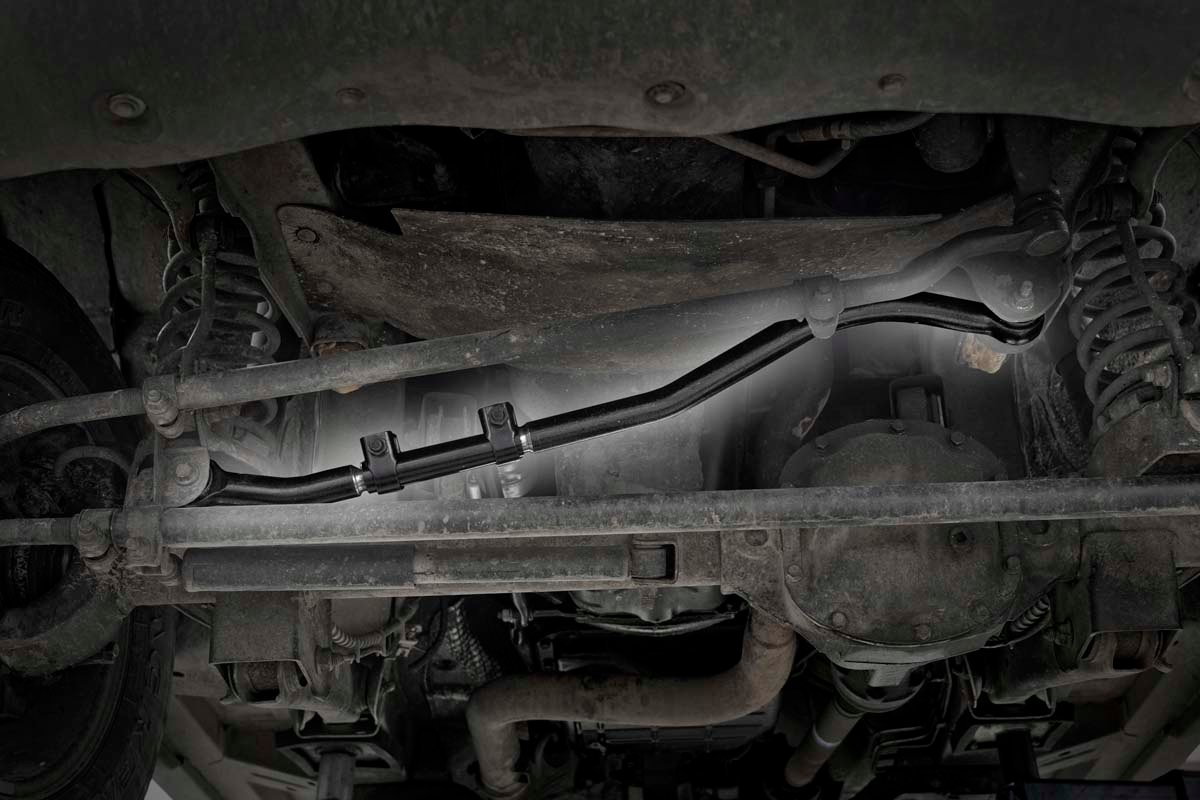
Maintenance And Inspection
Regular maintenance and inspection of your Jeep Grand Cherokee WJ track bar can prevent premature failure and ensure optimal performance and safety.
Routine Checks
You should inspect your track bar system periodically, especially if you frequently drive off-road or notice any of the symptoms mentioned earlier.
- Visual Inspection:
- Track Bar: Look for any signs of bending, cracking, or deformation. Check the bar itself for any damage.
- Mounting Brackets: Inspect the frame and axle brackets for cracks, elongation of bolt holes, or signs of stress.
- Bushings: Examine the bushings at both ends for cracks, tears, or signs of deterioration. If they look dry, brittle, or are visibly damaged, they likely need replacement.
- Hardware: Ensure all bolts and nuts securing the track bar are present and tight.
- Wiggle Test (with wheels on the ground):
- Have a helper turn the steering wheel back and forth while you listen and feel for any clunking or play in the front suspension.
- You can also try to physically push and pull the top of the tire inwards and outwards. Significant side-to-side movement of the axle that isn’t related to the steering itself can indicate a worn track bar.
- Wiggle Test (with wheels off the ground):
- With the front wheels safely off the ground, try to push the tire inwards towards the center of the vehicle and then outwards.
- Observe the track bar and its mounting points. You should see minimal movement at the track