The Jeep Grand Cherokee wiring harness is a crucial part of your SUV’s electrical system. If you’ve ever experienced electrical issues in your Grand Cherokee—like malfunctioning headlights, power windows, or dashboard lights—the wiring harness is often the hidden culprit.
This bundle of wires connects every electrical component, making sure power and signals flow smoothly throughout your vehicle.
Understanding wiring harnesses is important for anyone who owns, repairs, or customizes a Jeep Grand Cherokee. Whether you want to fix a problem, upgrade your stereo, or add new accessories, knowing how the harness works can save you time and money.

Let’s explore what makes this part so essential, what to look for when replacing or repairing it, and how to avoid common mistakes.
What Is A Jeep Grand Cherokee Wiring Harness?
The wiring harness is a collection of wires, connectors, and terminals wrapped in protective insulation. It runs through the vehicle, linking the engine, transmission, lights, dashboard, and more. In the Grand Cherokee, the harness is designed to handle complex features like advanced safety systems, navigation, and entertainment.
Each wire in the harness has a specific function. For example:
- Red wires often carry power to switches or outlets
- Black wires are usually for ground connections
- Yellow or blue wires might control lights or signals
A modern Jeep Grand Cherokee may have more than 200 individual wires in its main harness. The design varies by model year and trim, so it’s important to match any replacement harness to your exact vehicle.
Common Problems With Wiring Harnesses
Wiring harnesses are exposed to heat, moisture, vibration, and dust. Over time, these conditions can cause:
- Corrosion: Moisture gets into connectors, causing rust and poor contact.
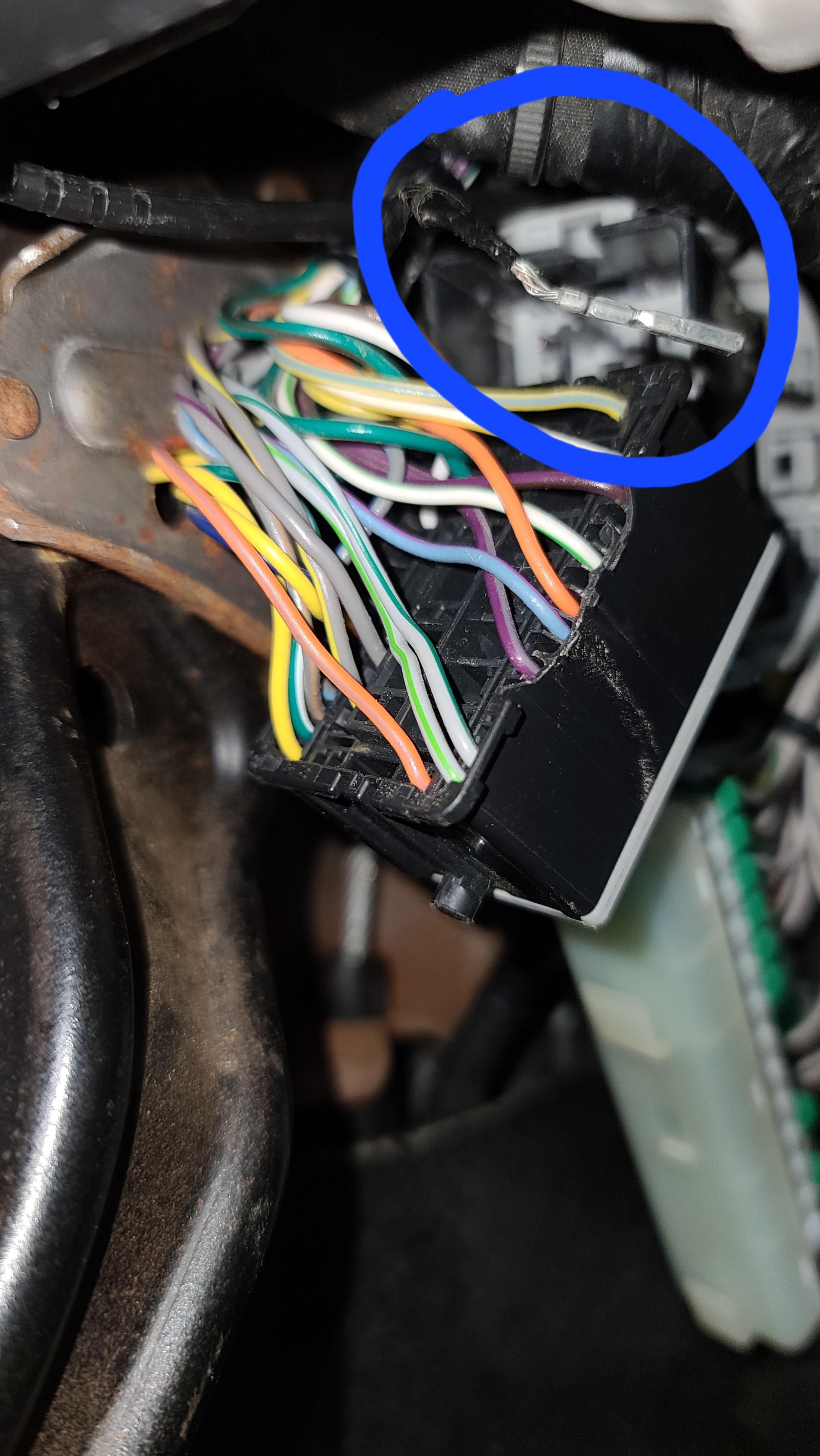
- Broken wires: Physical wear or rodent damage can snap wires.
- Loose connectors: Vibration shakes connectors loose, interrupting power.
- Short circuits: Wires touch each other, leading to electrical faults.
Symptoms of wiring harness issues include:
- Flickering lights
- Non-working windows or locks
- Random dashboard warning lights
- Trouble starting the engine
Many owners don’t realize that a single damaged wire can affect multiple systems. For example, a broken wire in the door harness could disable both the window and the speaker.

Replacing Or Repairing The Wiring Harness
Choosing the right wiring harness for your Jeep Grand Cherokee is critical. Here’s a quick comparison of options:
| Type | Cost | Compatibility | Ease of Installation |
|---|---|---|---|
| OEM (Original) | $200-$800 | Perfect fit | Moderate |
| Aftermarket | $100-$300 | Varies | Easy to moderate |
| Custom | $250-$1000 | Specific needs | Complex |
OEM harnesses are best if you want factory performance and reliability. Aftermarket options can be cheaper, but compatibility issues are common. Custom harnesses are ideal for adding extra features, like a high-end audio system or off-road lights.
When installing a new harness, always check:
- The part number matches your Grand Cherokee’s year and trim
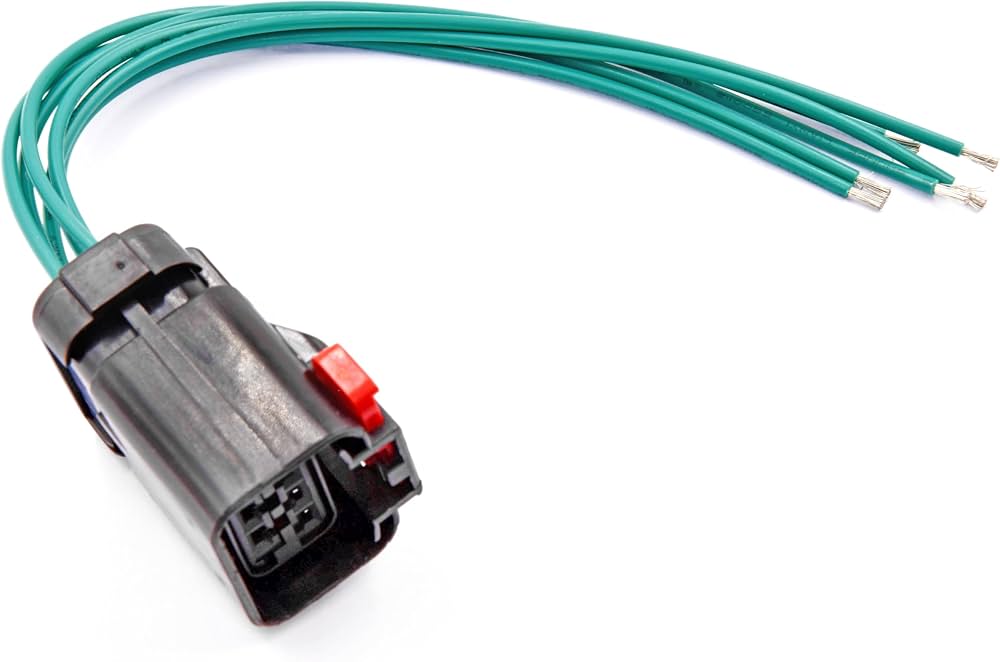
- All connectors are present and undamaged
- The harness insulation is intact, with no exposed wires
A non-obvious tip: Even small differences between model years can mean big wiring changes. Never assume a harness from a similar Jeep will fit your vehicle.
Installation Process Overview
Replacing a wiring harness is not a beginner job, but here’s an overview of the steps:
- Disconnect the battery to prevent electrical shocks.
- Remove panels and seats to access the harness.
- Unplug connectors and carefully label them.
- Pull out the old harness, checking for any stuck clips.
- Lay the new harness in place, matching each connector.
- Plug in connectors, secure clips, and reinstall panels.
- Reconnect the battery and test all functions.
The process can take 4–8 hours for a main harness. Smaller harnesses, like those for doors or lights, are faster.
A common mistake: Forgetting to label connectors during removal. This leads to confusion and errors when re-installing.
Upgrading Your Wiring Harness
Many Jeep Grand Cherokee owners upgrade their wiring harnesses to support new accessories or improve performance. Popular upgrades include:
- Adding LED light bars for off-roading
- Installing high-power audio systems
- Connecting trailer brake controllers
- Integrating backup cameras
These upgrades often require specialized harnesses that can handle extra power and new connections.
Another key insight: If you plan major upgrades, consider running extra wires during harness installation. It’s much easier to add wires before panels are back in place.
Here’s a quick look at factory vs. upgraded harness capability:
| Feature | Factory Harness | Upgraded Harness |
|---|---|---|
| Power handling | Standard | High capacity |
| Accessory support | Limited | Expanded |
| Durability | OEM tested | Reinforced |
Troubleshooting And Maintenance Tips
Keeping your wiring harness in good shape prevents many electrical headaches. Here are practical tips:
- Check connectors for corrosion every year.
- Use dielectric grease to protect electrical contacts.
- Inspect for rodent damage, especially after winter storage.
- Secure harnesses with proper clips to avoid wear.
If you see unusual electrical problems, start by checking the harness in affected areas. Many issues can be fixed by repairing or replacing a single wire or connector.
For deeper wiring diagrams and resources, the official Jeep website offers technical manuals and guides: Jeep Official Site.
Frequently Asked Questions
What Does The Wiring Harness Do In A Jeep Grand Cherokee?
The wiring harness connects all electrical parts, carrying power and signals between the engine, lights, dashboard, and other systems.
How Do I Know If My Wiring Harness Is Faulty?
Common signs are flickering lights, random warning lights, windows not working, or the engine failing to start. Visual checks can reveal broken wires or corroded connectors.
Can I Repair A Damaged Harness Myself?
Small repairs, like fixing a single wire or connector, are possible with basic tools. Full harness replacement is best left to skilled mechanics.
Is It Safe To Use Aftermarket Harnesses?
Aftermarket harnesses can be safe if they are high quality and match your vehicle. Check reviews and make sure they fit your Jeep Grand Cherokee’s model year.
How Much Does It Cost To Replace A Wiring Harness?
Costs vary: main harness replacement can be $200–$800 for OEM, $100–$300 for aftermarket, plus labor. Small harnesses are cheaper, but labor costs depend on complexity.
The wiring harness is the unseen backbone of your Jeep Grand Cherokee’s electrical system. Understanding how it works, what can go wrong, and how to upgrade or repair it helps keep your SUV reliable and ready for adventure.
With the right harness, your Grand Cherokee can support new features, run smoothly, and avoid frustrating electrical problems for years to come.