When you think about upgrading your Jeep Grand Cherokee, one of the most impactful changes you can make is to your wheels. They don't just affect how your SUV looks; they influence its performance, handling, and even its off-road capabilities.
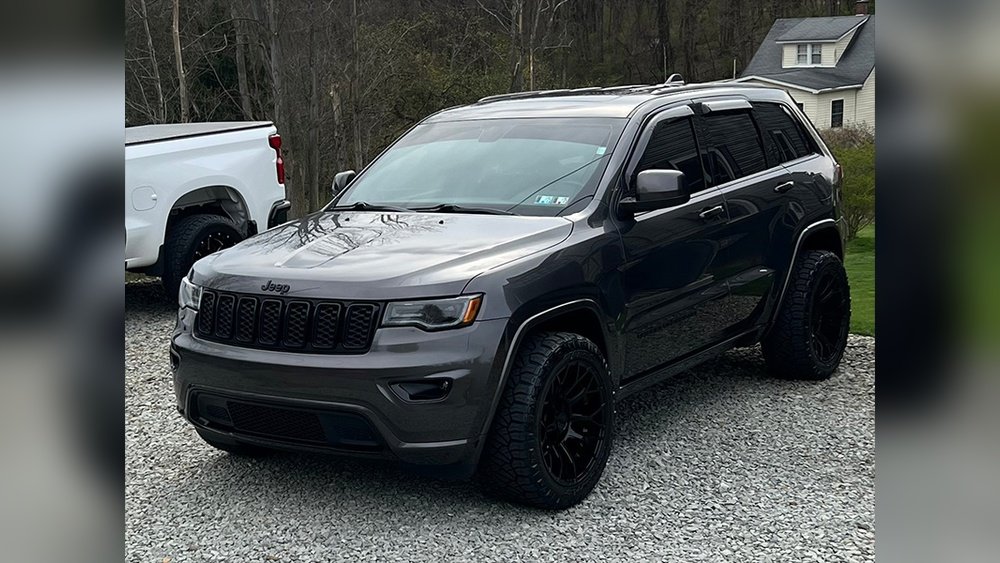
If you're considering a significant visual and functional upgrade, 20×10 Jeep Grand Cherokee wheels are a popular choice. These larger, wider wheels offer a more aggressive stance and open up possibilities for different tire setups, but they also come with important considerations.
Choosing the right wheels is about more than just aesthetics. It’s a balance between form and function. A 20-inch diameter wheel is substantial, giving your Grand Cherokee a commanding presence. The 10-inch width is notably wider than stock, allowing for wider tires. This wider footprint can improve grip on pavement, especially during cornering, and provides a more stable platform. However, this combination also means you need to be mindful of factors like offset, backspacing, tire size compatibility, and potential suspension modifications. Getting these details wrong can lead to rubbing, poor handling, or even damage to your vehicle. This guide will explore everything you need to know about fitting 20×10 wheels on your Jeep Grand Cherokee, ensuring you make an informed decision that enhances your driving experience.
Understanding Wheel Specifications: 20×10 Explained
Before diving into specific applications, it’s crucial to understand what 20×10 actually means. This measurement is fundamental to wheel selection and directly impacts fitment on your Jeep Grand Cherokee.
Wheel Diameter And Width
The 20 in 20×10 refers to the wheel diameter in inches. This is the measurement across the center of the wheel. A 20-inch diameter is a significant upgrade from many factory wheel sizes, which often range from 17 to 18 inches. This larger diameter allows for a larger overall wheel and tire package, contributing to the vehicle’s aggressive look and potentially improving road contact.
The 10 in 20×10 refers to the wheel width in inches. This is the measurement from the inner bead seat to the outer bead seat, essentially the width of the mounting surface for the tire. A 10-inch wide wheel is considerably wider than most stock wheels, which might be 7.5 or 8 inches wide. This extra width is key to accommodating wider tires.
Offset And Backspacing: Crucial For Fitment
Two other critical measurements that work hand-in-hand with diameter and width are offset and backspacing. These determine how the wheel sits in relation to the vehicle’s hub and fender.
Offset is the distance from the centerline of the wheel to the mounting surface (where the wheel bolts to the hub).
- A positive offset means the mounting surface is closer to the outside of the wheel. This tucks the wheel inward.
- A negative offset means the mounting surface is further to the inside of the wheel. This pushes the wheel outward, giving a wider stance.
Backspacing is the distance from the back of the wheel mounting surface to the outer edge of the wheel.
- Lower backspacing pushes the wheel outward.
- Higher backspacing tucks the wheel inward.
For a 20×10 wheel on a Jeep Grand Cherokee, you’ll typically be looking for a negative offset. This is because the wider 10-inch wheel naturally wants to sit further out. A negative offset helps to clear the suspension components on the inside and also achieves that desirable, aggressive stance by pushing the wheel out towards the fender. The exact offset needed will depend on the specific Grand Cherokee generation and any suspension modifications.
Benefits Of 20×10 Wheels On A Jeep Grand Cherokee
Upgrading to 20×10 Jeep Grand Cherokee wheels offers a range of advantages, from improved aesthetics to enhanced performance characteristics. These benefits make them a popular choice for owners looking to customize their vehicles.
Enhanced Aesthetics And Stance
The most immediate and noticeable benefit is the visual transformation. A 20-inch diameter wheel paired with a 10-inch width creates a much more substantial and aggressive look.
- Filling the Wheel Wells: Larger wheels fill the wheel wells more completely, giving the Jeep a more planted and muscular appearance. This is particularly appealing for those who want their Grand Cherokee to look powerful and ready for adventure.
- Aggressive Stance: When combined with the right offset (usually negative), these wider wheels push the tires out, creating a wider track. This “stance” not only looks good but can also contribute to better stability.
- Customization Options: The larger size and wider profile open up a vast array of tire choices, allowing owners to tailor the look and performance to their specific needs, whether that’s a street-focused performance tire or a more aggressive all-terrain tire.
Improved On-road Performance
While Jeeps are known for off-road prowess, many Grand Cherokees spend most of their time on pavement. In this context, 20×10 wheels can offer tangible performance improvements.
- Tire Contact Patch: The wider 10-inch rim allows for a wider tire. A wider tire generally means a larger contact patch, the area of the tire that touches the road. A larger contact patch can translate to improved traction and grip, especially during cornering. This can make the vehicle feel more responsive and stable on paved roads.
- Reduced Tire Sidewall Flex: When fitting a tire onto a wider rim, the tire’s sidewall tends to be more upright and less prone to flexing. This reduced flex can lead to sharper steering response and a more direct feel from the road.
- Braking Performance: A larger wheel can also accommodate larger brake rotors and calipers. While not solely dependent on the wheel size, a 20-inch wheel provides more clearance, making it easier to upgrade the braking system for potentially improved stopping power.
Off-road Potential (with Caveats)
For the adventurous owner, 20×10 wheels can enhance off-road capability, but this comes with important considerations.
- Wider Tire Options: The 10-inch width allows for wider off-road tires, which can provide better floatation on soft surfaces like sand or mud. A wider tire distributes the vehicle’s weight over a larger area, reducing the tendency to sink.
- Increased Grip: Wider tires can also offer more biting edges for improved traction on varied terrain.
However, it’s crucial to note that larger diameter wheels and wider tires can add weight, potentially impacting fuel economy and acceleration. Furthermore, aggressive off-roading with larger, heavier wheels might increase the risk of damage if not properly equipped with durable, high-quality wheels and tires.

Tire Size Considerations For 20×10 Wheels
Mounting tires on 20×10 Jeep Grand Cherokee wheels requires careful selection to ensure proper fitment, avoid rubbing, and maintain vehicle dynamics. The tire’s aspect ratio and overall diameter are critical.
Recommended Tire Sizes
For a 20×10 wheel, common tire size recommendations often fall into these ranges:
- 275/55R20: This is a very popular size. The 275mm width is well-suited for a 10-inch rim, and the 55 aspect ratio provides a good balance between sidewall height and responsiveness. The overall diameter is typically around 32 inches.
- 275/50R20: A slightly shorter sidewall than the 55 series, this offers a sportier feel and potentially sharper handling. The overall diameter is usually around 31 inches.
- 285/50R20: This offers a bit more width (285mm) and a similar sidewall height to the 275/50R20, resulting in an overall diameter of about 31.3 inches.
- 33-inch Tires (e.g., 275/60R20 or 285/55R20): These larger tires, often considered for off-road use, will likely require suspension modifications (like a lift kit) to prevent rubbing, especially at full steering lock or over bumps. The overall diameter is closer to 33 inches.
Calculating Overall Diameter And Revolutions Per Mile
It’s essential to understand how tire size affects your vehicle. The overall diameter of the tire impacts your speedometer, odometer, and gearing.
- Overall Diameter: Calculated as (Wheel Diameter) + 2 * (Tire Width * Aspect Ratio). For example, a 275/55R20 tire:
- Tire Width: 275 mm = 10.83 inches
- Aspect Ratio: 55% = 0.55
- Sidewall Height: 10.83 inches 0.55 = 5.96 inches
- Overall Diameter: 20 inches (wheel) + 2 5.96 inches (sidewall height) = 31.92 inches.
- Revolutions Per Mile (RPM): This indicates how many times the tire rotates in one mile. A larger diameter tire rotates fewer times per mile.
- RPM = 1 mile / (Overall Diameter in miles)
- RPM = 1 mile / (31.92 inches / 63360 inches per mile) ≈ 1986 RPM
Pro Tip: Always check the tire manufacturer’s recommended rim width range. While a 10-inch wheel is often compatible with 275mm or 285mm wide tires, some specific tire models might have different recommendations. Using a tire outside its recommended rim width range can compromise handling and safety.
Fitment And Clearance Issues With 20×10 Wheels
Installing 20×10 Jeep Grand Cherokee wheels is not always a straightforward bolt-on affair. Clearance issues are common and need careful consideration to avoid problems.
Suspension And Fender Rubbing
The primary concern with wider and larger wheels is rubbing.
- Fender Liners: The inner fender liners are often the first point of contact. As the suspension compresses or the steering wheel is turned, the tire can rub against the plastic liners. This is especially true for the front wheels.
- Upper Control Arms and Suspension Components: On the inside, the wider wheel and specific offset can bring the tire closer to suspension components like the upper control arms, sway bar links, or steering knuckles.
- Fender Flares and Body Mounts: In some cases, particularly with aggressive offsets or larger tires, the outer edge of the tire might rub against fender flares or even the body mount behind the front wheel well.
Necessary Modifications
Depending on your Grand Cherokee’s generation and the chosen tire size, modifications might be necessary:
- Leveling Kit or Lift Kit: To accommodate larger overall tire diameters (like 33 inches) and prevent rubbing, a suspension lift is often required. Even a modest leveling kit can provide enough extra clearance.
- Fender Liner Trimming/Modification: Sometimes, simply trimming or slightly reshaping the plastic fender liner can solve minor rubbing issues. This is a common and relatively easy modification.
- Body Mount Chop (BMC): For more extreme setups, especially with wider tires on negative offsets, a body mount chop might be necessary. This involves cutting and re-welding the metal body mount behind the front tire to create more clearance.
- Offset Adjustment: If rubbing occurs, sometimes a different wheel with a slightly different offset can resolve the issue without major suspension work. A wheel with a higher positive offset or lower negative offset will tuck the wheel in more.
Impact On Steering And Suspension Geometry
Wider wheels and tires, especially when combined with significant offset changes, can alter your vehicle’s steering and suspension geometry.
- Steering Feel: A wider track can make steering feel heavier.
- Turning Radius: Rubbing issues might force you to limit your steering angle, effectively increasing your turning radius.
- Ball Joints and Tie Rods: Significantly changing the wheel offset can put extra stress on suspension components like ball joints and tie rod ends. Choosing wheels with an appropriate offset and ensuring proper alignment after installation is crucial.

Wheel Material And Construction: Durability And Weight
When selecting 20×10 Jeep Grand Cherokee wheels, the material and construction play a significant role in their durability, weight, and performance, especially if you plan on off-road excursions.
Cast Vs. Forged Wheels
Wheels are typically made using one of two primary manufacturing processes: casting or forging.
- Cast Wheels:
- Process: Molten aluminum or alloy is poured into a mold. This is the most common and cost-effective method.
- Pros: Less expensive, wide variety of designs available.
- Cons: Generally heavier and less strong than forged wheels. Can be more susceptible to cracking under extreme impact.
- Suitability: Good for daily driving and light off-roading.
- Forged Wheels:
- Process: A solid block of aluminum is subjected to immense pressure (forging) to create a strong, dense structure. This process aligns the metal’s grain structure for maximum strength.
- Pros: Significantly stronger and lighter than cast wheels. More resistant to cracking and bending.
- Cons: Much more expensive. Design options can sometimes be more limited due to the manufacturing process.
- Suitability: Ideal for heavy off-roading, high-performance applications, and for those who prioritize weight savings and extreme durability.
For 20×10 wheels on a Grand Cherokee, especially if off-roading is a priority, forged wheels offer superior strength and reduced weight, which can improve handling and reduce unsprung mass. However, high-quality flow-formed (or rotary forged) wheels offer a good middle ground, being stronger and lighter than gravity-cast wheels but less expensive than fully forged ones.
Weight Considerations
The weight of your wheels and tires (known as unsprung weight) directly affects your vehicle’s performance.
- Impact on Performance: Heavier wheels require more energy to accelerate and decelerate, impacting fuel economy, acceleration, and braking. They also place more stress on suspension components.
- Off-Road Advantage: Lighter wheels are generally preferred for off-roading as they allow the suspension to react more quickly to uneven terrain, maintaining better tire contact.
- Typical Weights:
- Cast 20×10 wheels can range from 30 to 40+ pounds.
- Forged or flow-formed 20×10 wheels can often



















